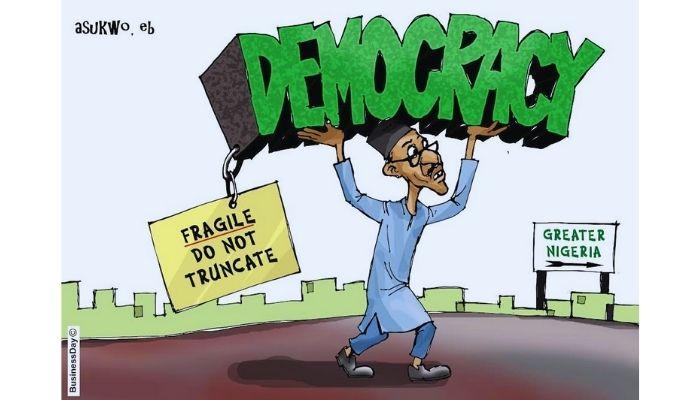
A democracy does not collapse when it is attacked. It weakens when it misinterprets itself. Nigeria’s constitutional system is built on a precise principle: separation of mandates. It is not decorative. It is structural. The president does not share a mandate with the National Assembly. The National Assembly does not derive legitimacy from the president. Both derive authority independently from the people, and both are designed to restrain each other within clearly defined constitutional boundaries.
That separation is not a political arrangement. It is the operating system of democracy. When it holds, power is divided. When it weakens, power concentrates. When it disappears in practice, democracy does not immediately fail—it simply begins to function differently from what the constitution intended.
When the National Assembly stands on the mandate of the President, who stands for the people?
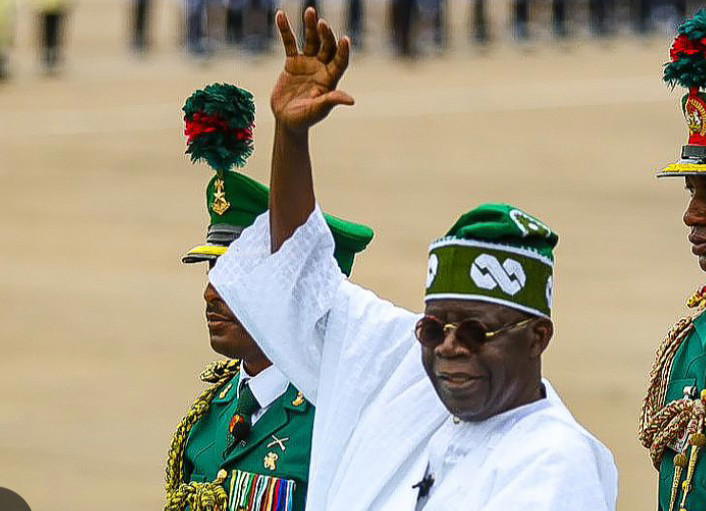
During the 2025 and 2026 budget presentations, members of the National Assembly publicly sang “On your mandate we shall stand” in honour of the president. On the surface, it appeared symbolic. Political theatre is not new in democratic systems. But institutions are not judged only by their formal actions. They are also defined by the meaning their behaviour communicates. And in this case, the symbolism carried a deeper institutional implication: