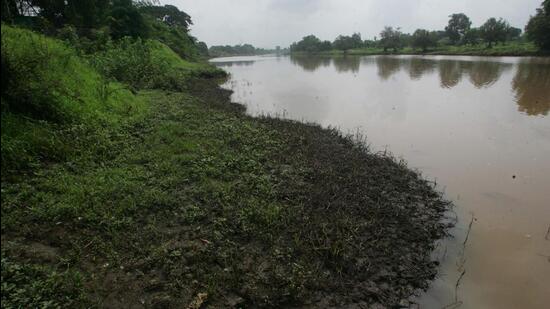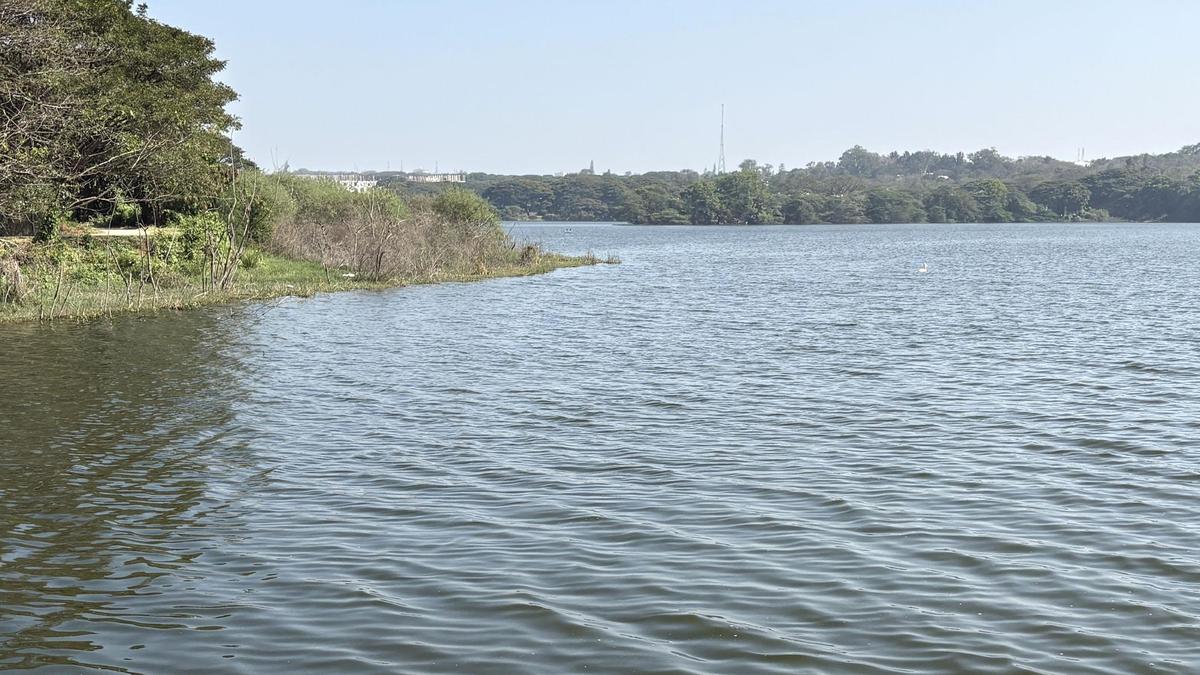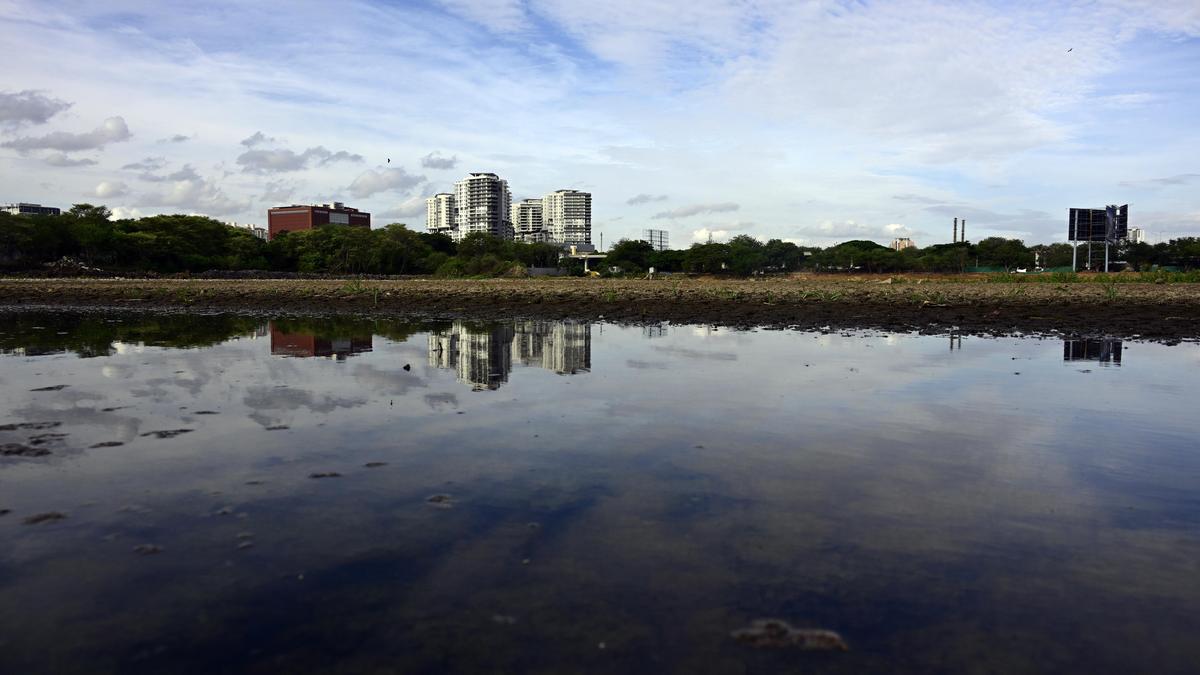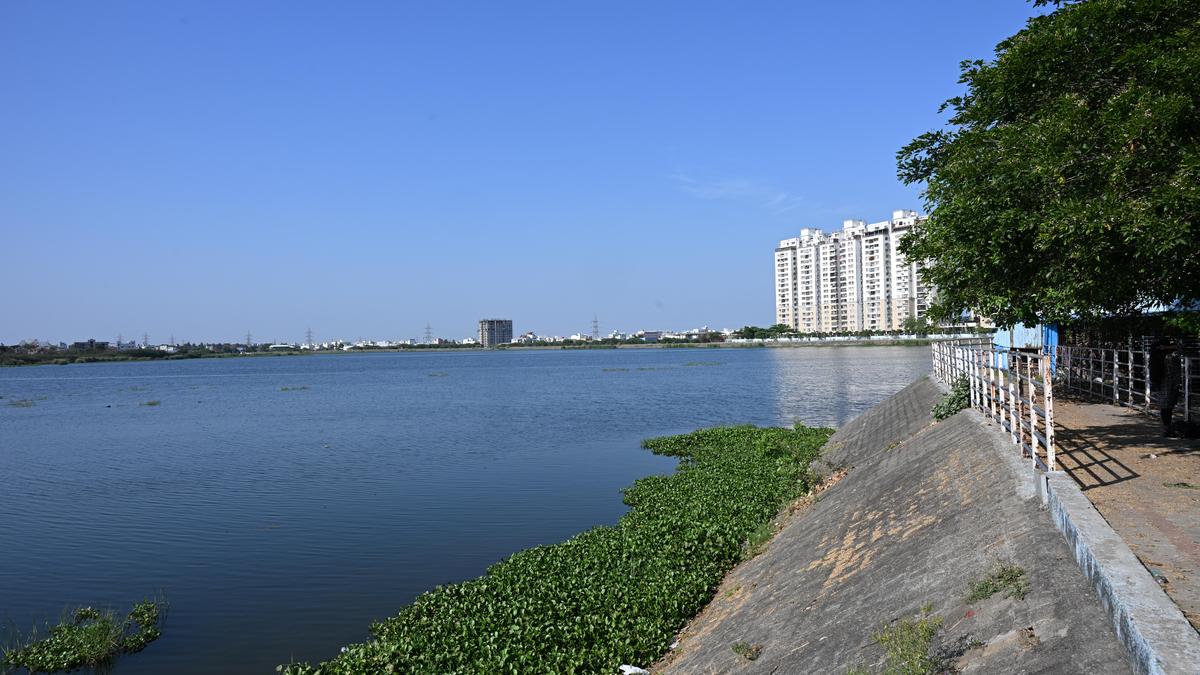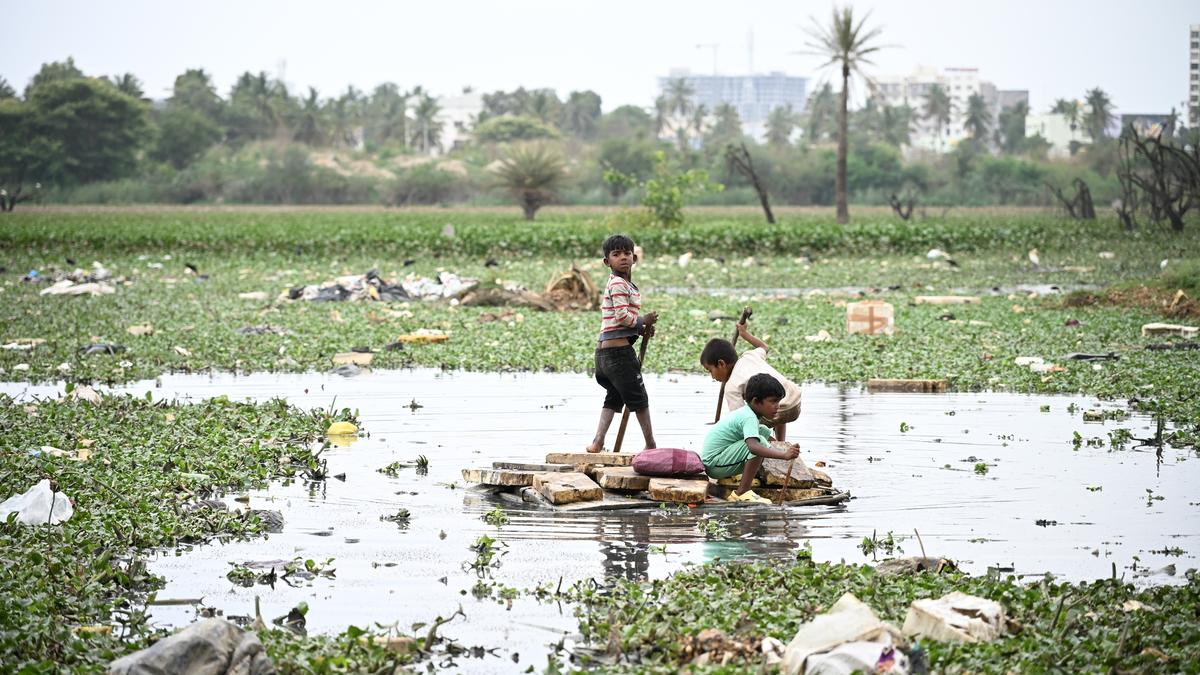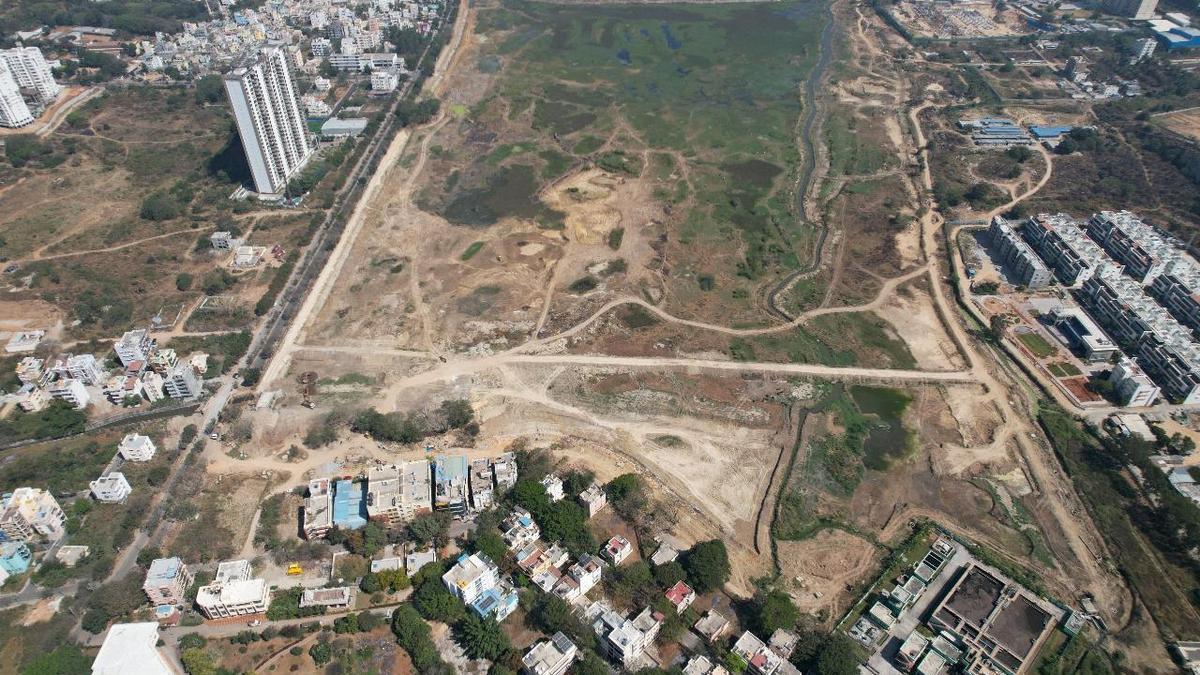
Raising serious concern over the poor condition of the city’s lakes, the Mysore Grahakara Parishat (MGP) has alleged that untreated sewage continues to flow into several major waterbodies despite substantial investments in sewage management infrastructure. The civic organisation has urged the government to prioritise sewage treatment over large-scale infrastructure projects.The MGP said it has been receiving an increasing number of complaints regarding lake pollution across Mysuru. The organisation warned that the city’s sewage crisis is worsening and poses a serious threat to public health and the environment.Highlighting the condition of several city lakes, the MGP said that the Hebbal Lake continues to receive untreated sewage despite reported investments exceeding ₹150 crore by the Infosys Foundation and the installation of a Sewage Treatment Plant (STP). There have been complaints of persistent foul odours around the lake.The Lingambudhi Lake, managed by the Forest Department, has been affected by sewage inflow from surrounding areas. According to the MGP, local activists have raised the issue with MLA G.T. Deve Gowda.At Thipparayanakere, the organisation alleged that private developers failed to fulfil commitments related to sewage management before handing over residential plots. The lake’s STP is reportedly non-functional despite repeated complaints.The MGP further claimed that sewage inflow has resumed at the Karanji Lake, under the control of Mysuru zoo, affecting its ecosystem and birdlife. While sewage discharge from Padavarahalli into Kukkarahalli Lake has largely been stopped, it continues to enter the lake through stormwater drains during rainfall, it stated in a press release here on Monday.Describing the situation as a “systemic failure”, the MGP referred to a recent meeting in which Regional Commissioner and Mysuru City Corporation Administrator Nitish Patil reportedly acknowledged that Mysuru would require around ₹1,500 crore to address its sewage challenges.The organisation noted that the city’s existing infrastructure can treat only 150 million litres per day (MLD) of sewage, while Mysuru receives about 350 MLD of water supply. “As a result, nearly 200 MLD of sewage remains untreated and eventually flows into lakes and other waterbodies,” the MGP claimed.The MGP criticised what it described as inadequate government funding for sewage management, stating that only about ₹50 crore is allocated annually for the purpose. The city lacks long-term sewage management plan despite projections that Mysuru’s population could triple by 2050.Questioning the government’s priorities, the organisation pointed out that the government is implementing the proposed ₹4,200 crore flyover project from Field Marshal K.M. Cariappa Circle (Metropole Circle) to Lingadevarakoppal near Yelwal, while critical sewage-related issues remain unresolved.Calling for urgent action, the MGP urged citizens to seek sewage management at the forefront of civic planning. It also appealed to Mysuru’s engineering colleges to undertake research aimed at finding solutions not only to the city’s sewage problems but also to the challenges facing the five affected lakes. Published - June 15, 2026 07:14 pm IST
Are Mysuru lakes ‘drowning’ in sewage?
Mysuru's lakes face severe pollution from untreated sewage, prompting urgent calls for improved sewage management and infrastructure prioritization.
TL;DRAI
Mysuru's sewage treatment handles only 150 MLD of 350 MLD daily supply; 200 MLD untreated flows into lakes despite ₹150 crore investment. Infrastructure failure in Indian tech hub signals governance risks for IT firms' local operations and ESG regulatory exposure.
468 words~2 min read