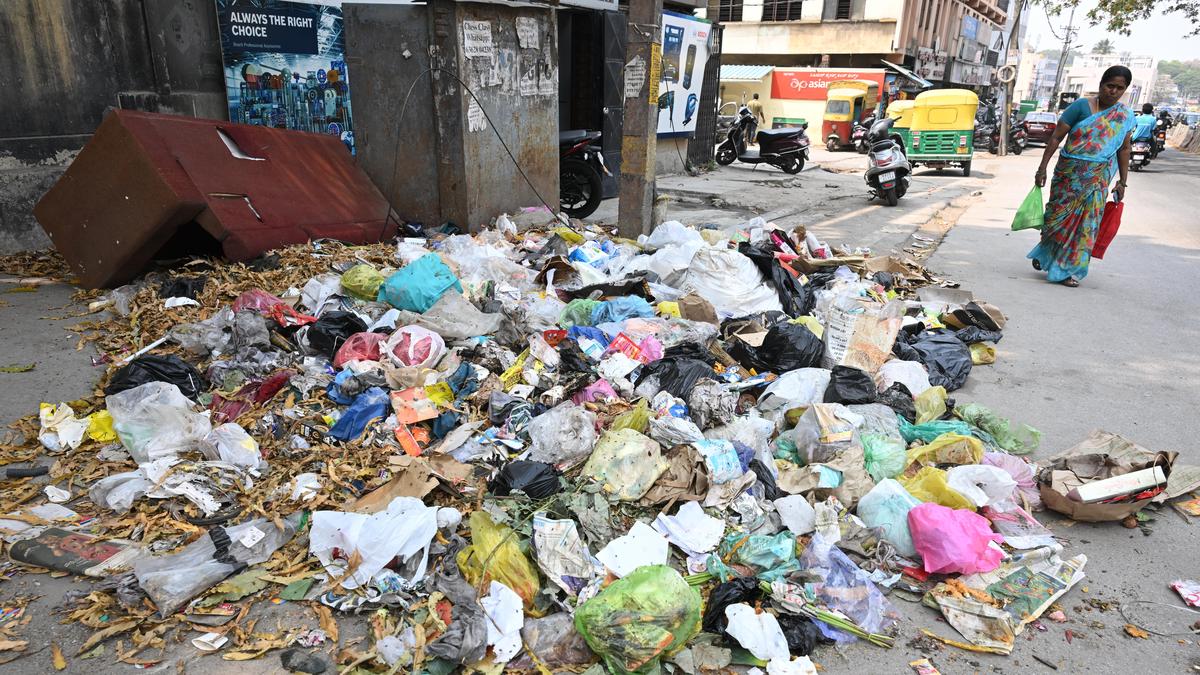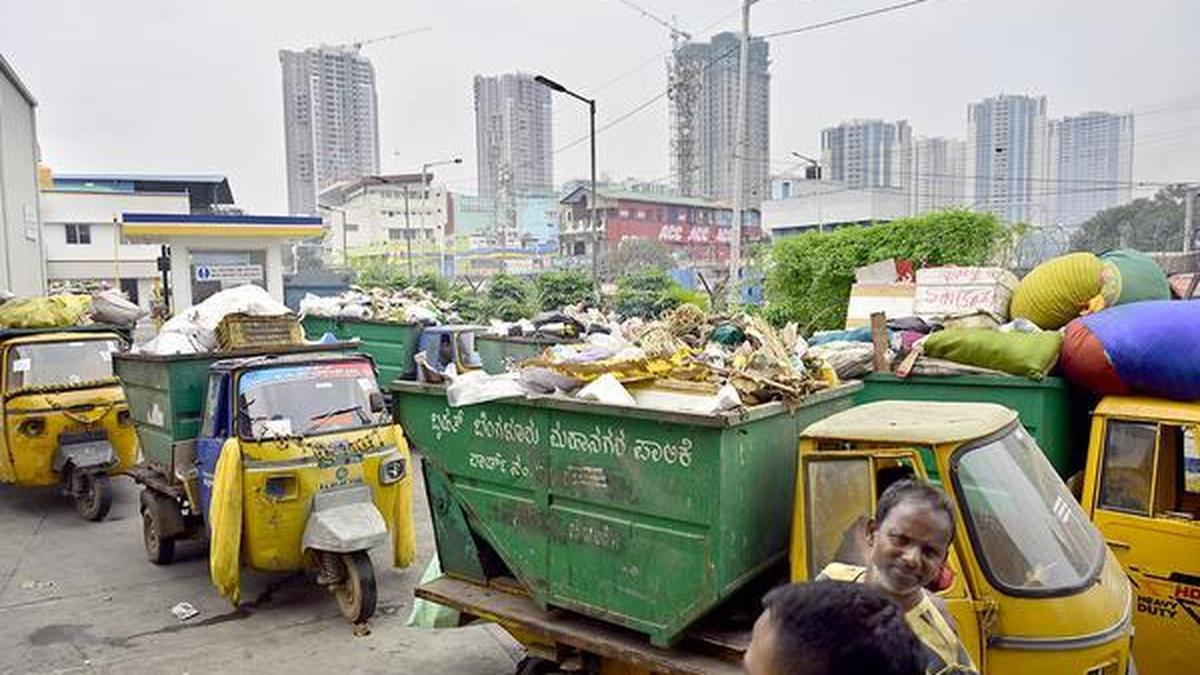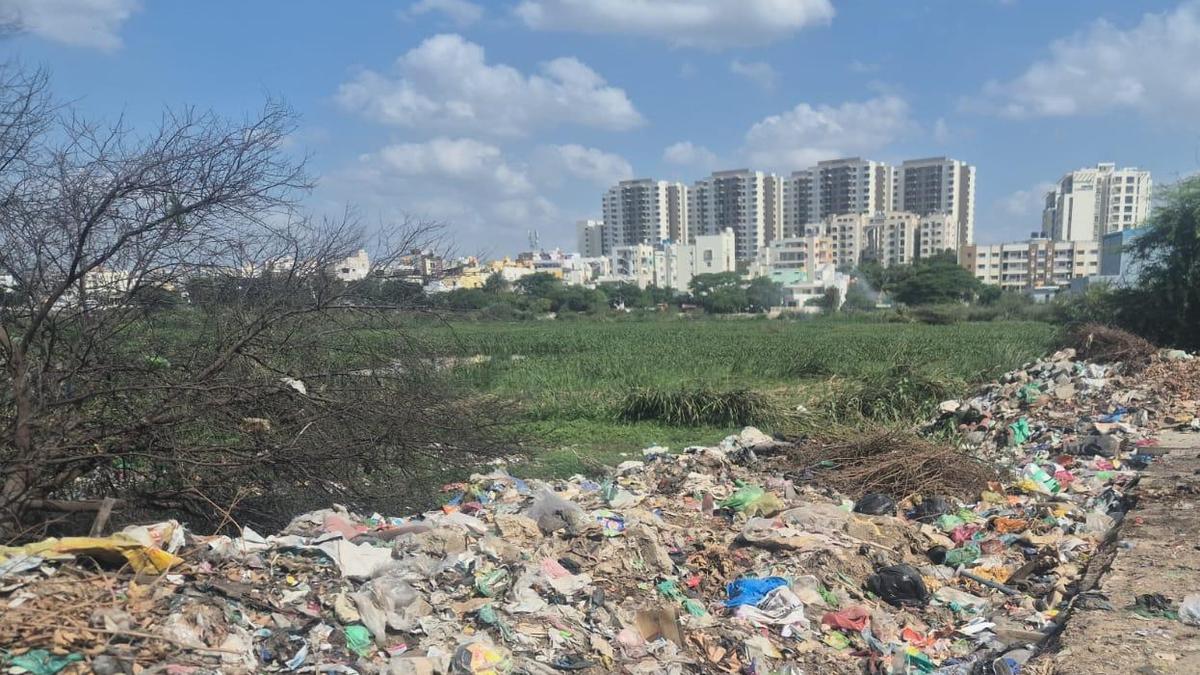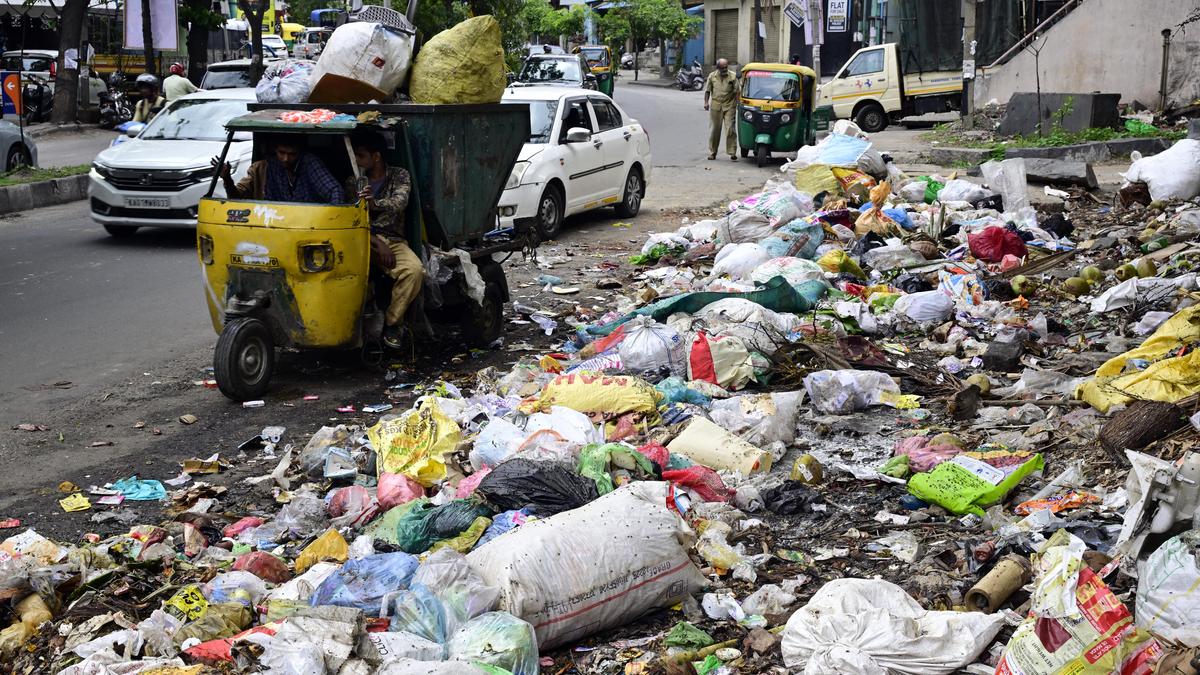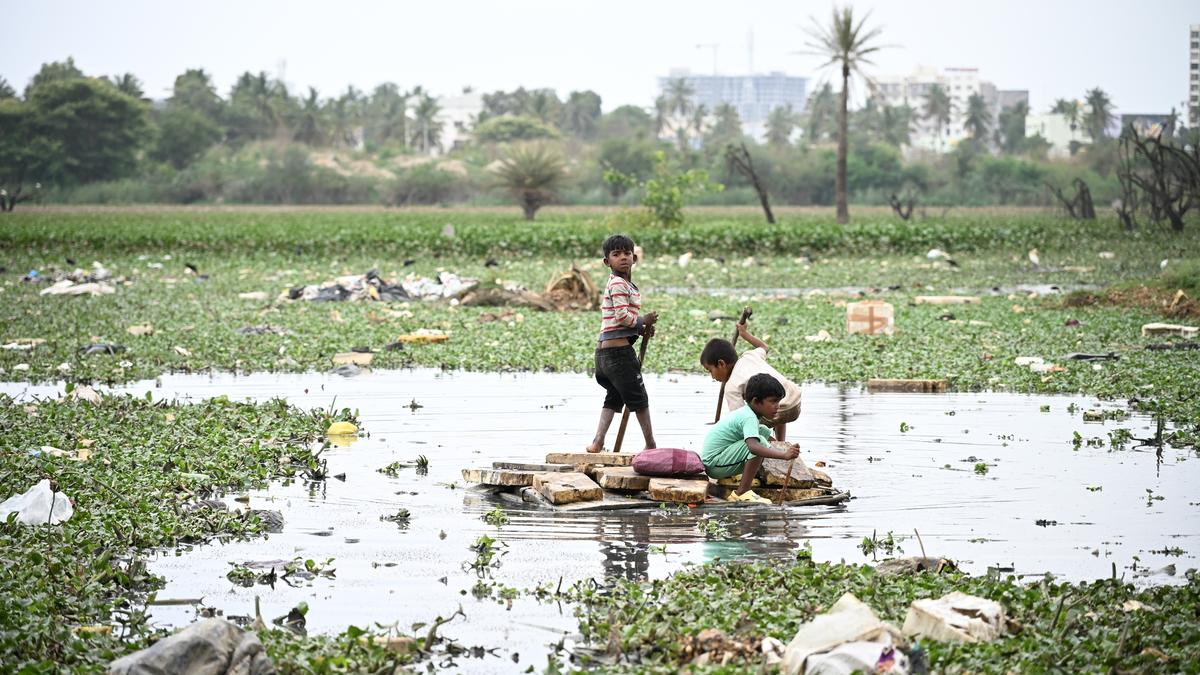
Near Siddhartha Layout in Kadugodi, the Dakshina Pinakini River resembles a swamp. There is a sprawling garbage dump on the riverbank, and sacks of waste spill into the water, which is now almost entirely covered by a dense carpet of water hyacinth. A row of makeshift toilets line the concrete wall of the Rajakaluve, discharging raw sewage directly into the channel that flows into the river.The river is murky and lifeless. The children playing on it are unaware of the health risks that prolonged exposure to polluted water could bring. The children of migrant workers who live and work in the garbage dump continue to frolic in the river, paddling their makeshift rafts.Dakshina Pinakini is yet another casualty of Bengaluru’s rapid and unmindful urban expansion, choked by sewage, industrial effluents and the staggering quantities of solid waste the city throws up every day.Seasonal to perennialA seasonal river once, Dakshina Pinakini flows today perennially due to the continuous inflow of treated, untreated and partially treated wastewater.“We used to go swimming in the river when we were kids. Not anymore,” says 39-year-old Hemanth, who was born and raised in the area. Originating in Nandi Hills and draining into the Bay of Bengal after flowing through Karnataka and Tamil Nadu, Dakshina Pinakini, flowing along the eastern periphery of Bengaluru, was a water source for the locals before the city’s borders expanded. Kadugodi residents remember a time when paddy, millets and guava were widely grown in the area. “The water in the river was used for washing clothes and irrigation earlier. The river filled up seasonally with rainwater. Now there is always water, only that it is sewage,” says Ratnamma, who is grazing her goats nearby.
Trash, toxins and sewage: The state of Dakshina Pinakini river in Bengaluru
Dakshina Pinakini is yet another casualty of Bengaluru’s rapid and unmindful urban expansion, choked by sewage, industrial effluents and the staggering quantities of solid waste the city throws up every day.
1,028 words~5 min read