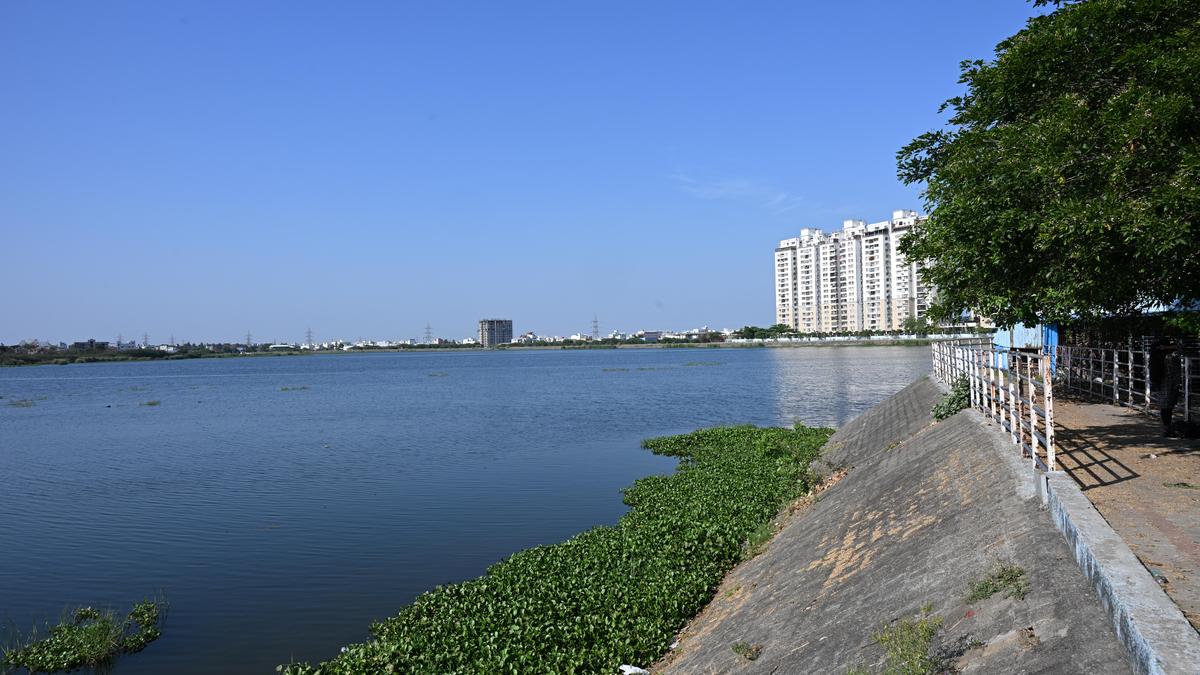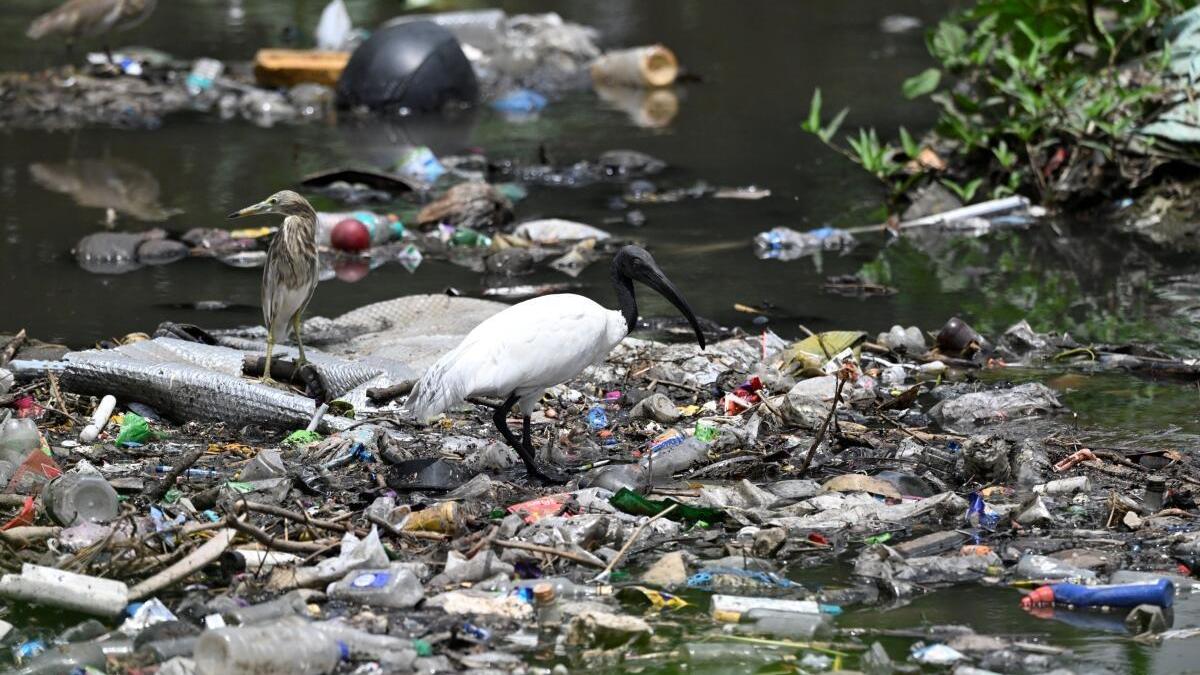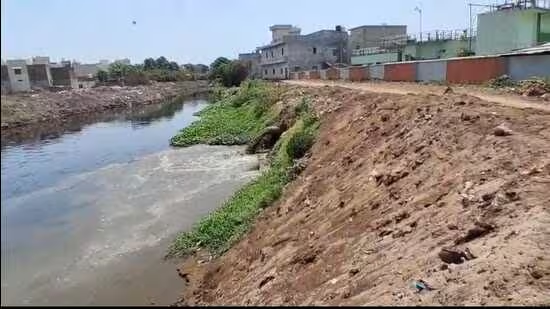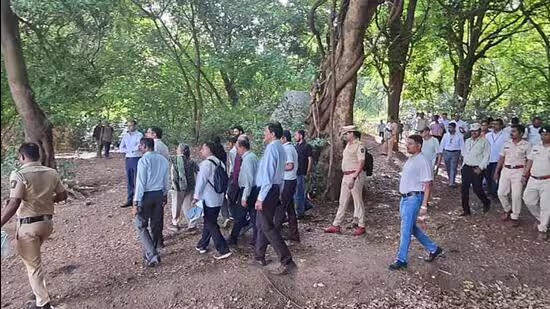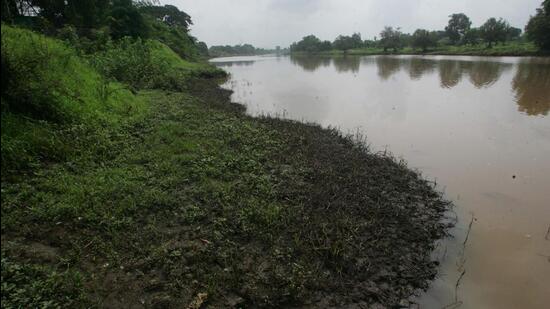
Pune:Contaminated water - Water Pollution - Bhatsa river is primary source of Water Supply to the city - Dead fish found in Bhatsa Dam - HT photo by Anand Shinde -- 19/07/08A multi-agency joint committee constituted by the National Green Tribunal (NGT) has begun assessing pollution in the Mula river including recurring fish kill incidents, and the adequacy of sewage treatment infrastructure in the Pune metropolitan region. The joint committee was formed in connection with a suo moto case initiated by the NGT based on a Hindustan Times report titled, ‘Dead fish found floating in Mula River raises alarm’ published on September 23, 2024 which highlighted large-scale fish mortality in the river. As laboratory analysis and data collection from various departments is still underway, the Maharashtra Pollution Control Board (MPCB) has sought an additional three weeks from the tribunal to prepare and submit the committee’s report.Following directions issued by the NGT on February 24, 2026, the MPCB initiated the process of constituting the committee by seeking nominations and relevant data from all concerned departments and agencies. The committee comprises representatives from the urban development department (UDD), MPCB, Pune Municipal Corporation (PMC), Pimpri-Chinchwad Municipal Corporation (PCMC), Pune Metropolitan Region Development Authority (PMRDA), Pune district administration, and the water resources department. The committee held its first meeting on May 27 to finalise its terms of reference and inspection schedule. It carried out its first field inspection on June 1 during which, members inspected various stretches of the Mula river and reviewed sewage treatment infrastructure to identify potential pollution sources and assess wastewater management systems. Water samples were collected from multiple locations for laboratory analysis.According to an affidavit submitted by the MPCB before the NGT on June 9, the committee has been tasked with identifying the causes of river pollution, assessing the need for additional sewage treatment plants (STPs), evaluating the capacity and performance of existing treatment facilities, estimating funds required for pollution mitigation measures, and recommending a roadmap for restoring the river’s ecological health.As laboratory analysis and data collection from various departments is still underway, the MPCB has sought an additional three weeks from the NGT to prepare and submit the committee report. The findings are expected to help determine the extent of contamination and identify areas requiring urgent intervention. The committee report is also expected to assess whether the existing sewage treatment capacity is adequate to meet the needs of Pune and Pimpri-Chinchwad amid rapid urbanisation.Fish kill incidents have been repeatedly reported across Pune’s rivers and water bodies over the past three years, raising concerns about deteriorating water quality and health of aquatic ecosystems. Major incidents have been recorded in the Mula and Mula-Mutha rivers, prompting investigations by regulatory authorities and intervention by the NGT. Similar cases have also been reported in the Pavana, Indrayani and Nira rivers, as well as Pashan lake.In several instances, there were species such as the Deccan mahseer, a native freshwater fish, among the fish found dead. MPCB officials have attributed most of these incidents to untreated sewage discharge, industrial effluents, low dissolved oxygen levels, eutrophication, and other forms of water pollution.
Joint committee begins assessment of Mula river pollution, report to be submitted to NGT
As data collection is still underway, the MPCB has sought an additional three weeks from the NGT to prepare and submit the committee report. The findings are expected to help determine the extent of contamination and identify areas requiring urgent intervention
TL;DRAI
NGT-led multi-agency committee began assessing Pune's Mula river pollution and fish kills; MPCB requested three additional weeks to submit findings on sewage treatment capacity and infrastructure needs. Findings will inform decisions on STP expansion and environmental compliance roadmap, signaling infrastructure investment requirements amid rapid urbanization.
516 words~2 min read