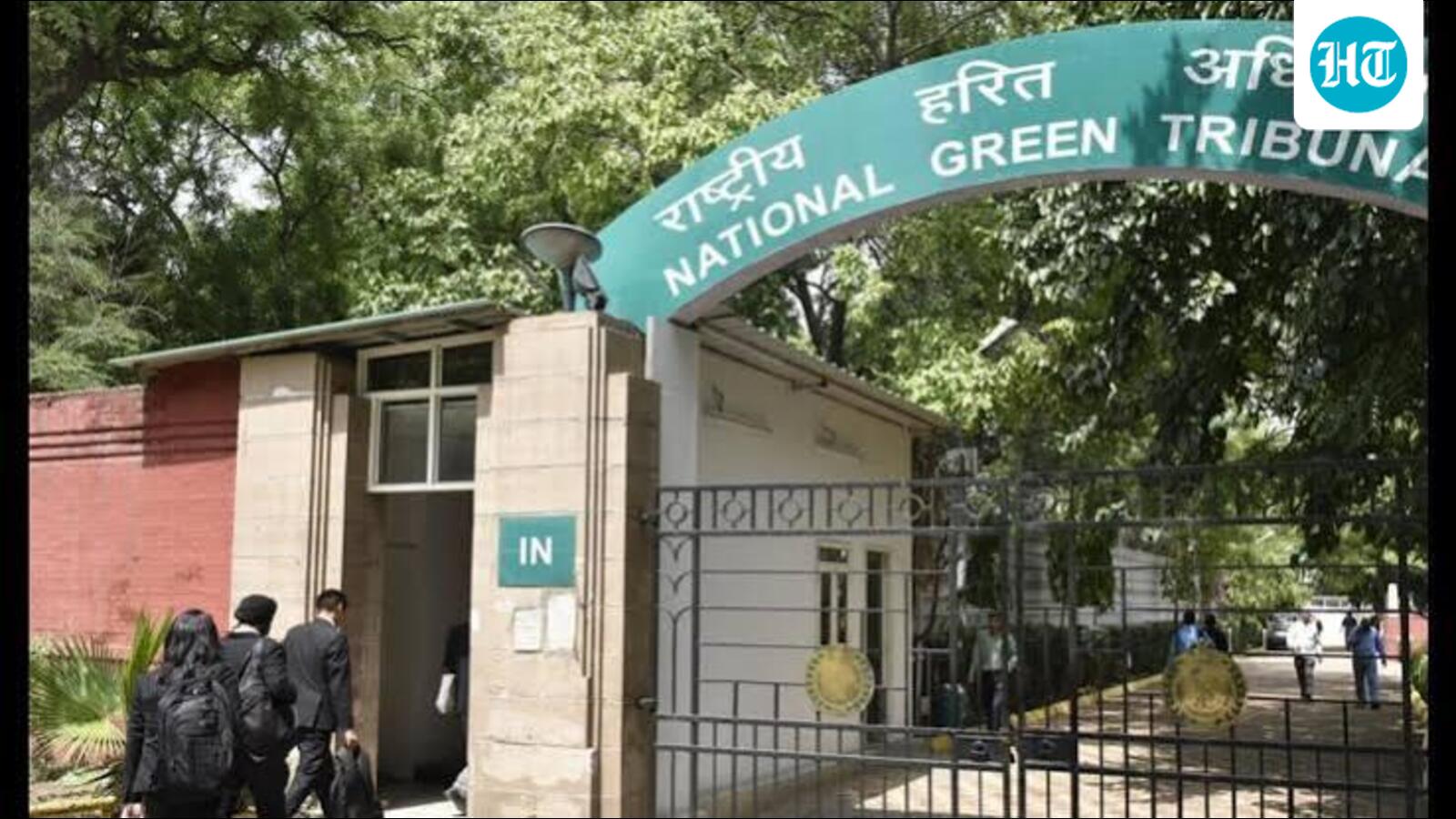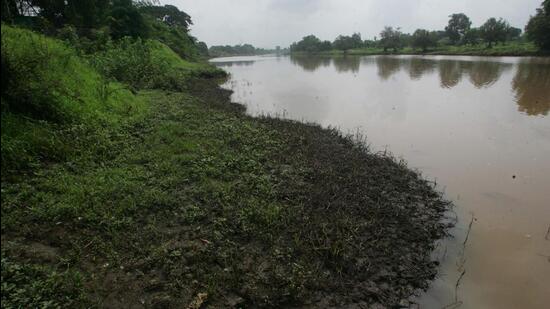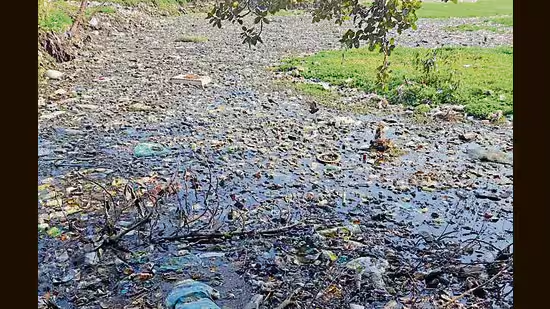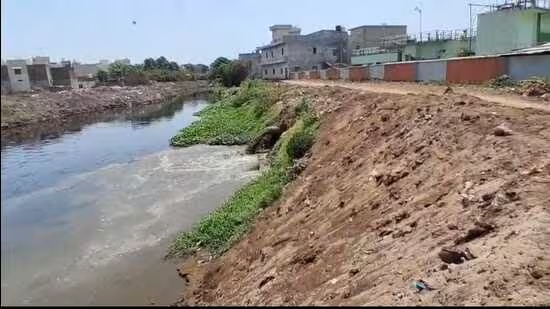
Nearly half of the identified sources polluting Punjab’s rivers, drains and other water bodies continue to discharge untreated wastewater despite years of clean-up efforts, with the Punjab Pollution Control Board (PPCB) informing the National Green Tribunal (NGT) that 800 of the state’s 1,574 identified pollution sources remain active.The PPCB said the Ghaggar basin continues to face a significant pollution burden. (HT)In a status report submitted on July 6 in compliance with the NGT’s directions in a suo motu case initiated on the basis of a 2024 media report, the board said 774 pollution sources have been plugged, closed or diverted for treatment. However, the remaining 800 still require intervention by various government departments to prevent untreated wastewater from entering rivers, drains and ponds.The report (seen by HT) was filed pursuant to the tribunal’s March 18, 2026, order directing the Punjab government and other authorities to explain how untreated liquid waste flowing into water bodies would be treated and to submit a comprehensive action plan to curb further pollution.According to the PPCB, the pollution sources that have been eliminated include 39 industrial units, 308 village wastewater outlets, 137 urban local body (ULB) discharge points, 227 dairy waste outlets, 14 individual sources and 49 other pollution sources. Some units were permanently shut down, while others were removed from the list after being identified as duplicate entries or because their wastewater had been diverted to sewage treatment plants (STPs), oxidation ponds, irrigation channels or other treatment systems.Rajya Sabha MP and environmentalist Balbir Singh Seechewal questioned the effectiveness of Punjab’s pollution-control measures, saying the government has spent substantial public funds on establishing 168 water treatment plants, but many are either underperforming or not functioning properly.“There must be accountability. Civic bodies should fix responsibility on officials where treatment plants are not fully operational. The Punjab Pollution Control Board is efficient at issuing notices, but enforcement on the ground remains weak and concrete action is often missing,” Seechewal said.The report noted that Punjab now has only two Priority-I polluted river stretches — the Ghaggar (from Mubarkpur to Sardulgarh) and the Sutlej (from Ludhiana to Harike) — after Sirsa, Swan and Kali Bein were removed from the Central Pollution Control Board’s list of polluted river stretches in 2025. Updated restoration plans for the Ghaggar and Sutlej have since been approved by the state apex committee and submitted to the Union ministry of jal shakti and the Central Pollution Control Board.The PPCB said the Ghaggar basin continues to face a significant pollution burden. The river receives wastewater through 13 major drains and 29 interconnected creeks. A total of 31 urban local bodies in the catchment generate nearly 363 million litres per day (MLD) of sewage, while 389 villages contribute another 99.43 MLD of wastewater. Untreated municipal sewage, rural wastewater and industrial effluents remain the principal sources of contamination.The situation is even more challenging in the Sutlej basin. The board identified 30 major drains and 84 sub-drains discharging wastewater into the river. Around 50 urban local bodies within the catchment generate an estimated 1,236 MLD of sewage, with a treatment deficit of 33.32 MLD. While 37 urban local bodies have sewage treatment facilities, 13 still lack any STP infrastructure, resulting in untreated sewage entering the river system.The Sutlej catchment is also home to 2,759 water-polluting industrial units, most of them concentrated in Ludhiana, Jalandhar and neighbouring industrial towns, further increasing pressure on the river.The report identified Buddha Nullah, Punjab’s most polluted drain, as a continuing environmental concern. Authorities have mapped 156 wastewater outlets discharging into the drain, including domestic sewage, industrial effluents, dairy waste, village pond overflows, common effluent treatment plants (CETPs), sewage treatment plants and stormwater drains. Of these, 96 outlets are located upstream, 57 fall within Ludhiana city and three are downstream. Notably, 42 of the outlets within Ludhiana originate from dairy complexes.According to the PPCB, nearly 1,300 dairies in Ludhiana and Jalandhar generate around 900 tonnes of cow dung every day, besides large quantities of liquid waste. Although common biogas plants and effluent treatment facilities have been established to process this waste, their effectiveness continues to be constrained by the sheer volume of waste reaching them.The board informed the NGT that updated action plans for the Ghaggar and Sutlej are being implemented, with a focus on strengthening sewage treatment, industrial effluent management and solid waste disposal. However, with more than half of the identified pollution sources still operational, the report indicates that Punjab’s long-standing efforts to restore its rivers and other water bodies remain far from complete.
800 pollution sources still choking rivers in Punjab, PPCB tells NGT
In a status report submitted on July 6 in compliance with the NGT’s directions, PPCB said 774 pollution sources had been plugged, closed or diverted for treatment
751 words~3 min read