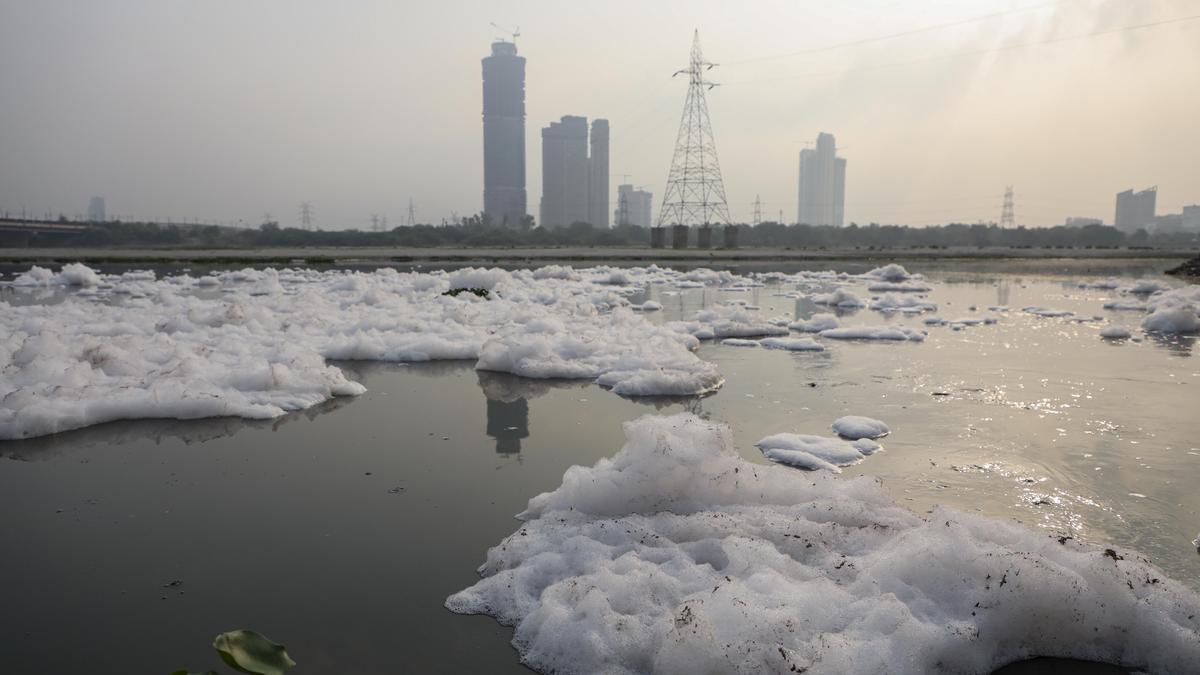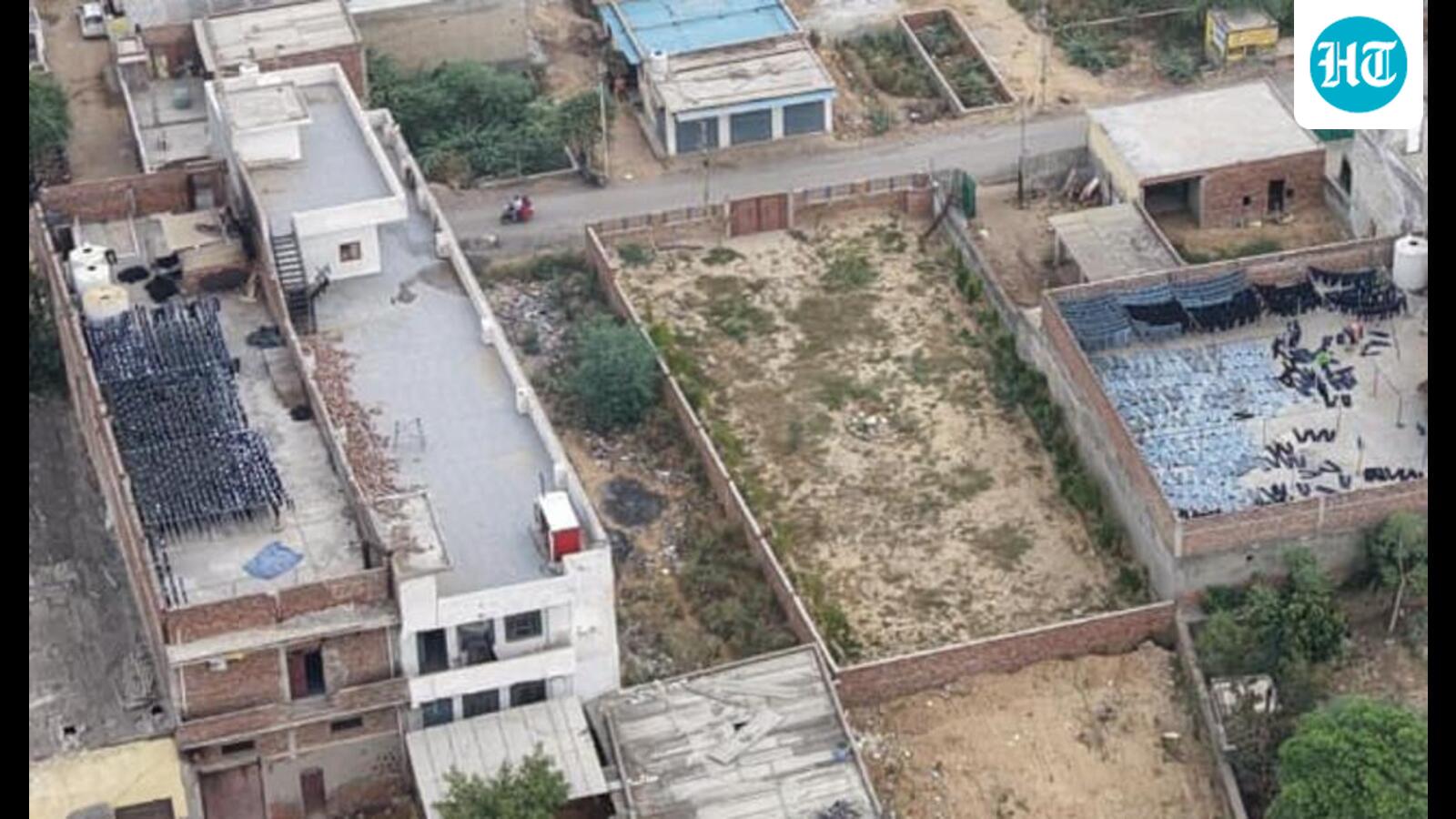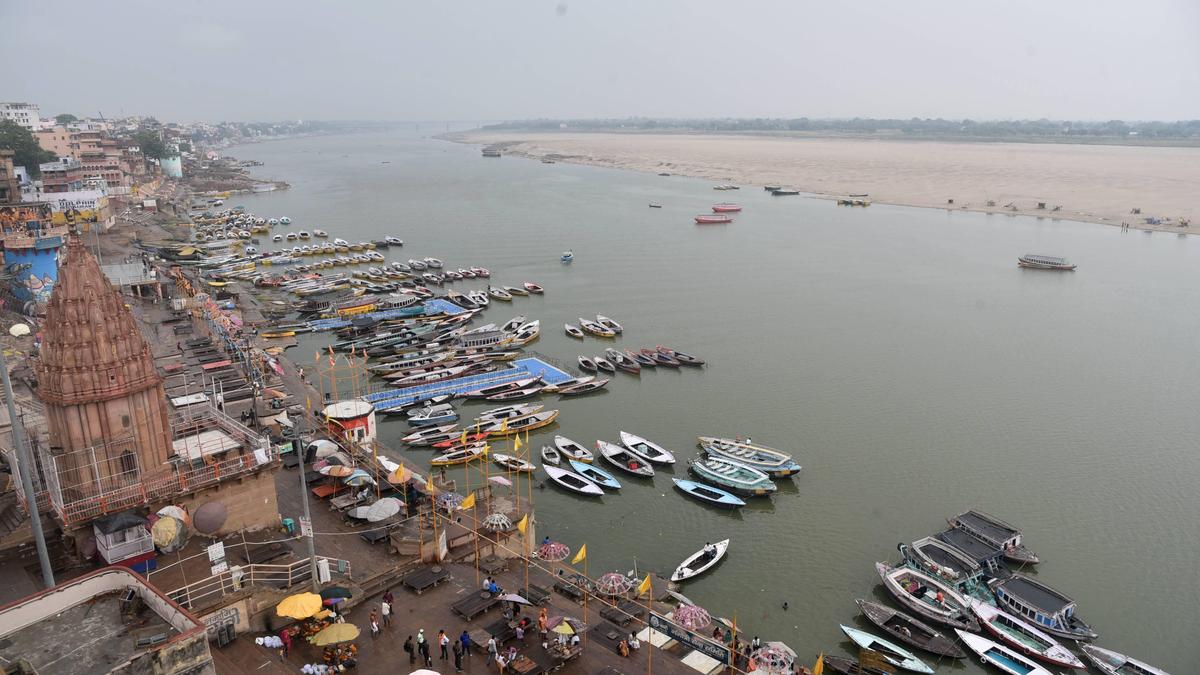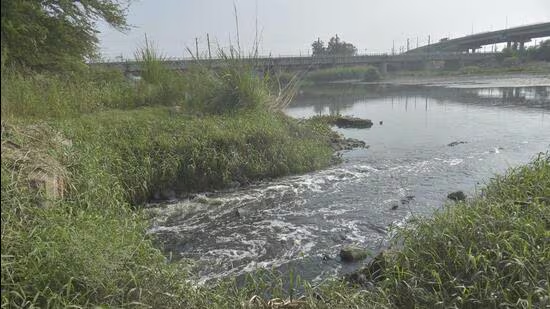
Ghaziabad: The Uttar Pradesh Pollution Control Board (UPPCB) will soon begin joint inspections to identify illegal units operating inresidential areas and polluting Yamuna and Hindon rivers, officials said on Friday.These units were discharging waste directly into the Shahdara drain, Yamuna and Hindon river, said officials. (Sakib Ali/HT PHOTO)Officials said they have received details of around 3,500 industrial units from the electricity department, most of them located in Loni and near Sahibabad.“Joint inspection will verify if these units are illegally operating out of residential areas and discharging untreated waste into drains or rivers. Units found violating the norms will have their electricity connections disconnected and units sealed,” said Ankit Kumar, regional officer of UPPCB, Ghaziabad.Officials said during the past three months, the department has sealed around 250 illegal units. “These units were discharging waste directly into the Shahdara drain, Yamuna and Hindon river. Our focus is on such illegal units engaged in highly polluting activities such as dyeing and chemical processing,” Kumar added.River Hindon originates in Saharanpur district and passes through districts including Muzaffarnagar, Shamli, Meerut, Baghpat and Ghaziabad, before joining with the Yamuna in Gautam Budh Nagar. The river also has two tributaries --- Krishni and Kali.Activists said the action against illegal units has been pending for long.“If such illegal units are not closed down or sealed, the effluent and hazardous water waste will continue to pollute rivers. Delayed action has led these units to flourish and they continue to pose a serious threat to rivers,” said Abhisht Kusum Gupta, an environmentalist from Gautam Budh Nagar.Gupta’s petition on industrial pollution of the Hindon River has been pending with the National Green Tribunal (NGT) since 2022.According to an affidavit filed by the UP government with the NGT on April 28 in response to Gupta’s petition, a gap of 285.43MLD was indicated against the sewage generation (943.63MLD) in the seven districts and the utilised capacity (658.2MLD) of the sewage treatment plants.
Pollution board to check illegal units near Yamuna, Hindon
Units found violating the norms will have their electricity connections disconnected and units sealed, said regional officer of UPPCB, Ghaziabad.
319 words~1 min read