Home Minister Amit Shah in July directed the government to nearly double its sewage treatment capacity to 1,500 MGD by 2028.
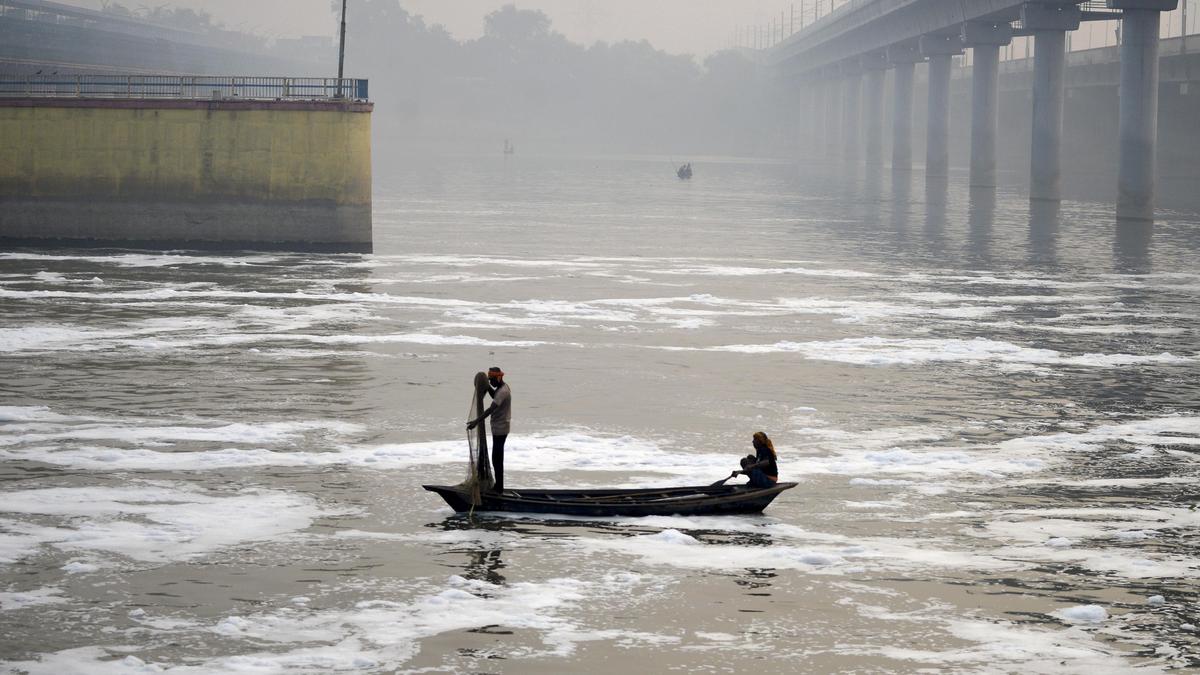
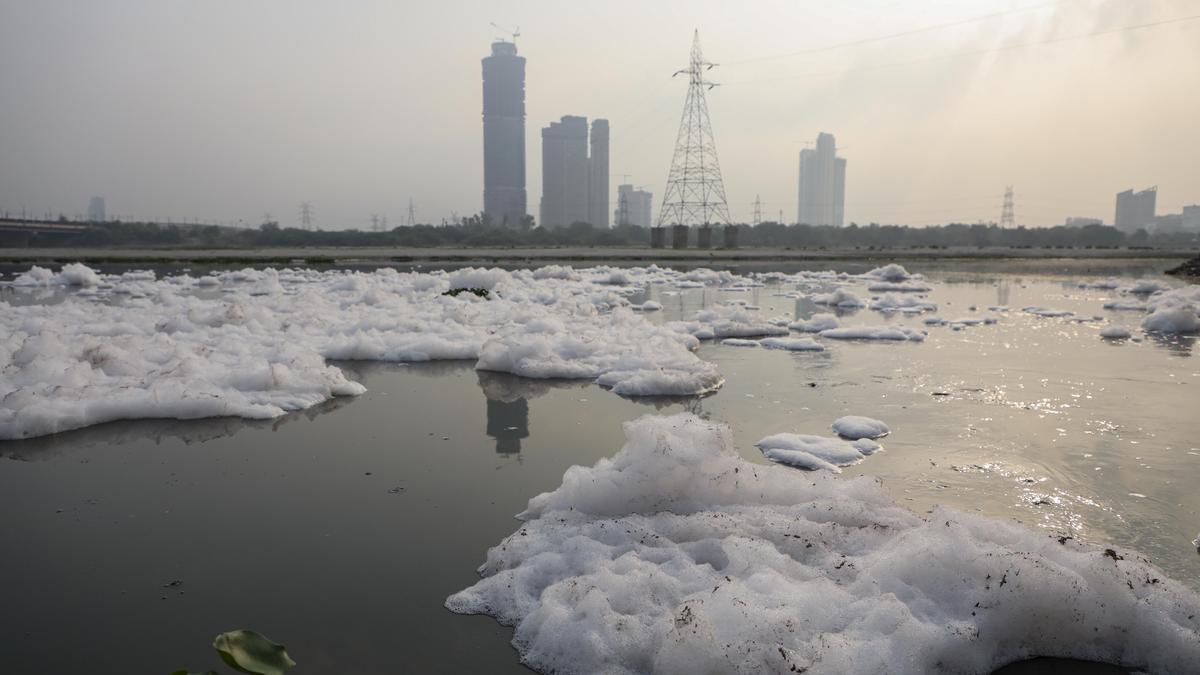
The Delhi government plans to award contracts for construction of 16 more decentralised sewage treatment plants (DSTPs) by July as part of its Yamuna-cleaning initiative and to ramp up the city’s sewage treatment capacity, an official told The Hindu.DSTPs are considered crucial to cleaning the Yamuna as they are expected to treat sewage generated in several unauthorised colonies that currently flows into the river due to the lack of sewer networks. Work for 13 DSTPs was awarded following a tender process in May. With the addition of the 16 new plants, the total treatment capacity of the DSTPs is expected to reach 170 million gallons per day (MGD).“The tender for the 16 DSTPs has already been floated, and the process is under way to award the work to selected private companies by July,” the official said this week. The project forms an important part of the government’s plan to clean the Yamuna.In July last year, Union Home Minister Amit Shah chaired a meeting on the river’s rejuvenation and directed the Delhi government to nearly double its sewage treatment capacity to 1,500 MGD by 2028. The DSTP project has been pending for years, with the non-availability of land emerging as a major hurdle.Political tussleThe issue was compounded by a tussle between the previous Aam Aadmi Party government in Delhi and the BJP-led Centre, as much of the required land is under the Centre’s control.Through DSTPs, the government plans to treat sewage close to the source of generation. Currently, Delhi’s 37 larger sewage treatment plants (STPs) are in distant parts of the city and require sewage to be transported through extensive sewer networks and pipelines for treatment.DSTPs, in contrast, will be built on smaller parcels of land and linked to clusters of nearby unauthorised colonies, which will reduce the need to transport sewage over long distances.The AAP government had initiated plans to build DSTPs in 2015, but the project failed to take off for many reasons, including the lack of available land. The number of DSTPs was later reduced from 48 to 40 during the AAP’s tenure, and from 34 after the BJP came to power last year to 29 now.“The number of DSTPs has been reduced to 29, but they will cover the same areas planned earlier because their capacities have been increased,” the official said.The government is targeting completion of all 29 DSTPs by January 2028 and the associated sewer networks by June 2028. Published - June 21, 2026 01:12 am IST