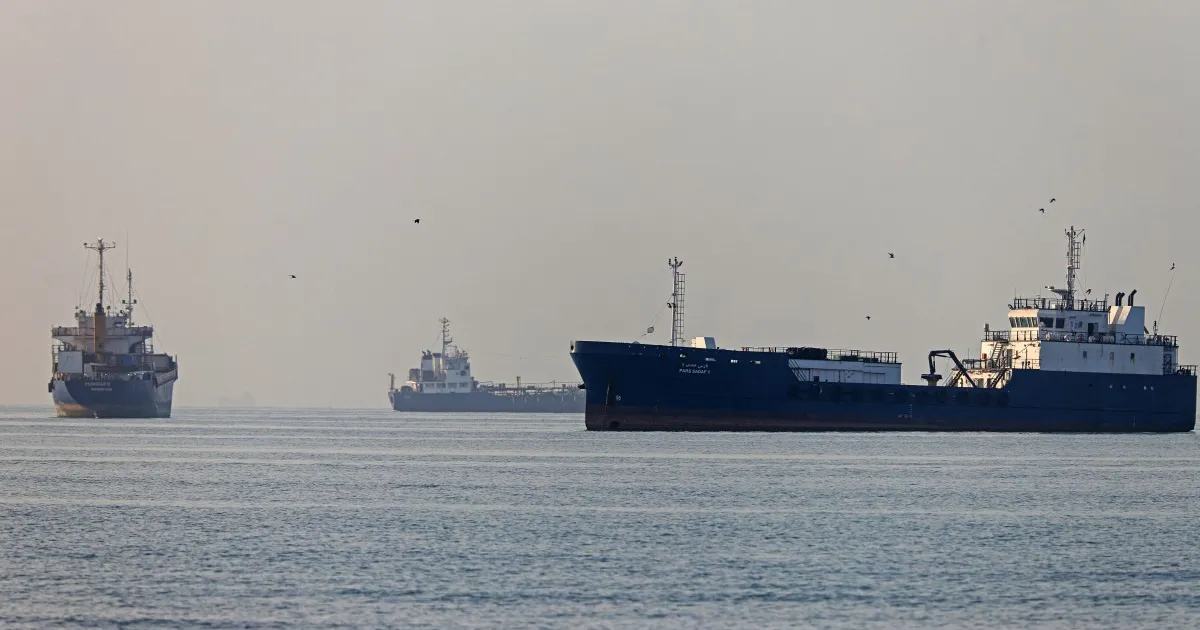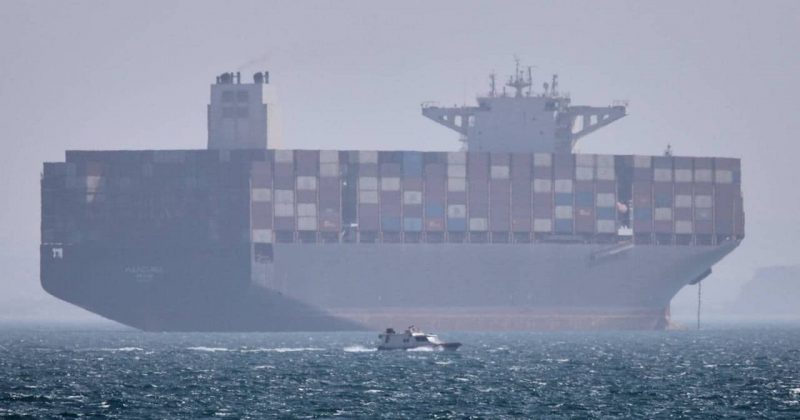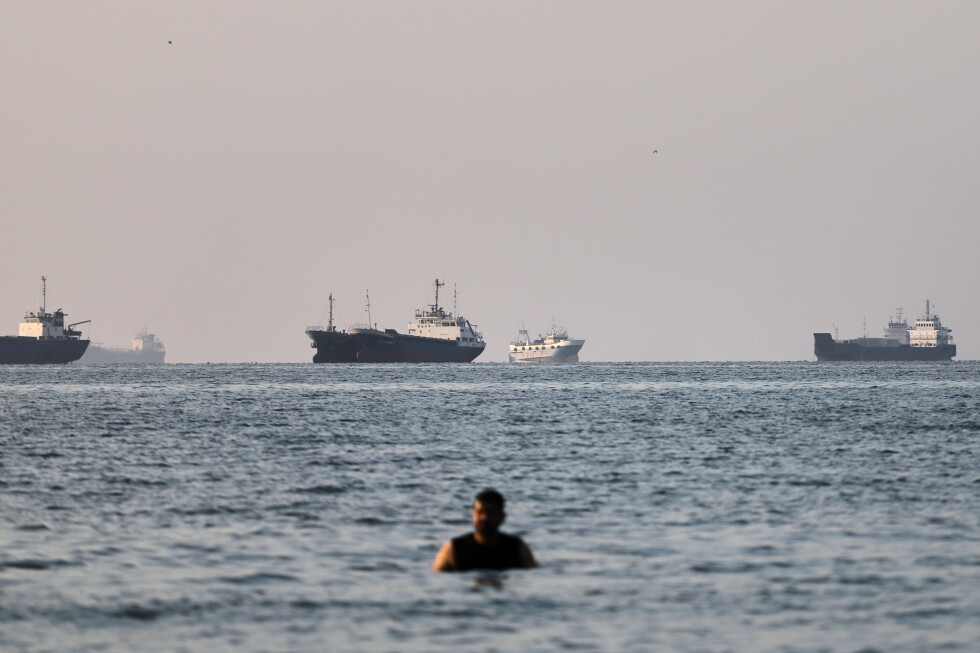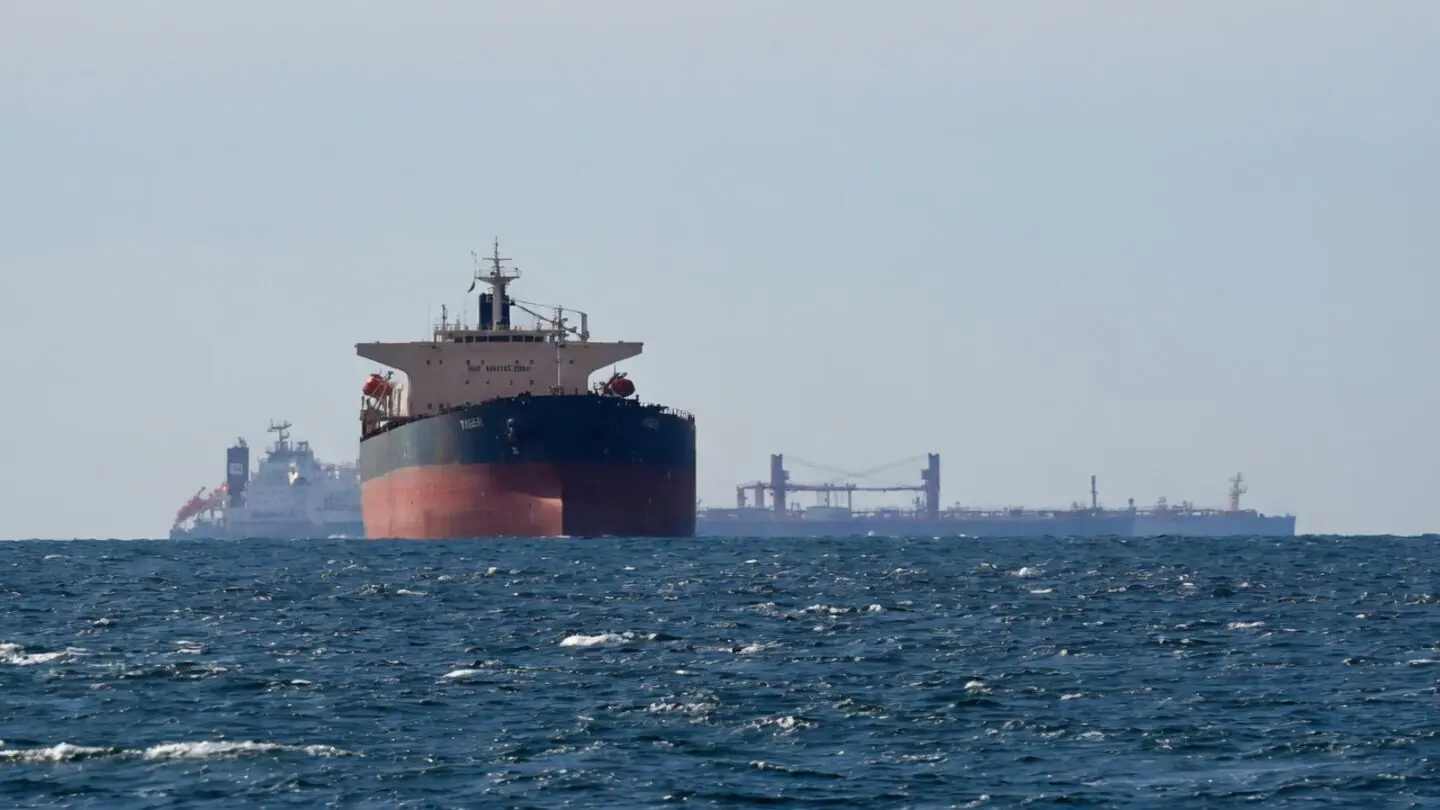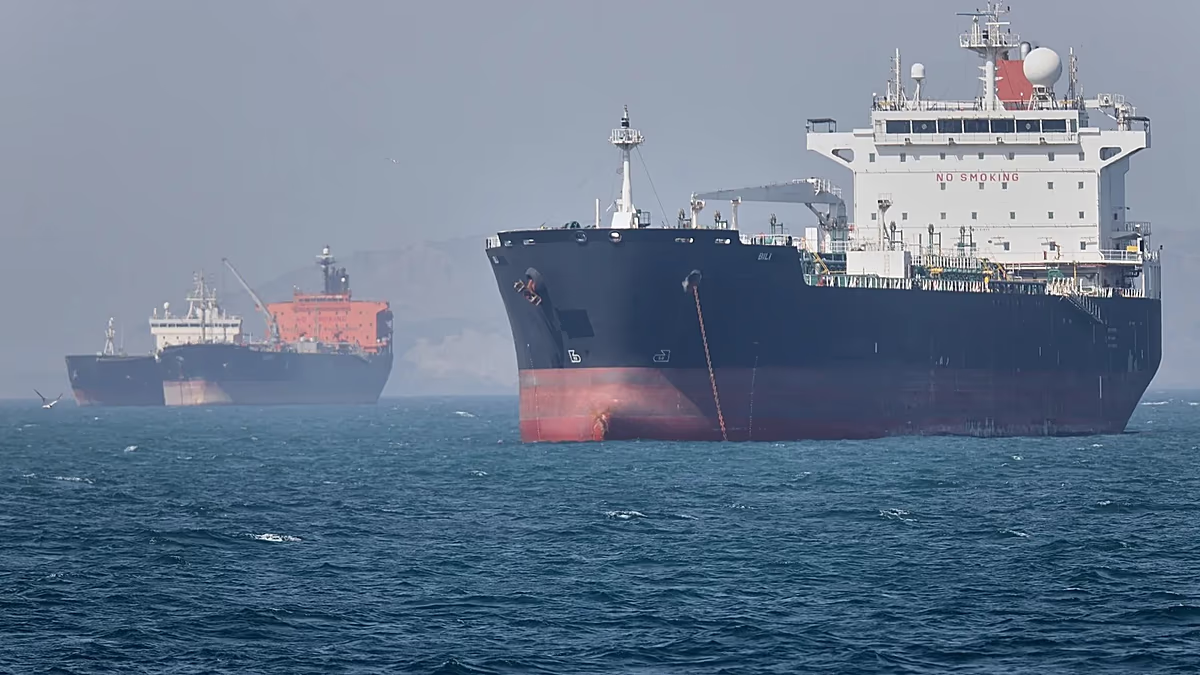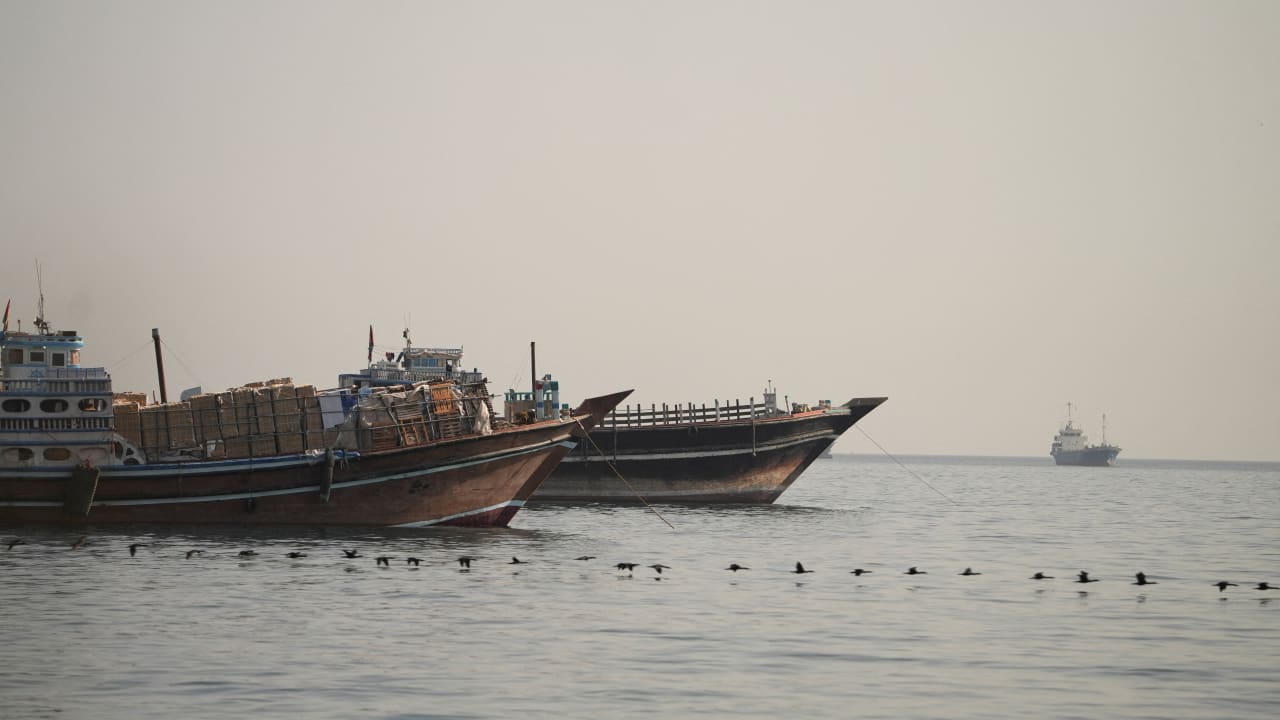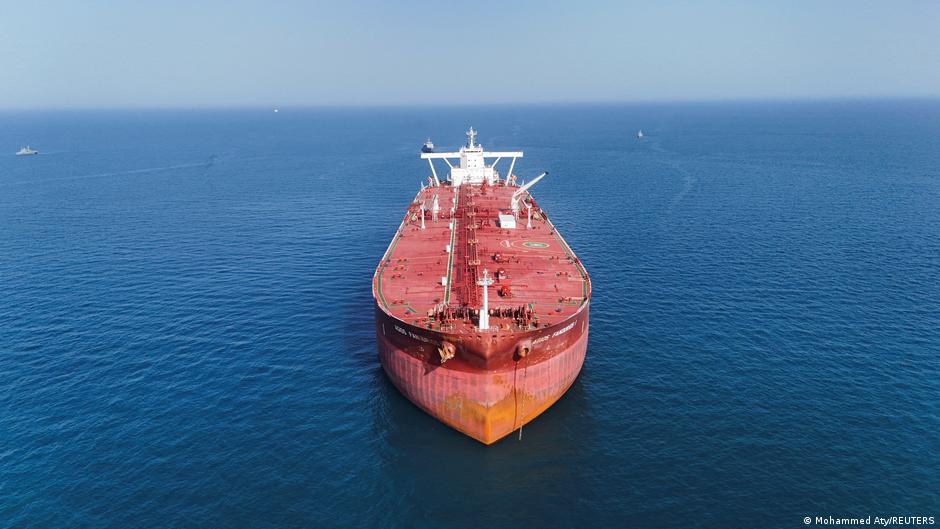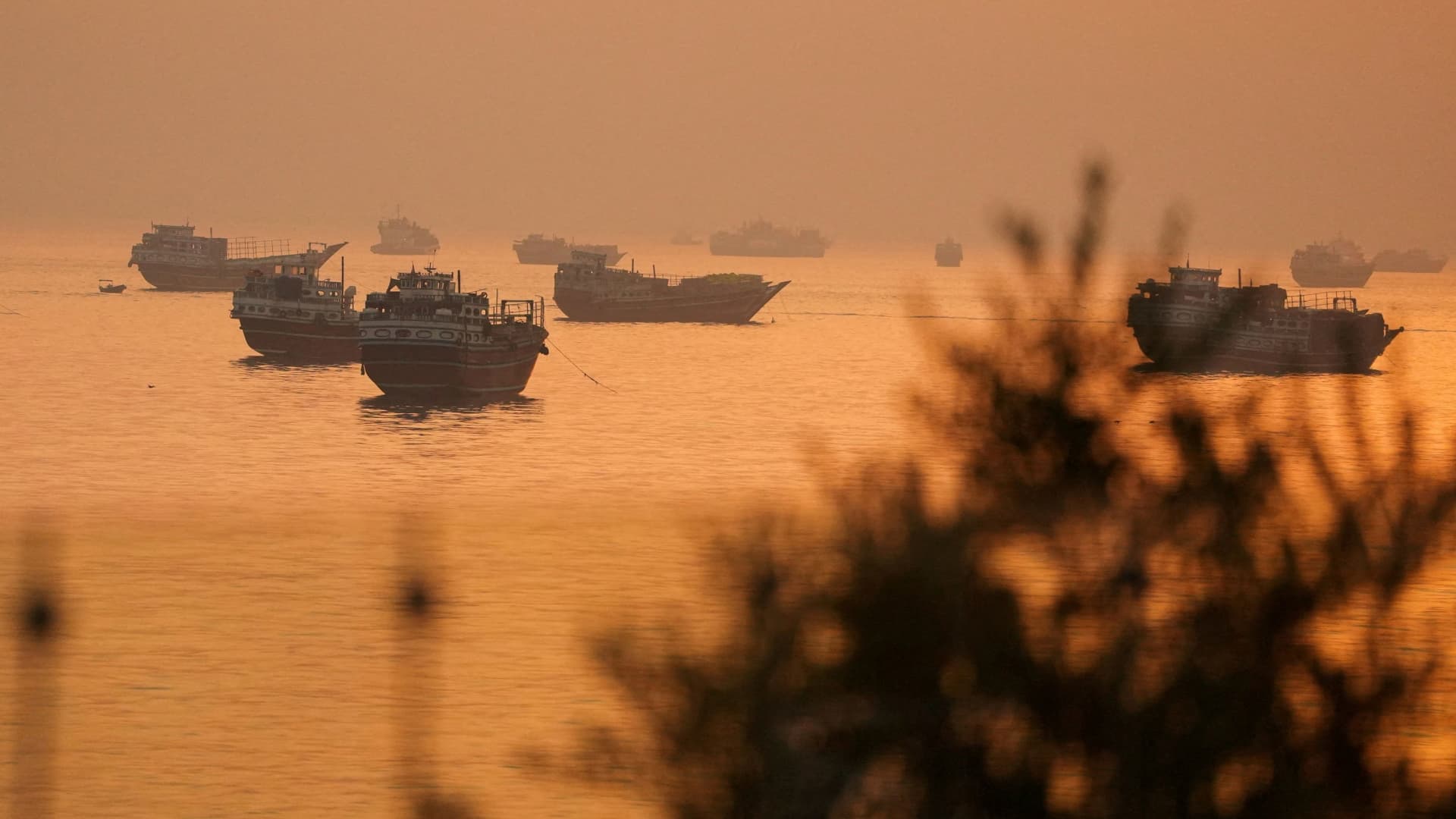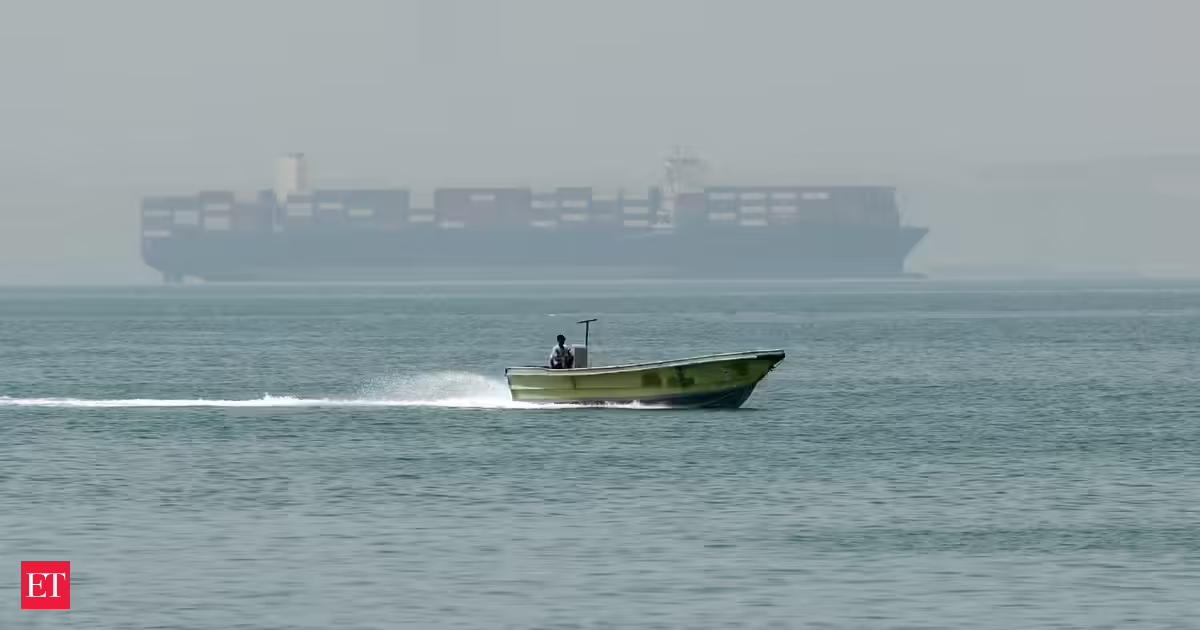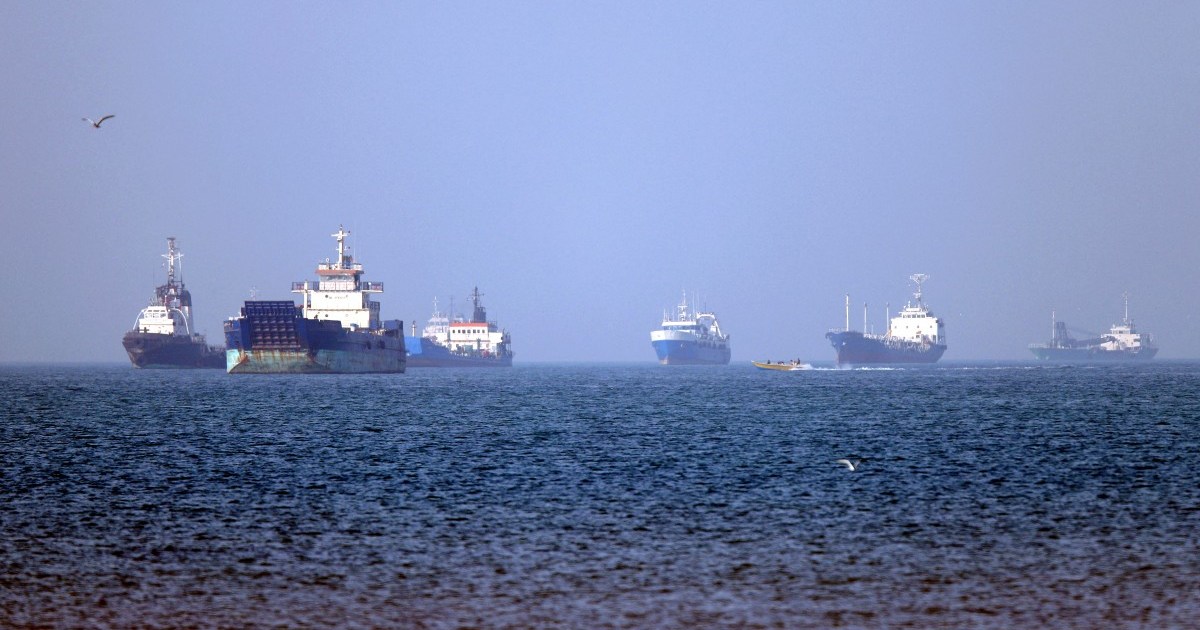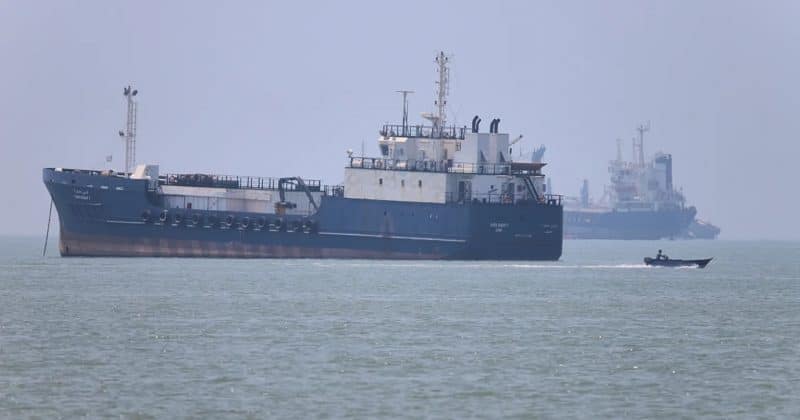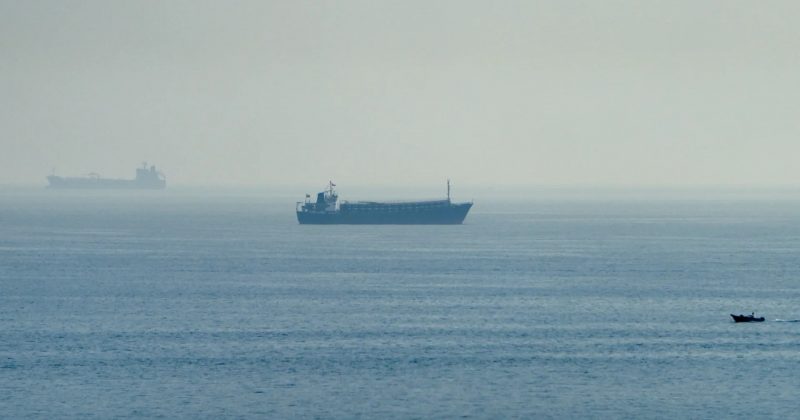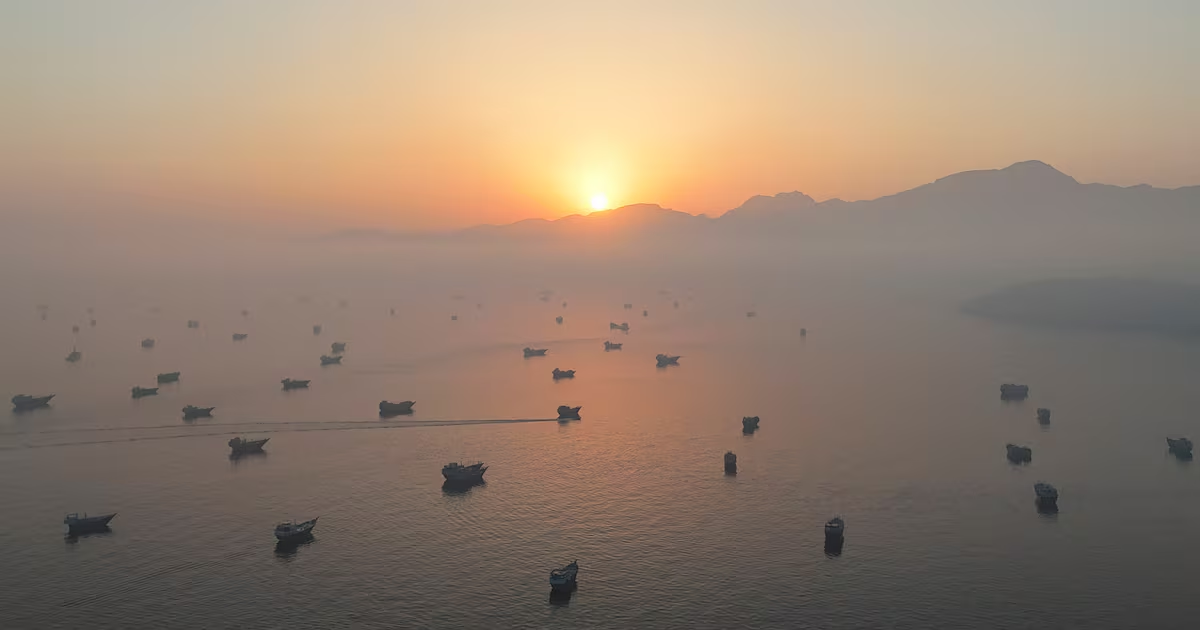
A peace deal between the US and Iran has offered a lifeline to more than 20,000 seafarers stranded in the Gulf, waiting to pass through the Strait of Hormuz.A blockade of the critical trade waterway has caused chaos to world economies and significant trauma to those working on vessels trapped in the Arabian Gulf.Many have been under fire from Iranian drones and missiles for almost four months. The conflict has claimed the lives of at least 14 seafarers, with at least 17 merchant vessels damaged by aerial attacks. Crews have experienced shortages of clean water, fuel for air conditioning units and food.Ben Bailey, director of programme and manager of the Mission to Seafarers in the UAE, said the peace deal and reopening of the strait had brought huge relief to the shipping industry. “From a welfare perspective, the impact on seafarers in the middle of this crisis has been significant,” he told The National.“Heightened tensions have created uncertainty and anxiety for seafarers working in the region, many of whom have remained at sea while concerns about safety continued to grow. The effects have been felt significantly by families at home who have watched events unfold from afar with uncertainty about what might happen next.”Sitting ducks Tankers left at anchorages off the UAE coast as negotiations dragged on have been easy targets during a widening regional war. “Tragically, seafarers have lost their lives because of this conflict,” Mr Bailey said. “Others have continued to operate vessels carrying the goods, fuel and commodities upon which the global economy depends.”The Mission to Seafarers assists crew abandoned at sea, when owners fail in their legal duty to support their employees. With some 20,000 crew left stranded by the hostilities and regional waters considered too dangerous to traverse, the mission’s support services have been in huge demand.Few crew have spoken openly about their challenges at sea, for fear of further jeopardising their precarious positions. The first deaths related to the conflict occurred on March 1, in the first hours of the escalating hostilities.One seafarer was reported dead, four injured and another missing from the Skylight, a Palau-flagged oil and chemical tanker involved in the illicit transport of Iranian petroleum, in an incident near Oman.Later that day another merchant sailor was reported dead on board the MKD Vyom, a Marshall Islands-flagged crude oil and product tanker, and two shipyard workers were injured and another killed.There were a further eight deaths and four injuries in the following 10 days after attacks on the Mussafah 2, Arabia III, Safesea Vishnu and Mayuree Naree tankers, which were due to transport oil through the strait. A death was also reported on the UAE-flagged offshore tug the Volans, on May 2.The most recent fatalities, on June 9, were on the Palau-flagged oil tanker the Settebello, on which three seafarers lost their lives.Returning operations “Seafarers are not people involved in political decision-making, they are ordinary men and women who have found themselves exposed to extraordinarily dangerous circumstances,” Mr Bailey said. “I hope that the reported agreement marks the beginning of a sustained period of stability and the restoration of confidence across the region.The Thailand-flagged Mayuree Naree after it was hit by Iranian missiles in the Strait of Hormuz in March. EPAInfo“The Mission to Seafarers will continue working alongside partners throughout the region to ensure that seafarers and their families receive the support, reassurance, and practical assistance they need as the situation develops.”The International Maritime Organisation (IMO) welcomed news of the peace deal and reopening of the Strait of Hormuz. The news has allowed the IMO to advance plans to evacuate the thousands of seafarers stranded in the area. The organisation is working in close collaboration with member states and regional partners to implement a safety plan.“This signals a crucial return to peace, dialogue, multilateralism and diplomacy, and in particular is an important step towards restoring safety in this vital maritime corridor for seafarers and ships, as well as safeguarding the fundamental principle of freedom of navigation,” said the IMO secretary general Arsenio Dominguez.With details of the reopening of the strait expected to be ratified on Friday, Mr Dominguez said it could take some time to ensure all necessary safety and security guarantees were in place.“Our deepest sympathies are with all victims of the conflict, and the innocent seafarers affected and their families,” he said. “Their courage and resilience in the face of prolonged uncertainty deserve the highest recognition. The IMO reaffirms its commitment to maritime safety, the protection of seafarers, the freedom of navigation and the continued free flow of global trade.”
US-Iran peace plan offers hope for thousands of seafarers stranded for months | The National
Long-awaited deal paves way for the reopening of the Strait of Hormuz
760 words~3 min read