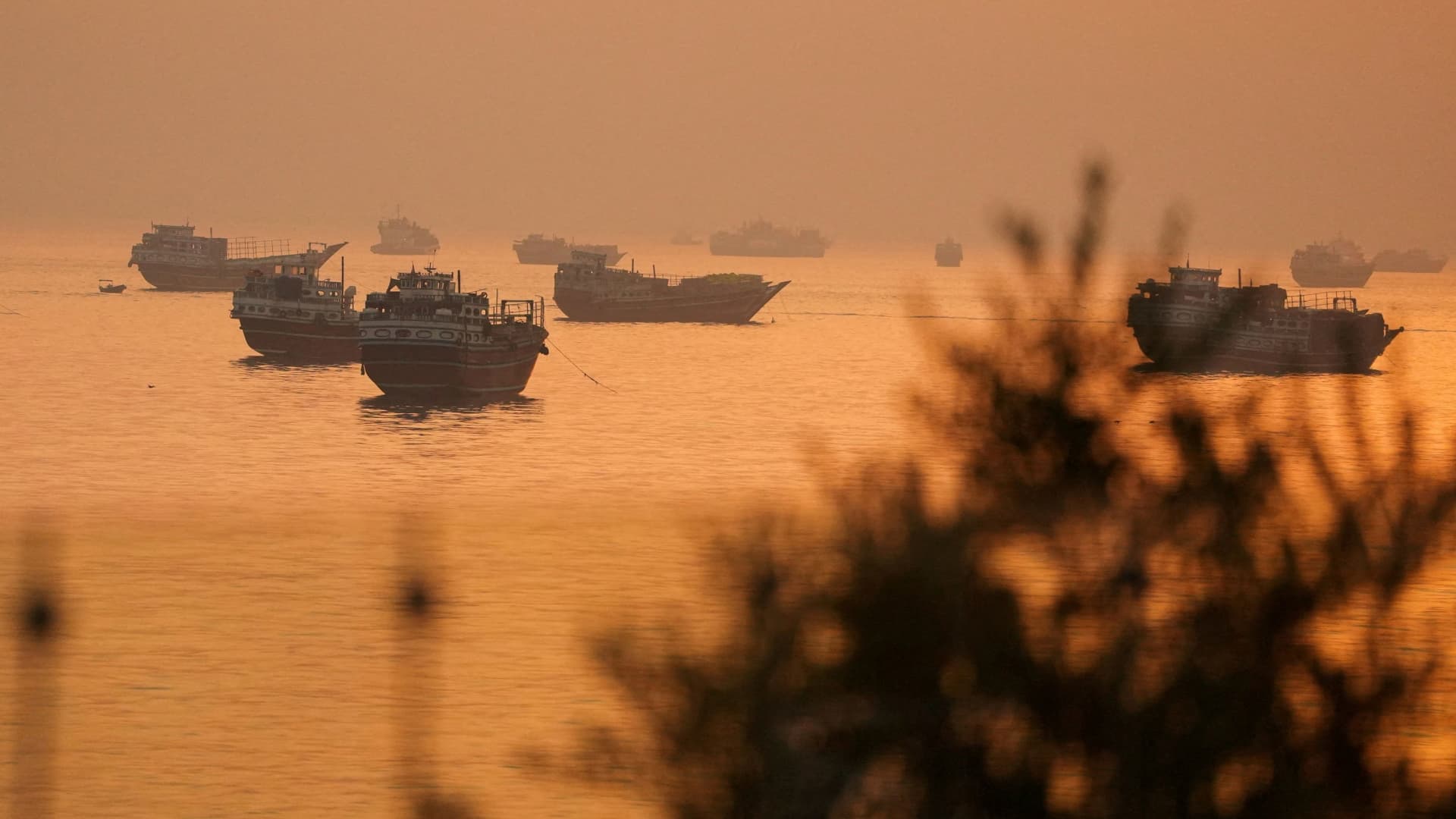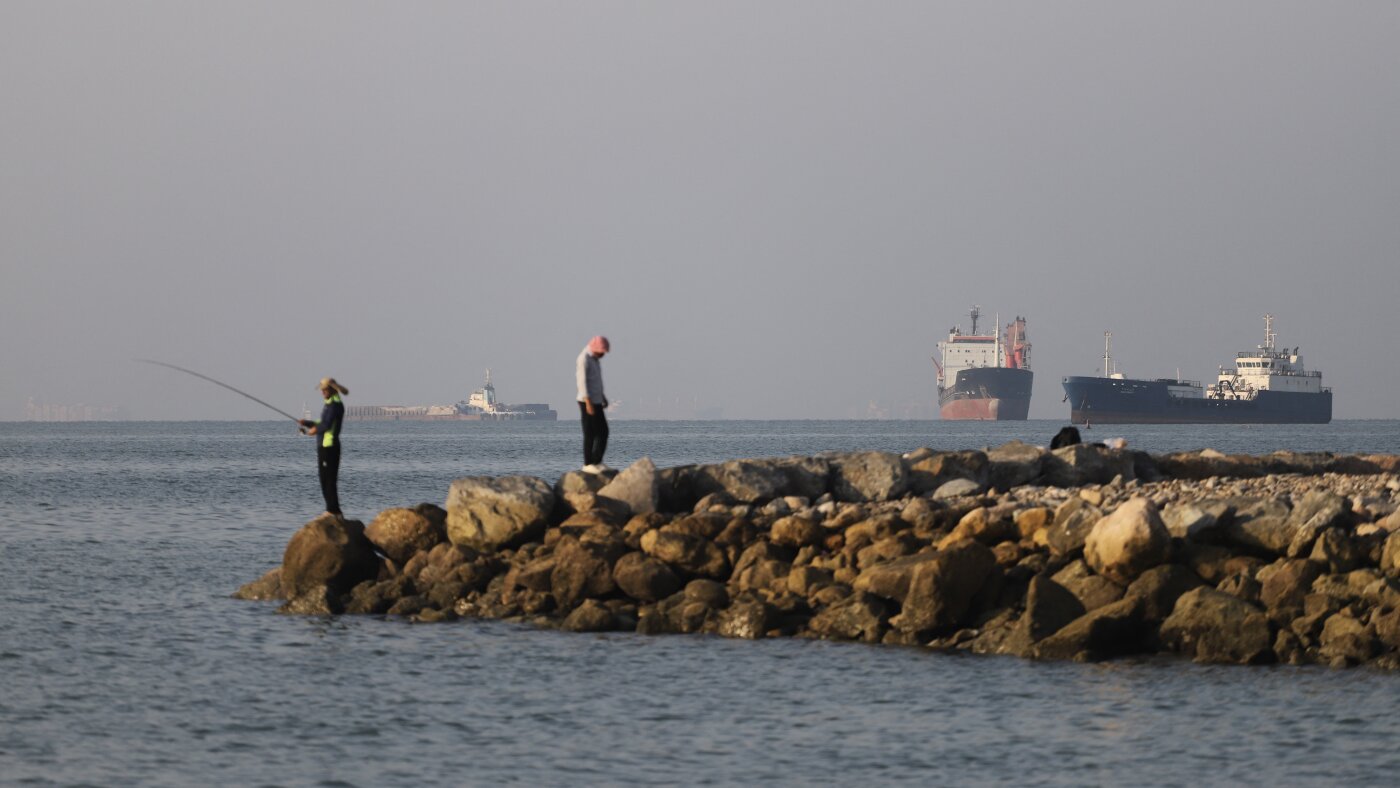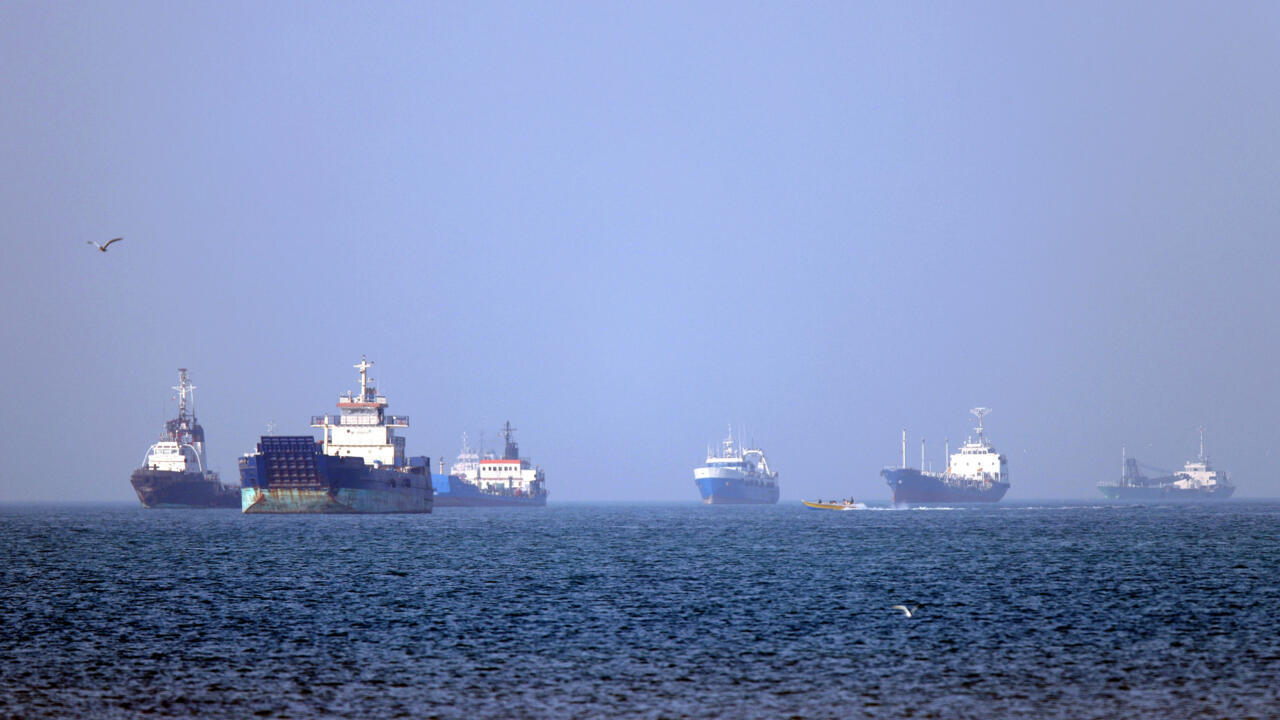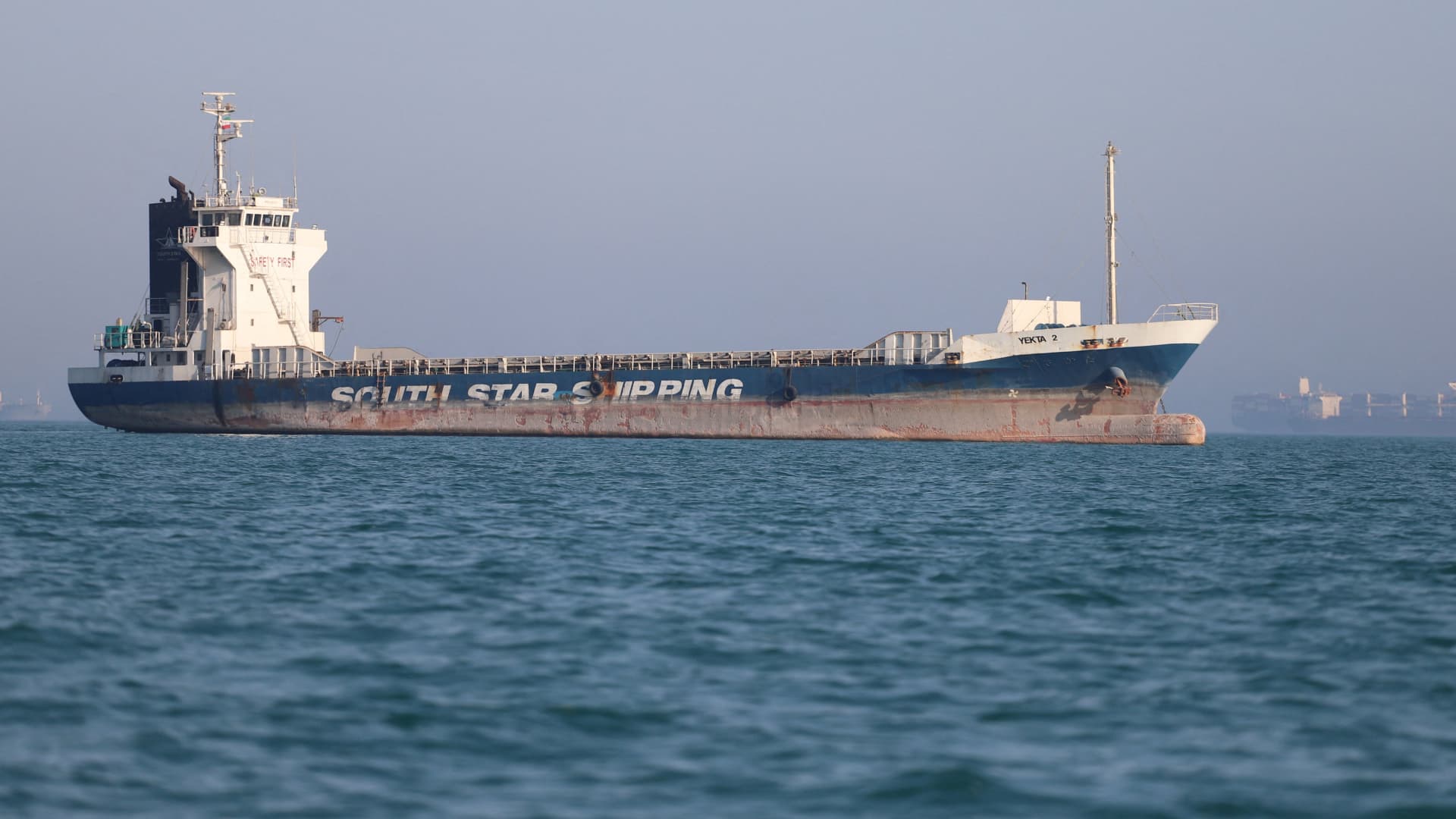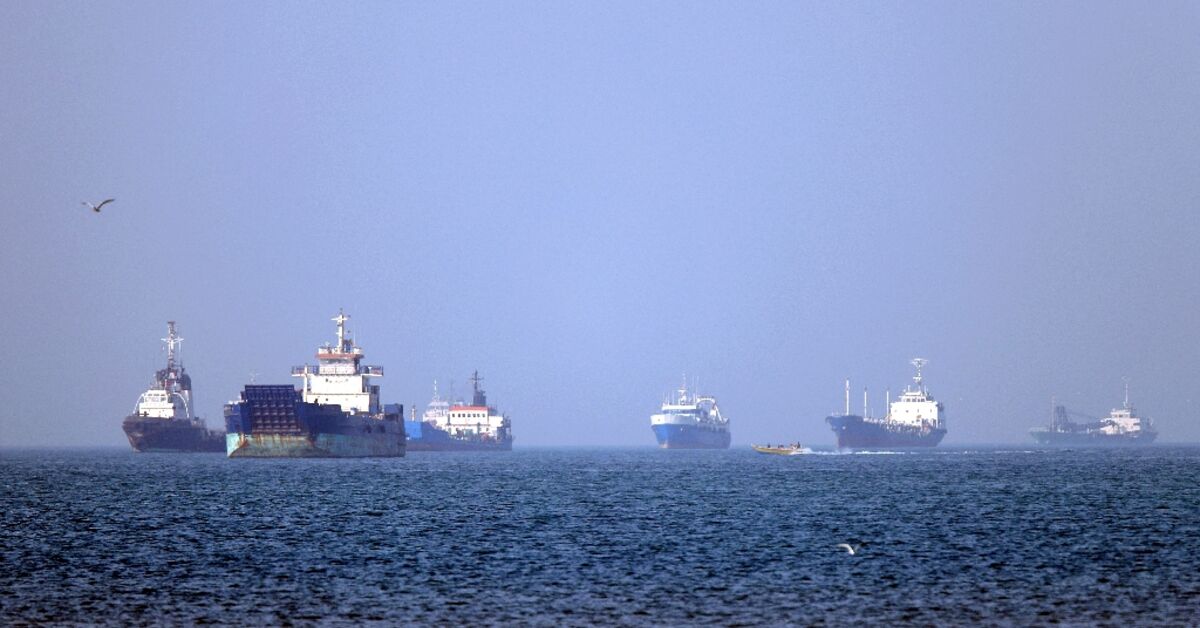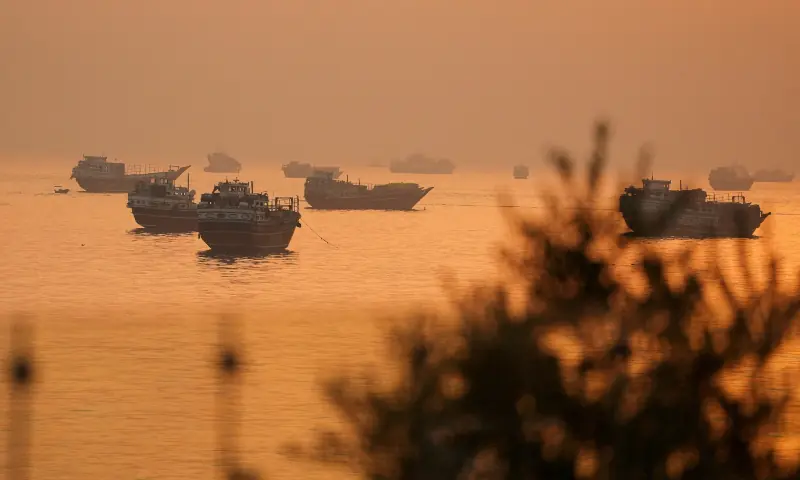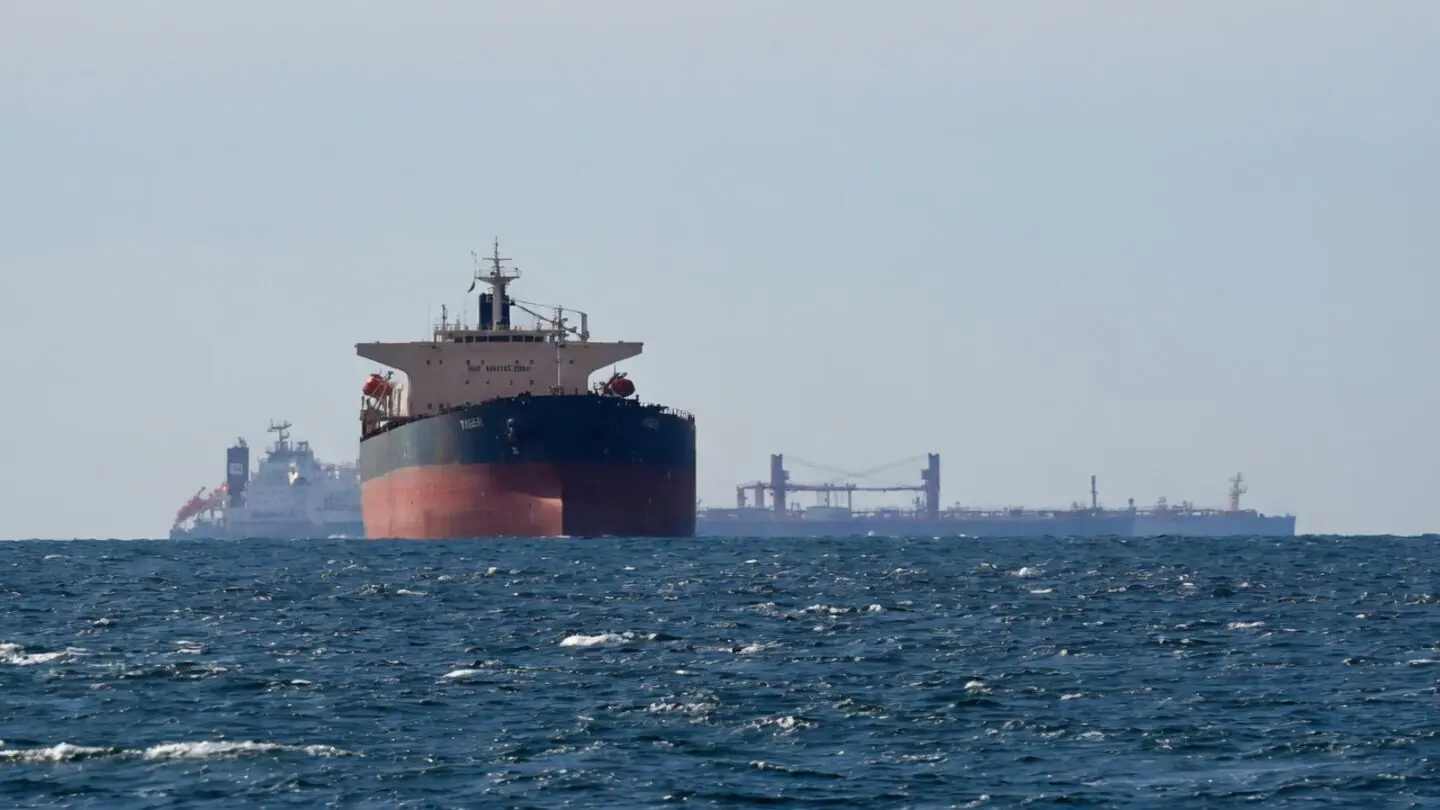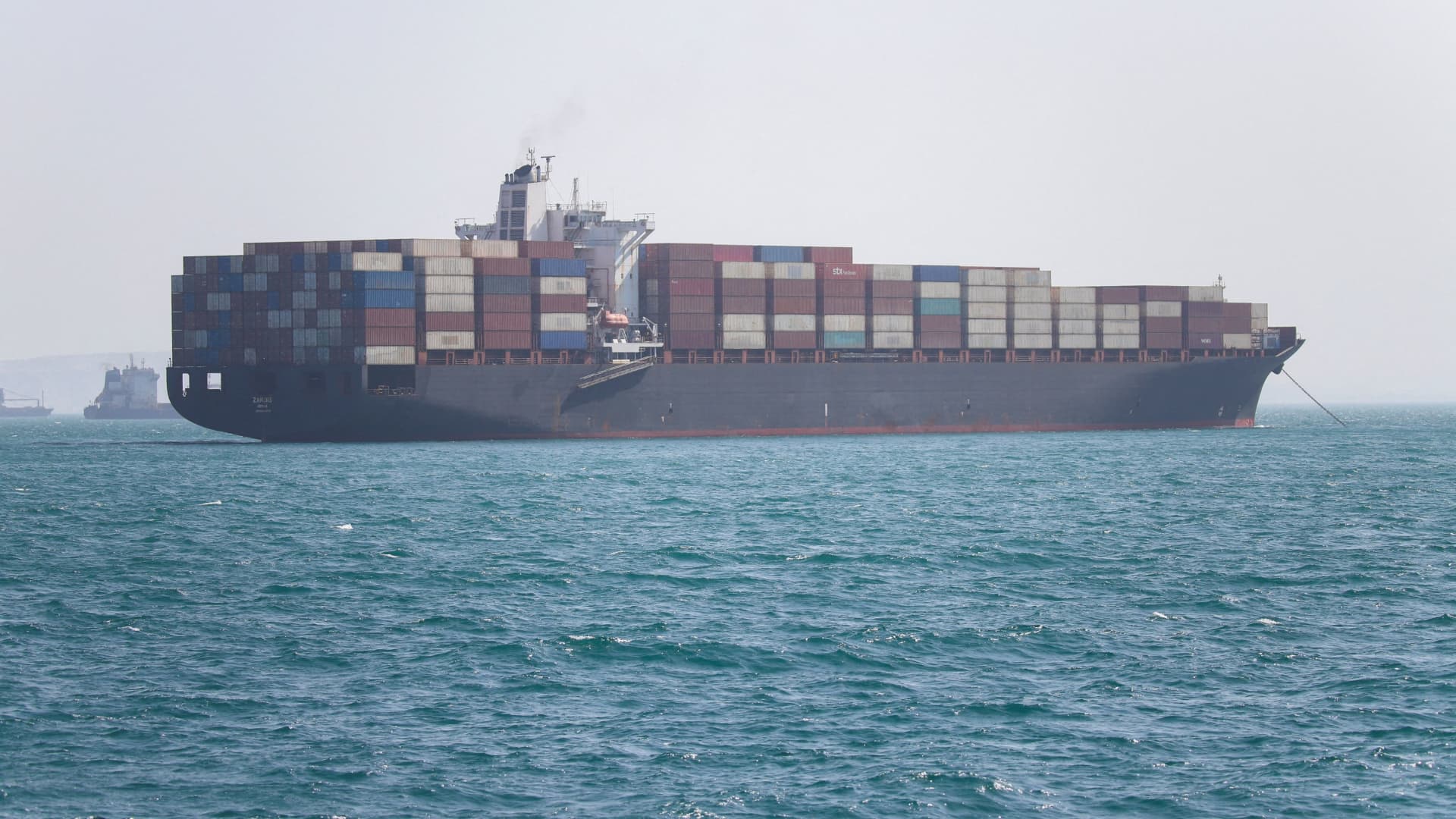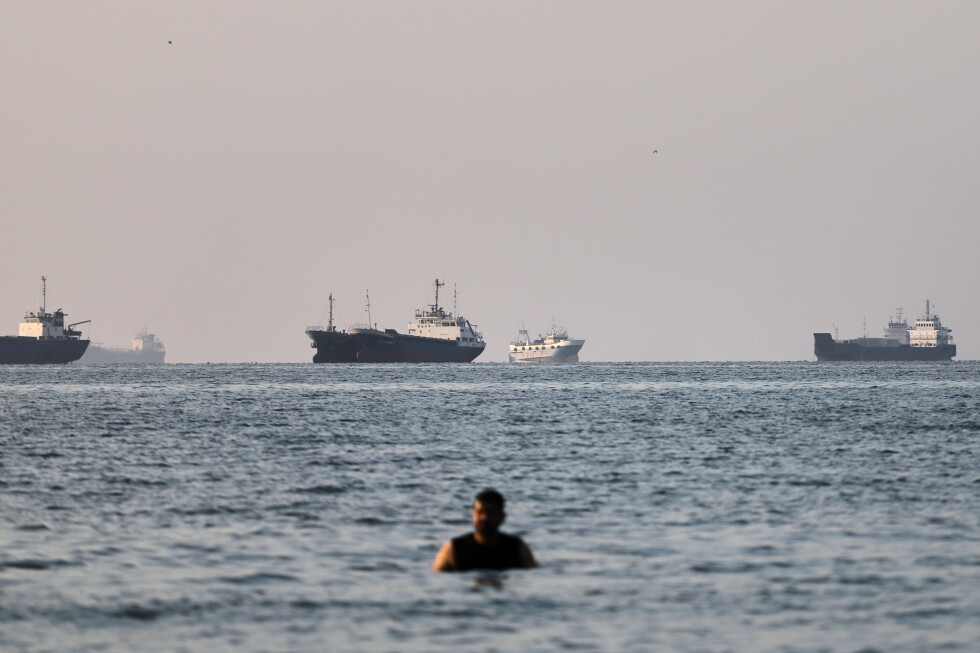
A person stands in shallow water as cargo and commercial vessels are anchored in the Strait of Hormuz off Bandar Abbas, Iran, Monday, June 8, 2026. (Amirhosein Khorgooi/ISNA via AP)
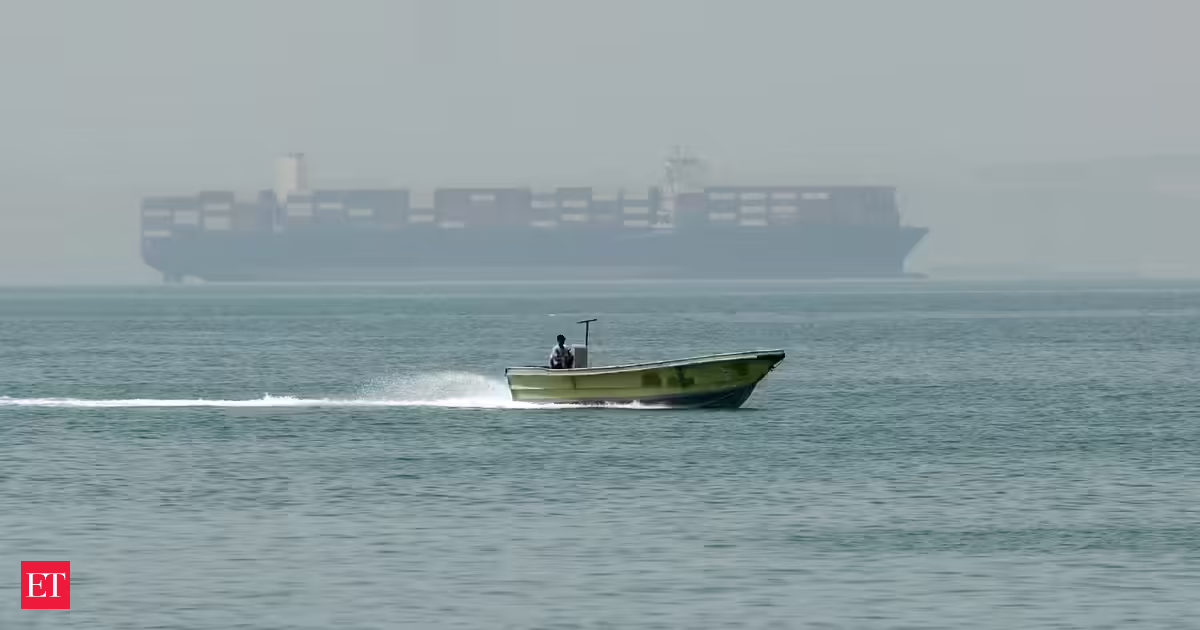
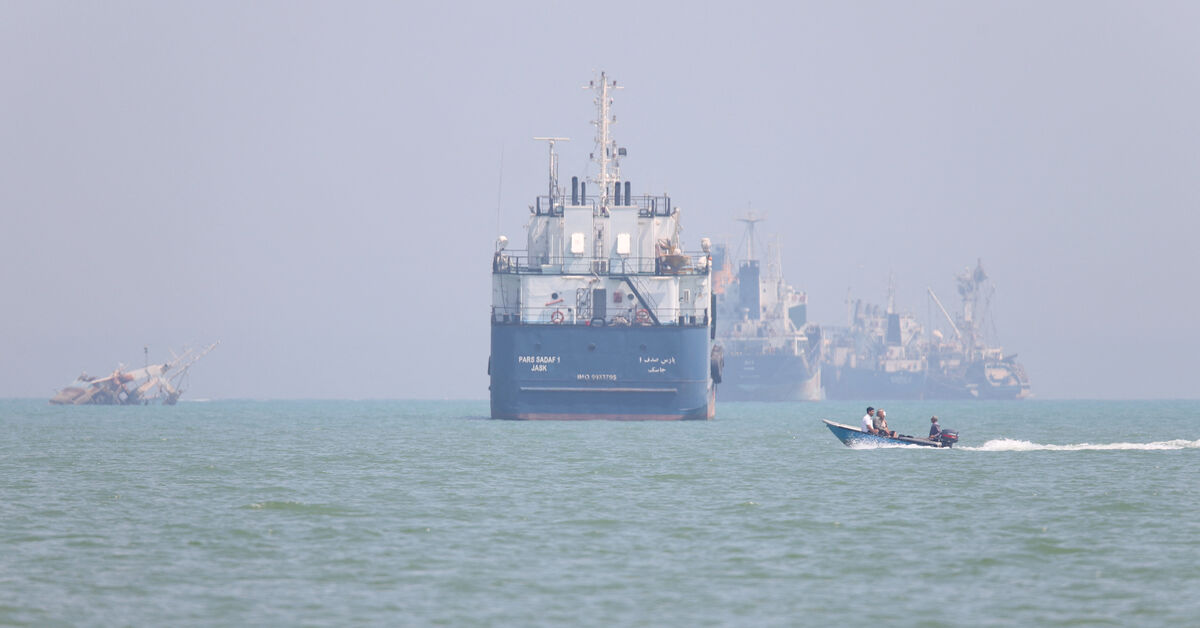
A small motorboat passes anchored vessels in the Strait of Hormuz off Bandar Abbas, Iran, Thursday, June 11, 2026.(Amirhosein Khorgooi/ISNA via AP)
A person sits in shallow water as cargo and commercial vessels are anchored in the Strait of Hormuz off Bandar Abbas, Iran, Monday, June 8, 2026. (Amirhosein Khorgooi/ISNA via AP)
FRANKFURT, Germany (AP) — The tentative agreement to end the war in Iran and reopen the Strait of Hormuz would be good news for the global economy. But even as the price of oil dropped Monday, many questions remained about when and how it would start flowing again through the world’s most vital artery for energy shipments.
Before the war, the strait carried a fifth of the world’s crude oil. Now, it will take time for hundreds of ships trapped in the Persian Gulf to exit through the narrow strait. And Gulf oil producers that throttled back production will need time to get the oil moving again. Analysts also say ship captains may take their time to decide if passage is safe and that the threat of attack from Iran has truly receded.