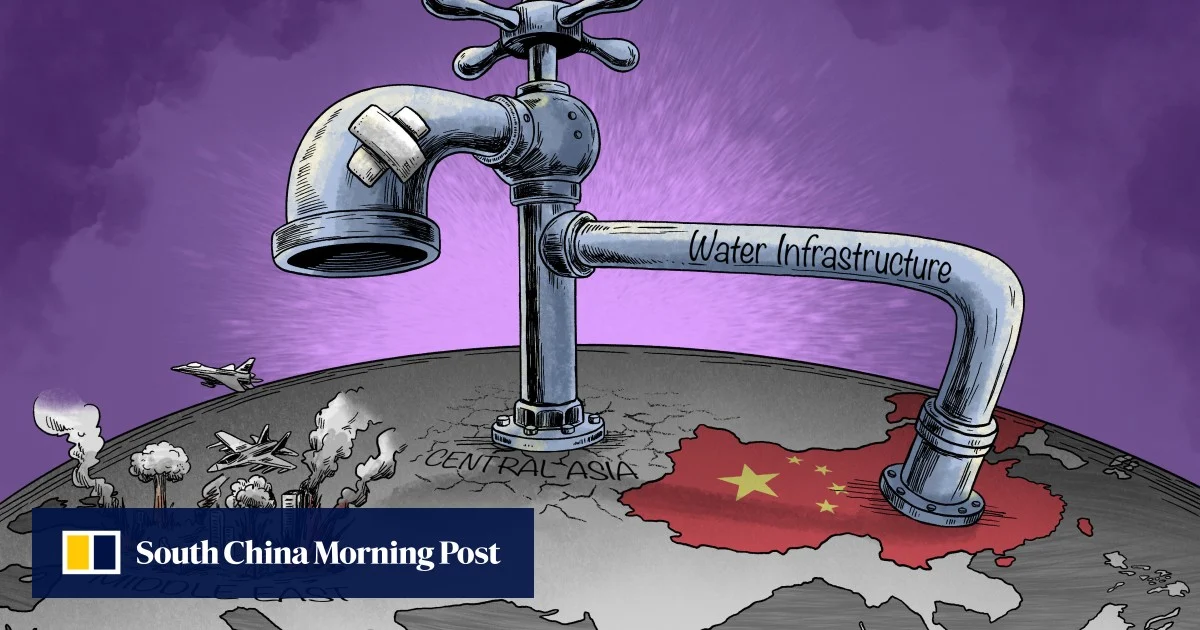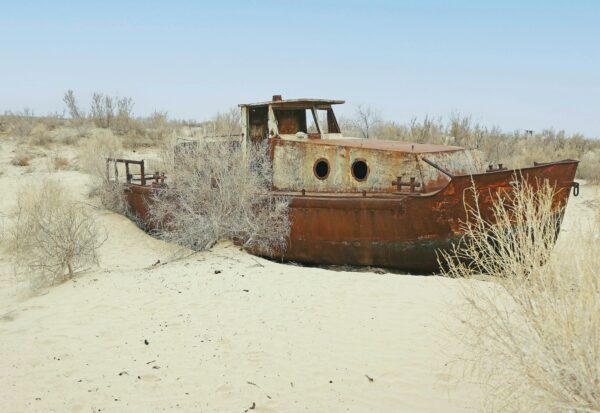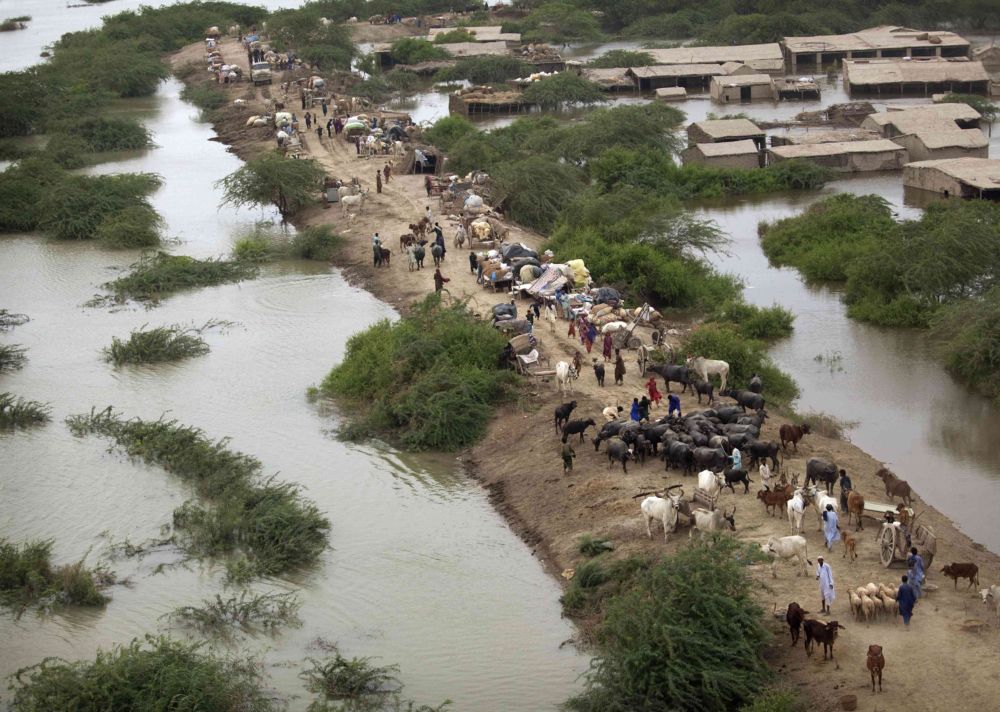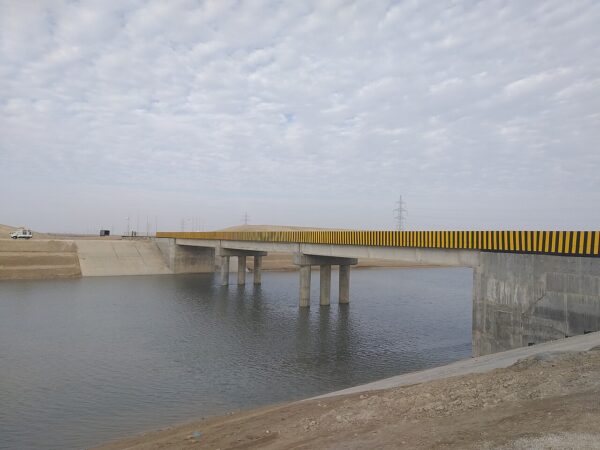
Situated at the headwaters of major river systems feeding Iran, Pakistan, Uzbekistan, and Turkmenistan, Afghanistan is the mountainous hydro-hub of Central and South Asia. Yet for decades, conflict froze the country’s development. Unable to build dams, canals, or modern irrigation networks, Afghanistan has historically consumed far less than its legitimate water share. Its downstream neighbors, in turn, grew structurally dependent on the unrestricted, natural flow of Afghan waters — a pattern they came to treat as permanent.
Today, this historical imbalance has hardened into a hydro-political trap, squeezing Afghanistan between two opposing structural pressures. On one side lies downstream dependency. Because its neighbors rely on unregulated river flows, any unilateral Afghan attempt to develop water infrastructure is instantly perceived as a threat, risking regional destabilization. On the other side lies Afghanistan’s domestic financial and technical void. Lacking capital, advanced engineering expertise, and high-quality construction capacity, the country faces a high risk of building inefficient systems that lead to water loss and long-term ecological damage.
Doing nothing is impossible; it condemns millions of Afghans to perpetual poverty and food insecurity. Yet doing something — especially unilaterally — could ignite regional confrontation.