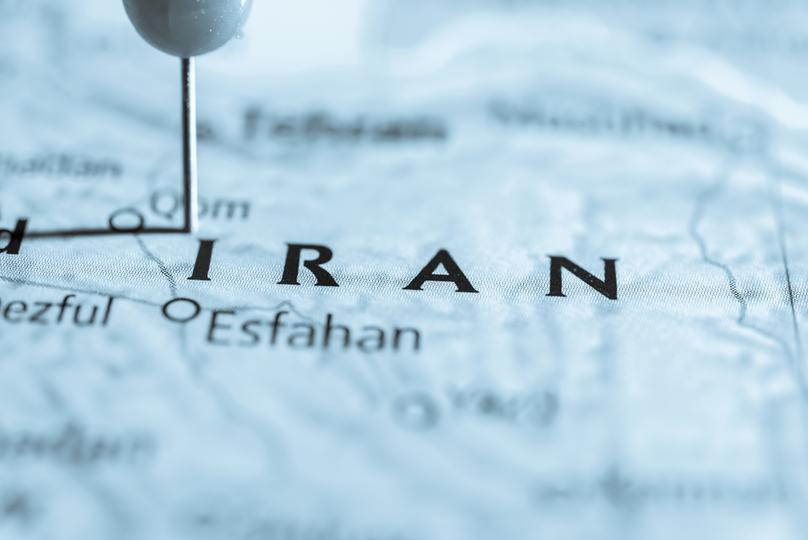
Crude oil just had its worst stretch in months, and for once, the reason is good news. The prospect of an interim US-Iran agreement designed to cool hostilities and reopen the Strait of Hormuz, arguably the most strategically important chokepoint for global energy trade, has sent oil prices tumbling and lifted risk assets across the board.
Between June 12 and June 15, West Texas Intermediate crude settled at roughly $84.88 per barrel, a 3.2% decline. Brent crude fared slightly worse, dropping 3.4% to around $87.33. Both benchmarks hit multimonth lows after flirting with $100 during the height of the conflict earlier this year.
The geopolitical risk premium is deflating
Oil prices surged more than 20% following late February 2026 escalations in the US-Iran conflict. That rally wasn’t driven by fundamentals alone. It was driven by the very real possibility that the Strait of Hormuz, through which roughly a fifth of the world’s oil passes daily, could become a flashpoint for direct military confrontation.
Now that diplomatic channels appear to be producing results, that fear premium is unwinding. From peak to trough, crude has given back more than 20% of its conflict-driven gains, essentially erasing the war premium that had built up over several months of escalation.