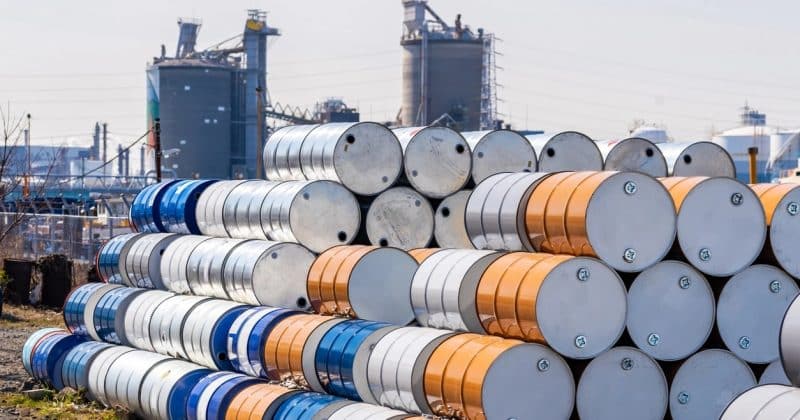
Crude oil prices took a beating after reports surfaced suggesting a possible US-Iran deal, with both Brent and WTI futures falling sharply as traders reassessed the risk of supply disruptions in the Middle East.
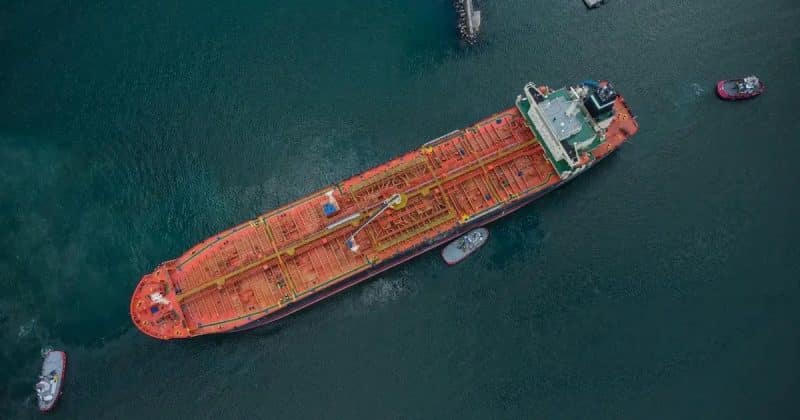
The selloff reflects a market that had been pricing in sustained geopolitical tension, particularly around the Strait of Hormuz, the narrow waterway through which roughly a fifth of the world’s oil passes daily.
What happened and how deep the cuts went
The initial wave of selling hit on May 6, when an Axios report indicated that US-Iran peace talks were progressing. Brent crude dropped nearly 8% to around $101 a barrel. WTI fared even worse, plunging as much as 11% intraday.
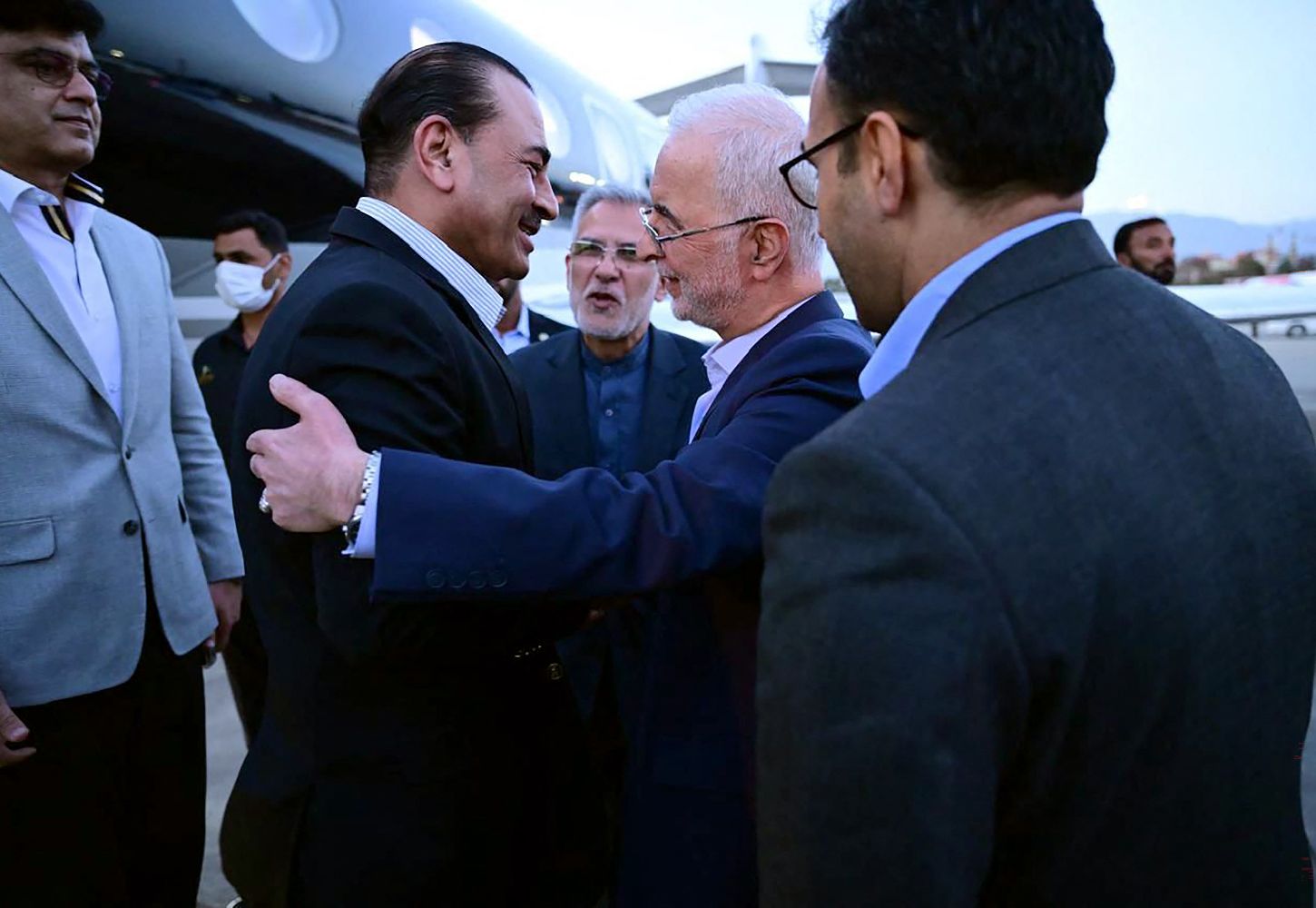
President Trump’s subsequent remarks confirming ongoing negotiations only added fuel to the downward momentum. Through mid-May, crude continued trading in a volatile downtrend, with prices sliding an additional 2-6% as news trickled out about final-stage negotiations.