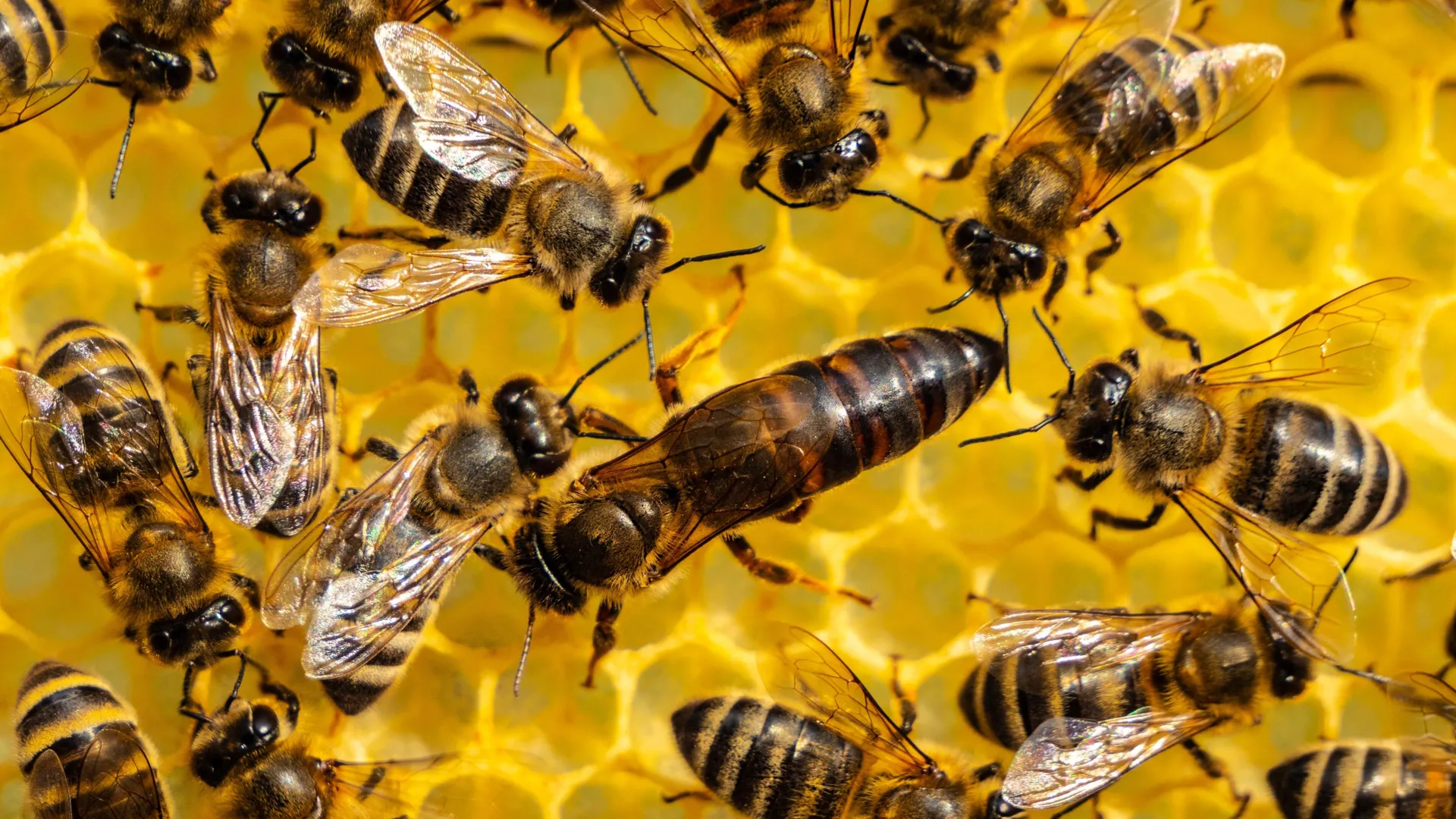
Honeybee queens come from the same ordinary fertilized female eggs as worker bees. So how does one bee become a queen rather than just another worker? Until now, scientists believed it was solely because the chosen bee was served a special diet.
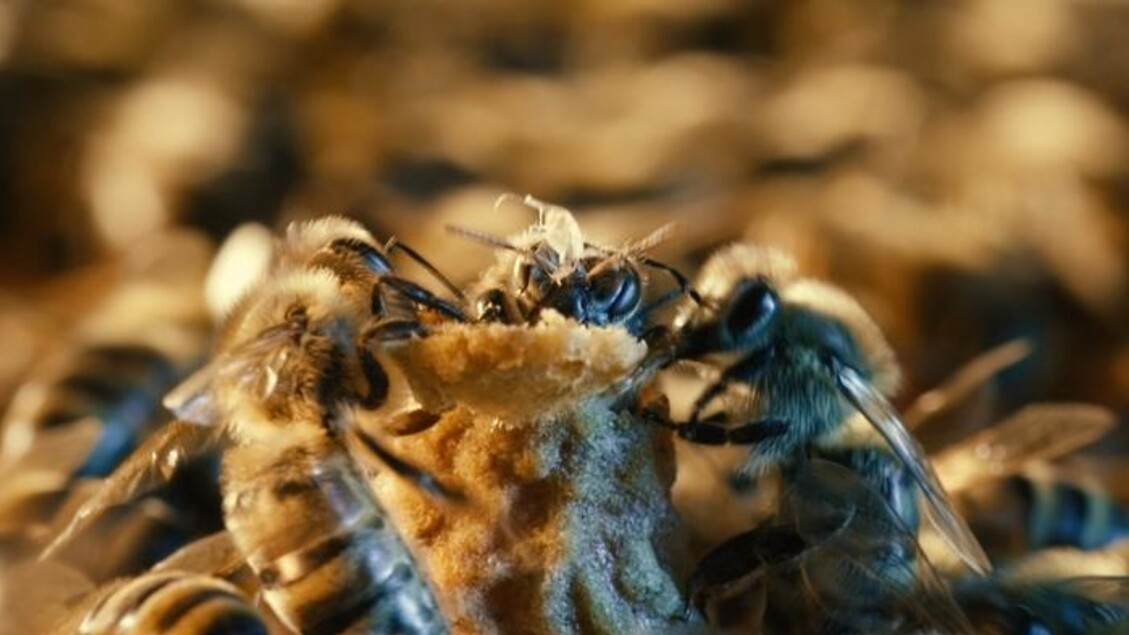
New research indicates that another critical factor is at play — the nature of the wax chamber built for her by the cadre of all-female worker bees. While these workers provide the future queen a nutrient-rich substance called royal jelly that they secrete, the larval development chamber that they build for her also has unique physical and chemical qualities. "A royal diet means nothing without a royal palace," said Kai Wang, a scientist with the Institute of Apicultural Research at the Chinese Academy of Agricultural Sciences and one of the leaders of the study published in the journal Nature.
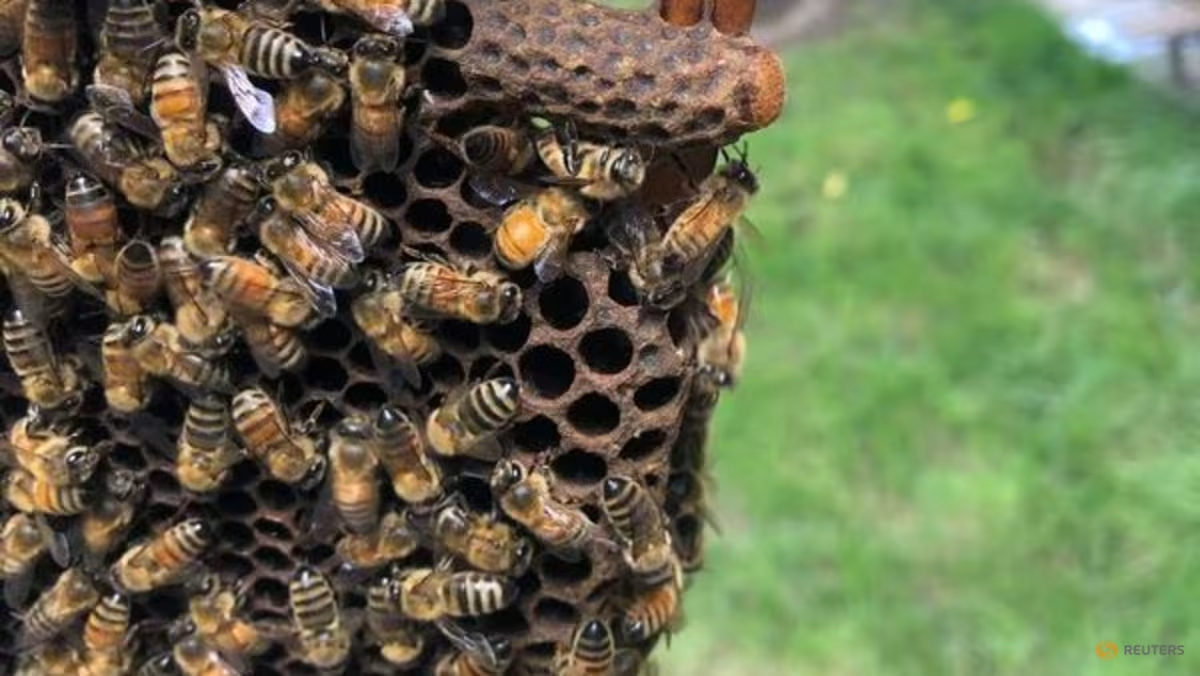
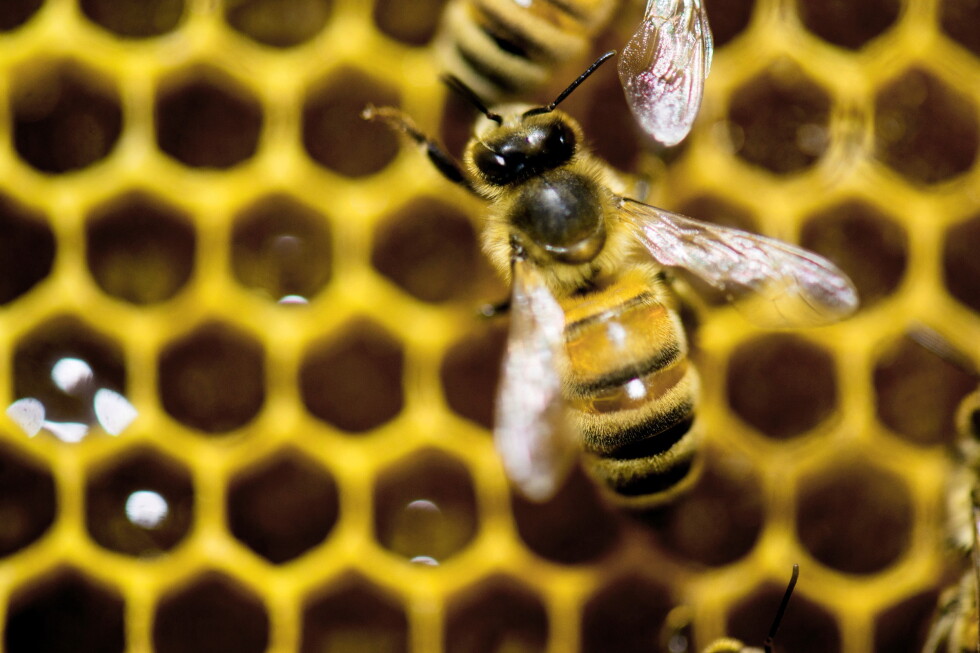
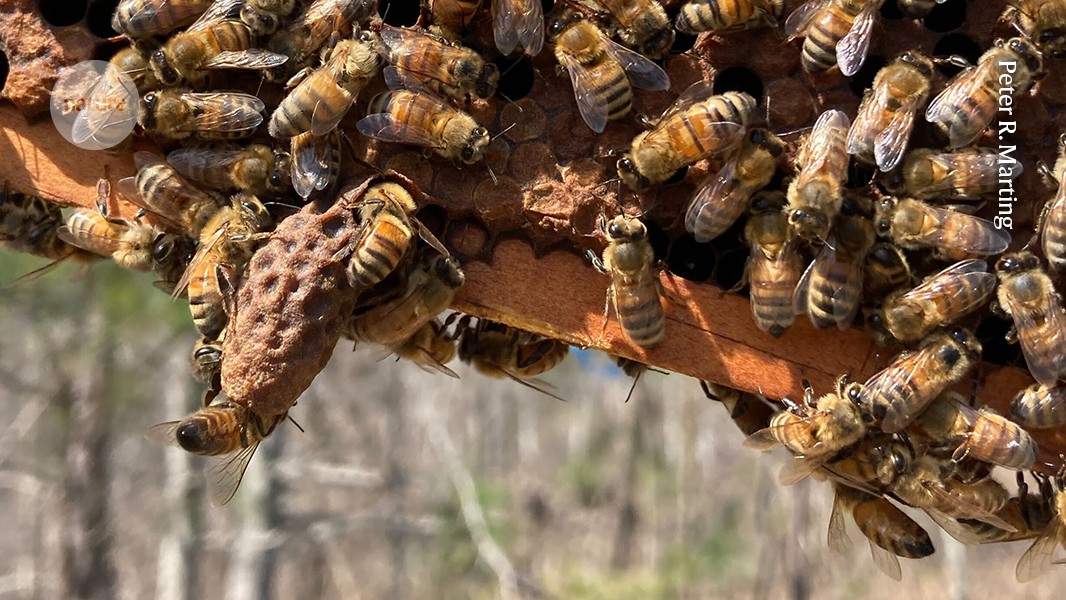
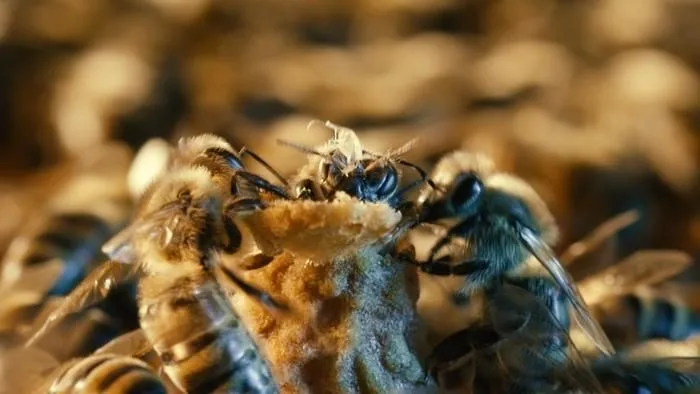
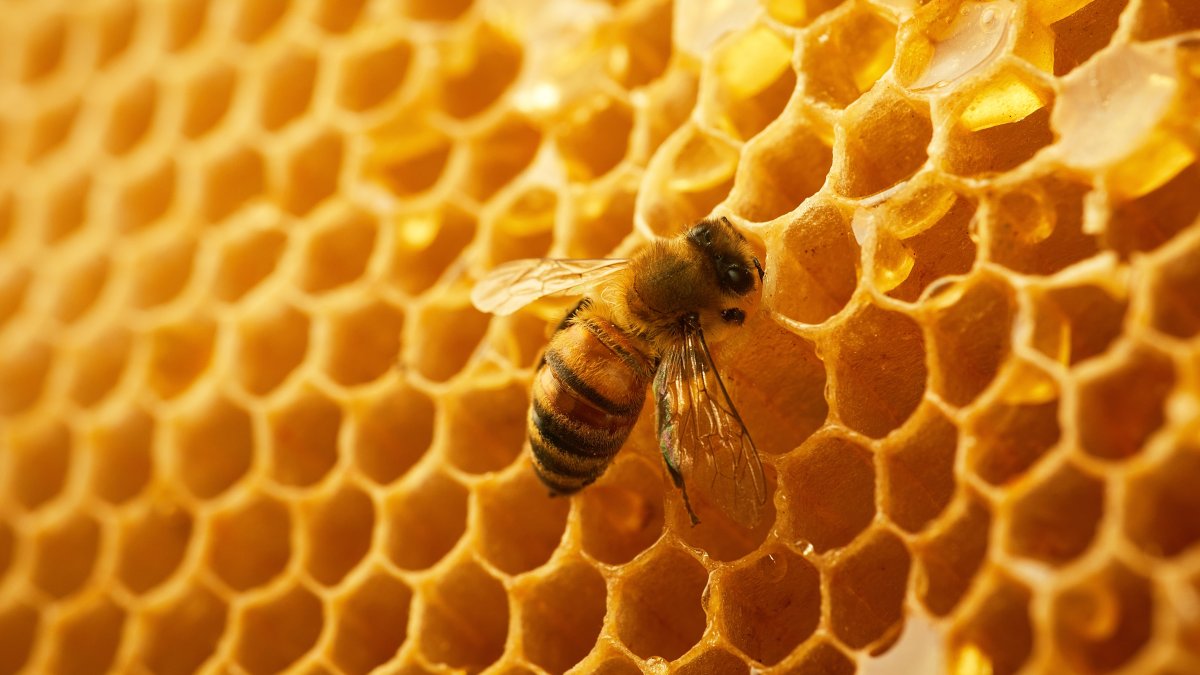
Most of a honeybee nest is built from wax secreted by the female workers and shaped into neat hexagonal cells, with some cells used to store food and others to rear offspring. But colonies also build a third kind of chamber for future queens, resembling peanut shells that hang downward from the comb. Long noticed by beekeepers as signs of swarming or queen replacement, they were often treated as passive containers.