For many years, scientists believed the recipe for creating a queen honeybee was straightforward: give a developing larva plenty of royal jelly, and it becomes the colony's ruler.
A new study suggests the reality is far more complex.
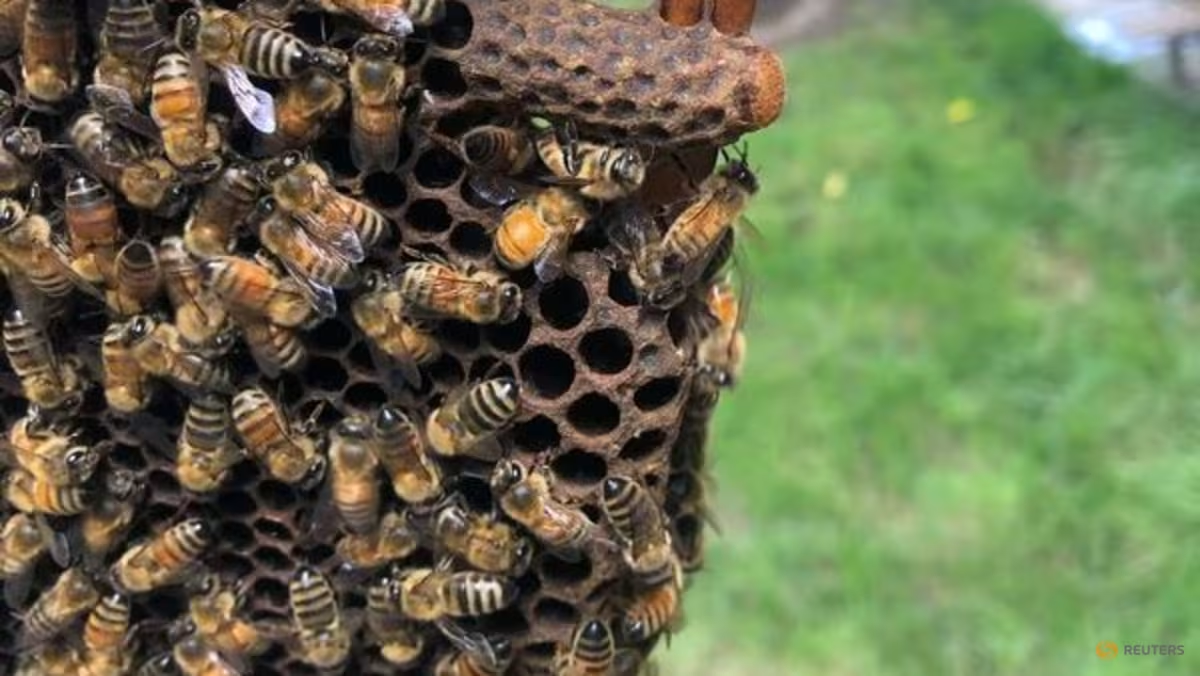
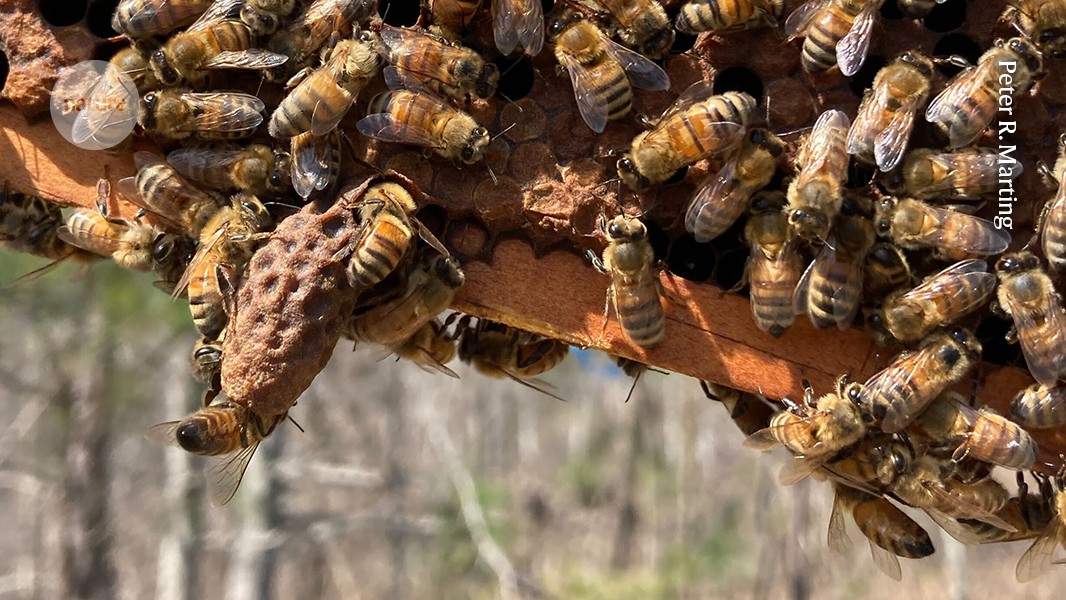
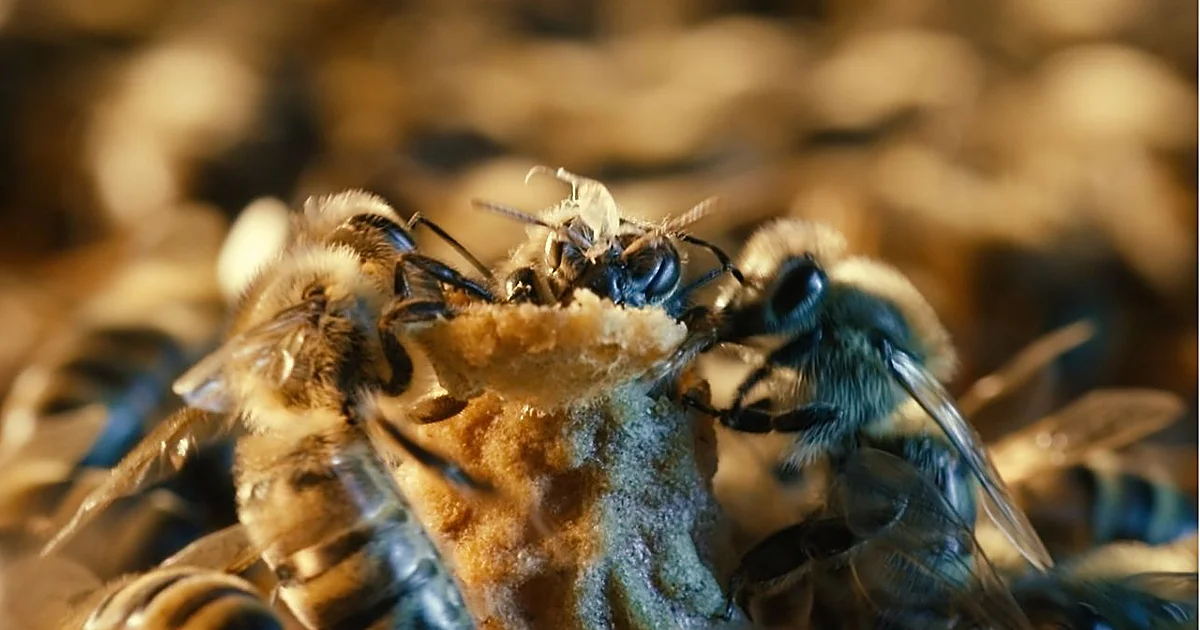
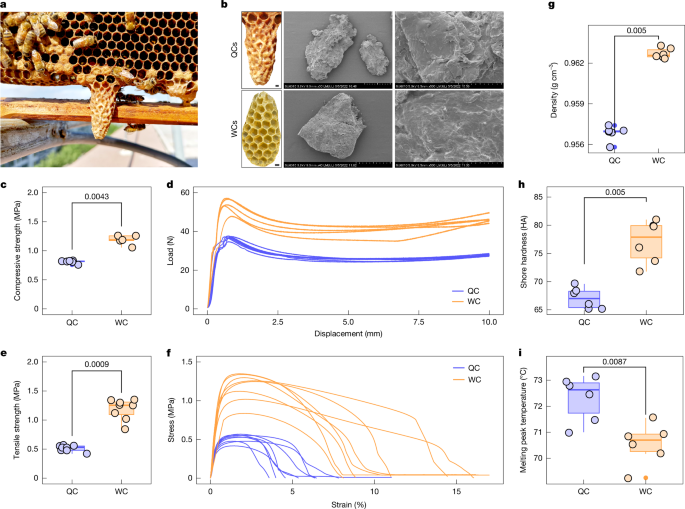
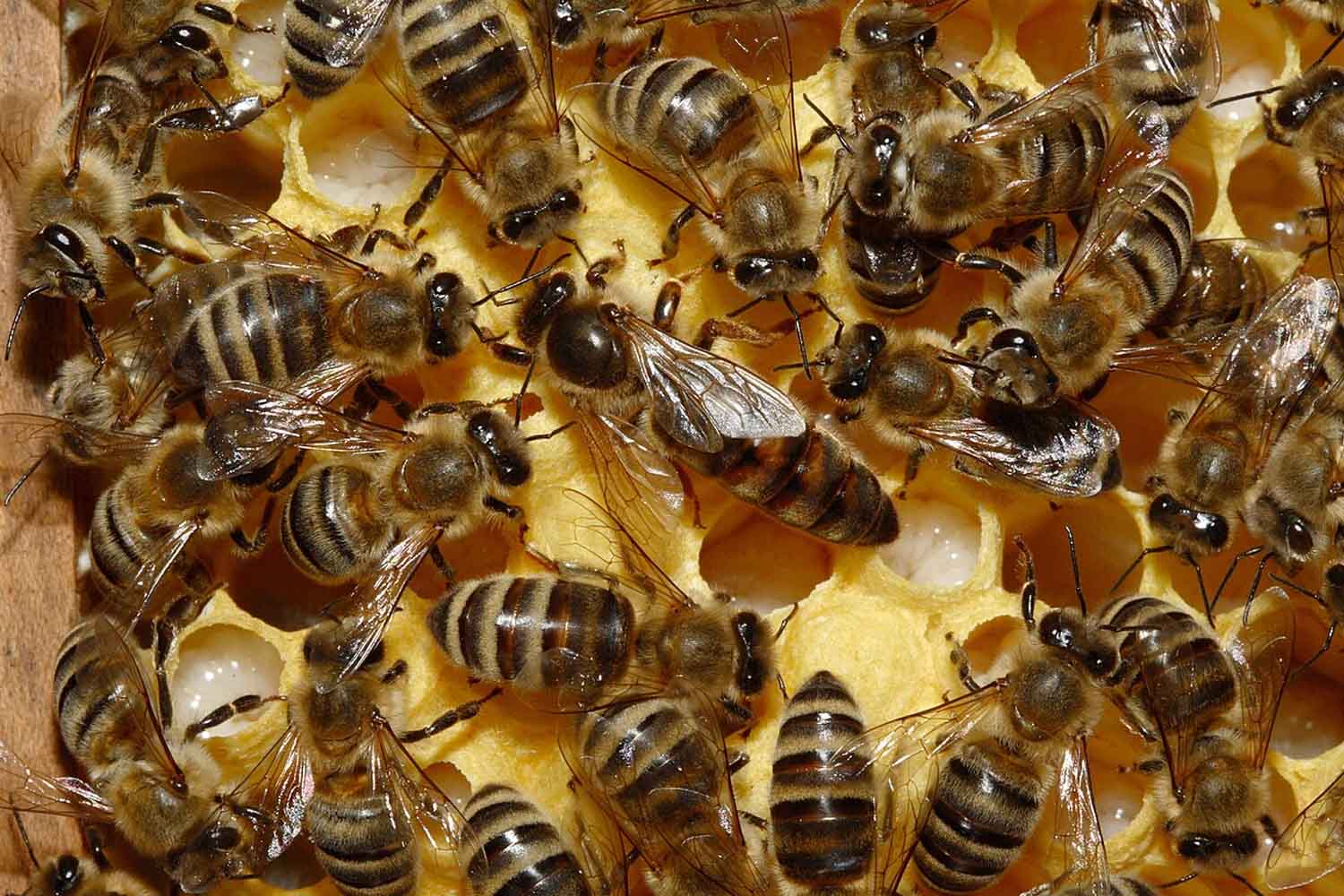
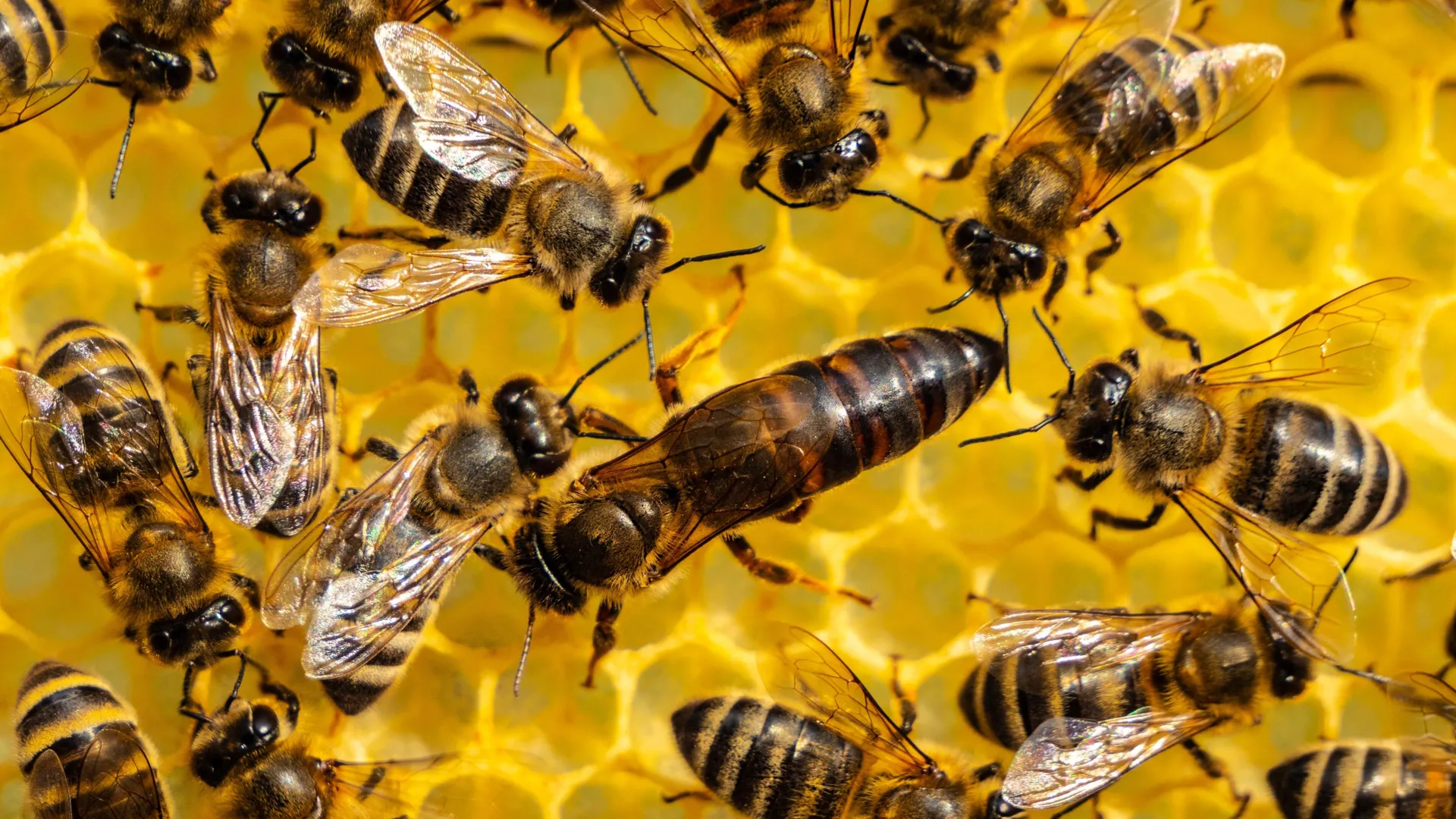
Researchers have discovered that future queens are raised inside specially designed nursery chambers built by young worker bees. These chambers provide unique wax, warmer conditions, and dedicated care that help guide a larva's development into a healthy queen.
The findings, published in the journal Nature, show that the structures known as queen cells, sometimes called "royal cribs," are much more than protective containers. They are carefully constructed environments that play a critical role in queen development. The research team also identified a previously unknown group of young worker bees called "queen cell builders" that appear specially suited for creating and maintaining these chambers.
"The old idea was relatively simple: take an egg, move it into a queen cell, feed it royal jelly, and you get a queen," said Boris Baer, entomologist and director of the Center for Integrative Bee Research (CIBER) at the University of California, Riverside, whose laboratory contributed to the work. "What we found is that there's an entire machinery behind this process. It's much more sophisticated than we imagined."