view more
For generations, scientists believed a queen honeybee was made almost entirely by diet: feed an ordinary larva enough royal jelly and a ruler emerges. But new research suggests queens are created through a more elaborate process.
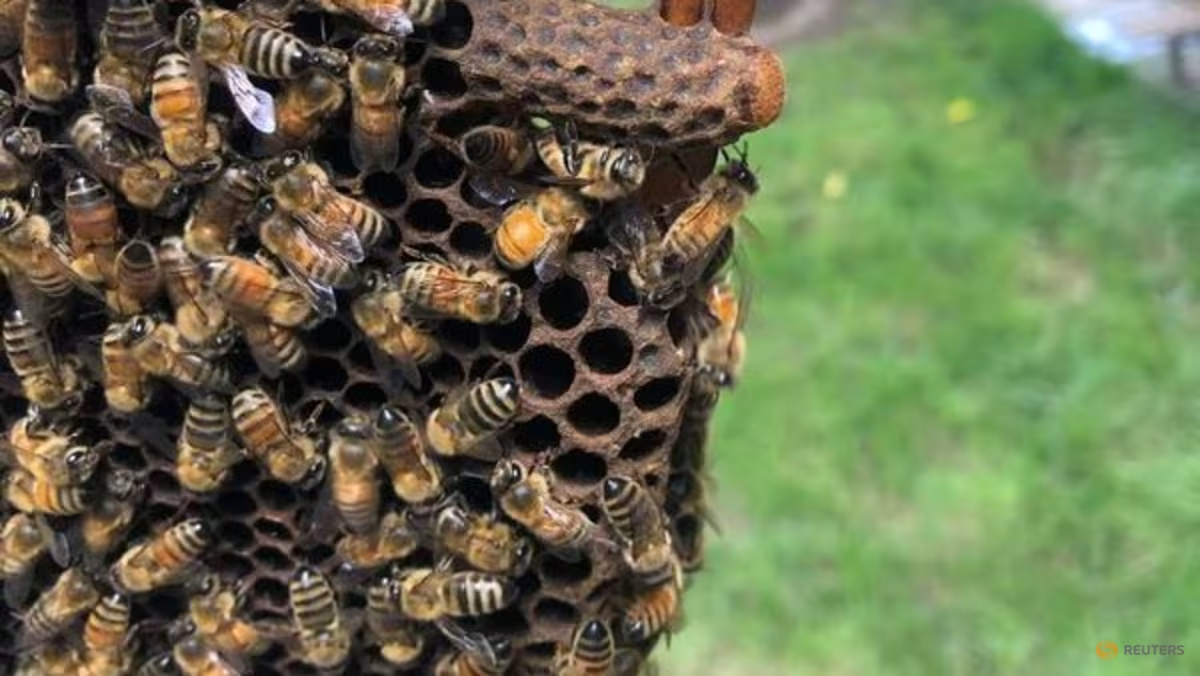
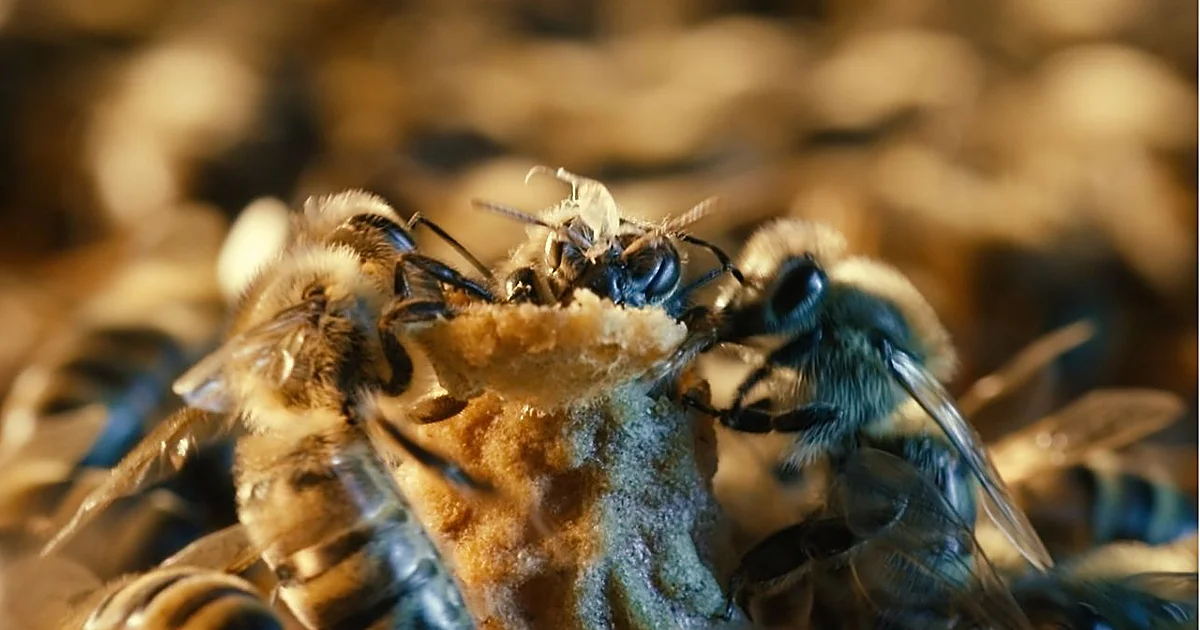
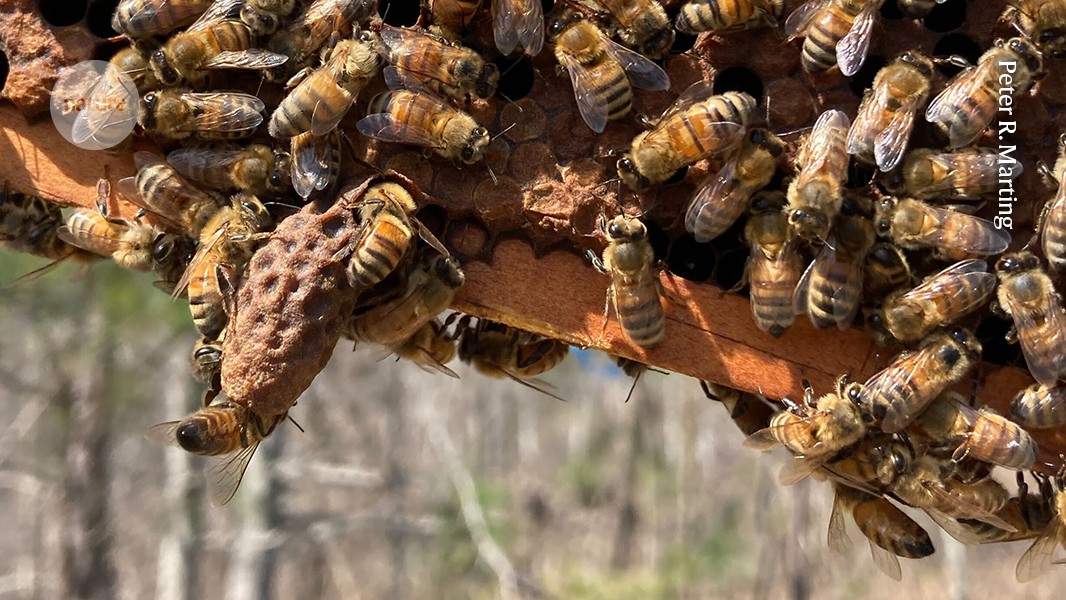
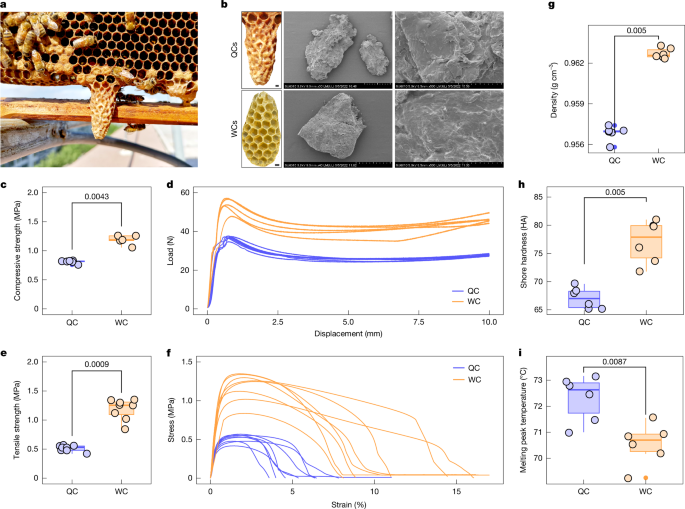
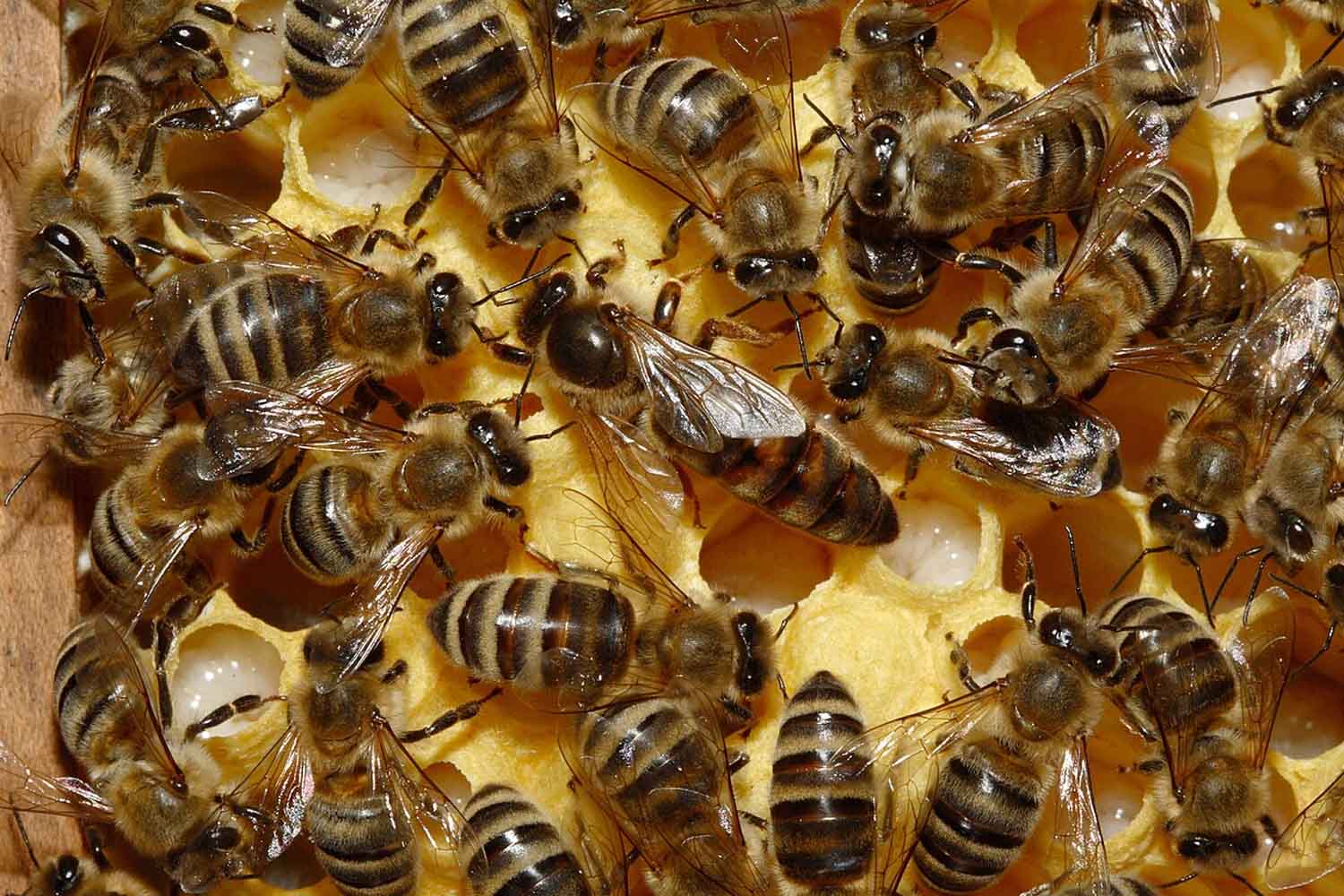
Young worker bees construct specialized nursery chambers complete with custom wax, warmer temperatures, and devoted attendants that help determine whether a larva becomes royalty.
Published today in the journal Nature, the study found that wax chambers where future queens develop, called queen cells or “royal cribs,” are not simply protective shelters, but carefully engineered environments essential to producing healthy queens. Researchers identified a previously unrecognized class of young worker bees dubbed “queen cell builders” that appear uniquely adapted for the task.
“The old idea was relatively simple: take an egg, move it into a queen cell, feed it royal jelly, and you get a queen,” said Boris Baer, entomologist and director of the Center for Integrative Bee Research (CIBER) at the University of California, Riverside, whose laboratory contributed to the work. “What we found is that there’s an entire machinery behind this process. It’s much more sophisticated than we imagined.”