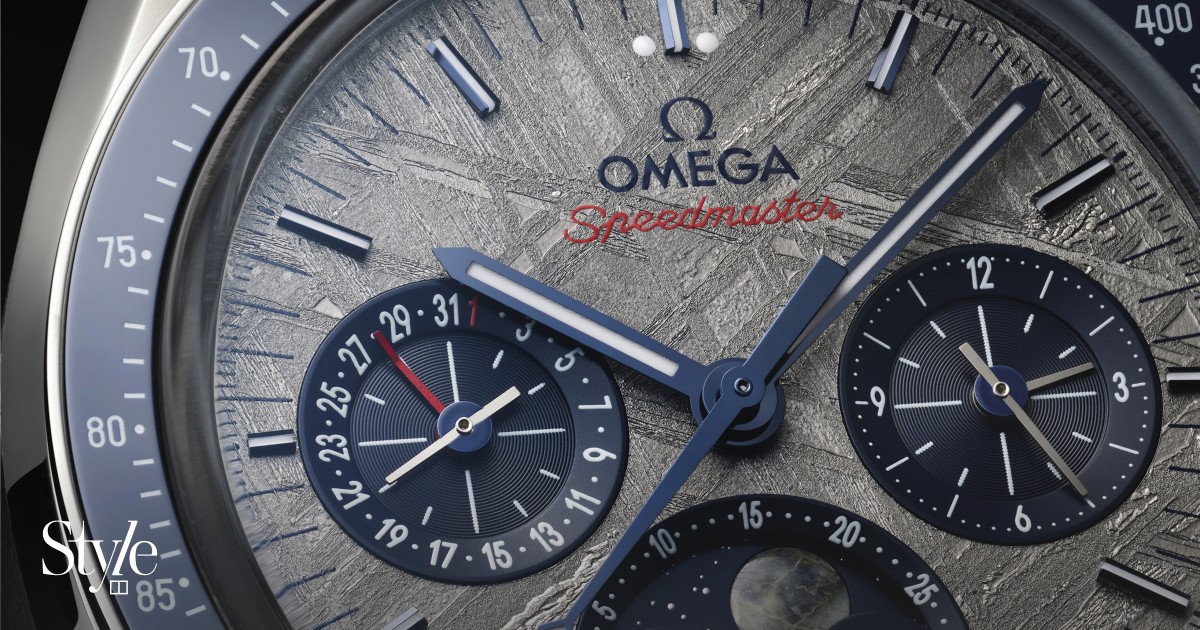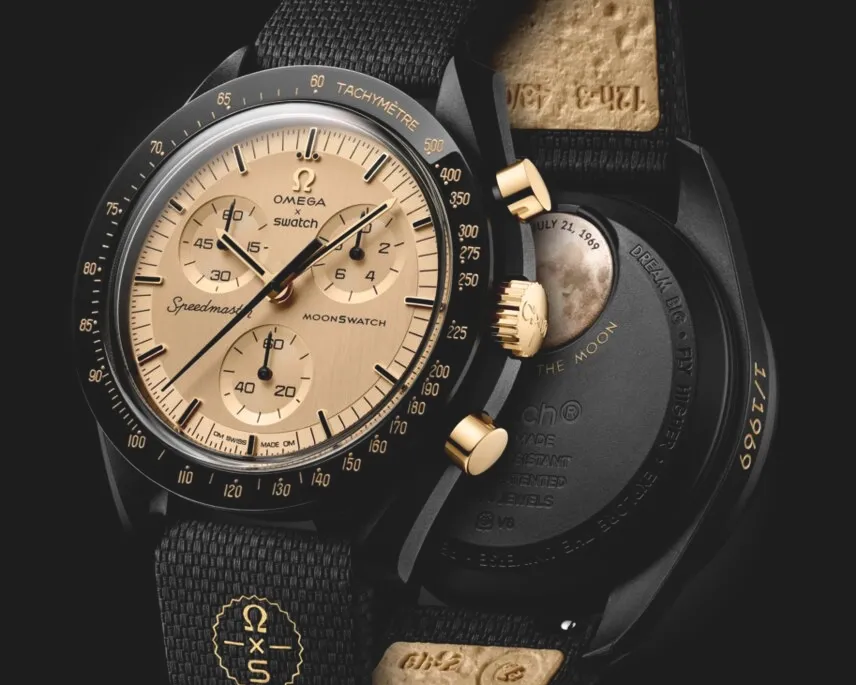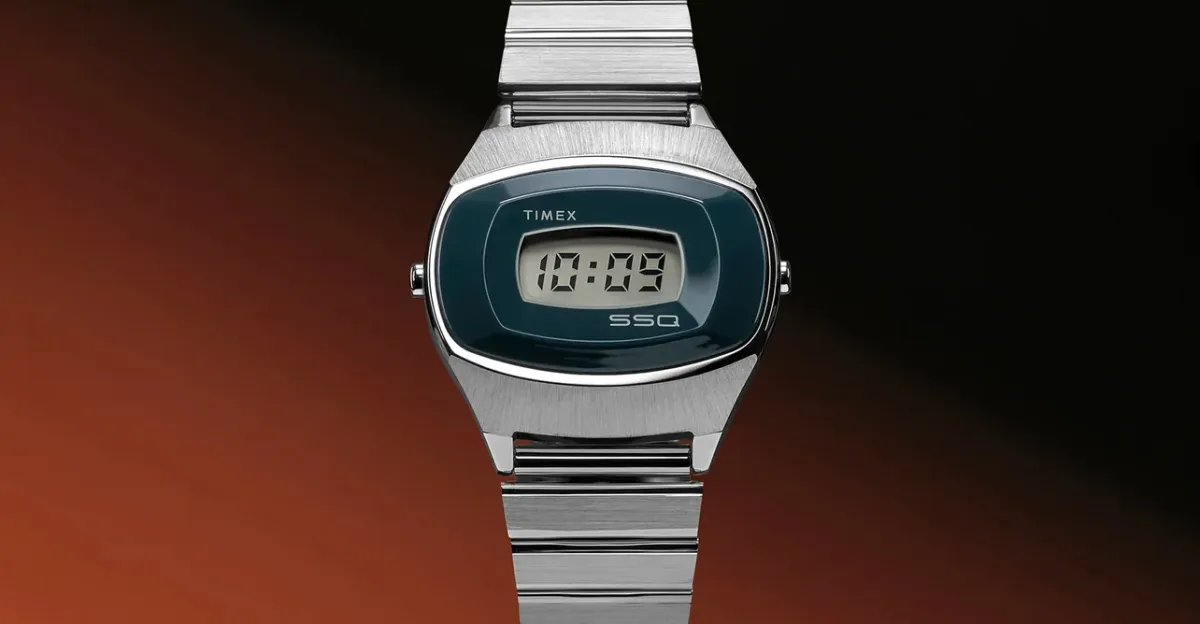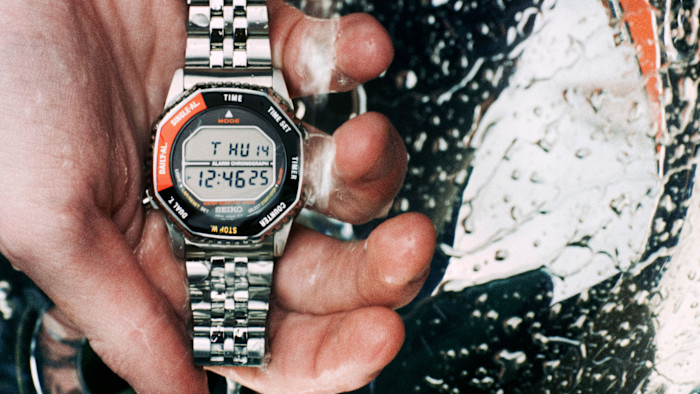
When Artemis II made its journey to the moon and back in April, the astronauts were all sporting a familiar timepiece. A titanium digital-analogue style, the Omega Speedmaster X-33 has been part of Nasa’s space missions since 1998, but its recent reappearance is noteworthy not only because of the watch’s pedigree, but also because quartz-driven digital watches are having a comeback.
“The new generation simply has no stigma around quartz and digital,” says Geneva-based vintage watch dealer Andrey Kumechko. “They grew up with digital, so for them it’s a legitimate aesthetic. There’s also the Y2K and ’80s nostalgia wave playing a big role – just think of Stranger Things.”
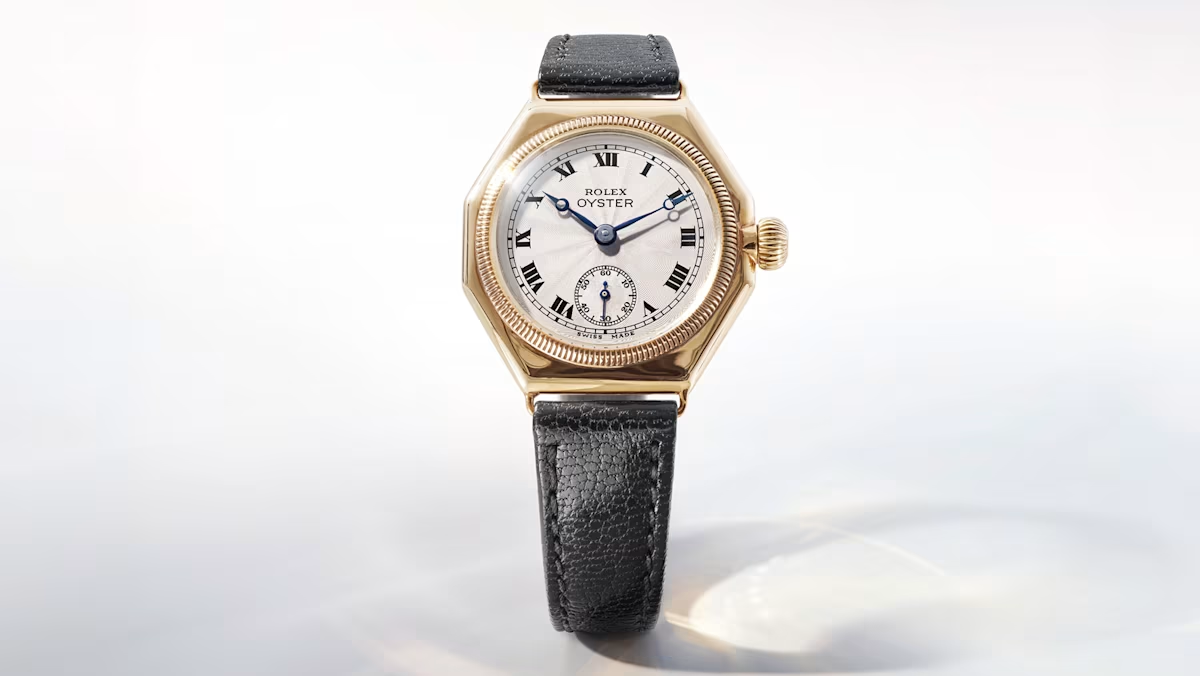
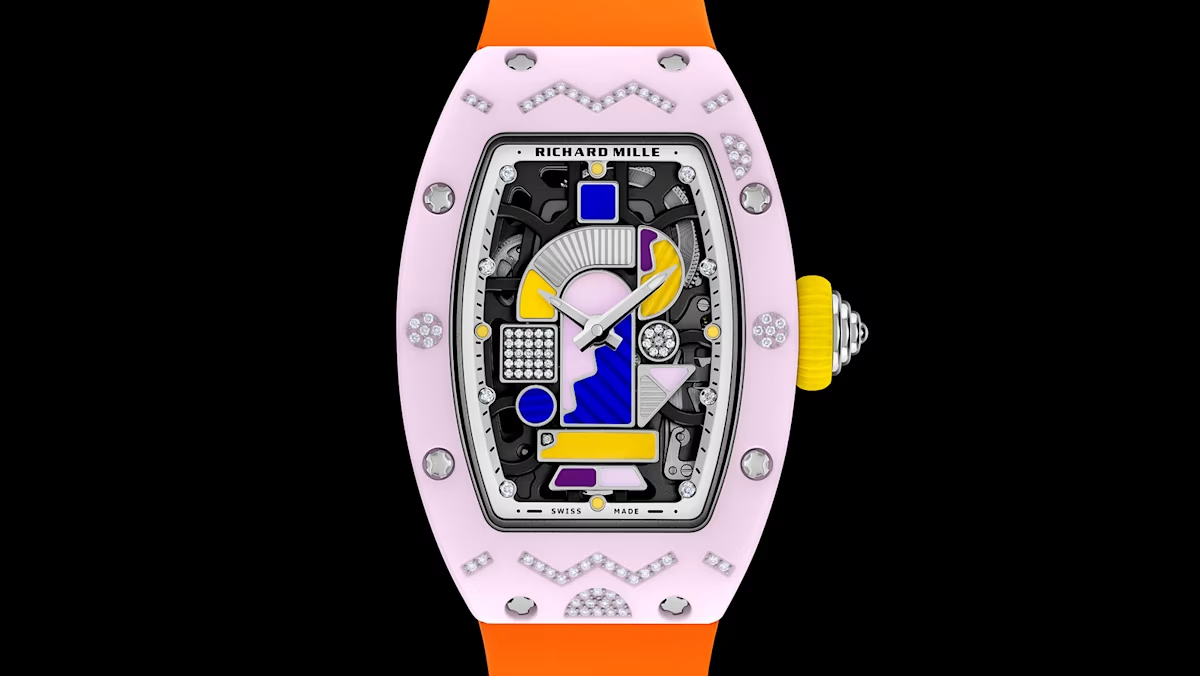
After the so-called Quartz Crisis of the ’70s and ’80s, which almost decimated the mechanical-watch industry with the introduction of cheap – and often quite fun – watches that were unbeatably accurate, the traditional Swiss watchmakers rallied together to establish the modern ecosystem. They reinforced the narrative that mechanical watches represented status, savoir-faire and shrewd investment, while quartz watches were irreverent and impermanent; especially ones with a digital dial. Now, however, things have moved on.