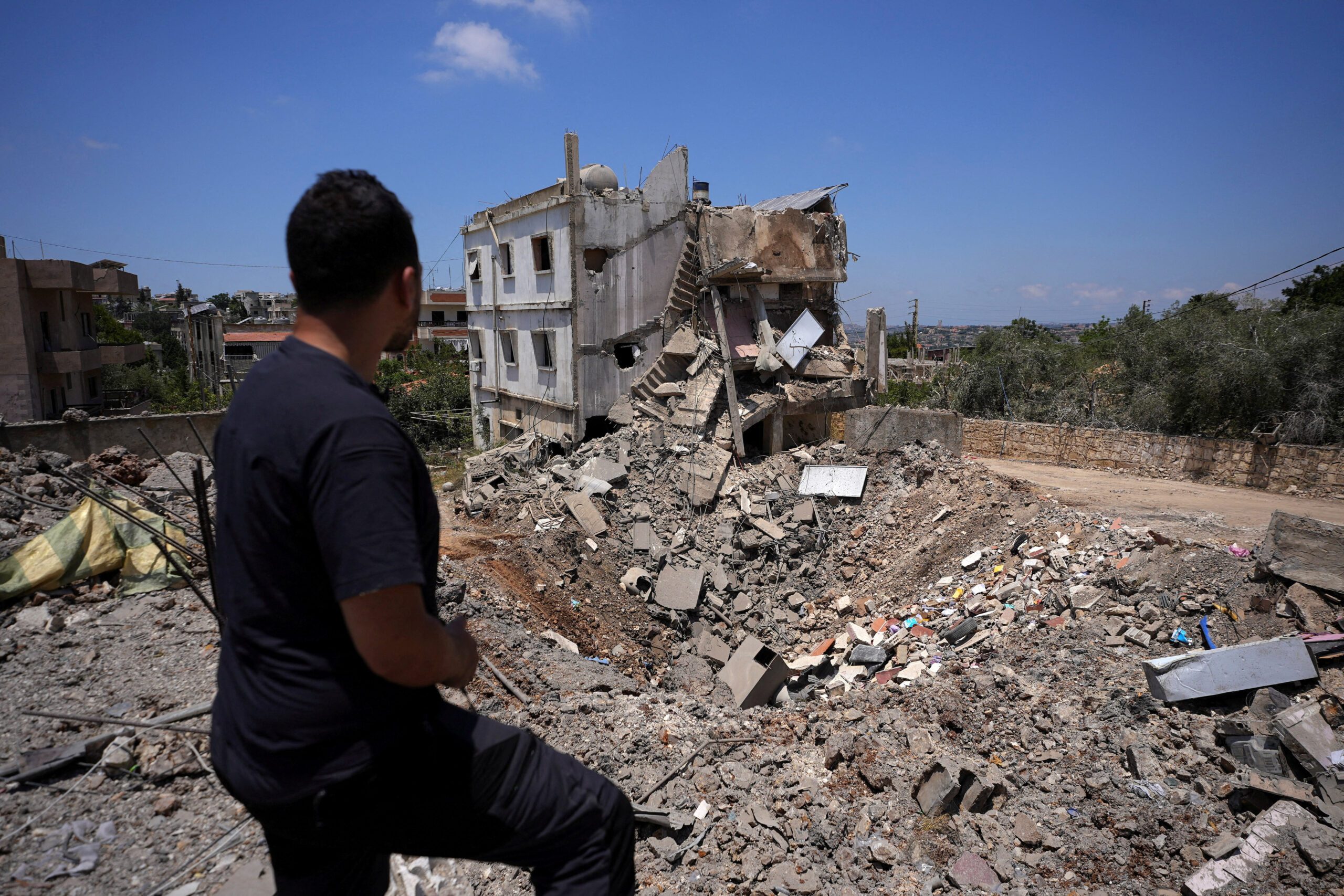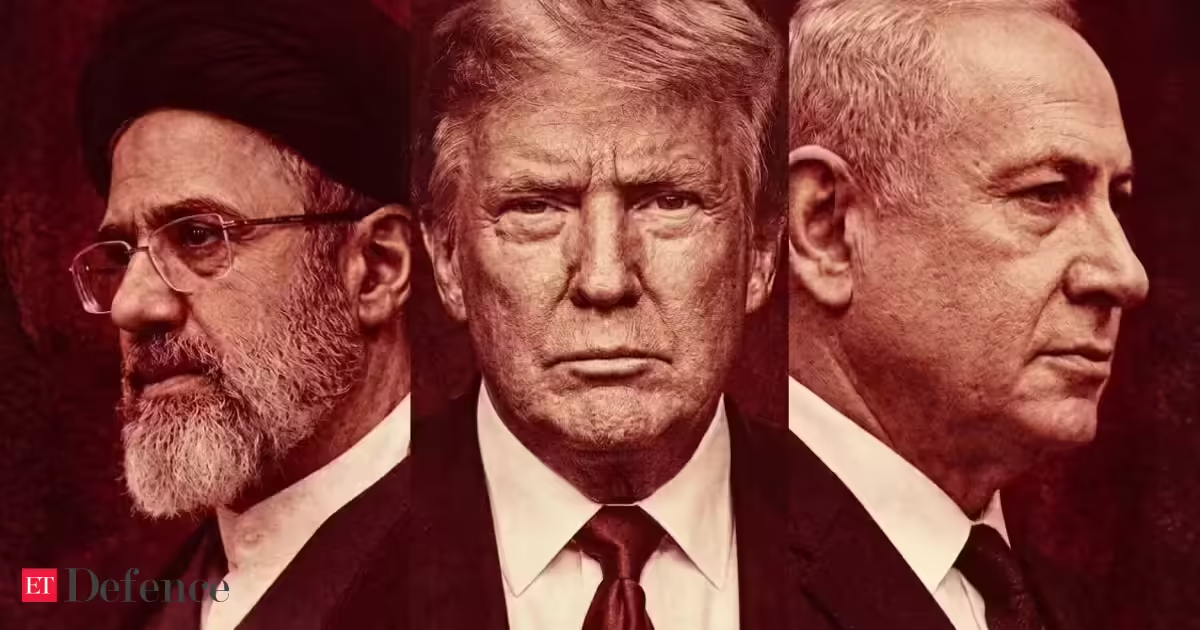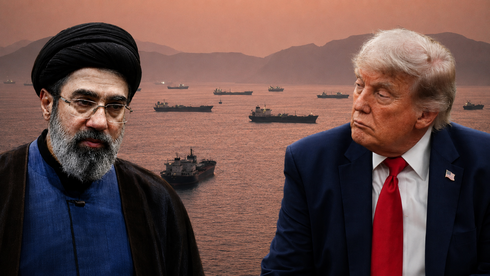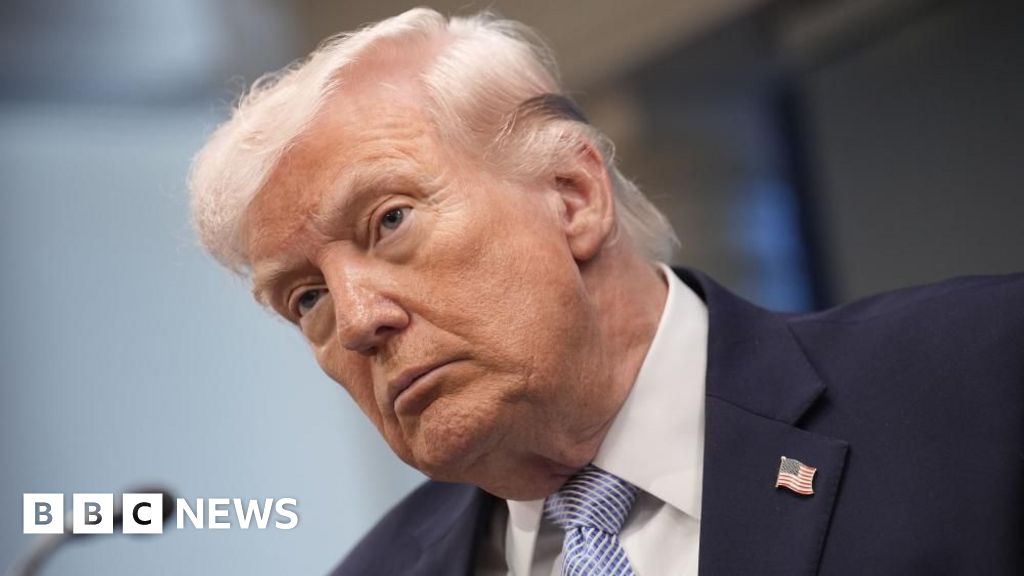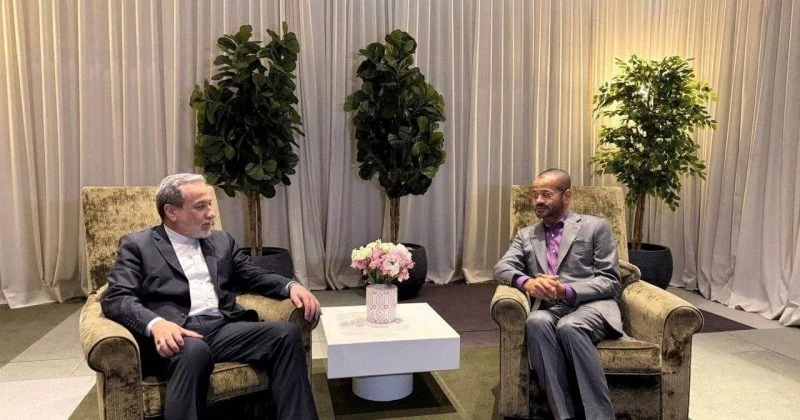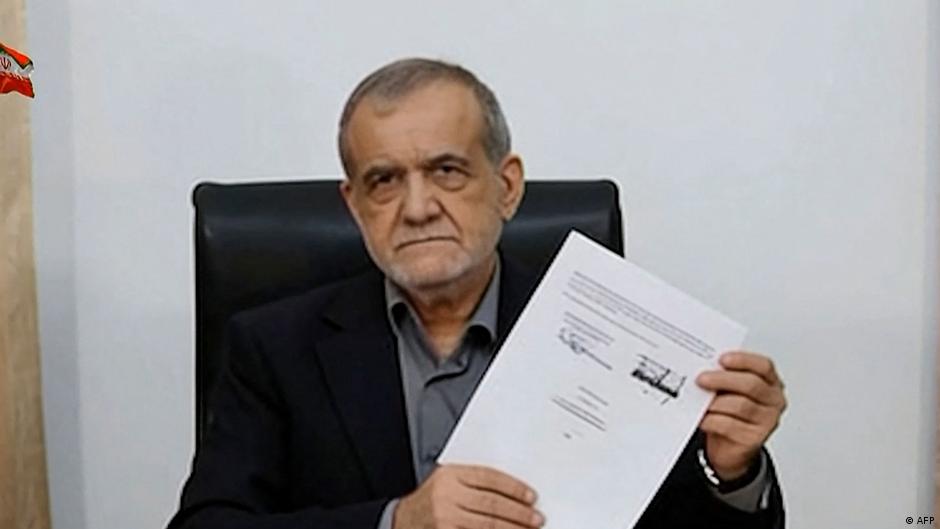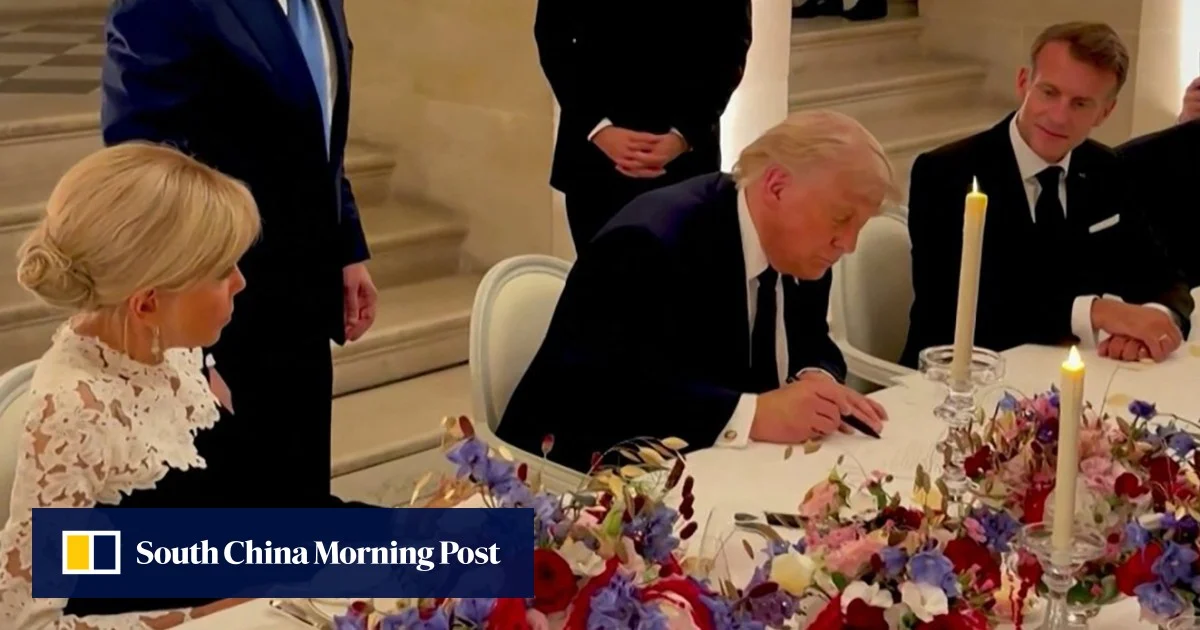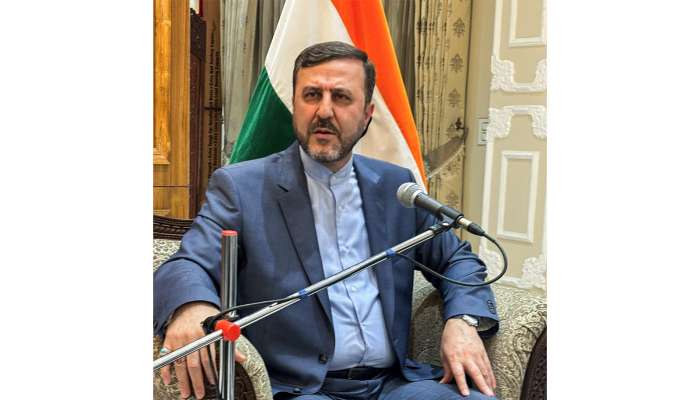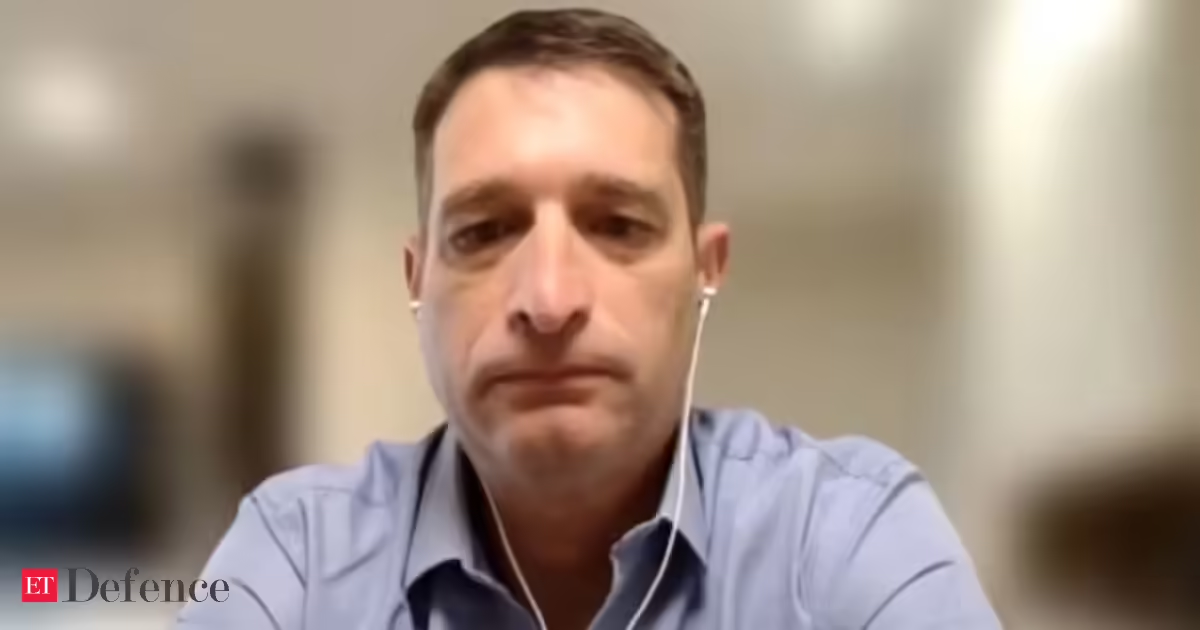
Sagiv Steinberg, CEO of the Jerusalem Center for Security and Foreign Affairs (JCFA) spoke about the recent announcement of peace agreement between Tehran and Washington--calling it a temporary arrangement ahead of the upcoming midterm elections in the US.Steinberg told ANI, "As far as I can see it is not a peace deal, it is another 60 days of ceasefire."He highlighted that with the agreement between the two parties yet to be published, both sides may differences in claims and one needs to wait till Friday to when the deal is inked.Also Read: A 60-day clock starts ticking on the US-Iran peace agreementReferring to the information in the public domain, he said that none of Washington's objectives was met."If we take what the Iranians are saying now and the feeling which is coming from Washington about this agreement-- is that nothing was achieved in the goals of the war that the US started. The Iranian people didn't get the freedom, didn't get their help. We remember, President Trump promised them help is on the way. It got even worse. The Iranians can now, if the agreement is true, can now rebuild and rebuild the proxies. The Hezbollah, the Houthis, they can rebuild their gain in Iraq and in Syria. And that's a huge problem," he said.He highlighted how no substantive solution was arrived regarding the nuclear issue.Also Read: Trump says Iran deal in 'a few hours,' blames Israel for delay: Axios"There wasn't any solution for the nuclear issue. Nothing was dealt as we can see with this deal. And as far as we can tell, it's a ceasefire for 60 days in order to allow President Trump to get closer to the elections."He said there is a possibility for West Asia to see a different approach from President Trump's side after the elections."I don't think it's a good day for the Middle East. It's a bad day for the Middle East because Iran got everything it wanted. They will get no deal about the nuclear industry. They will get a lot of money in order to revive a proxies and an infrastructure. And I think It won't give the Middle East any stability," he told ANI.His remarks come after a major diplomatic breakthrough between Washington and Tehran was announced on Sunday, with President Trump saying that the agreement would bring "peace and security" to West Asia and facilitate the reopening of the critical energy chokepoint Strait of Hormuz.Following the announcement, Iran's Deputy Foreign Minister for Legal and International Affairs, Kazem Gharibabadi, confirmed the peace deal and outlined Tehran's conditions for moving forward with negotiations."The deal with the Islamic Republic of Iran is now complete," US President Donald Trump announced on Sunday on his Truth Social platform. "Ships of the world, start your engines. Let the oil flow!"According to Iran's state-affiliated Press TV, Gharibabadi said the official signing ceremony would take place on Friday, after which the text of the Memorandum of Understanding would be released publicly. He stated that Iran would enter a proposed 60-day negotiation period for a final agreement only after verifying that the United States had fulfilled commitments related to ending hostilities, lifting the blockade and releasing Iranian assets.The peace deal is set to be signed on Friday in Switzerland.
"Not a peace deal; another 60 days of ceasefire": Israeli expert weighs in on US-Iran peace talks
An agreement between Tehran and Washington is announced. Sagiv Steinberg of JCFA views it as a temporary 60-day ceasefire before US elections. He states no US goals were achieved. Iran may rebuild proxies and infrastructure. The deal is set to be signed on Friday in Switzerland. This agreement is seen as a bad day for the Middle East.
542 words~2 min read