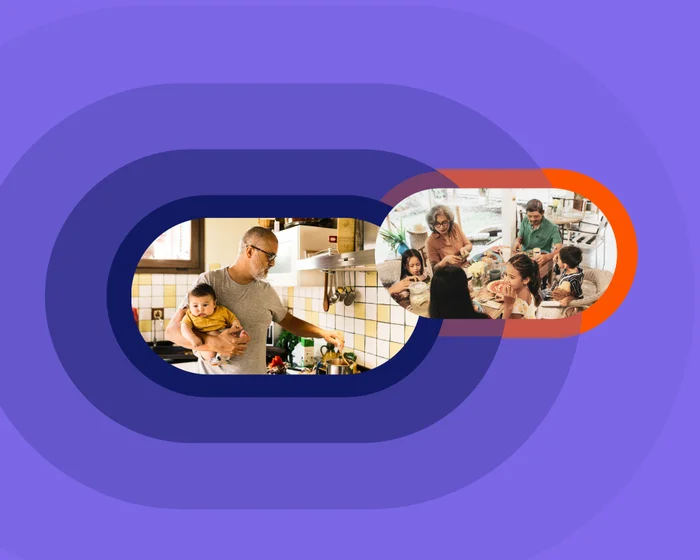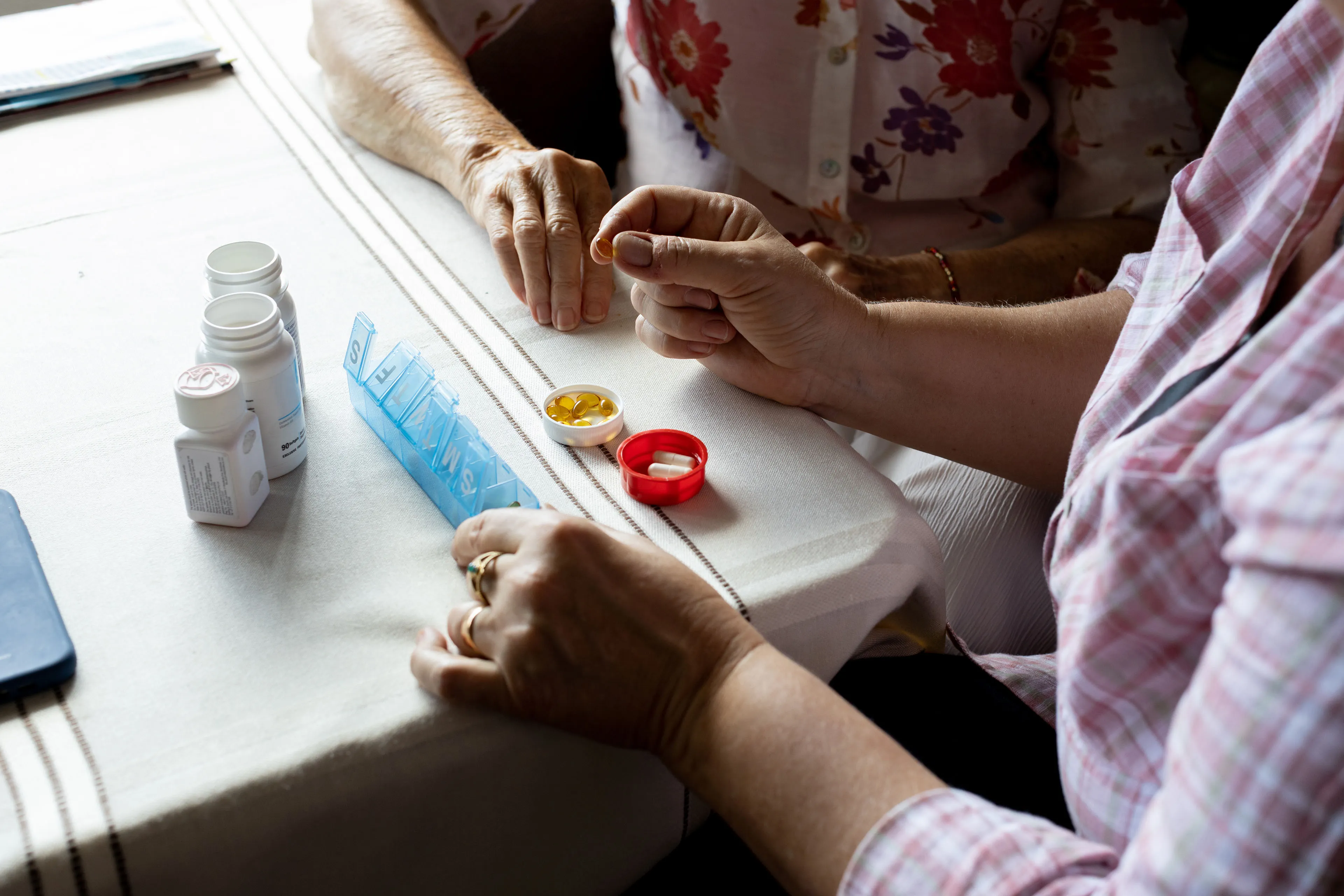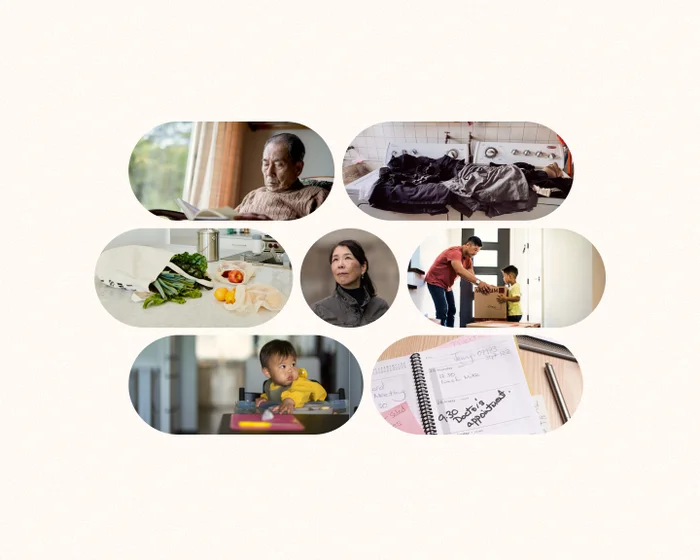
For many Australians, the years of raising children overlap with supporting ageing parents or other relatives. It’s a collision of responsibility that can leave them little time or space for themselves – including the mental and emotional recovery time that sustains wellbeing over the long term. Many people in this “sandwich generation” find that caring is no longer something they can fit around life, but rather, something that life is organised around.“They have parents who are well into their final third of life, but they’ve equally got their own young family that they’re raising,” says Elizabeth Albury, the general manager of service delivery, home health, at the wellbeing company Australian Unity, which provides health, wealth and care services.“On top of that, they’re also pursuing their own careers. The challenges that I hear about most often are around time and how to get the most out of it, given all the things that they’re juggling. They’re often navigating a huge cognitive and emotional load, which has a real impact on sleep, stress levels and overall wellbeing.”For some, the pressure is even more layered. Assoc Prof Peter Gonski, a geriatrician, describes what he calls “triple-layer sandwich” carers: people supporting elderly parents while staying closely involved in the lives of their adult children and helping care for grandchildren. “It’s incredibly hard for them to split their life,” he says. “And they should be having their own life away from being full-time carers of their [adult] children, their grandchildren and their parents.”That constant sense of being pulled in multiple directions is reflected in a sandwich generation survey* conducted by the Guardian and Australian Unity in February 2026.In this survey of more than 300 people caring for both children and ageing parents, more than half (59%) said their energy levels and sleep had been affected by their caring responsibilities, while 44% said it had taken a toll on their performance at work.Many described a loss of personal identity, alongside feelings of loneliness and isolation. Almost two-thirds (64%) said they spent at least 11 hours a week on unpaid caring duties. With this amount of commitment, time for hobbies, friendships or rest can often be the first thing to disappear, placing sustained pressure on caregivers’ physical, emotional and social wellbeing.There are, however, reasons to be optimistic. Many people juggling care across generations spoke about the unexpected positives of seeing family bonds deepen, as children spent more time with grandparents and great-grandparents. Research has found that regular intergenerational contact between teens and the elderly leads to improved physical and mental health outcomes for older people, a growth in confidence for younger people, as well as benefits for both groups including improved attitudes towards each other and a greater solidarity between the generations.“Strengthening those intergenerational connections is a win-win that the sandwich generation don’t always recognise,” Albury says.Support for the sandwich generationIn this content series, we’re creating a platform for honest conversations about the realities of being stretched between generations, looking closely at the different types of support that are available and offering suggestions for how to navigate health, financial and administrative questions, backed by experts’ strategies for managing the load.As an organisation focused on supporting the wellbeing of Australians, Australian Unity is exploring what sustainable care looks like for families, including carers themselves, in this series.How families manage care looks different for everyone, and can often change over time. There is no single right way to balance parenting, work and care for ageing parents, and good care does not require perfection. What matters is finding approaches that are workable, shared and sustainable, to protect caregivers from burnout.The experts engaged for this series consistently emphasise the value of planning early and bringing in outside support. Brett Lafranchi, the national general manager of residential aged care at Australian Unity, says: “In a perfect world, families would be having conversations about the future much earlier and over several conversations, spanning months or even years. If you can plan and have those conversations earlier, you’ll be better set up for a smooth and seamless transition when the time comes.”If you’re not yet sandwiched between caring responsibilities but it’s on the horizon, now is the ideal time to start a conversation with your parents about your shared futures – and we’ll show you how. Already in the thick of it? You’ll find practical ways to manage competing responsibilities, while protecting your own wellbeing.Getting there may require some tough conversations with your parents, partner and other family members. However, Albury says: “Once it’s set up, it allows people in the sandwich generation to move away from constantly managing care and instead enjoy meaningful time with their parents. If you’re only going to mum and dad’s to take care of chores or caring duties, there’s little space for relaxation in that relationship. But when a care plan is in place, you can spend time together doing enjoyable family activities. It’s the difference between managing care and having a quality relationship.”Across this series, we’ll bring together expert insights, practical guidance and lived experience to help make care feel more navigable and less isolating. Because supporting others should not come at the cost of your own wellbeing, or your sense of self.*Source: Australian Unity sandwich generation survey, conducted by the Guardian via Kantar panel, February 2026, n=312Australian Unity is a wellbeing company delivering health, wealth and care services to support people in the moments that shape their lives. Visit Australian Unity for information and resources for the sandwich generation.
When caring runs in both directions: understanding the sandwich generation
Caring for children and ageing parents at the same time is becoming more common – and more complex. In a new series, we explore life in the sandwich generation and the support that can make care more sustainable.
913 words~4 min read