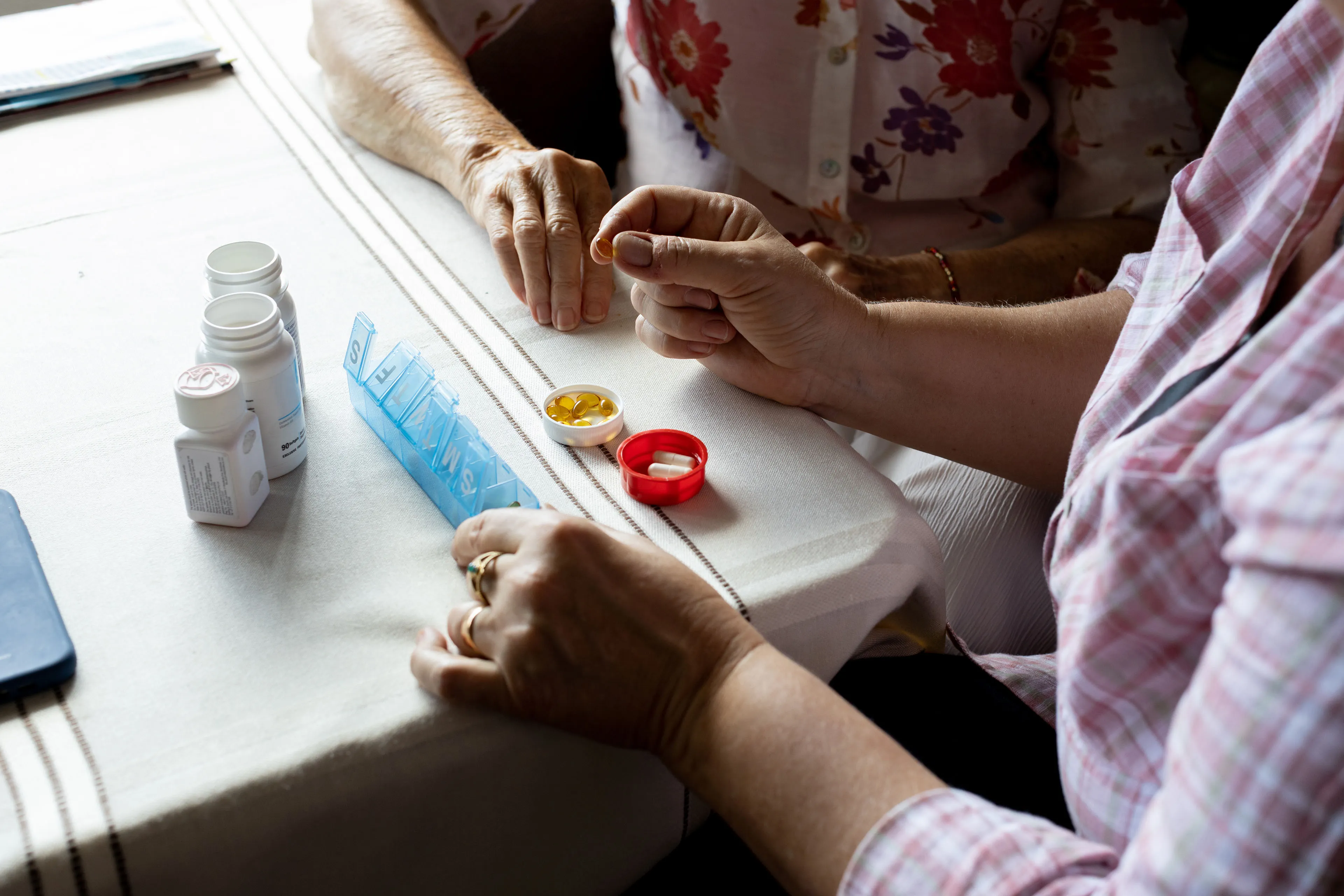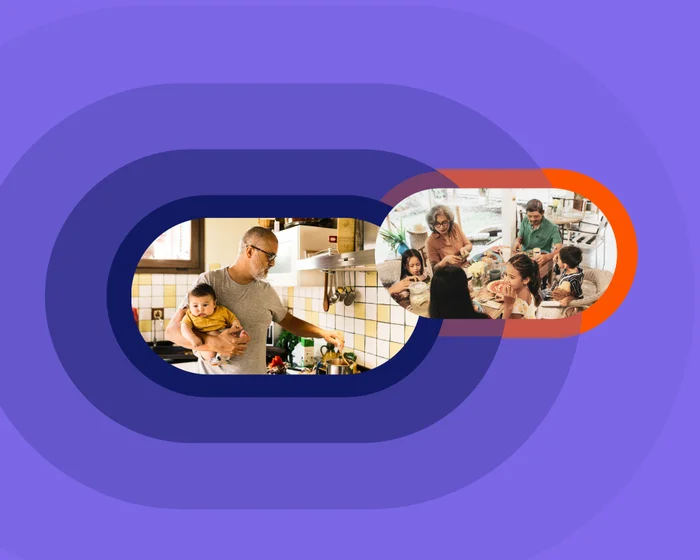
The sandwich generation describes people who care for both their ageing parents and dependent children. It’s a catchy moniker that belies just how much pressure many of these carers are under.Day to day, they’re tired, time-poor and financially stretched, according to a survey* conducted by the Guardian and the wellbeing company Australian Unity in February 2026.More than 300 Australians caring for both children and ageing parents were surveyed; 24% said they felt stretched thin but were managing, while 15% said they were only just coping day to day.Many sandwich generation carers feel like they need room to breathe. “They’re carrying a heightened cognitive load,” says Annabel Reid, the CEO at Carers Australia, which advocates for Australia’s unpaid carers. “They’re likely managing medical appointments, making decisions around treatment and may also be helping with household tasks like cleaning or gardening, and administrative tasks, like doing a parent’s tax return or navigating an online form.”
Annabel Reid, CEO, Carers Australia
double quotation mark“Creating breathing room is not selfish; it is what allows care to continue.” – Annabel Reid, CEO, Carers Australia.
The majority (64%) of the survey respondents report spending at least 11 hours a week on caring responsibilities. But the real cost of being stretched thin isn’t just logistical – it’s personal. Sleep and energy levels can be disrupted, time for friends and hobbies can evaporate, and mental, physical and financial wellbeing can be compromised.This impact on wellbeing has been highlighted by findings from the Australian Unity Wellbeing Index. The 2023 report focused on carers and found that those providing more than 20 hours of care per week reported higher levels of mental distress than non-carers.Carers often underestimate the toll taken by their responsibilities “until they’re in crisis”, says Reid. “They think: ‘I’m just looking after mum and my kids; that’s what I do.’ Then they may be balancing a larger and larger load until it wears on them.”Reid recommends carers build, as early as possible, a network of friends and family they can rely on. “These are people who can pop in and take over on occasion or even just grab some milk and bread when they’re buying their own groceries. These small acts of kindness can really alleviate stress and buy the carer some time.”Almost three-quarters (74%) of the survey respondents said they felt at least somewhat supported by their families. However, 51% said their social lives had been affected by caring responsibilities. Carers should be encouraged to maintain social connections, which are vital to their wellbeing, says Reid. She notes that Carers Australia’s 2025 Carer Wellbeing Survey Report found a significant increase in loneliness among unpaid carers.“A sense of feeling isolated, lonely and misunderstood can really impact mental health outcomes for carers, especially sandwich carers,” Reid says. “This tells us that maintaining relationships and finding ways to hold onto friendships are extremely important. It could be as simple as a phone call with a friend while you’re in the car – any small way to engage has a great impact on maintaining positive mental health.”If you are a carer who needs additional support or an independent sounding board, the Carer Gateway connects carers around the country with tailored packages, including counselling services and financial support.Caring across generations may be an act of love, but without space to sustain themselves, carers’ capacity eventually narrows. As Reid says: creating breathing room is not selfish; it is what allows care to continue.*Source: Australian Unity sandwich generation survey, conducted by the Guardian via Kantar panel, February 2026, n=312.Australian Unity is a wellbeing company delivering health, wealth and care services to support people in the moments that shape their lives. Visit Australian Unity for information and resources for the sandwich generation.