ByJoseph Coughlin,
Senior Contributor.
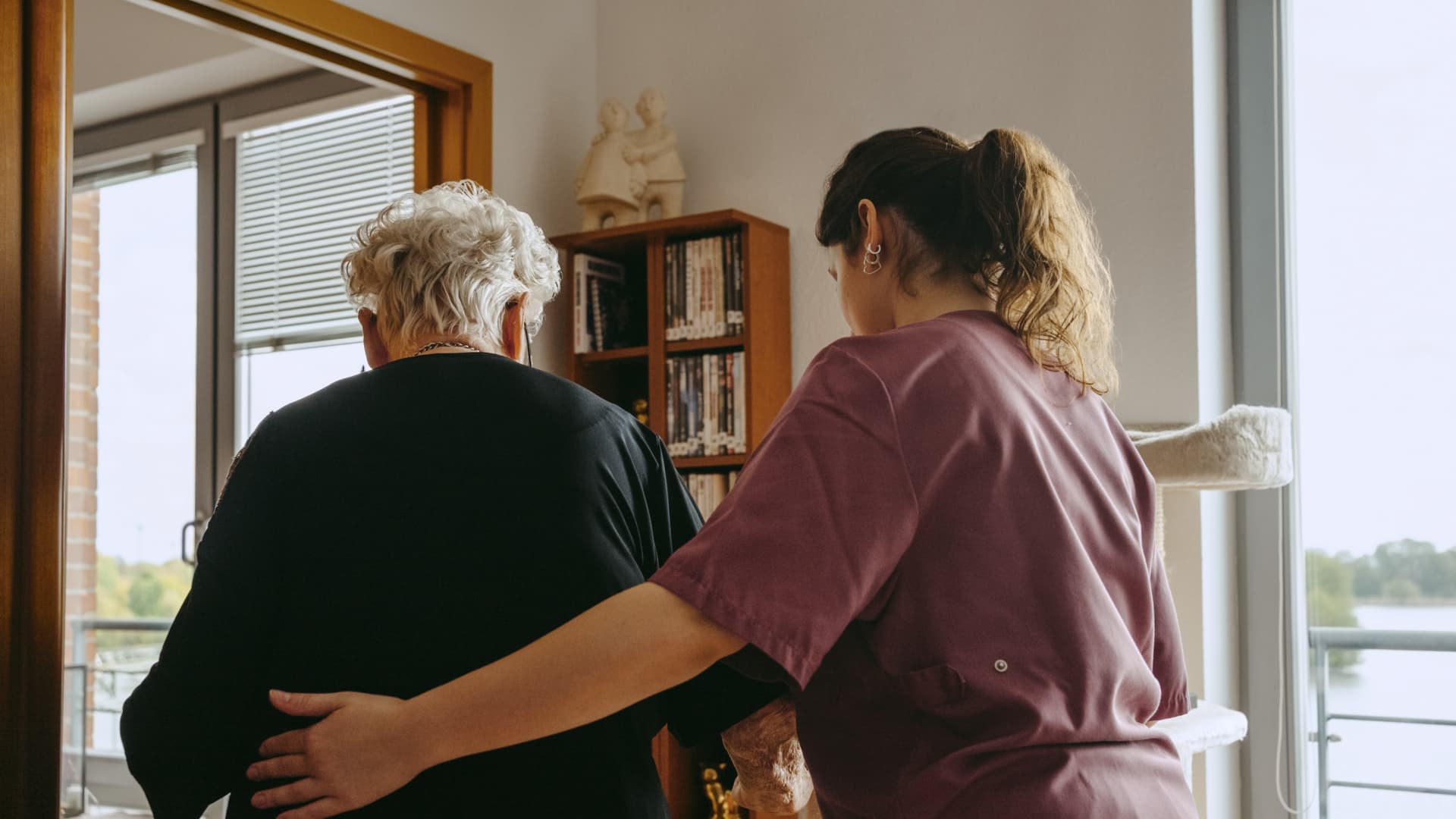
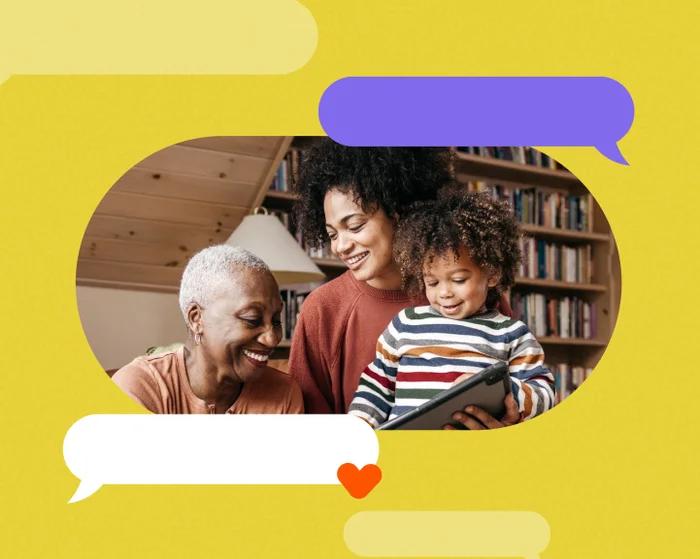
The holidays are here. For many families, holiday dinners are the only time when multiple generations gather around the same table. We hug our parents, we study their faces, we watch them walk across the room. Quietly, we assess: “Does she look okay?” “Is he still driving?” “Do they seem different this year?”
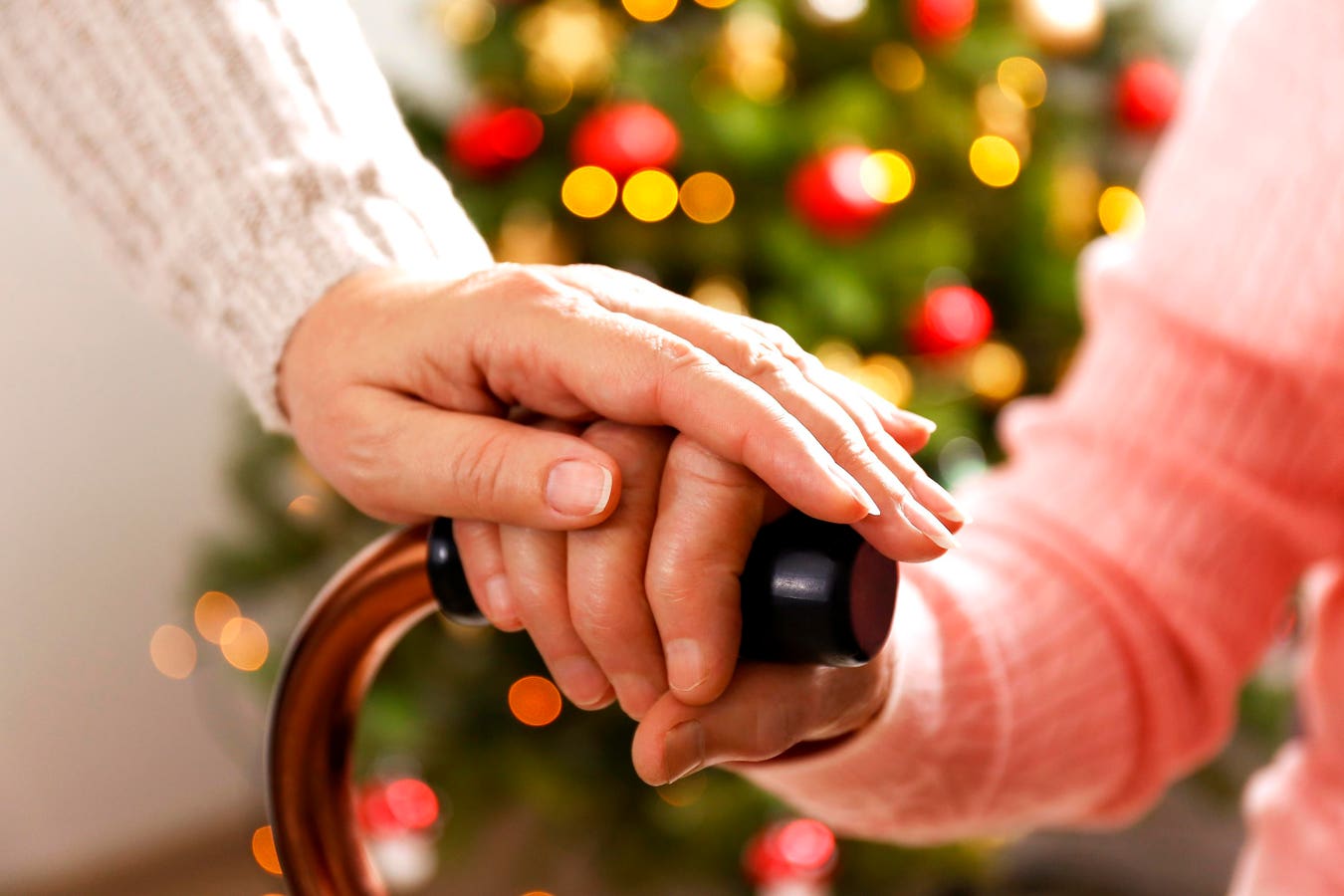
These whispered questions often mark the moment when caregiving shifts from something “other people deal with” to something your own family must now navigate. As Rosalynn Carter famously said, “There are only four kinds of people… those who have been caregivers, those who are currently caregivers, those who will be caregivers, and those who will need caregivers.”
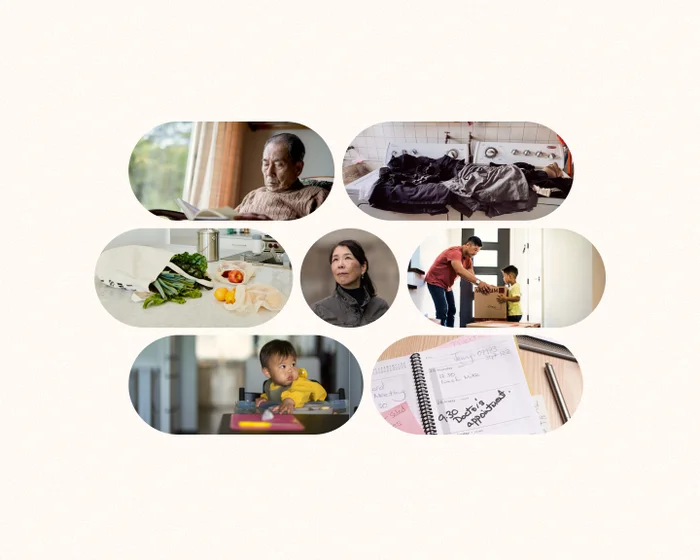
Despite the universality and inevitability of caregiving, few of us are prepared for it. My research team at the MIT AgeLab, in collaboration with John Hancock, recently released the Longevity Preparedness Index (LPI), measuring awareness and preparedness across eight domains essential to living longer and better, including care, community, daily activities, finance, health, home, life transitions, and social connection.