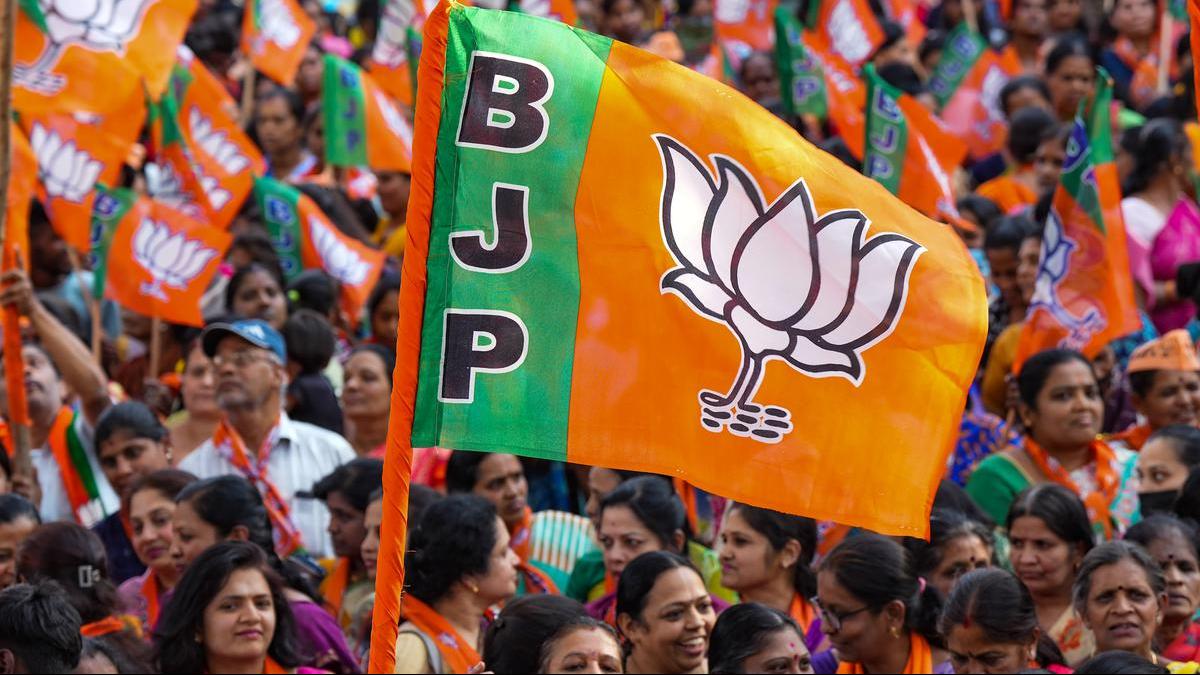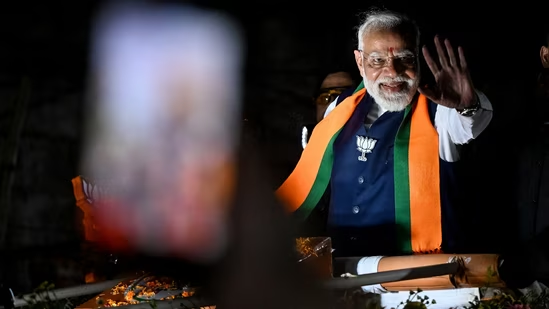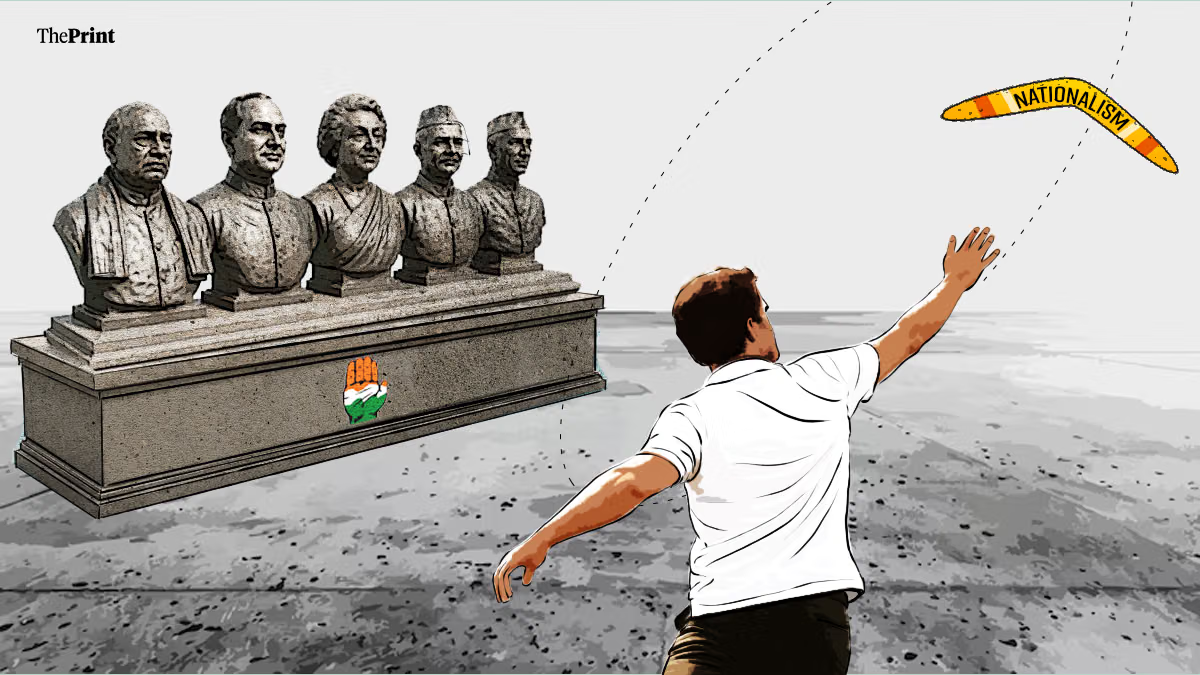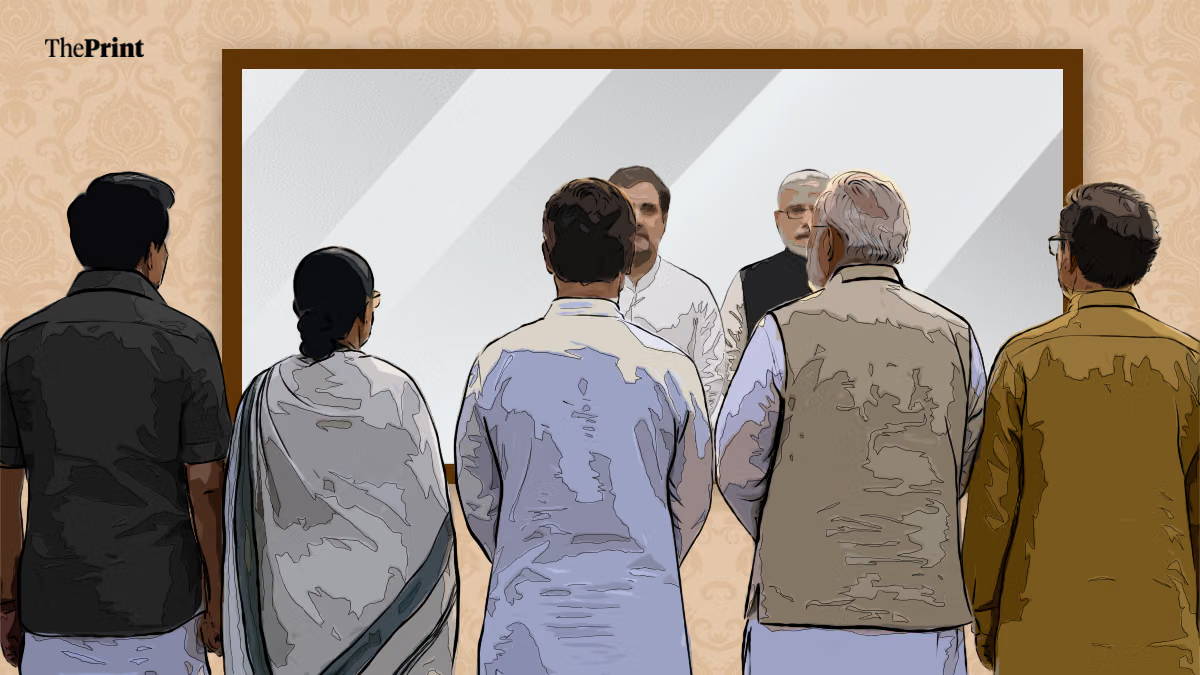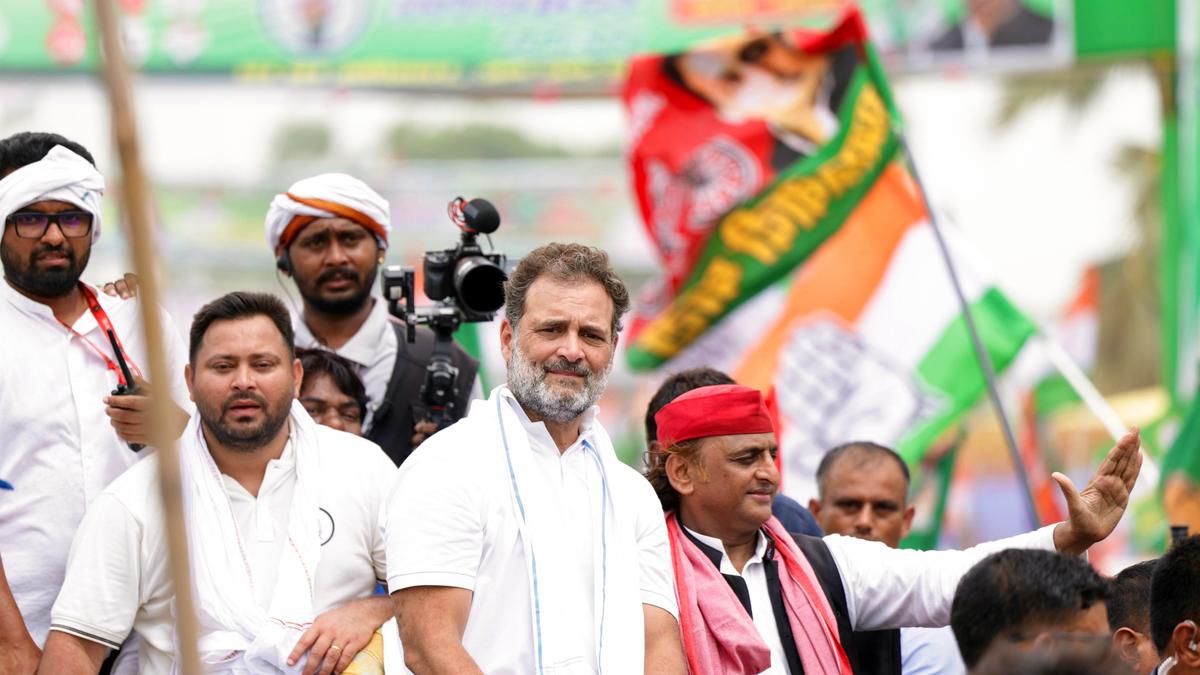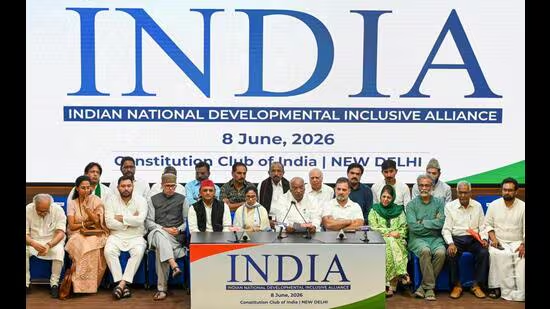
There are two trends dominating Indian politics today that, at first glance, appear to be working at cross purposes.On the one hand, the governing Bharatiya Janata Party continues to grow in strength across the length and breadth of the country at the expense of its long-time ideological foes. On the other hand, new entities are born every few years, seeking to create space for themselves in what is already an overcrowded political marketplace.This dichotomy raises pressing questions. Is India moving inexorably towards a one-party state, or can these nascent challengers breathe new life into the opposition? At a more profound level, what is it that ails the BJP’s traditional rivals, and what can they do to stem the tide? Is that even possible?Many Indians today worry that their vibrant, multi-party democracy is morphing into something more monolithic – reminiscent of the first three decades of the country’s post-colonial era during which politics was dominated by the Indian National Congress. Since returning to power in 2014, the BJP has cut the Congress down to size and replaced it as the pole around which Indian politics revolves.The foremost concern for many is that the stridently Hindu nationalist party – which either wholly or partially runs 21 of the 28 state governments – is now focused on its long-term agenda of remaking the republic by knocking down its pluralist and secular foundations. The only way it can formally achieve this is by pushing through a series of constitutional amendments, for which it needs to secure two-thirds majorities in both houses of Parliament as well as in a plurality of state assemblies.The BJP’s growth trajectory over the past decade suggests it’s probably just a matter of time. Recent victories in key eastern states – Odisha in 2024 and Bengal last month – have reinforced the perception that it is steadily extending its reach into regions that once resisted its ideological project.Few would dispute that the party has used its three core strengths – ideological coherence, organisational muscle and, most crucially, financial advantage – to defeat its rivals in election after state election over the past 12 years. But its critics – opposition politicians, civil society and independent journalists – have long alleged that it couldn’t have reached the heights it has if not for some underhanded tactics.One such tactic, critics say, involves colluding with the Election Commission to “manage elections” – a euphemism for electoral malpractices. Another is the use of the supposedly independent investigative agencies to threaten probes against opposition politicians as a means to force them to either defect to the BJP or launch rump parties that are ultimately subservient to it – in exchange for being spared criminal investigations.These allegations have undeniably created a sense among some that the political landscape is no longer an even playing field, and that the country could end up becoming a de jure one-party state.And yet, such an eventuality isn’t guaranteed either. For India is no Singapore (small) or Japan (homogeneous), both of which are one-party-dominant states. It also has a rich democratic culture, cultivated over decades, that has kept the spirit of discourse, debate and dissent alive.It is this democratic culture that has, in Indian society, provided space for political entrepreneurship to thrive. Over the past 12 years, Indian politics has generated several new alternatives – beginning with the emergence of the Aam Aadmi Party in Delhi and Punjab and continuing with formations such as the Jannayak Janata Party in Haryana, Jan Suraaj Party in Bihar and Tamilaga Vettri Kazhagam, or TVK, in Tamil Nadu.QuoteMost political organisations are little more than vanity projects for charismatic individuals and their familiesThe TVK’s victory, under actor-turned-politician Vijay, in the Tamil Nadu assembly election last month has only strengthened this trend, inspiring a fresh wave of political experimentation. More new movements are emerging, including the intriguingly named Cockroach Janata Party and a yet-to-be-named initiative led by a charismatic former supercop.This isn’t surprising. The fracturing of the established opposition parties has created political vacuums in spaces once dominated by the Congress or regional satraps – with new movements rushing to fill them.But why are these parties fracturing in the first place? Why is it that they are bleeding supporters, even though polls consistently show that about 60 per cent of India’s electorate do not identify with the BJP? The answer lies in the way most of them are structured.In India today, except for the BJP and the far-left parties, most political organisations are little more than vanity projects for charismatic individuals and their families. These figures, and in some cases their dynasties, rely on their personal popularity – rather than a cohesive ideology and a robust organisation with strong leaders at the grassroots level – to win elections. This tightly aligns the parties’ fortunes to those of their supremos. It’s often the case that when a party loses an election – as happened in Bengal – defections follow.Play00:29Middle East war a ‘deep concern’ for India, says ModiIndia isn’t the only democracy to grapple with this problem. In a recent article for the Toda Peace Institute, the journalist and researcher Debasish Roy Chowdhury pins public disenchantment in many of the world’s traditional political movements to “the hollowing out of mass parties, eroding their capacity for connecting citizens to political processes”.Chowdhury writes that parties around the world are ever more dependent on big money today and are less focused on mobilising traditional organisations such as unions and associations. “Politics increasingly moves from volunteer-driven social activism to expert-managed campaigns driven by data analytics, PR strategies and digital marketing,” he explains.Opposition politicians can point fingers at the BJP all they want – and the BJP’s extraordinary will to power certainly poses a challenge to democratic politics – but, ultimately, a large share of the blame for the current state of the opposition lies with parties themselves.The good news is that the current public mood offers fertile ground for renewal. New parties, unburdened by the baggage of past failures, are well-positioned to tap into the current discontent – provided they evolve beyond personality cults or regional fiefdoms.Of course, fragmentation risks splitting the anti-BJP vote further unless new players co-ordinate strategically with older ones. But for this to happen, established opposition parties need to move beyond reactive politics. Mergers and inclusive coalitions – potentially incorporating energetic newcomers – offer a path forward.Ultimately, though, these parties will need to change the way they do politics. A good first step would be to return to the people.
India's opposition is stumbling into a one-party state | The National
New parties are filling a vacuum, but the old guard's decline is largely self-inflicted
1,080 words~5 min read