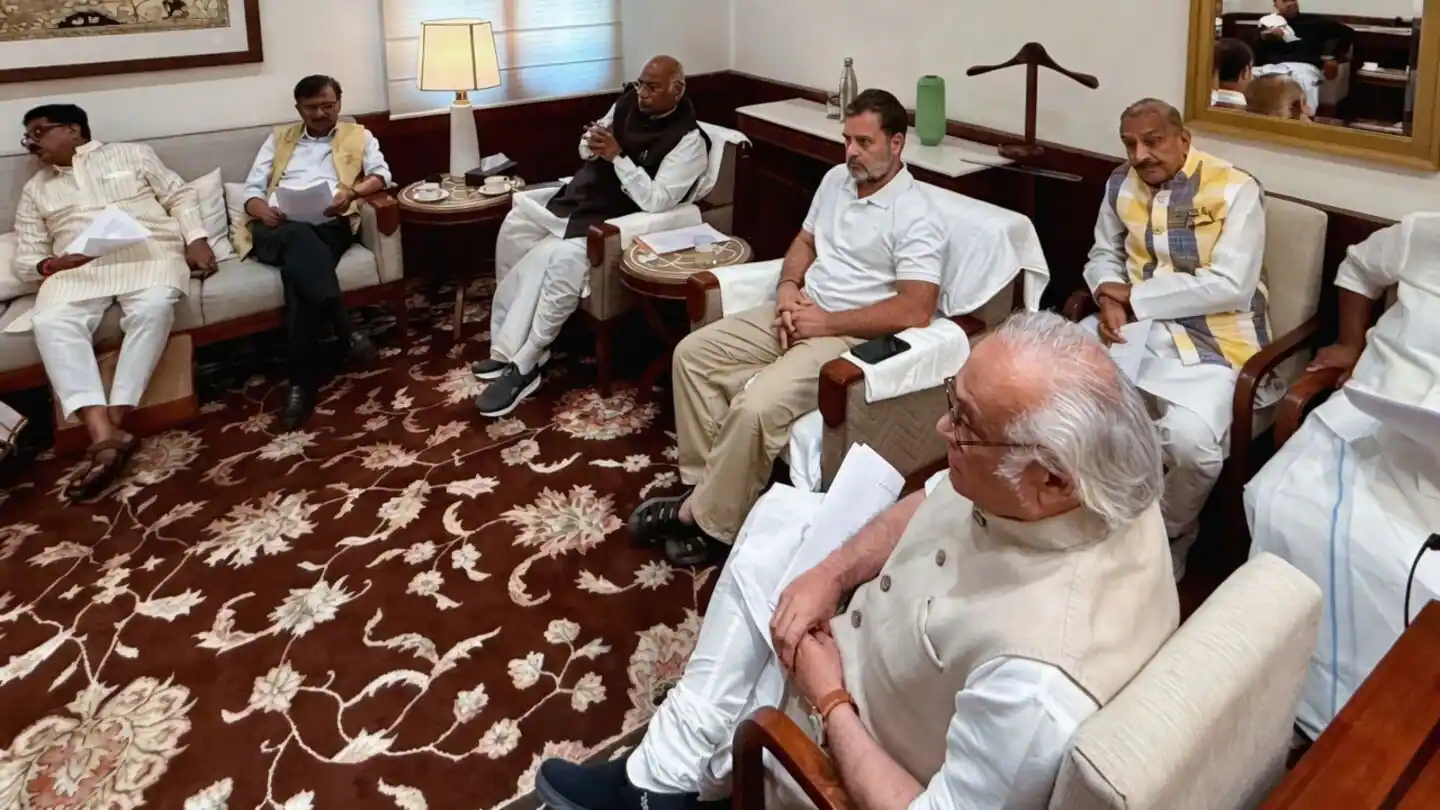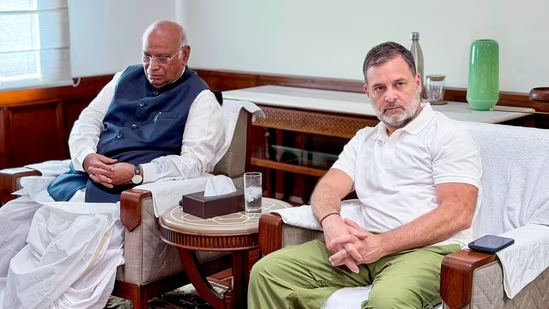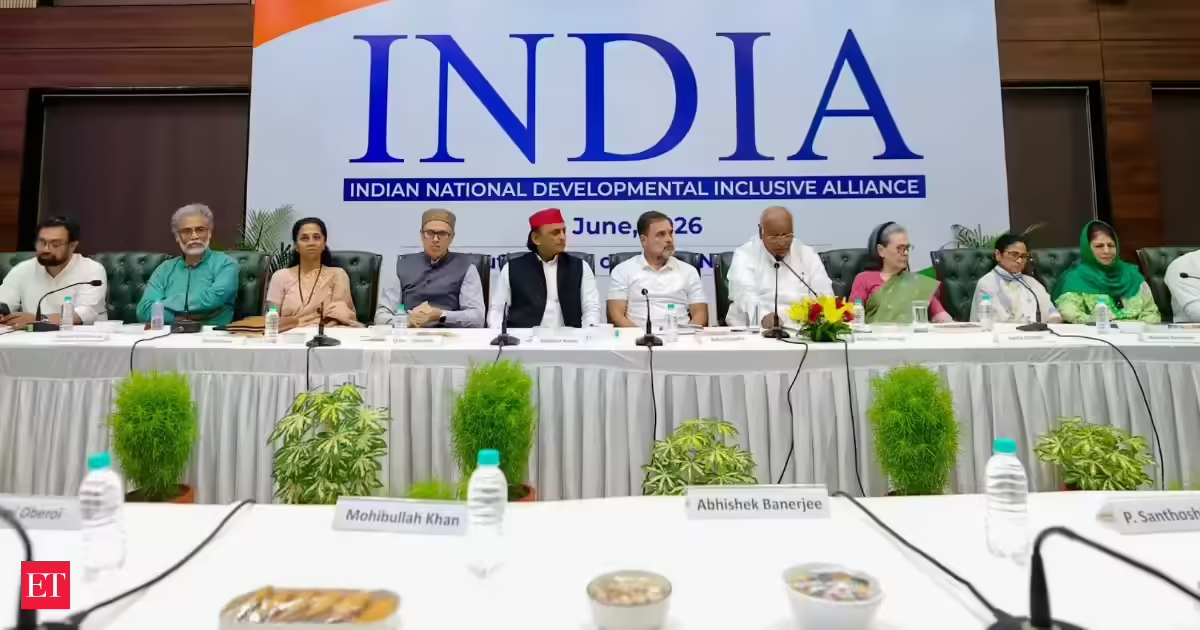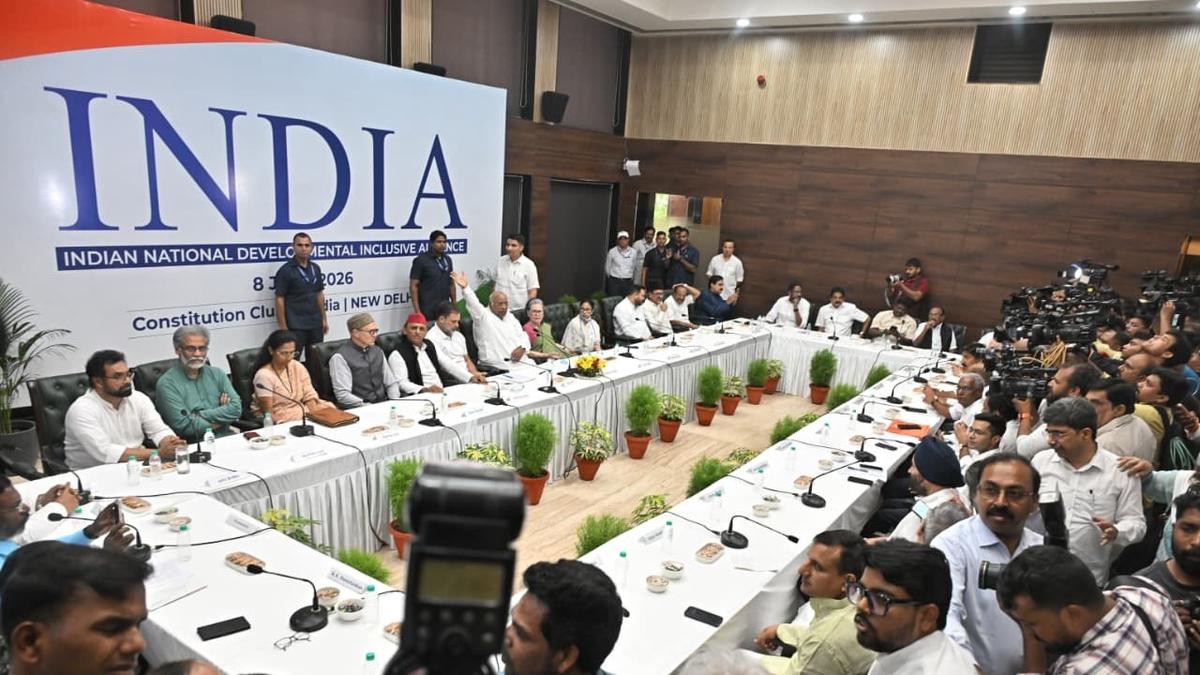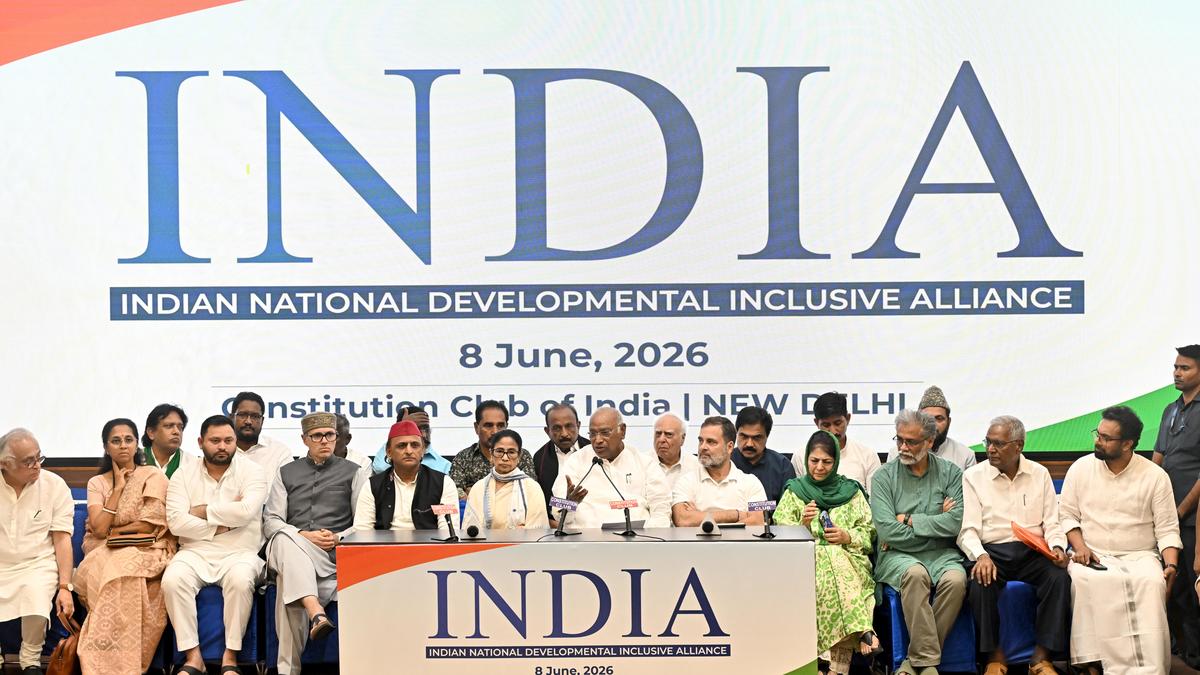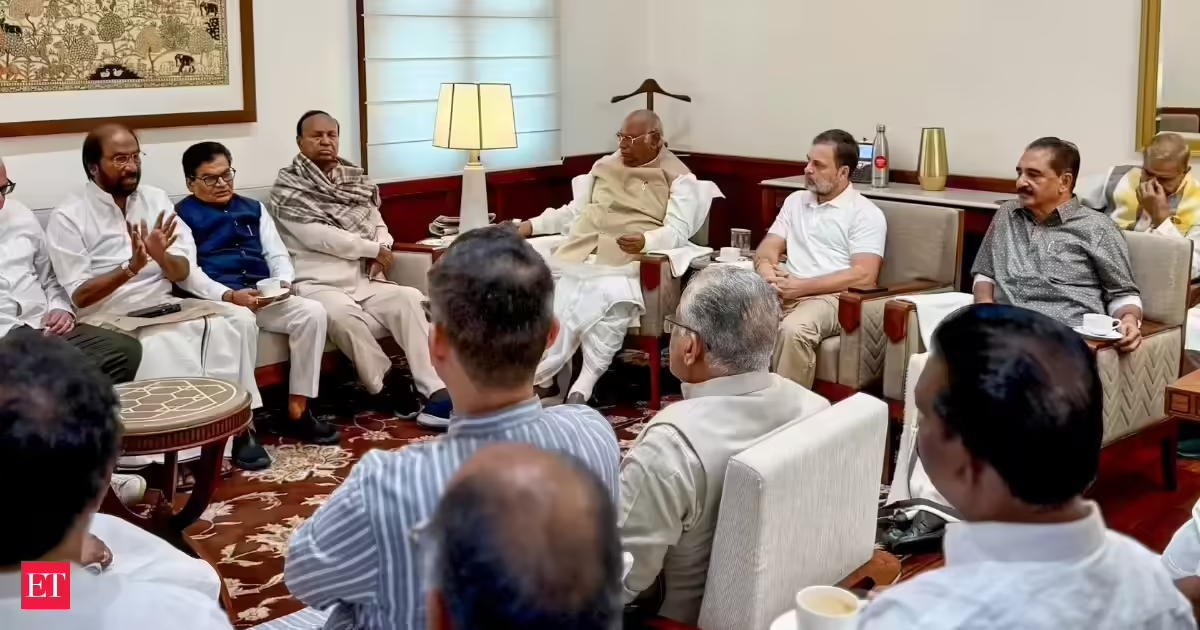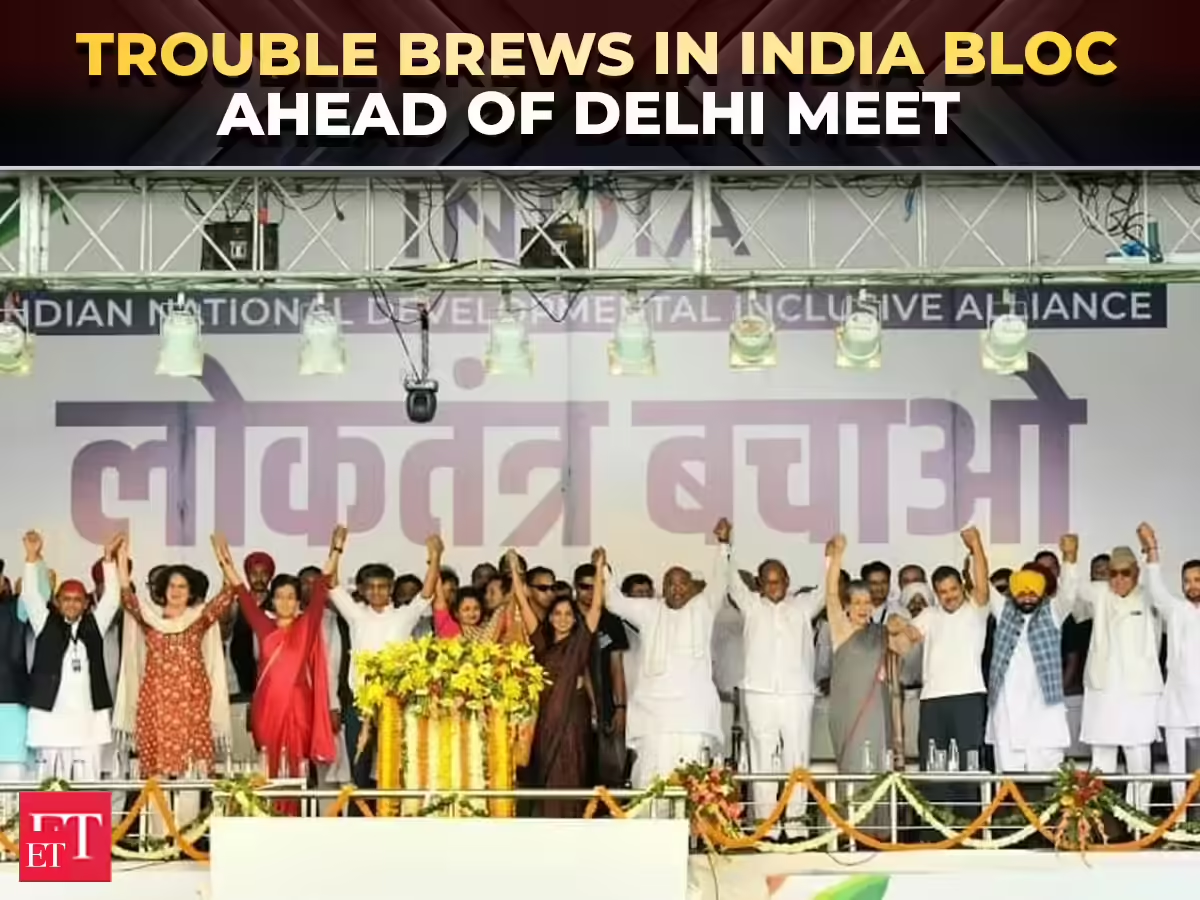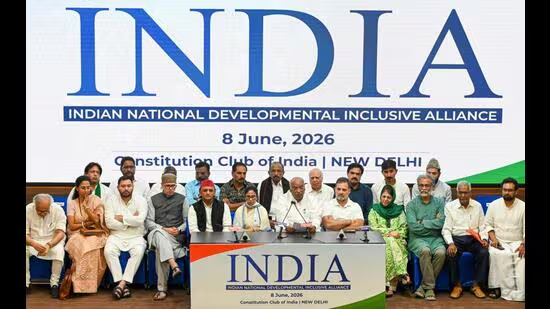
A Monday meeting of the Indian National Developmental Inclusive Alliance (INDIA) couldn’t have come at a worse time for the national Opposition. The gains made in 2024 have all but evaporated, a larger swath of the country is under the Bharatiya Janata Party (BJP) than ever before, mainstays of the Opposition coalition such as MK Stalin or Mamata Banerjee have been humbled at the hustings, and there is a serious threat to the unity of the parliamentary cohort with stirrings of desertion within the Trinamool Congress (TMC) and resentment between the Dravida Munnetra Kazhagam (DMK) and the Congress after the latter ditched a two-decade-old alliance in Tamil Nadu for a shot at power. Serious coordination problems appear to exist in Maharashtra and Jharkhand as well.There was no coordination, no meeting, no common agenda or concerted effort to corner the government, so much so that commitments to conduct regular meetings of the bloc — in Parliament and outside — were two of the five resolutions adopted at Monday’s meeting. (Arvind yadav/HT Photo)This should not be unfamiliar for the grouping that approached the 2024 elections on the back of a drubbing in three heartland states and the BJP gunning for 400 Lok Sabha seats. Rarely was one party favoured as heavily in the run-up to a major election. Yet, these setbacks helped avert personality clashes and ego battles — the notorious bete noire of Opposition unity in India — as leaders managed to work out some form of seat arrangement, sharpened issues they saw simmering on the ground, and posted the best results in a decade. But the INDIA bloc was dismantled in all but name after the results, as each party vied to claim credit for the performance. There was no coordination, no meeting, no common agenda or concerted effort to corner the government, so much so that commitments to conduct regular meetings of the bloc — in Parliament and outside — were two of the five resolutions adopted at Monday’s meeting.The run-up to the 2029 elections will be uphill for the Opposition. It faces genuine structural challenges in the form of the BJP’s electoral juggernaut, meagre resources and polarisation, amid allegations that federal agencies are working at the behest of the Centre. The special intensive revision of electoral rolls has changed old electoral math and strategies. But there are also genuine issues — from economic pain caused by the war to anxieties among young people due to botched examination processes. To cash in, the Opposition has to look beyond ego battles and focus on coordination, common messaging, pooling of resources and stop one-upmanship. Only then does it stand any chance in two years.
Uphill run for INDIA bloc
It has to focus on common messaging, pooling of resources and stop one-upmanship
443 words~2 min read