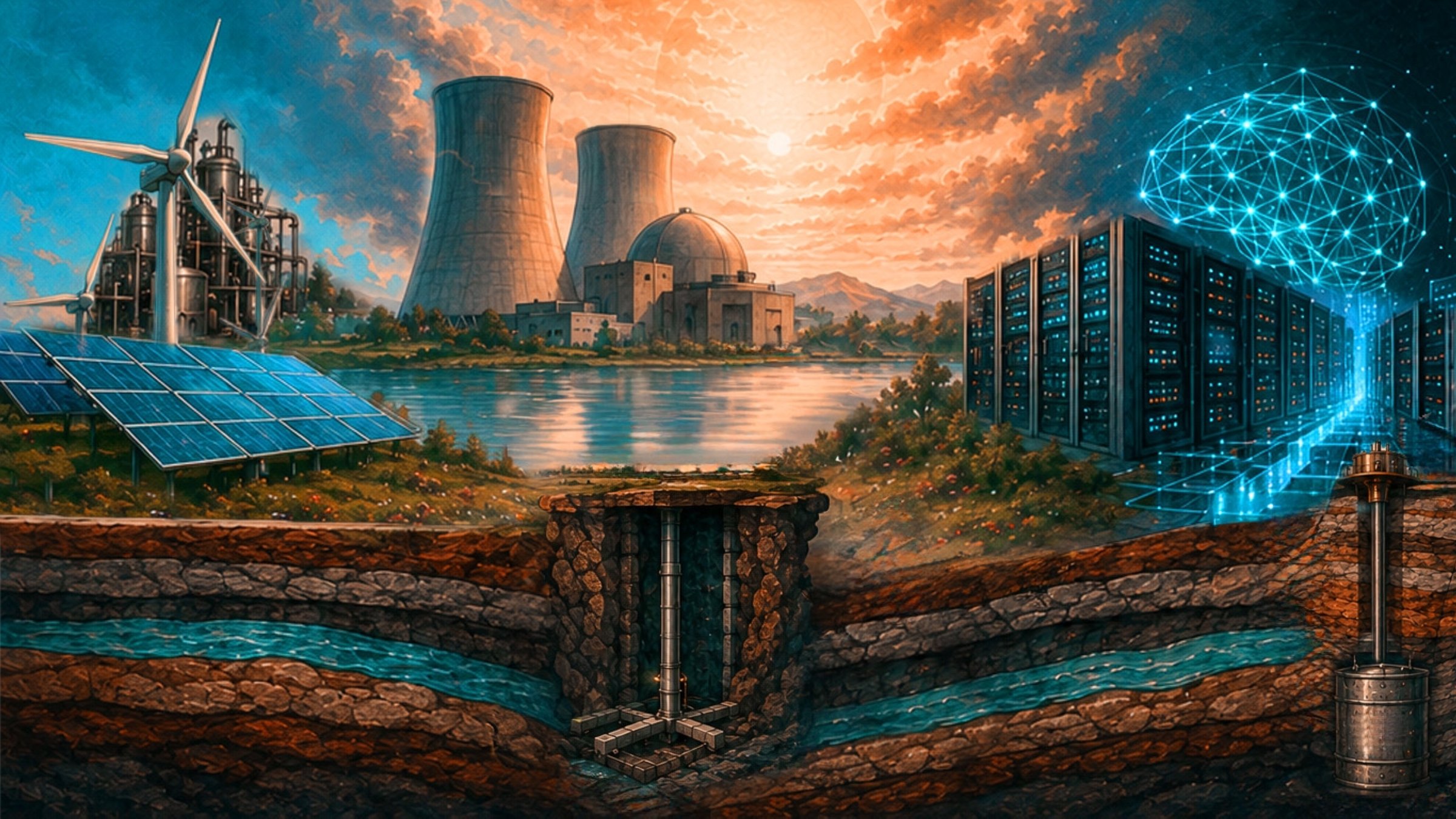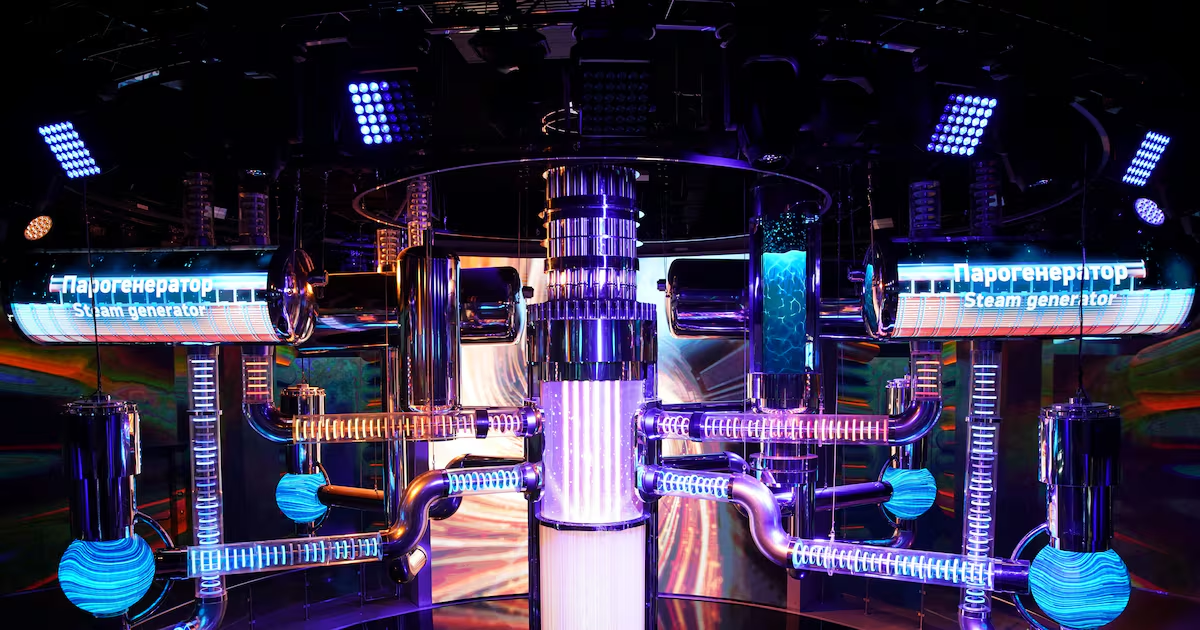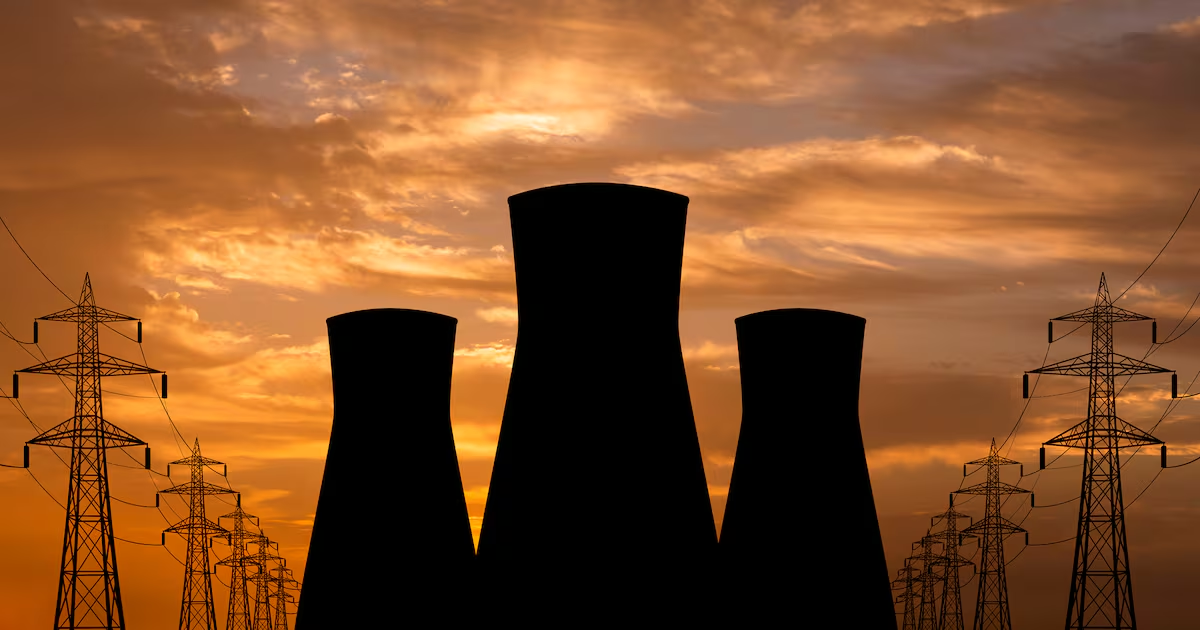
Ireland imports nuclear-generated electricity every day. It just bans itself from generating any. Our prohibition on nuclear power generation was enacted in 1999 for a smaller, simpler energy system. This week, as hundreds of energy professionals and policymakers gather at Croke Park for the 30th Energy Ireland Conference, the gap between that law and the State’s energy reality has never been wider. The Taoiseach has signalled openness to a review. His party has put the issue to its members. Public opinion has shifted. The ban has not.Banning nuclear electricity generation in 1999 was an easy decision. Our energy system was small, demand was modest, and the Carnsore Point protests had embedded a deep anti-nuclear reflex in Irish public life. For a quarter of a century, the ban sat comfortably in the background. Nobody missed what we never had.Twenty-seven years later, the world Ireland legislated for has disappeared.We have transformed into a high-tech, digital economy. It is a sometimes-unpopular truth that data centres are now part of the national infrastructure at the beating heart of Ireland Inc, consuming more than a fifth of all electricity on the island. Heat pumps, electric vehicles and digitisation add further load every year. Overall, demand has surged more than 20 per cent since 2015. Ireland is under real pressure to find clean, secure, always-on power at a scale that did not exist when the ban was written into law.Ireland has earned its reputation as a renewables leader. Integration of wind and solar on this small island grid has been world leading. But renewables are intermittent. They need to work in tandem with baseload generation. Today, that role falls to natural gas – still accounting for 40 per cent of our electricity output. A common objection is that Ireland lacks the expertise. But Ireland is not as isolated from nuclear knowledge as it might thinkThe Iran war and its impact on gas markets have reminded us, sharply, what that dependence means. As demand grows, system resilience becomes just as important as carbon reduction.Some argue that even debating the nuclear issue distracts from delivering renewables. The opposite is true. A system with a credible baseload plan gives investors more confidence, not less. The question is not whether Ireland needs reliable, low-carbon power. It does. The question is whether we are willing to consider all the options.Traditional nuclear was never right for this State. The plants were too large. But the technology has moved on. Advanced modular reactors deploy in units from 80 megawatts – standardised, compact, and with shorter build times. They suit grids of Ireland’s size, matching demand as it grows. Advanced designs use fuels that cannot melt down. Safety is not a system layered on top. It is built into the physics of the reactor itself.[ Nuclear power plants are simply too big to be viable in IrelandOpens in new window ]These reactors do more than generate electricity. High-temperature designs can supply industrial heat, produce hydrogen, and support sustainable fuel production, delivering decarbonised power, consistently, for decades. For an economy built on pharmaceuticals, technology and advanced manufacturing, that versatility matters.Ireland would not be an outlier. The European Commission published its strategy in March to deploy modular reactors across the EU by the early 2030s, targeting up to 53 gigawatts by 2050. The International Energy Agency’s Fatih Birol has urged Ireland not to exclude this technology. The UK and United States are both progressing commercial-scale advanced modular reactor projects. Ireland does not need to be a pioneer. But it can no longer afford to be a bystander.There is a contradiction that grows harder to defend. Ireland bans nuclear generation at home while importing nuclear electricity from the UK. When the Celtic Interconnector with France comes online, we will import even more of this. If nuclear power is safe enough to consume, the case for refusing to examine whether it could be generated here deserves scrutiny.[ Nuclear option becomes thinkable againOpens in new window ]A common objection is that Ireland lacks the expertise. But Ireland is not as isolated from nuclear knowledge as it might think. Companies with decades of nuclear experience already have operations, people and investment on the island. What is missing is not capability. It is permission. You do not build expertise by maintaining a prohibition. You build it by commissioning feasibility studies, developing regulatory knowledge and engaging the public honestly. The current ban discourages even those first steps.[ The Irish Times view on nuclear power: a debate worth revisitingOpens in new window ]A recent Business Post/Red C poll suggests 43 per cent of respondents now support lifting the ban, with 28 per cent opposed. Cross-party political support is harder to gauge, but the issue demands thinking beyond the current electoral cycle. Ireland’s competitiveness as an open economy trading globally and the quality of life of its people depend on planning for the coming decades, not just the coming years. Energy decisions taken now, or deferred now, will shape the State for a generation.Maintaining Ireland’s nuclear ban anchors energy policy to a system that no longer exists. The generation entering the workforce today will inherit the grid we choose to build. They deserve better than a debate we were too cautious to have.Dave Kirwan is country chairman of Bord Gáis Energy and managing director of Centrica Power
Ireland banned nuclear power for a world that no longer exists
Traditional nuclear was never right for this State. The plants were too large - but the technology has moved on
883 words~4 min read