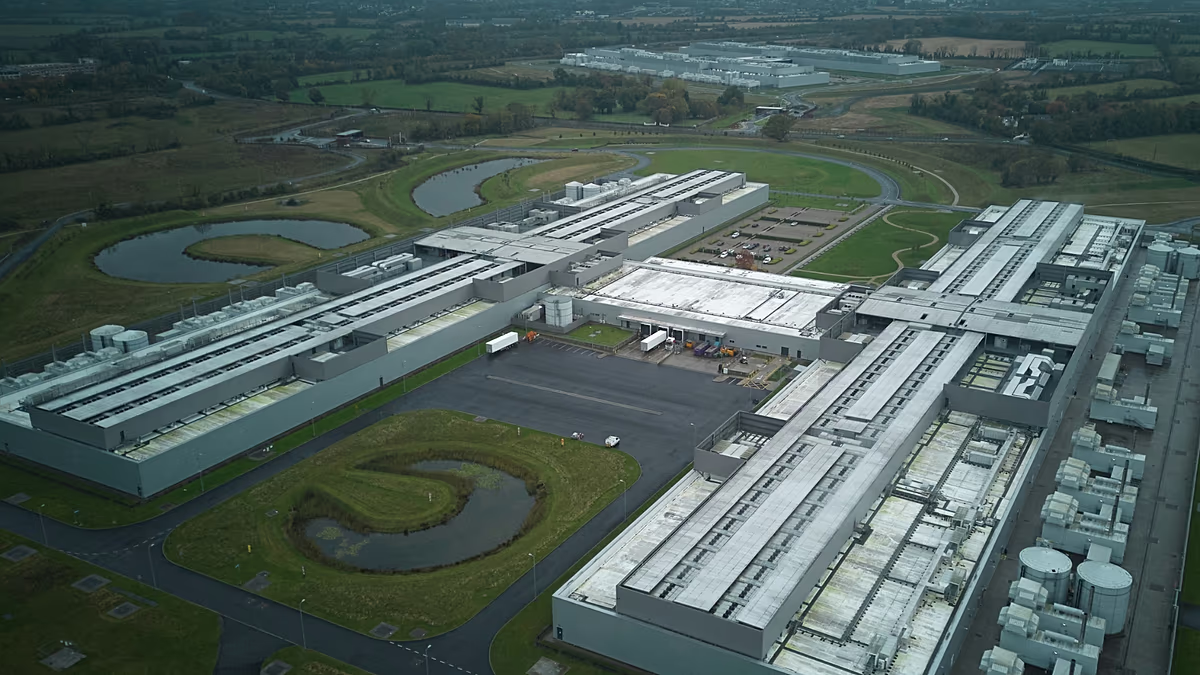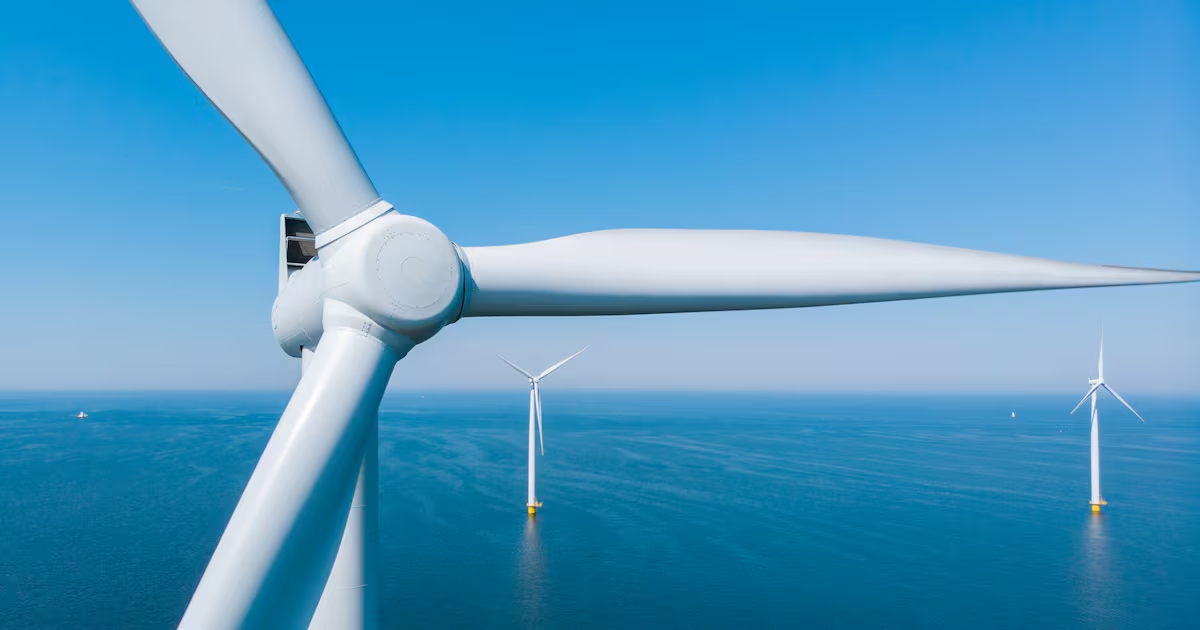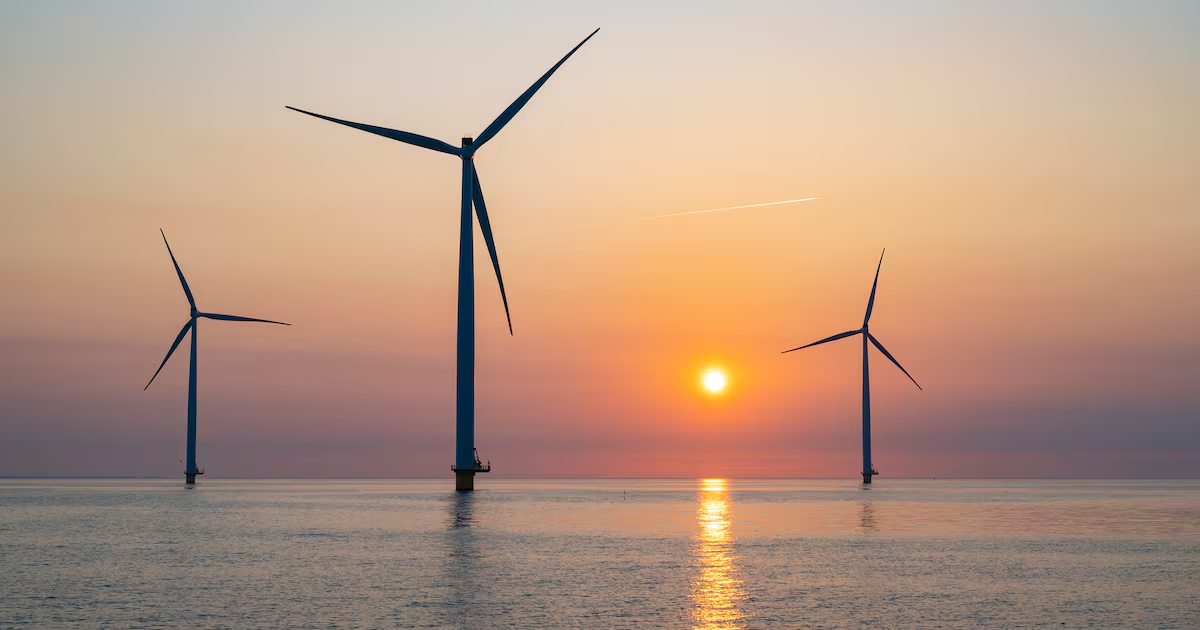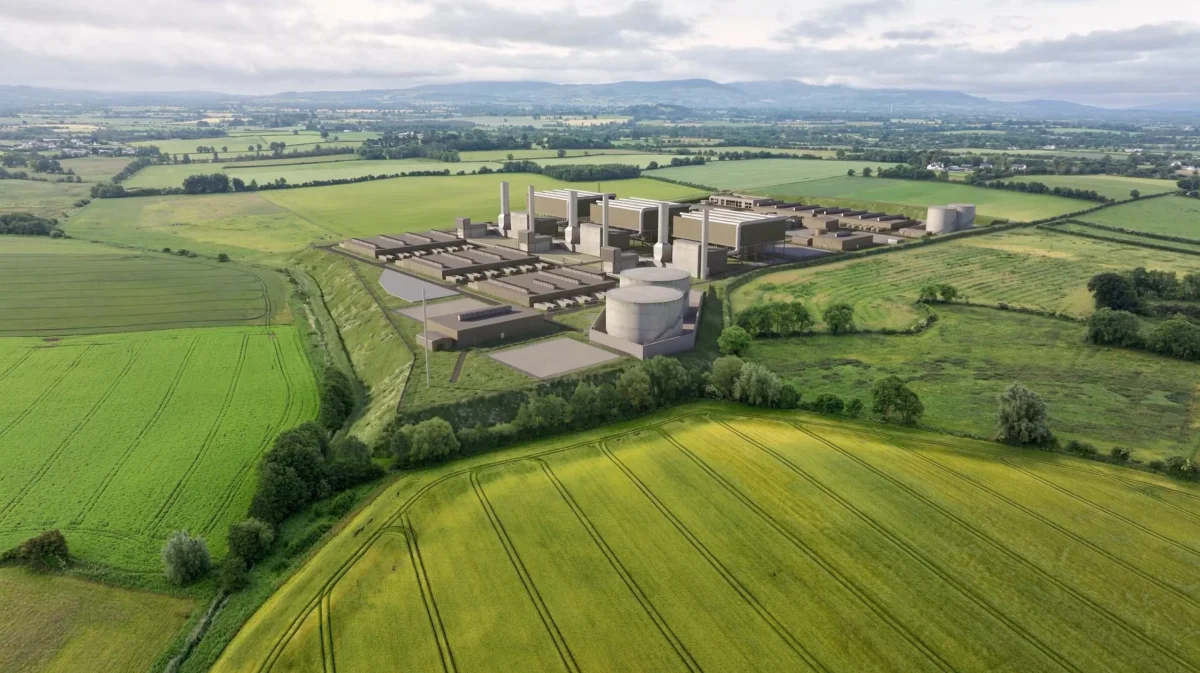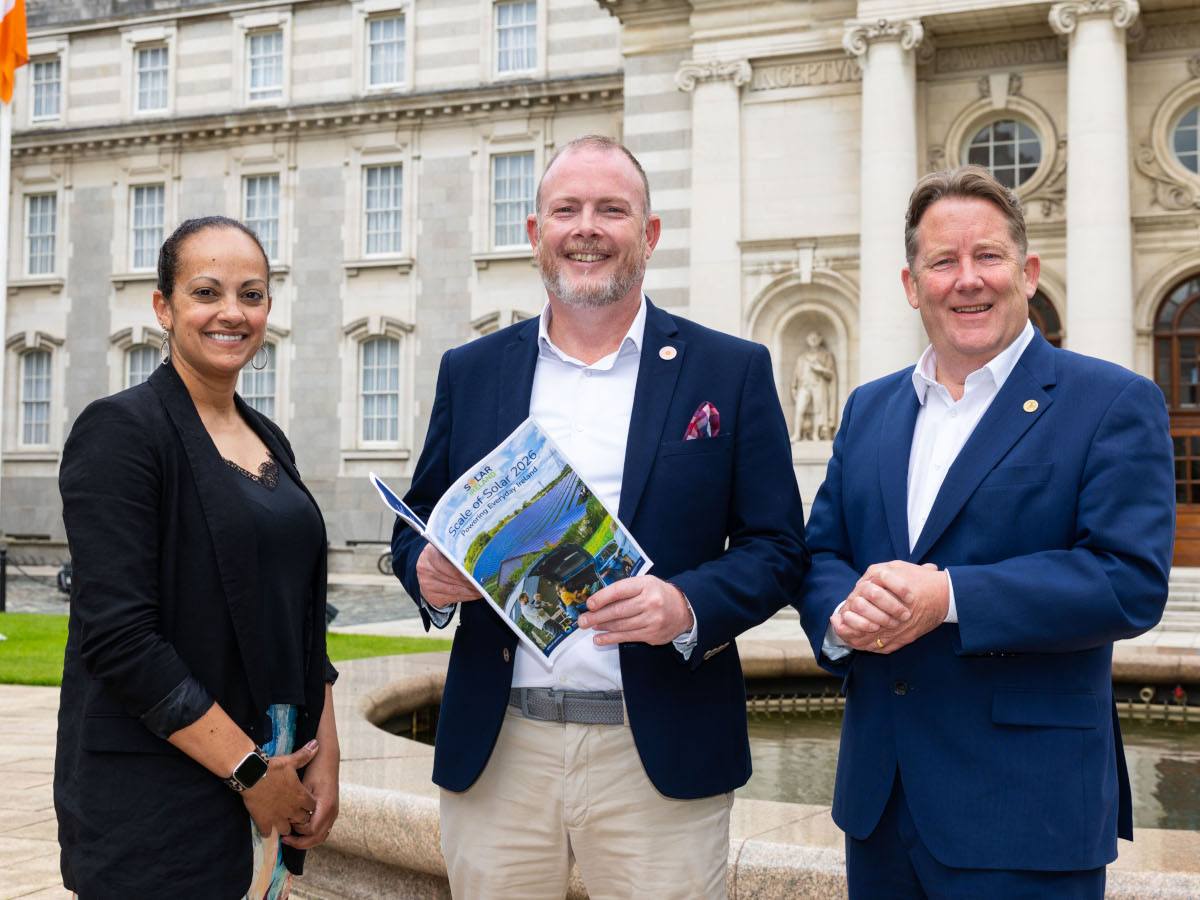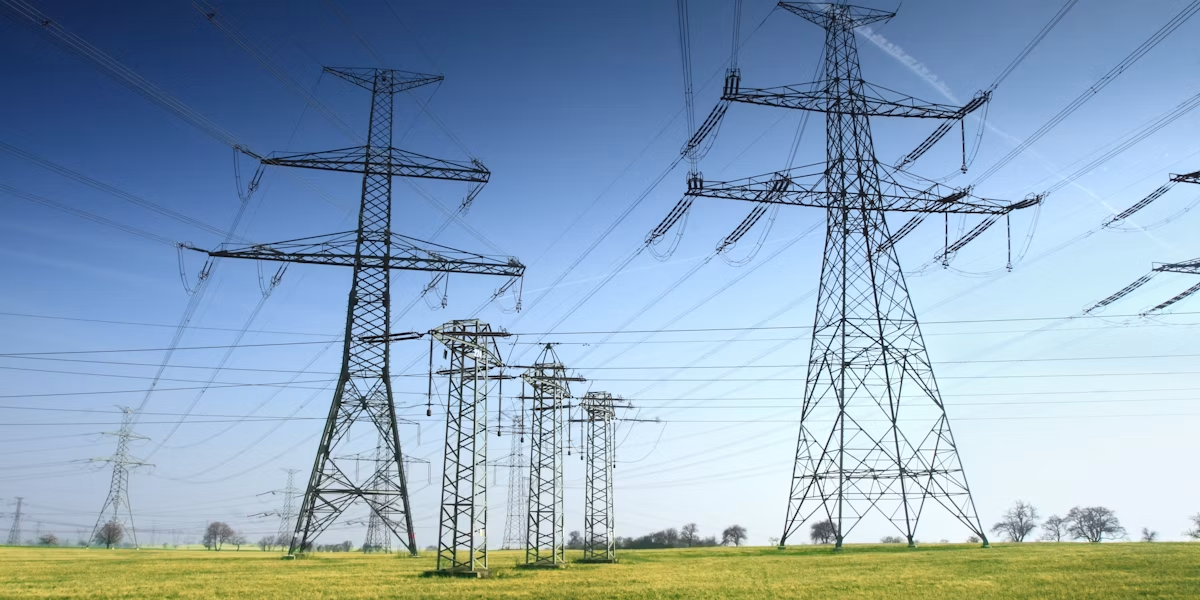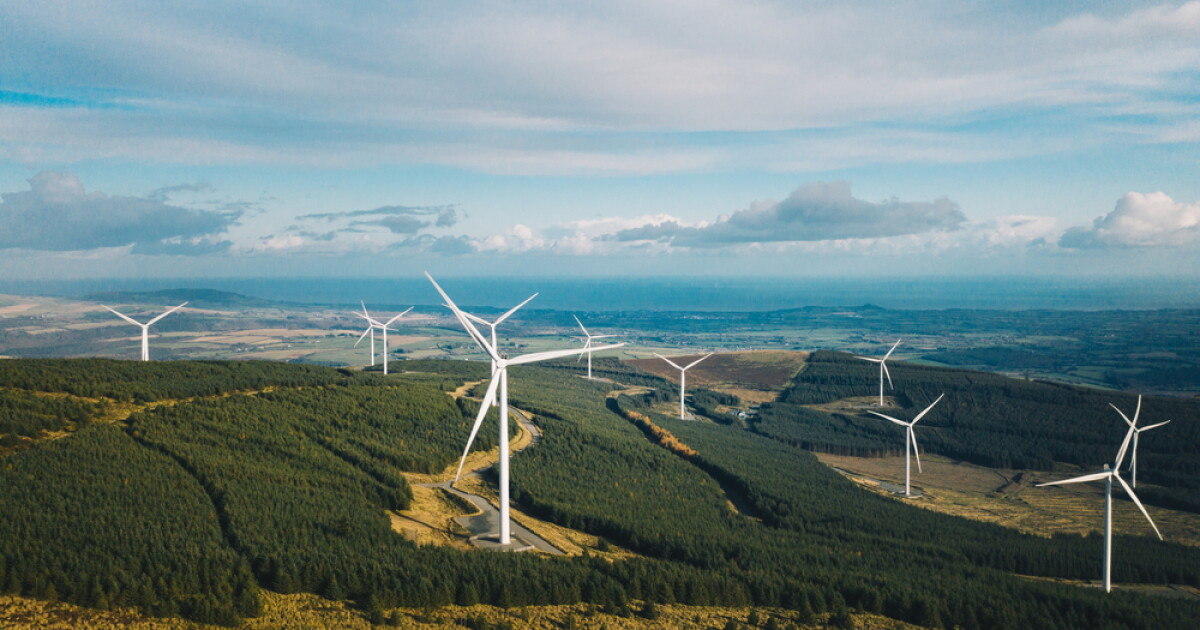
As Ireland crosses an historic 8 gigawatt renewables threshold, the narrative of its energy future is shifting from a green ideal to an industrial necessity. A "Silicon meets Green" synergy is transforming the nation into a European electrostate; however, there are still planning and infrastructure bottlenecks that stand between Ireland's wind potential and the national power grid.For decades, Ireland’s energy story was defined by dependence. Positioned on the Atlantic’s edge, Ireland relied on imported fossil fuels, with global market fluctuations often driving higher costs for households and businesses. The energy crisis of the early 2020s was a turning point, demonstrating that energy sovereignty is essential for national security and industrial competitiveness, not just a component of the green agenda.As of May 2026, Ireland stands at a pivotal moment, evolving from the symbolic “Green Island” to a leading European electrostate. The country has moved beyond policy ambition and pilot programs into a phase of large-scale delivery, underpinned by significant progress in renewable generation capacity, particularly in onshore wind. This momentum is increasingly evident in system performance, with provisional EirGrid data showing that renewable sources supplied 49% of Ireland’s electricity in March 2026, with wind accounting for the largest share of generation. Ireland’s recent achievement of reaching 8 GW of renewable generation capacity reflects sustained investment, policy alignment and industry collaboration across the energy sector. With a maritime area seven times the size of its landmass and a globally connected technology sector, Ireland is well positioned to build on this momentum and strengthen its long-term competitiveness, energy resilience and industrial growth.The 37 GW Ambition: Scaling the Natural AdvantageThe road map is as clear as it is ambitious: 5 GW of offshore wind by 2030, scaling to 20 GW by 2040 and at least 37 GW by 2050. To put that 2050 target into perspective, it represents roughly six times the current peak electricity demand. Ireland is striving for a full life cycle of development, building to power the decarbonization of Northern Europe.This progress is evident in the strong market response to Ireland’s offshore renewable energy auction process, which has brought greater clarity and encouraged long-term investment. For instance, the joint venture between Orsted and ESB secured development rights through the state’s offshore auction framework, advancing offshore wind projects and expanding Ireland’s renewable capacity. These results highlight Ireland’s success in attracting experienced energy partners and reinforce confidence in the country’s strategy.Silicon Meets Green: The Industrial SynergyA defining feature of Ireland’s transition is the collaboration between the renewable energy sector and our advanced technology industry. Ireland is a European hub for the semiconductor sector, hosting companies such as Intel, AMD and Qualcomm. Previously, high-tech manufacturing and data-intensive artificial intelligence infrastructure were seen as energy challenges. 2026 has redefined this relationship.Ireland’s transition is also creating new opportunities for companies already established in the market to reduce the carbon intensity of their operations and advance long-term sustainability goals. Increasingly, renewable energy is being integrated more directly into industrial and digital infrastructure strategies, particularly as businesses look to support future growth while lowering emissions. Developments such as BnM’s Energy Park model reflect this evolution, combining renewable generation and energy infrastructure with large-scale enterprise activity to support decarbonization, energy resilience and regional economic development.Innovation at the Edge: Hydrogen and InterconnectionAs Ireland’s renewable energy system continues to develop, diversification will be central to strengthening long-term energy resilience. While wind remains the foundation of renewable generation, solar has expanded rapidly and is now the country’s third-largest source of indigenous electricity generation, reflecting the pace of investment and deployment across the sector. Alongside this growth, continued progress in storage, interconnection, and emerging technologies such as green hydrogen is helping to support a more flexible and secure energy system. Although hydrogen remains at an early stage of development, pilot projects including the Microsoft and ESB collaboration on fuel cell backup power for data centers are beginning to demonstrate its longer-term potential within low-carbon infrastructure.Furthermore, the expansion of grid interconnection means Ireland is achieving greater integration with the broader European energy ecosystem. The Greenlink Interconnector, a 190 kilometer, 500 megawatt subsea cable linking County Wexford to Wales, has been fully operational since January 2025. By doubling the state's interconnection capacity, Greenlink facilitates the bidirectional exchange of renewable power capable of supporting up to 380,000 households and provides critical grid backup.This infrastructure will be further enhanced by the Celtic Interconnector, a 700 MW undersea link between East Cork and Brittany, which is scheduled to be fully operational and energized by fourth-quarter 2028. Together, these major interconnection projects allow the state to plug directly into the European Internal Energy Market, providing the necessary pathways to export surplus renewable generation, open new utility revenue streams and strengthen collective regional energy security while minimizing potential power curtailment.Assessing the Structural Bottlenecks: Areas for Strategic ImprovementWhile Ireland’s renewable ambitions are world-leading, the scale of this industrial shift naturally requires a continuous evolution of our existing frameworks. To ensure it maintains its current momentum and meets mandated targets, focus remains on refining three critical pillars of our national infrastructure.Firstly, the establishment of the Maritime Area Regulatory Authority, a dedicated new agency, is responsible for regulating development and activity in Ireland's maritime area, particularly in the context of offshore renewable energy projects, and The Offshore Wind Energy Clearing House was established to address systemic barriers and impediments to the timely delivery of offshore wind projects. By continuing to provide additional resources to our planning authorities, we can ensure that our high standards for environmental protection are matched by increasingly efficient decision-making processes, keeping the 37 GW road map on schedule. As minister for Climate, Energy and the Environment, Darragh O’Brien noted, when launching the Offshore Wind Energy Program Report, that continued progress in planning and delivery frameworks will be important to advancing offshore renewable energy, strengthening energy security, and reducing exposure to fossil fuel price volatility and supply disruption.Ireland’s offshore wind ambitions present an immense economic opportunity that requires synchronized port infrastructure. In neighboring Northern Ireland, Belfast Harbour has demonstrated the value of a fully equipped assembly hub. There is a clear pathway for Tier 1 ports in Ireland to further unlock their potential, with concrete milestones already under way. Notably, the Port of Cork Co. leveraged a €38.4 million ($44.4 million) Connecting Europe Facility grant to secure an €88.5 million investment agreement with the Ireland Strategic Investment Fund, funding the construction of the state's first dedicated offshore renewable energy-enabling port infrastructure. Accelerating similar redevelopments across strategic locations, including Shannon Foynes, will ensure that Ireland remains a primary hub for the assembly and deployment of next-generation turbines, retaining high-value manufacturing and logistics activities within the domestic economy.Finally, the integration of 37 GW of offshore power is supported by EirGrid’s €18.9 billion landmark investment in the national transmission system. This project, as outlined in EirGrid’s Shaping Our Electricity Future road map, will play a central role in enabling Ireland’s energy transition. As investment in substations, transmission infrastructure and grid expansion continues, ongoing engagement with communities and stakeholders will remain important to supporting delivery and ensuring the long-term resilience, security and efficiency of the national energy system.Securing Ireland’s Industrial LeadershipWhile the global energy landscape remains complex, Ireland’s strategic trajectory is firmly established. The recent achievement of 8 GW in renewable generation capacity reflects the continued progress of Ireland’s energy transition. Sustaining this momentum over the longer term will require continued focus on areas including planning, infrastructure investment and workforce development.Ireland possesses the necessary natural resources, legislative frameworks and industrial partnerships to support this transition. Continued progress in resolving grid, regulatory and supply chain challenges will ensure the state fully capitalizes on its comprehensive renewable energy potential. Ultimately, these targeted infrastructure and talent investments will reduce external market dependencies, enhance national energy resilience, and provide a stable, sustainable foundation for future industrial growth.Shauna Higgins is vice president of engineering and green economy at IDA Ireland, the Irish government's inward investment and development agency. The views expressed in this article are those of the author.
Ireland’s Ongoing Transformation Into a Global Electrostate
The narrative of Ireland's energy future is shifting from a green ideal to an industrial necessity, argues IDA Ireland's Shauna Higgins.
TL;DRAI
Ireland reached 8 GW renewable capacity (May 2026) with 49% electricity from wind, targeting 37 GW by 2050. The "Silicon meets Green" synergy cuts energy costs and emissions for semiconductor/AI infrastructure, boosting Ireland's EU competitiveness.
1,330 words~6 min read