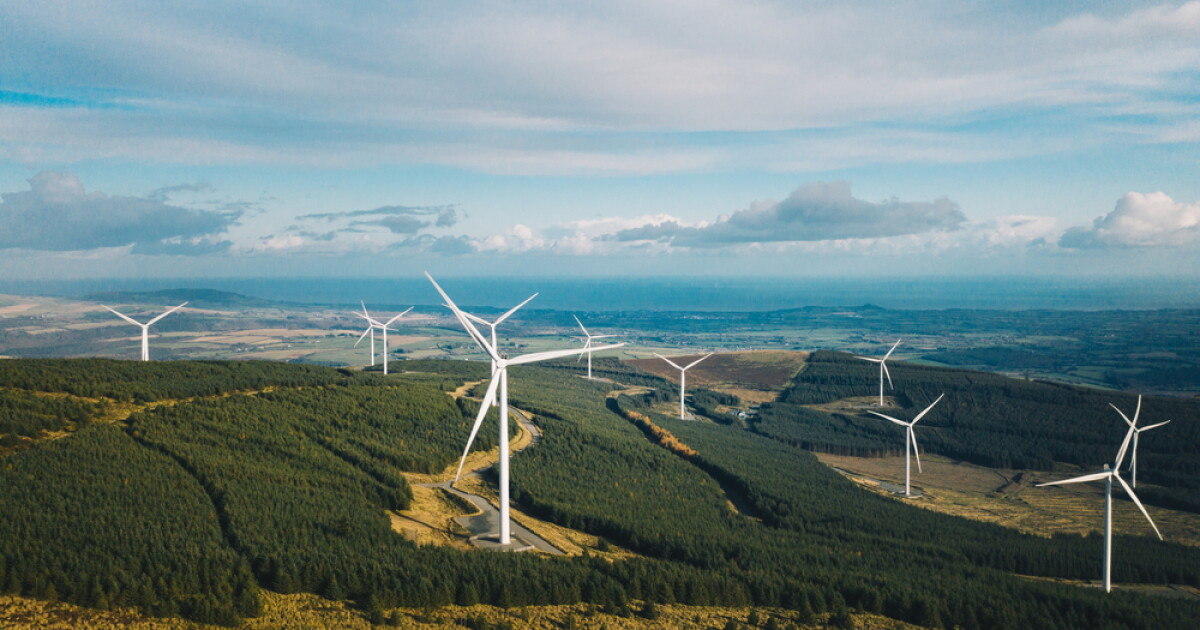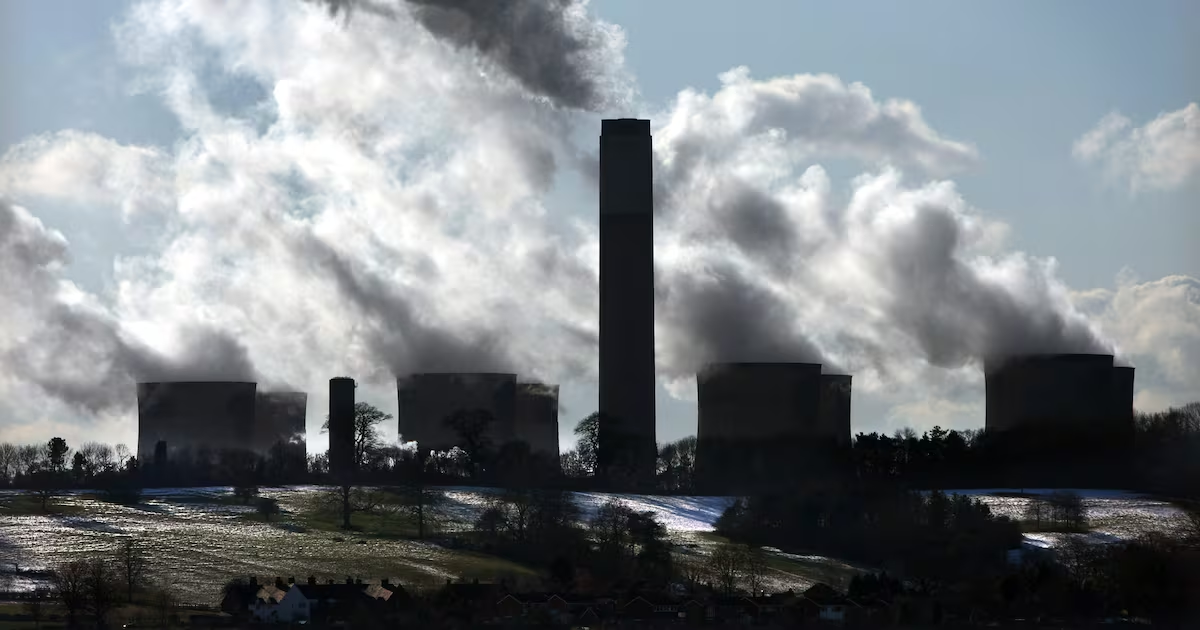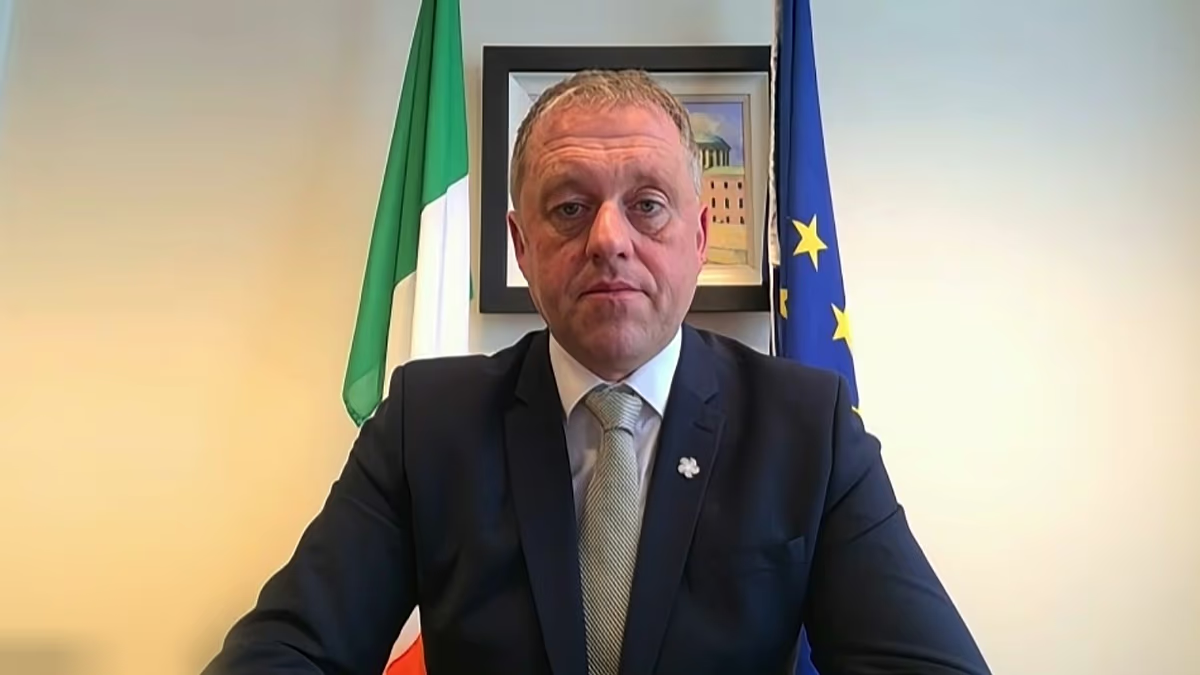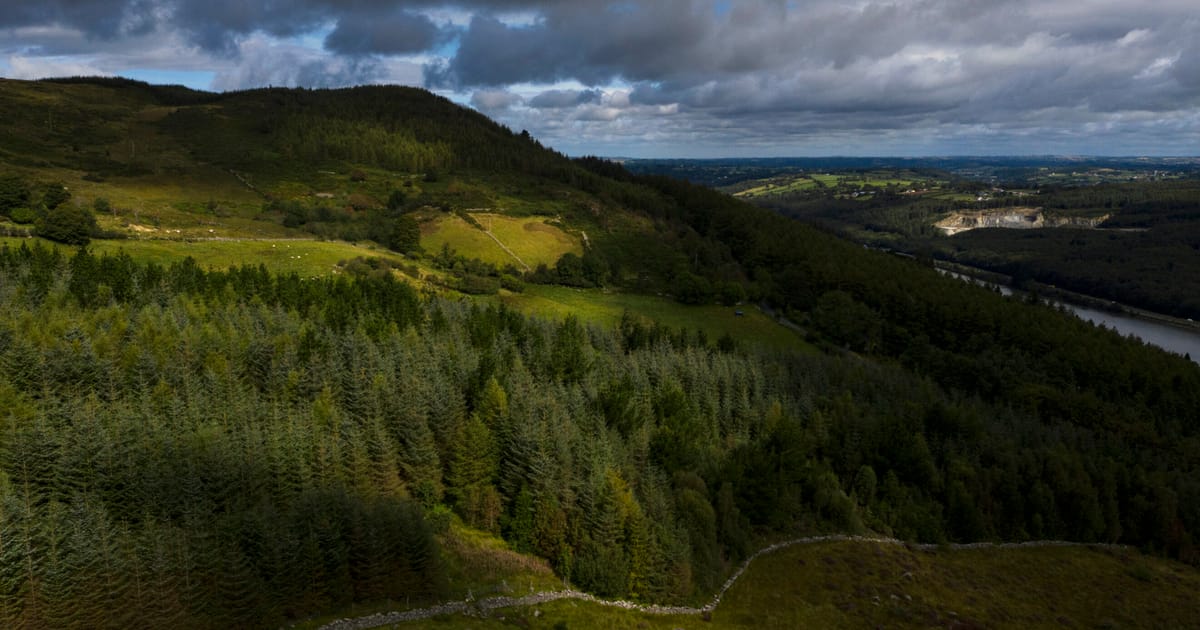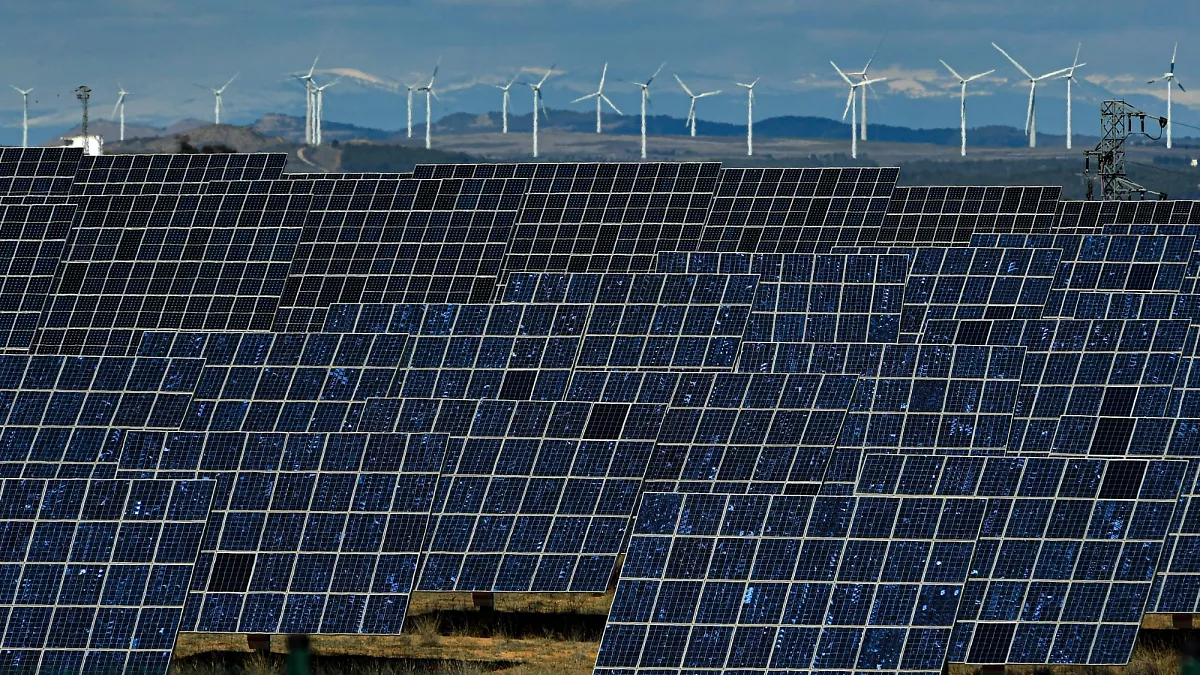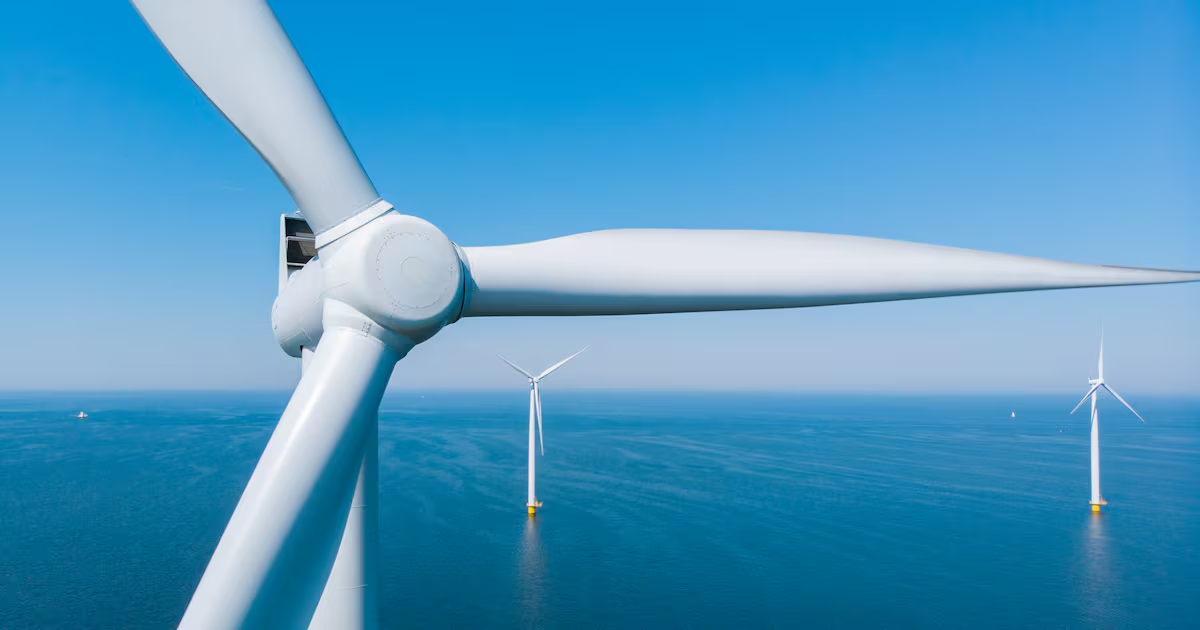
Driving consensus through diplomacy is central to Ireland’s role in the European climate action agenda. The European Green Deal, which targets a 55 per cent emissions reduction by 2030 and climate neutrality by 2050, creates both obligations and opportunities for Irish organisations, and spans considerations from supply-chain management to financial reporting.The key question is how the State can balance wider climate ambitions with domestic realities, and the practical steps and supports required to align Ireland’s green ambitions with our European responsibilities. In Ireland, and across Europe, delivering on climate and energy commitments will come down to one thing: pace, says Stephen Wheeler, managing director of SSE Renewables. “The Irish Government and the European Commission have set a clear direction – to build an energy system based on clean electricity that delivers climate progress, energy security and economic growth. The question now is how we deliver. “From an Irish perspective, the backbone of that delivery will be wind power. Onshore wind has been a major success story over the last 30 years. Today, it regularly provides 40 per cent of the country’s electricity demand in any given month.” But Wheeler says it’s the vast scale of Ireland’s unrealised offshore resource that can make Ireland a European leader in renewable energy. “Projects like SSE’s Arklow Bank Wind Park 2 show the scale of project needed to help deliver that ambition.” For Irish businesses, the determining factor in progressing delivery is often whether sustainability is embedded in strategy, operations and investment decisions, rather than treated as a stand-alone reporting exercise, says Marc Byrne, energy transition partner at EY Ireland.“For Irish businesses, this is not just about compliance but about embedding sustainability into strategy and seizing opportunities for innovation and collaboration. Sustainability is increasingly a driver of long-term value creation – it enables organisations to balance risk with opportunity and build resilience in a changing regulatory environment.” There is a gap between ambition and delivery, says Byrne. “EY’s 2025 State of Sustainability report found that, while 37 per cent of Irish organisations report having a net-zero goal, only 26 per cent express strong confidence in achieving it. “Businesses are also operating in a complex environment, managing evolving regulations, geopolitical uncertainty and shifting stakeholder expectations while they pursue decarbonisation goals. Many are also still building the systems, data capabilities and internal expertise needed to track progress effectively and make sustainability part of everyday decision-making.” Ultimately, Byrne says, success will depend on maintaining strategic clarity and embedding sustainability across the business, rather than treating it as a stand-alone compliance exercise. Across Europe, lengthy and complex planning and permitting processes continue to delay critical infrastructure delivery, with major projects often taking a decade or more to complete, explains Wheeler. “In Ireland, initiatives like the Government’s accelerating infrastructure action plan and offshore wind clearing house are starting to unlock progress, and it’s crucial this momentum is maintained.” Competitiveness and sustainability should be treated as connected, not competing, priorities, says Byrne. “Organisations moving early will be best positioned to manage costs, attract green finance and remain competitive in a low-carbon economy. “The way a business embraces sustainability is integral to resilience and long-term value, and how it reports on these matters is crucial to building confidence and trust.” The energy transition requires significant investment, but the cost of inaction is far greater, says Wheeler. “Every energy crisis we’ve experienced has exposed our vulnerability to global markets and geopolitical shocks.“The solution is to build an electricity system that delivers lower costs, greater security and long-term resilience. When people and businesses can see these benefits, the energy transition becomes a national project rather than a political aspiration. The direction is clear. The priority now is to move decisively from ambition to delivery – at scale and pace.” Private investment is key to achieving these significant targets, and the Government recognises the role it must play in enabling it, says Byrne. “With unprecedented public investment of up to €275 billion between now and 2035 to deliver on the National Development Plan, the intent is clear and will give confidence – and the right market signals – to industry.”
Ireland in the European Green Deal: Offshore wind progressing amid streamlining initiatives
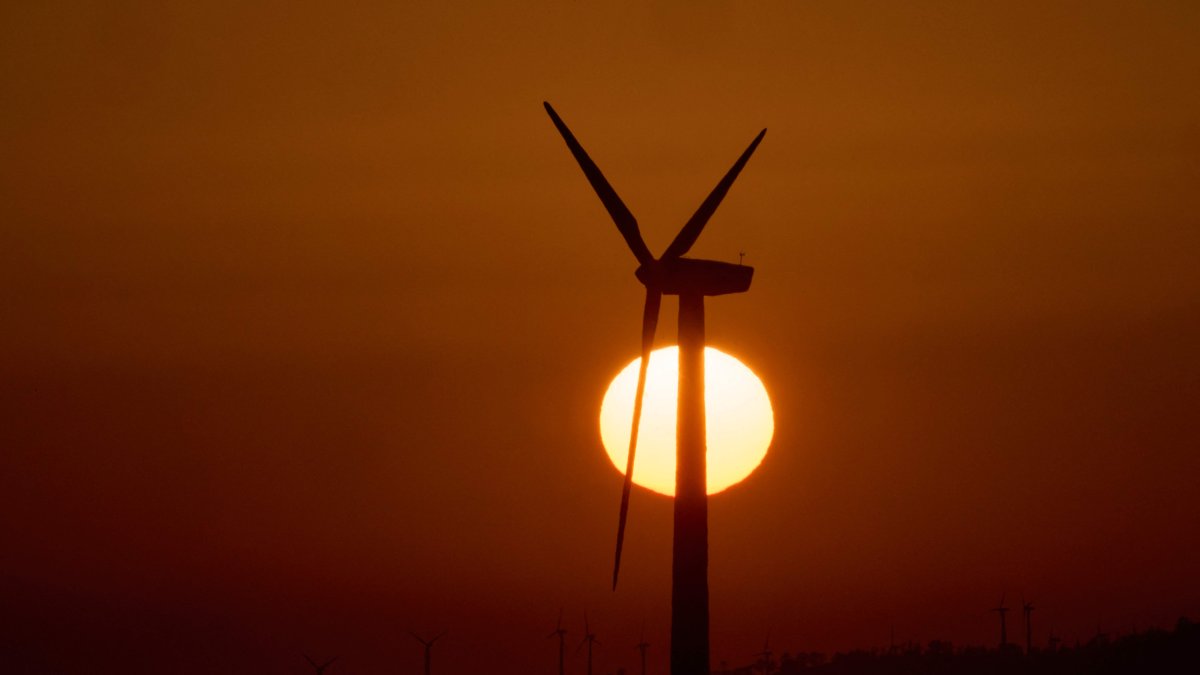
The vast scale of Ireland’s unrealised offshore resource could make Ireland a European leader in renewable energy
686 words~3 min read