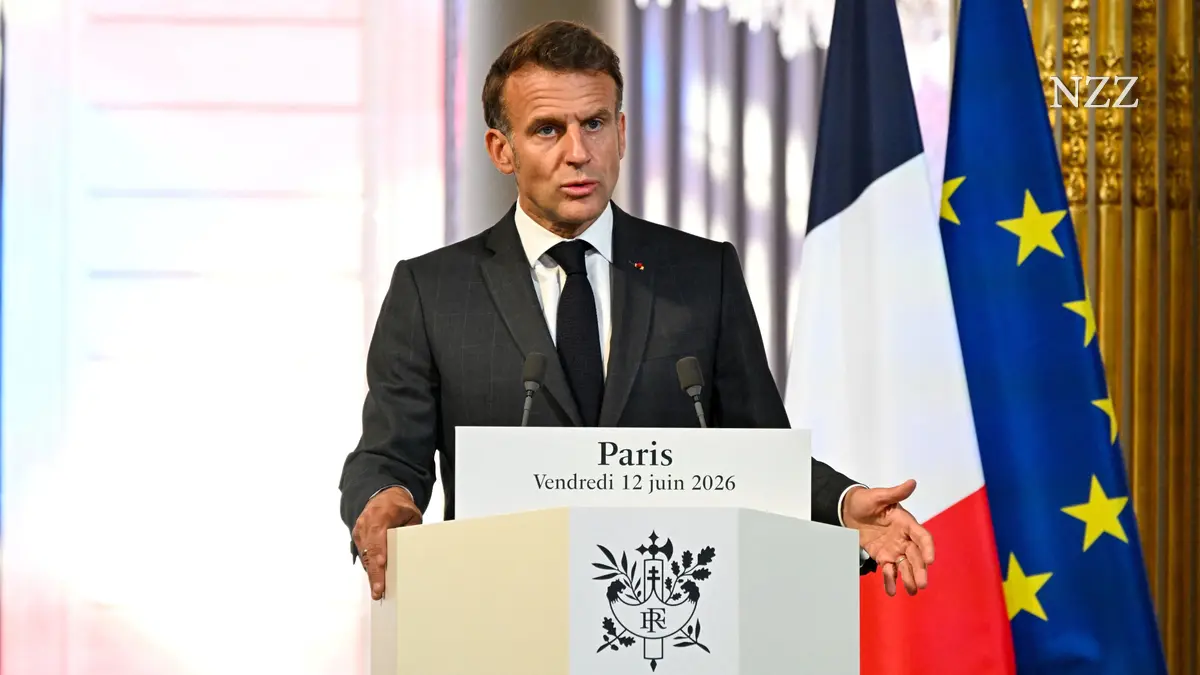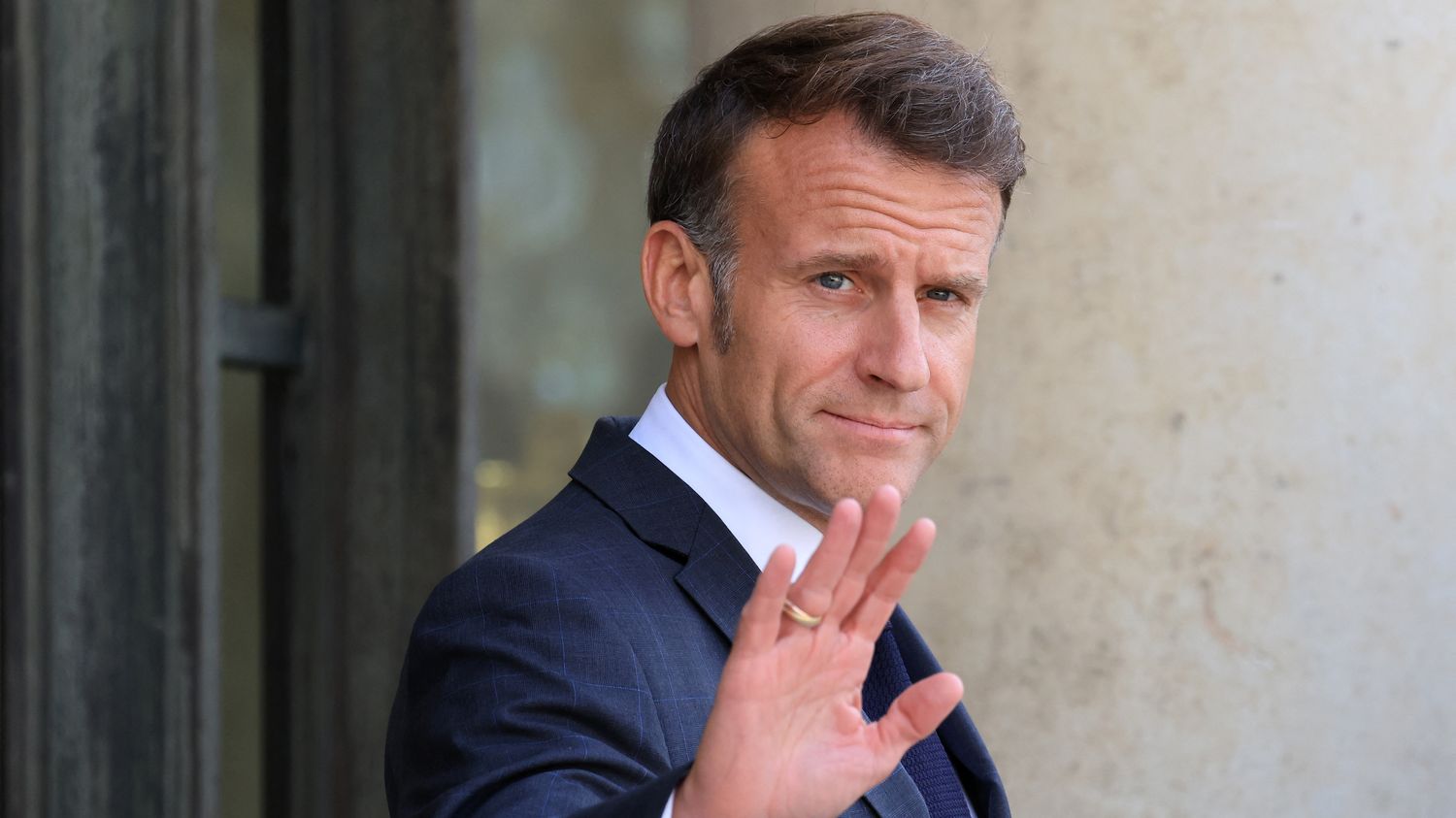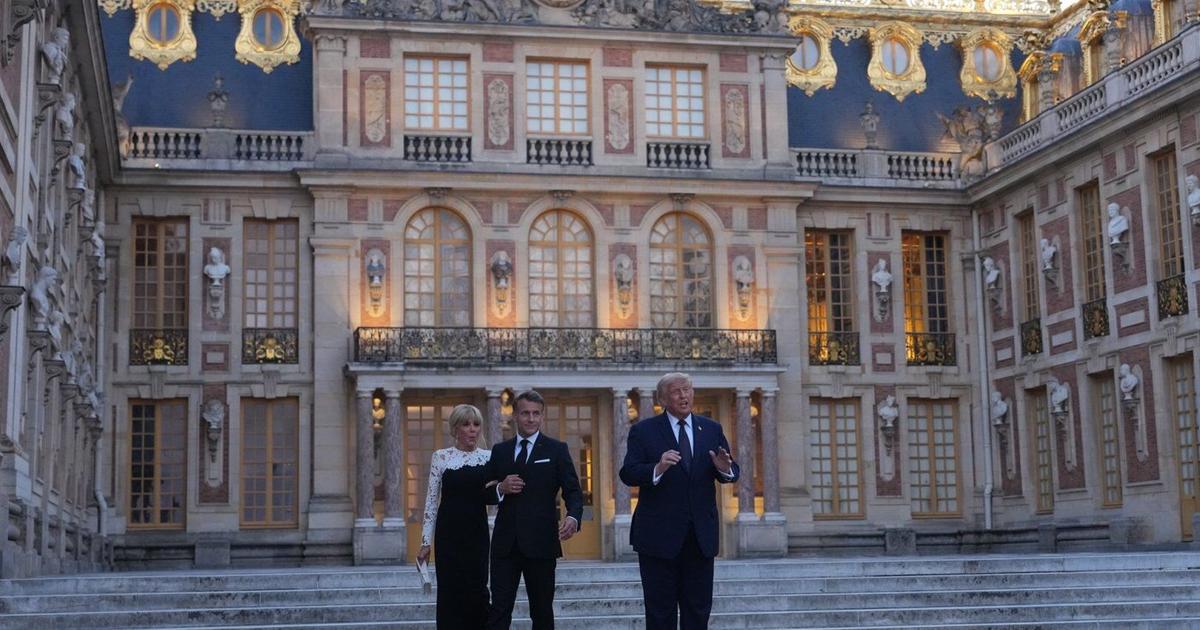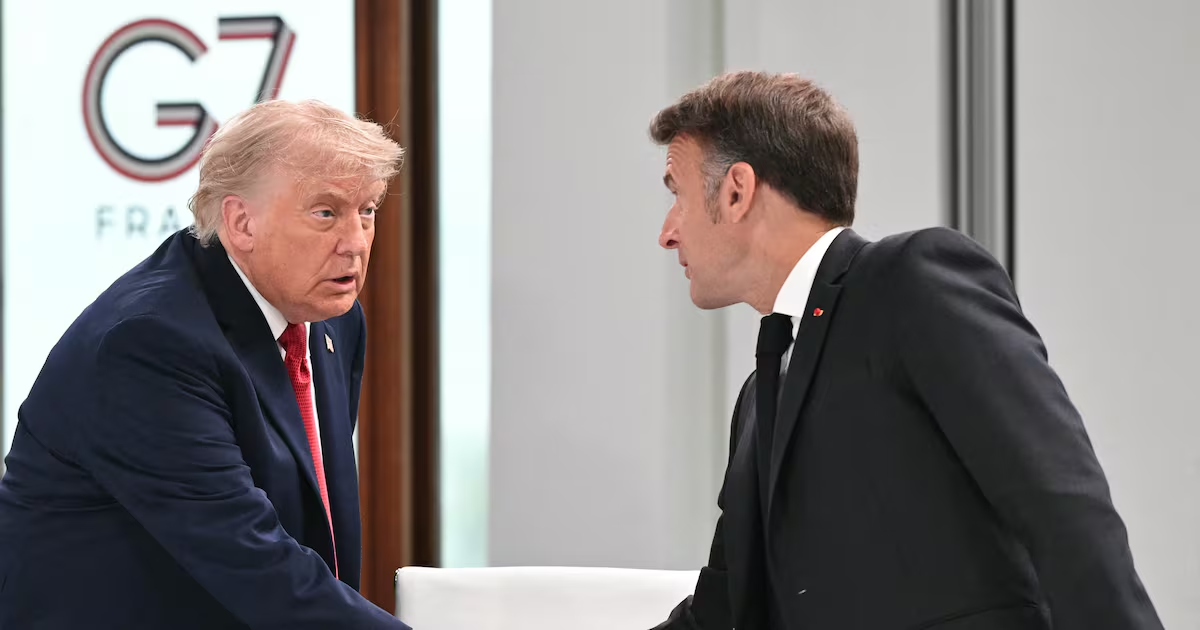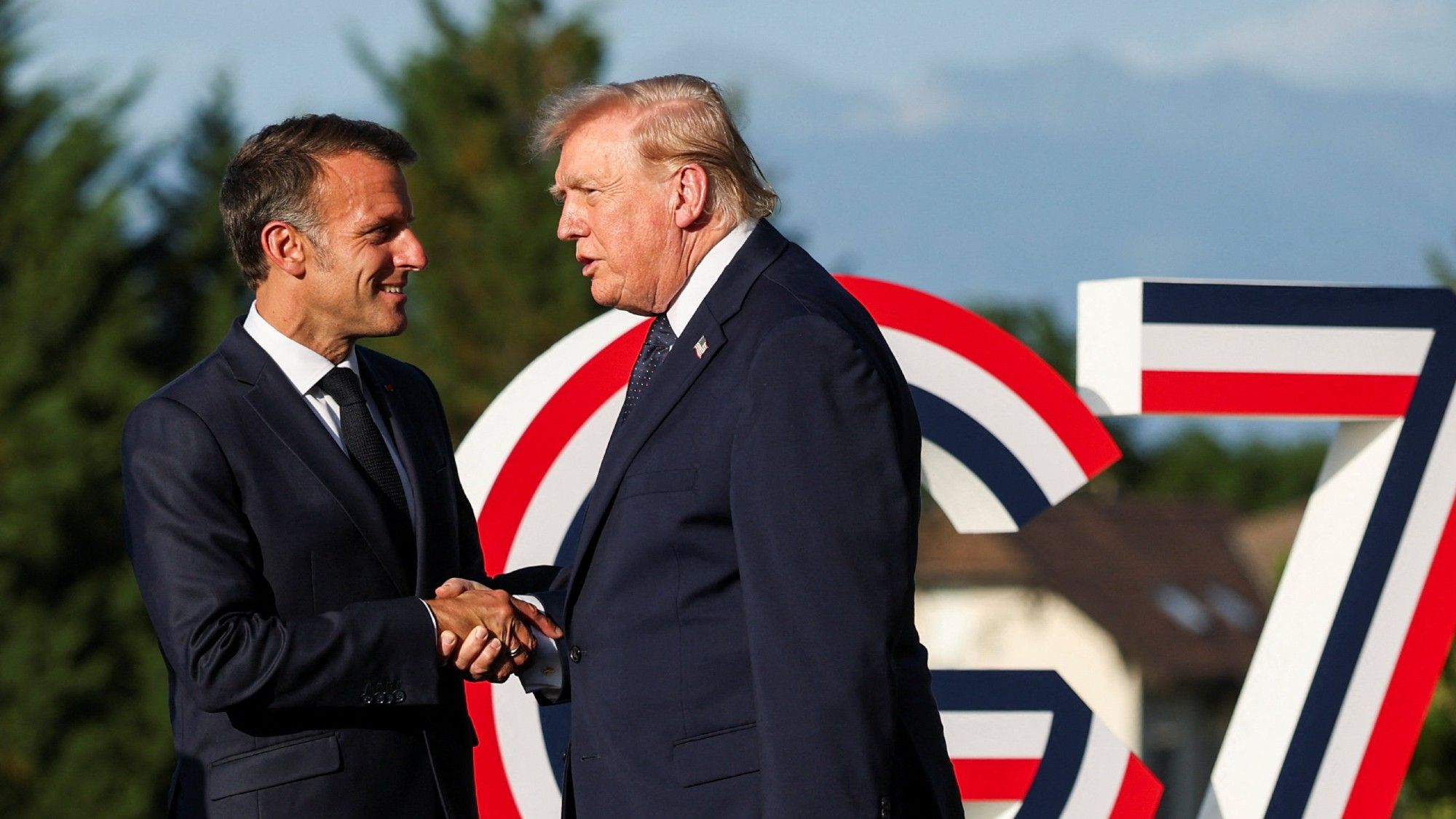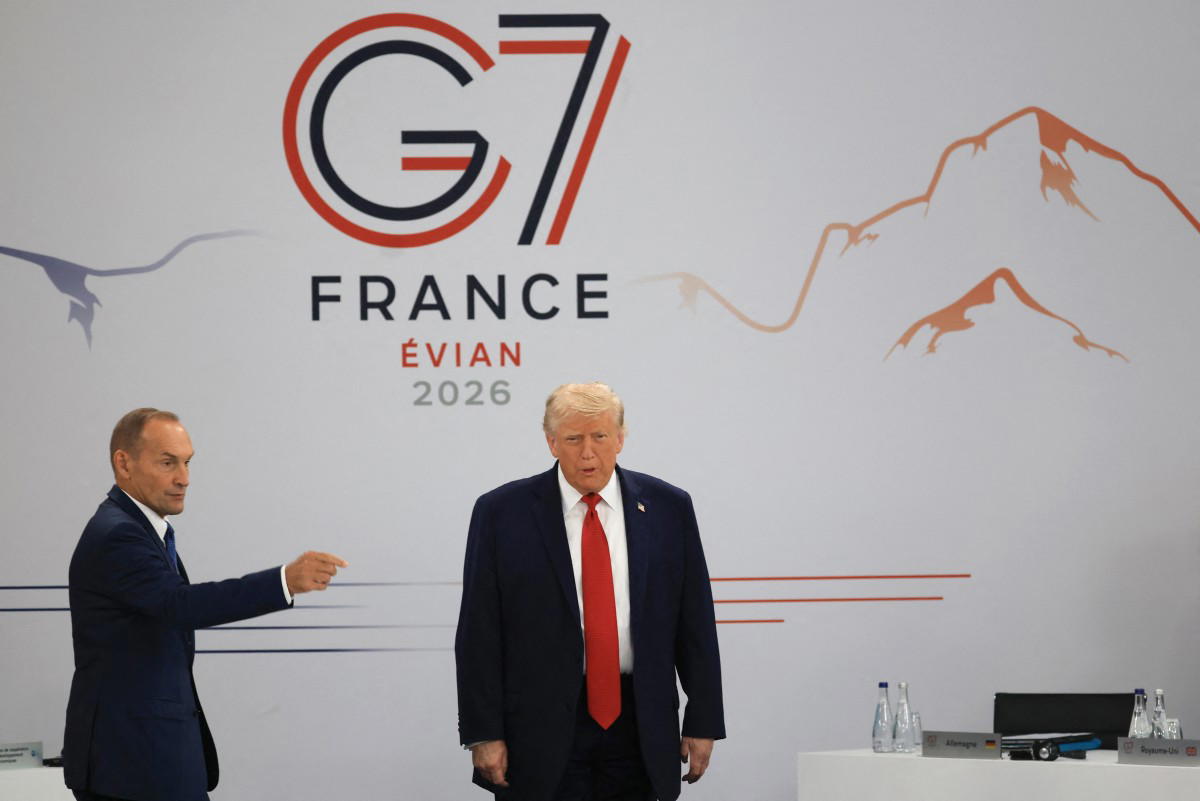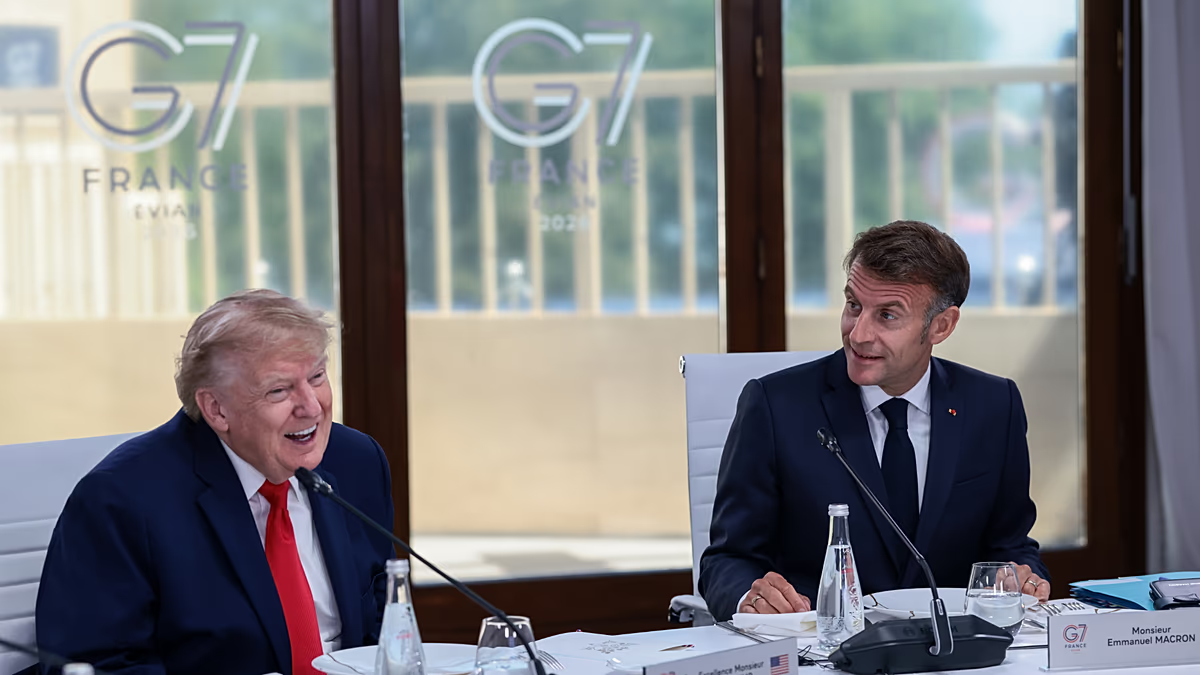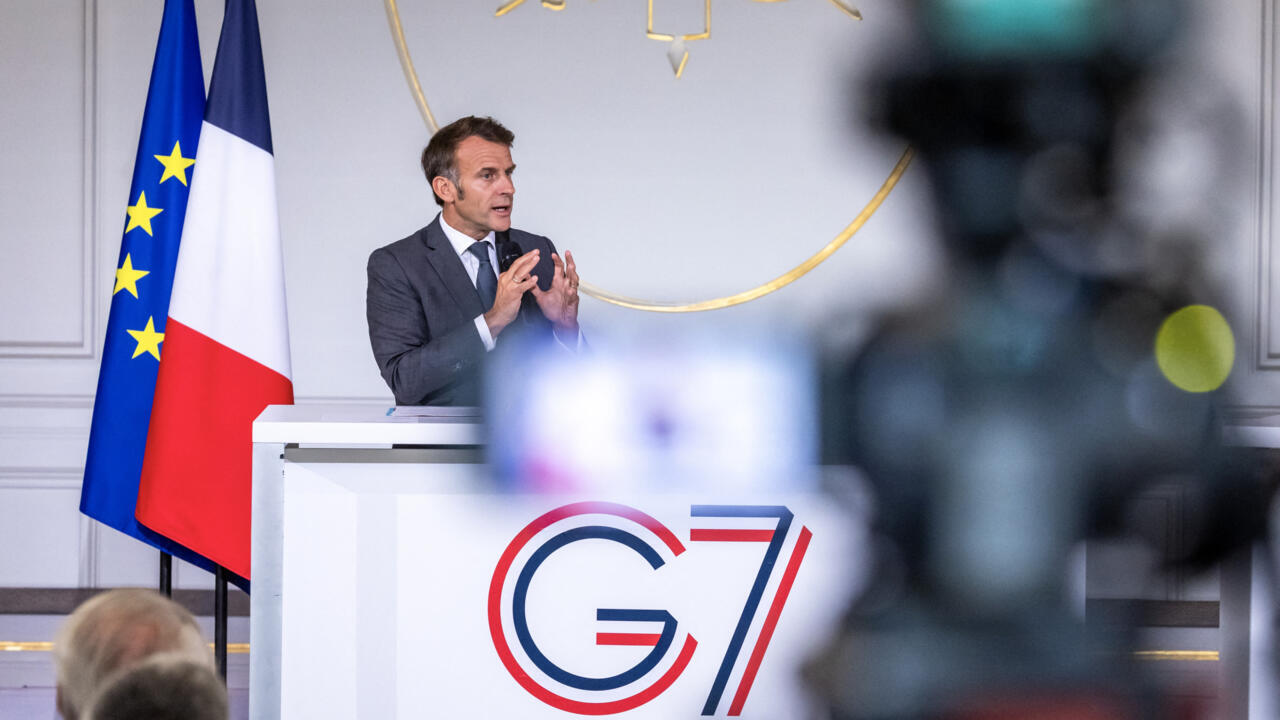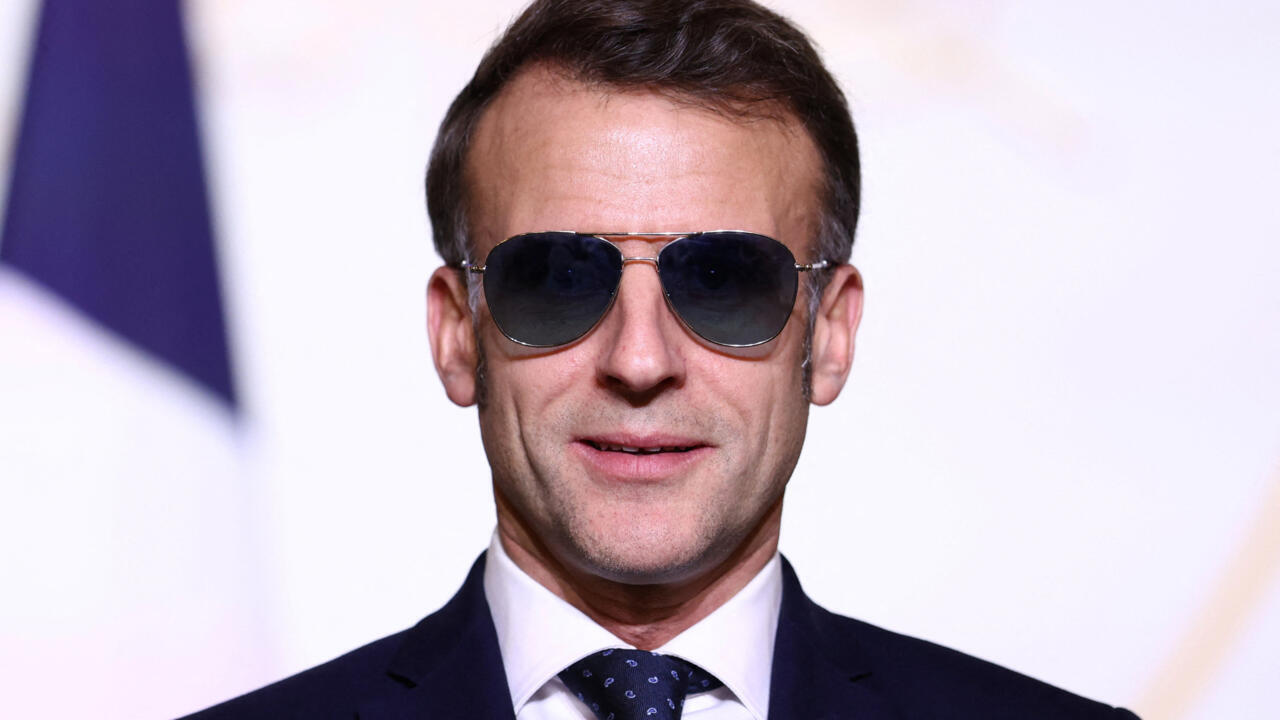
Then a fresh-faced former banker still shy of his 40th birthday, Macron came to power in 2017 short on political experience but big on ideas, one of which was that Europe should gain strategic autonomy and be less reliant on the United States.Macron most famously articulated his vision at this year's World Economic Forum in Davos where, wearing aviator sunglasses due to an eye condition and punctuating his speech with the English phrase "for sure", he said Europe needed to stand up to "bullies" and be "much stronger and more autonomous".Now into the final year of his presidency, Macron has a chance to push his vision at the meeting of the seven leading powers where Trump will sit down at the table with France's top European allies, plus Canada and Japan."France holds the G7 presidency with a clear ambition -- to restore the G7 as a forum for frank dialogue among major economies," Macron said in Davos in January.With Trump at centre stage at the G7 in Evian-les-bains, Macron will meet the US leader before the summit gets underway on Monday and then host him for dinner at the Palace of Versailles outside Paris on Wednesday.'Battle of ideas'Macron's aides do not tire of claiming that Trump's protectionist trade policies, American freelancing on the international stage and even threats to leave NATO have vindicated the French leader. His chief foreign policy advisor Emmanuel Bonne stated simply: "Macron was right."But far from seeing Macron's vision implemented, Europe has largely played the role of bystander in the Iran crisis while only the most limited progress has been made towards assuming its own defence.While Macron may have "won the battle of ideas", he has only partially succeeded in translating his intuition into collective action to change Europe, said the former French diplomat Michel Duclos, a resident senior fellow at the Institut Montaigne.
'For sure': Macron to preach stronger Europe vision at G7 swansong
Emmanuel Macron this week hosts world leaders in his last G7 summit as French president, feeling that Donald Trump's second mandate has vindicated his dream of a stronger Europe but with that vision…
TL;DRAI
Macron hosts the G7 pushing European autonomy from the US, citing Trump as vindication of his vision. For tech leaders, this signals pressure to build European tech sovereignty and reduce dependence on American digital platforms.
621 words~3 min read