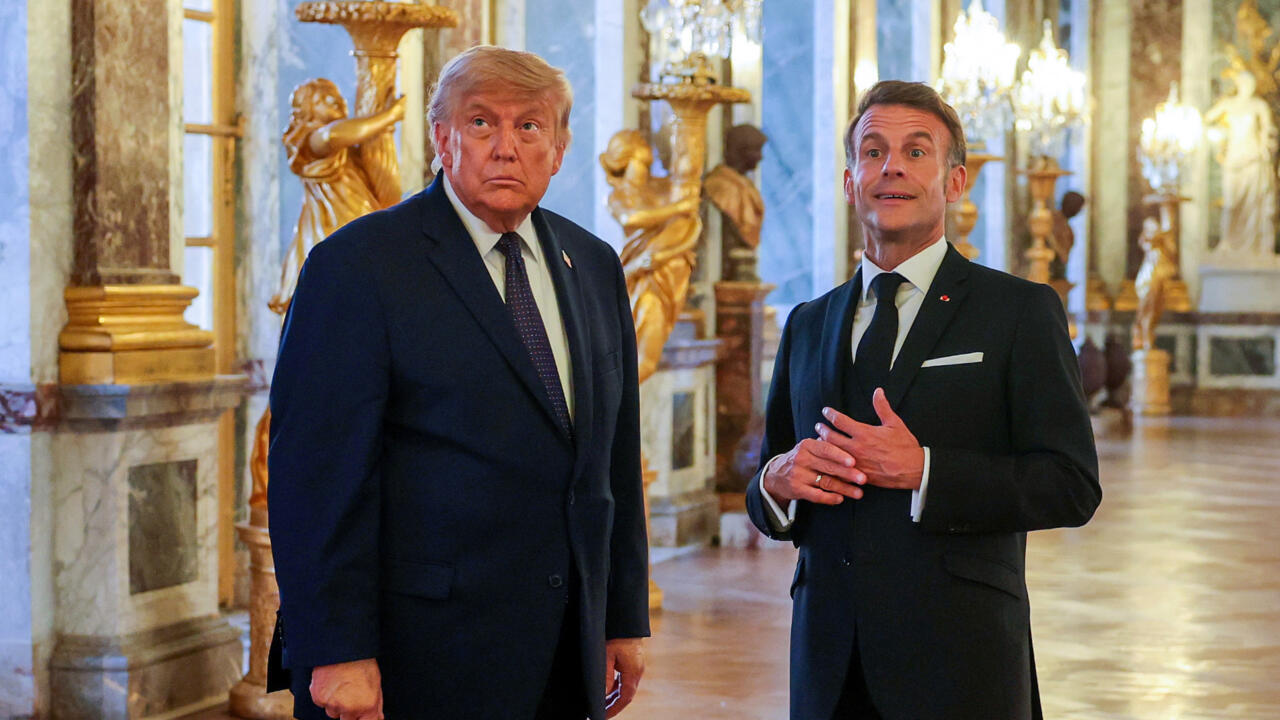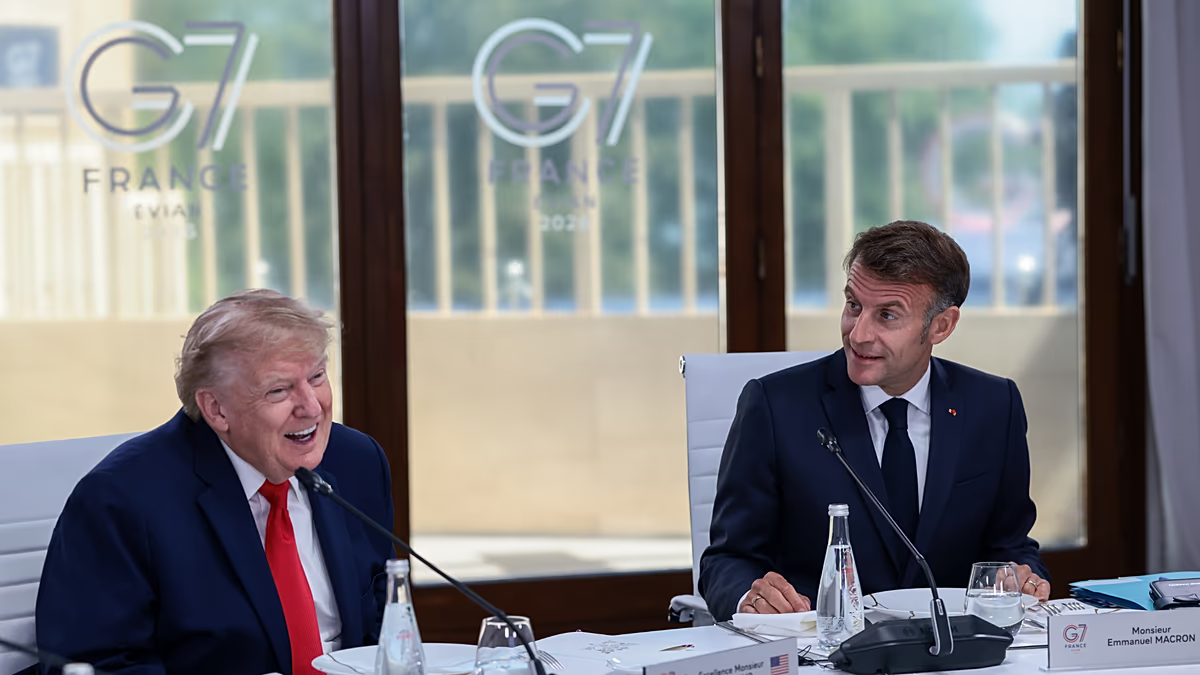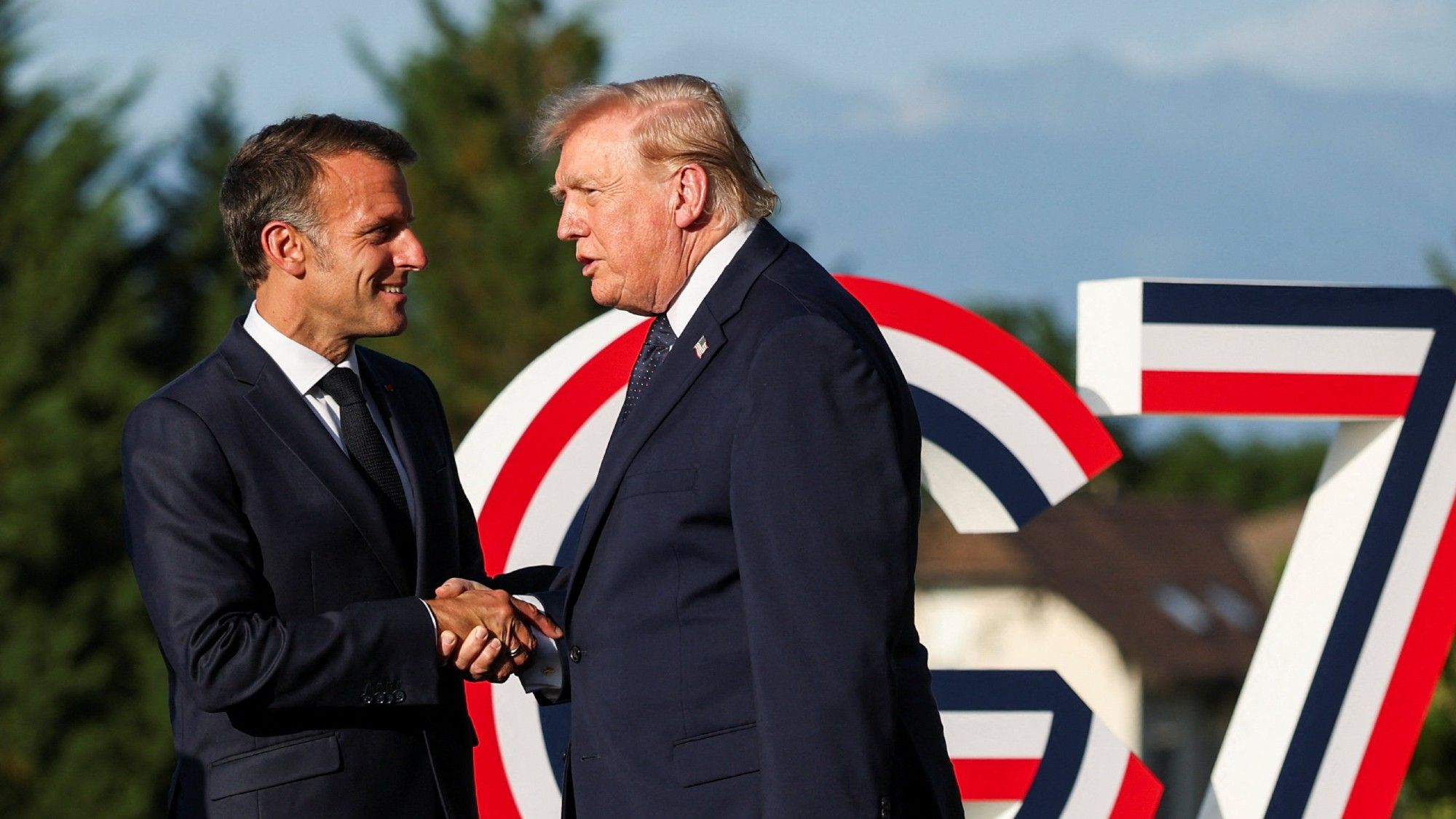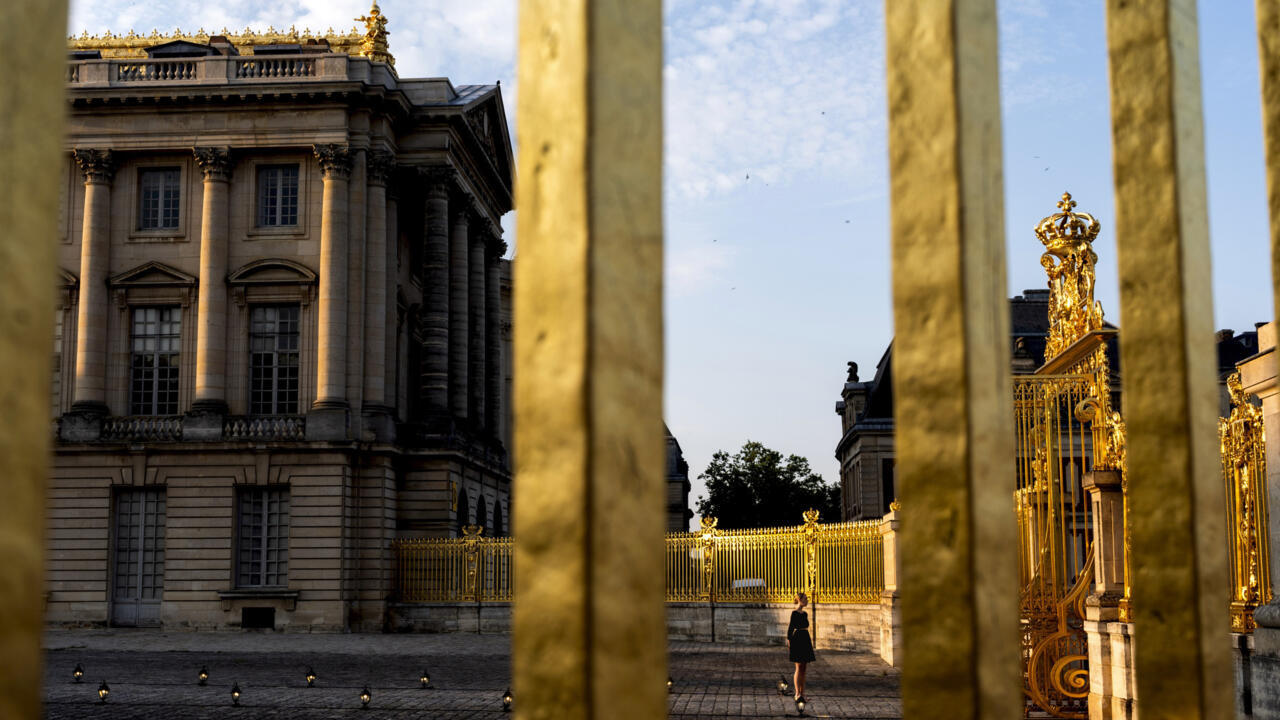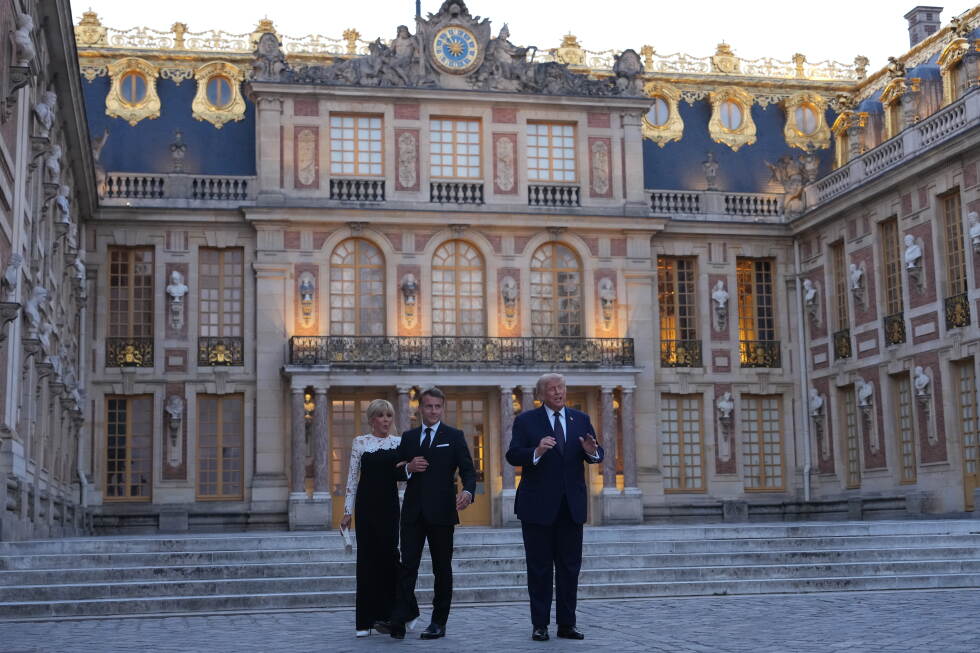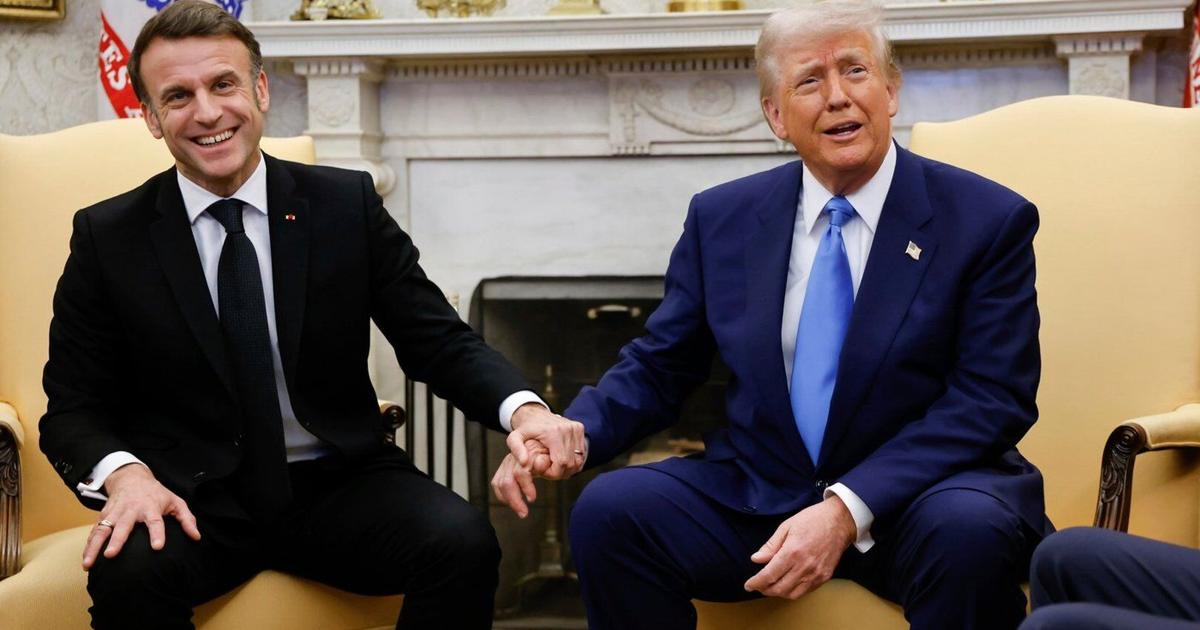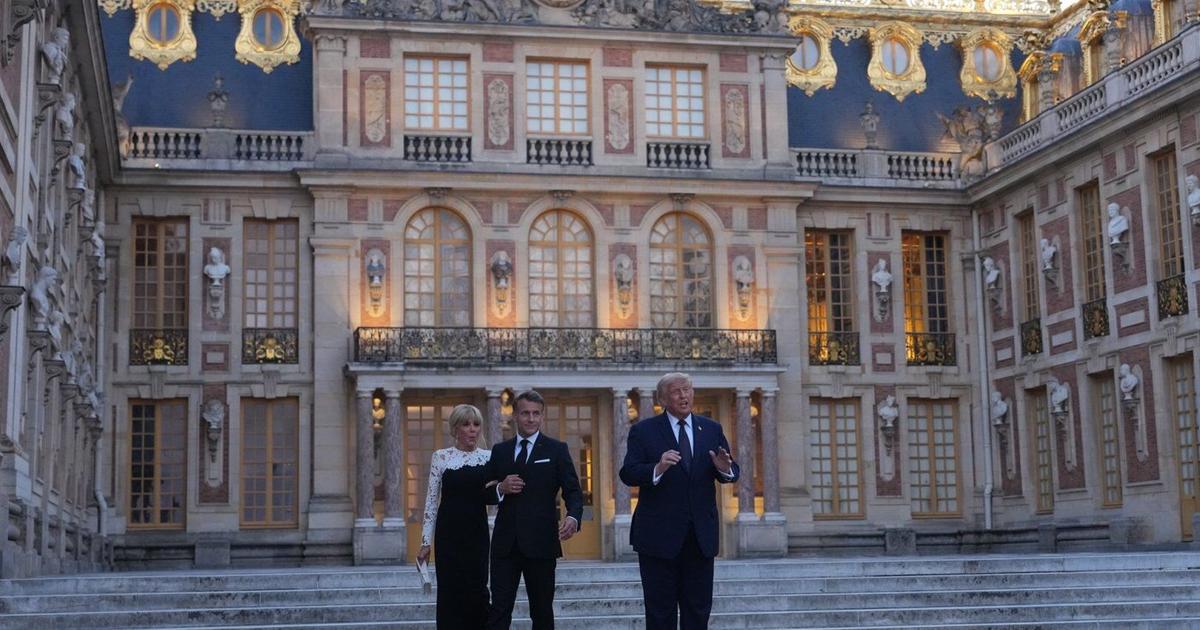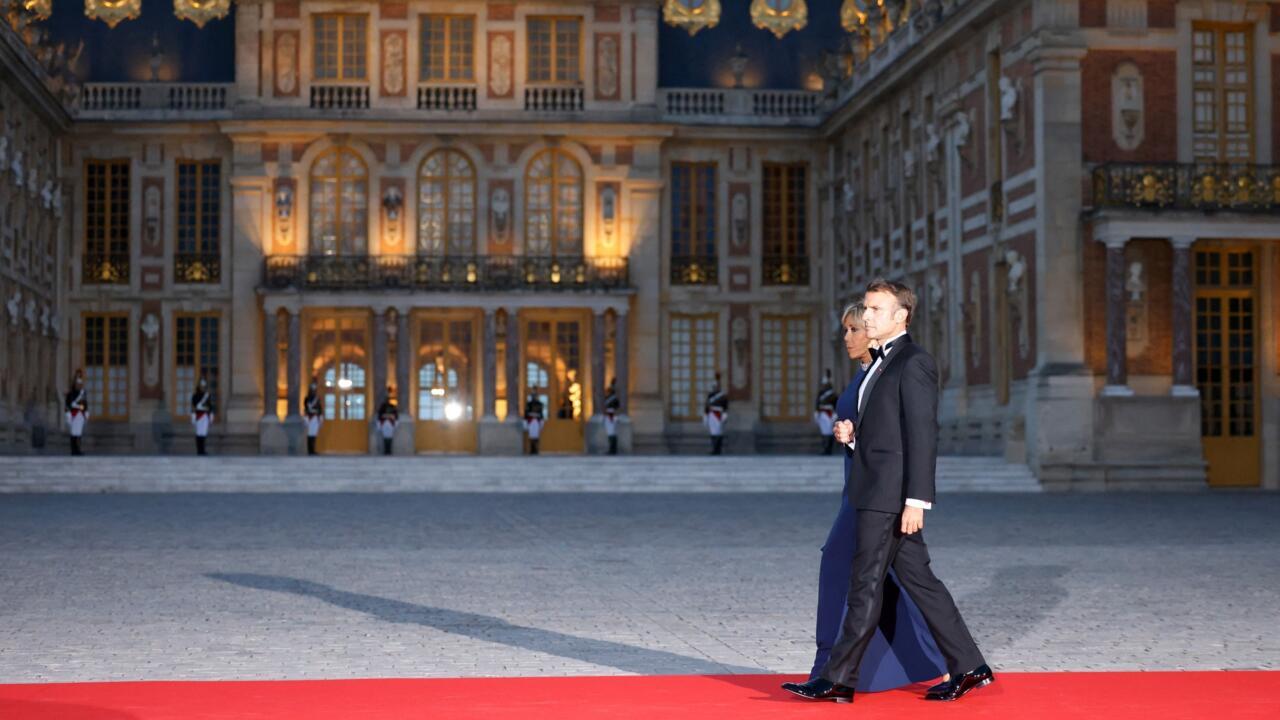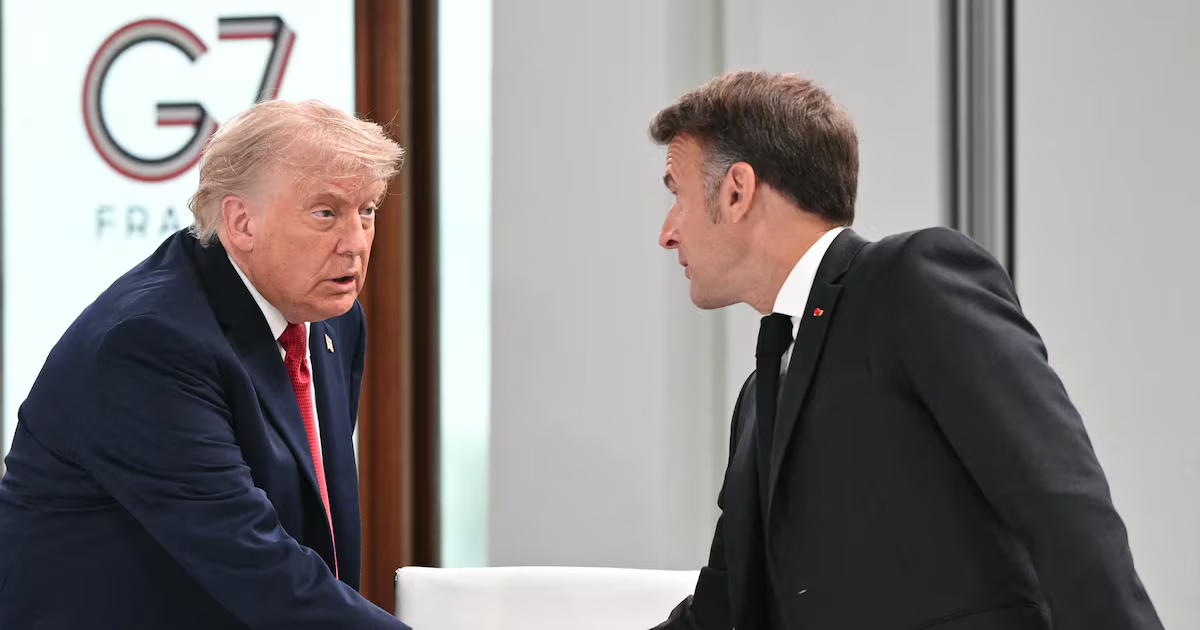
A joke circulated ahead of the G7 summit in France that it was the biggest ever meeting that should have been an email. It dashed those low expectations, partly due to the energetic diplomacy and willingness to flatter Donald Trump of French president Emmanuel Macron.There have been questions for years over the G7’s relevance, as their collective share of the global economy shrinks, and with the US retreating from multilateralism, these grew louder.But France founded the G7 and as the host this year, Macron was keen to leave a legacy preserving it behind him: it’s his last G7 before a French presidential election in which he cannot run. To ensure Trump’s attendance, Macron moved the summit so it wouldn’t clash with his 80th birthday party and pulled out the cultural heavy artillery, inviting the US president to a dinner afterwards at the Palace of Versailles.He gambled – correctly as it turns out – that this would appeal to Trump’s liking of gilded interiors.“Versailles is not gold leaf, Versailles is the real deal,” Trump remarked this week, announcing he had accepted the invite even if it meant he would get home in the early hours.Officials described finding more common ground than expected in the discussion – particularly regarding Ukraine – between the leaders of the United States, Europe’s largest economies, Canada, and Japan.To ensure Trump’s attendance, Macron moved the summit so it wouldn’t clash with his 80th birthday party and pulled out the cultural heavy artillery, inviting the US president to a dinner afterwards at the Palace of Versailles. Photograph: Ludovic Marin/AFP/Getty Images [ Israel blindsided by US–Iran pact tying Gulf ceasefire to LebanonOpens in new window ]Invited guests included Ukrainian president Volodymyr Zelenskiy and the leaders of Brazil, India, Egypt, Kenya, South Korea, the United Arab Emirates and Qatar.The Europeans will take as their crowning achievement a sense of renewed momentum and US engagement towards ending Russia’s invasion of Ukraine, including a suggestion from Trump that he could reimpose sanctions on Russian oil that he previously eased.“Soon we’ll be able to do that because the oil is now flowing,” Trump told reporters, referring to the preliminary US peace deal with Iran. “We’re in a position to do that soon.”Leaders pose for a family photo during the G7 summit in Evian-les-Bains, France. Photograph: Evelyn Hockstein-Pool/Getty Images The good timing of the Iran accord helped. Trump had a prize to present to his peers – a copy of the text was circulated – and for which to receive positive acclamation and praise.It was notable that a joint statement about geopolitical issues mentioned Trump, and Trump only, by name three times. “President Trump has delivered a deal that we support”, it read, a deal “secured under the strong leadership of President Trump”, a “Memorandum of Understanding secured by President Trump”.No such joint statement on the sensitive issues of Ukraine and Iran had been expected at all, so the agreement of one in itself over-delivered on what had been promised for the event. It wasn’t content-free either: it promised more air defences for Ukraine, strengthened sanctions on Russia, and support to help the country get through the next winter.Trump seems to have been helped to care about Ukraine again because he sees it as a potential next opportunity to strike a big deal now that Iran is, in his telling, “in the rear-view mirror”, but also because Kyiv is no longer on the back foot in the war.Continuing its remarkable resilience against the larger aggressor, Ukraine has managed to claw back some territory in recent weeks as well as causing Russia serious logistical problems. Apparently, Trump no longer sees Ukraine as a “loser”.Germany's chancellor Friedrich Merz, Britain's prime minister Keir Starmer, US president Donald Trump and France's president Emmanuel Macron at a G7 meeting. Photograph: Ludovic Marin/AFP via Getty Images It became evident during the summit that France and Britain will likely be leading an international mission to clear mines in the Strait of Hormuz, and there was a great display of warm relations between the US and Gulf States, particularly Qatar.A particularly striking, and unexpected development was the unanimous criticism of Israel aired behind closed doors, according to officials, including from its most staunch traditional allies.The most talked-about absent party was Lebanon, where it appears that Israel has no supporters left in the world for its war.[ Trump says he will resume bombing campaign if he does not like US-Iran dealOpens in new window ]
Macron’s Versailles charm offensive secures Trump boost for G7
Low expectations were defied due to French president’s diplomacy and willingness to appeal to Trump’s liking of gilded interiors
742 words~3 min read