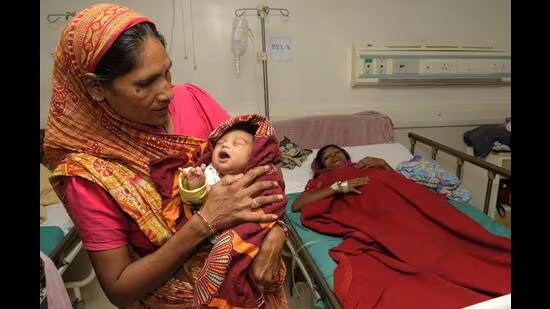
MAKE A SONG AND DANCE. Doctors in Ongole shake a leg to spread
awareness on healthy food habits to curb obesity
| Photo Credit:
Women in Indian cities seem to be carrying more than their share of the weight — quite literally.The latest National Family Health Survey (NFHS‑6) data shows that nearly 43 per cent of urban women are overweight or obese — a steep climb from 33 per cent in the last survey. In short, the country is on the brink of a worrying demographic where half of all urban women aged 15–49 will have a body mass index (BMI) above 25. Men are adding the pounds too (rising from 28.6 per cent to 36 per cent), but the divide is widening, with women bearing the brunt of this expanding crisis.Obesity was once seen as a disease of affluence, but the numbers now tell a more complicated story, driven by changing food environments, rising chronic stress levels, metabolic diseases and the lingering effects of malnutrition.And as waistlines expand, so does the market for GLP‑1 weight‑loss drugs, which are flooding India after the expiry of semaglutide’s patent in March 2026, promising quick fixes to those desperate for relief. But experts caution that medication cannot outrun the structural drivers of obesity, nor can it stand in for the deeper shifts needed in food systems and social norms.“Obesity is often associated with overeating, but it can emerge from poor, non-diversified diets too,” says Dr Rama Narayanan, Senior Fellow, Nutrition and Health, at MS Swaminathan Research Foundation. The trend, she said, is being driven by lifestyle changes linked to urbanisation and a shift from traditional millet-based diets to refined cereals and ultra-processed foods.In the case of women, Dr Narayanan says, the vulnerability factors are compounded by what time-use surveys call the ‘poverty of time’. “Women spend long hours on care work in addition to paid employment. Chronic stress, lower physical activity, poor sleep and reduced access to nutritious food all combine to increase obesity risk,” she explains. Rural India is not far behind either, as ultra‑processed foods seep into villages (see graphic).And that becomes a cause for concern, say experts, as obesity is a major risk factor for diabetes, hypertension, cardiovascular disease and several cancers.Lingering Covid effectsThe first National Family Health Survey after the Covid-19 pandemic, the NFHS-6 captures the aftermath of lifestyle changes from the lockdown era — reduced mobility, unhealthy routines, and higher stress leading to more weight gain, says Dr Yashendra Sethi, cardiovascular researcher and editor, BMC Public Health. The rise of health fads driven by social media influencers (often not medically qualified to give health advice) has added another layer of worry, he says said.Sethi notes that “women, with a higher baseline body fat percentage, are particularly affected because the structured leisure-time exercises remain logistically and socially harder”.Vishnu N Ramani, Health Economist at PHFI Institute of Public Health Sciences, agrees. In a country where many work in the informal sector, most women don’t have the privilege of going to a gym, or for a walk or exercise in an outdoor park, he says, pointing to the cultural and social dynamics of gender shaping the obesity crisis. “A woman won’t get much time to go for exercise because she has to look after her domestic home,” he explains. Then there are the commercial determinants of health. Ramani observes that high-calorie foods have become cheaper over the years, and more accessible compared to healthy foods. The rise of the platform economy has also reshaped food choices across income groups, accelerating the penetration of ultra-processed foods in urban and rural India.India’s obesity story differs from that of many fast-developing countries, as it faces “an overweight and obesity pandemic before undernutrition has settled”, adds Sethi.‘Triple burden’Public health expert Dr Nirupama AY, who is with Hyderabad’s Indian Institute of Public Health, points to the Developmental Origins of Health and Disease (DOHaD) theory to explain that babies exposed to undernutrition during the mother’s pregnancy or in their infancy can develop metabolic adaptations that favour energy storage. When they later encounter improved diets and greater calorie availability, they may be more prone to storing fat and developing obesity, even without excessive food intake, she explains. “The population that was undernourished 20 years ago is now becoming obese... that’s where the numbers come from,” Nirupama notes.Experts say India’s “triple burden” of malnutrition, obesity and undernutrition reflects a complex development trajectory, where old nutrition challenges have not disappeared even as newer ones emerge. Dr Narayanan calls for the inclusion of more pulses, millets and healthier oil alternatives like groundnut oil in public distribution systems — providing the micronutrients and proteins needed in one’s diet, rather than carbohydrate‑heavy options that feed the very crisis policymakers are trying to fight.Published on June 15, 2026