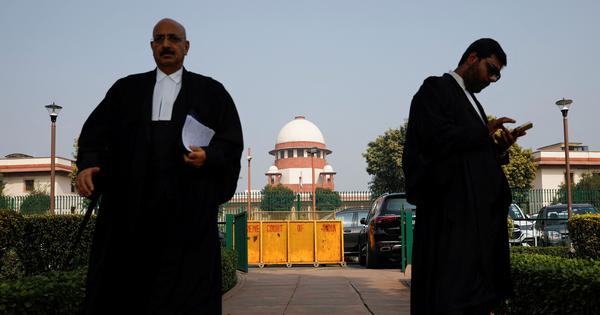
SynopsisThe recent introduction of CBSE's three-language policy has ignited a storm of criticism. Students in grades nine and ten are already overwhelmed with their current workload, and schools are struggling to find qualified teachers for this new requirement. This decision has raised political tensions, especially in regions where Hindi isn't widely spoken.The problem with CBSE's latest push for a 3-language formula is not 'too much multilingualism' but the way it has been imposed. Students entering Classes 9 and 10 are already dealing with mounting academic load. To suddenly have them pick up an extra language can be reckless. Schools are struggling to find qualified teachers, and language learning requires time, continuity and age-appropriate methods. Supreme Court admitting a PIL against the move - the hearing's next month - only confirms that these concerns are neither frivolous nor isolated.The second issue is political. Although CBSE has clarified that Hindi is not mandatory, the move has revived anxieties in non-Hindi-speaking states. Given India's history of language politics, GoI should have engaged more extensively with stakeholders before making it mandatory to have at least 2 of the 3 languages non-English Indian ones. Education is on the concurrent list, and while CBSE schools have to comply with central guidelines, states evolve their own approaches. That is precisely why consultation was essential.India aspires to become a knowledge economy. That requires policy stability and predictability. If policymakers believed the 3-language formula was necessary, it should have been introduced gradually from lower classes. Learning another language, especially one that professionally opens doors later, is an asset. That is what makes this episode particularly unfortunate: a skill that should expand horizons for individuals now risks being perceived as yet another artificially-induced 'nation-building' exercise. Coming as it does on the heels of controversies surrounding exams and educational administration, this decision represents poor optics and poorer policy design. ...moreElevate your knowledge and leadership skills at a cost cheaper than your daily tea.Subscribe Now
Mind your language education policy - The Economic Times
The recent introduction of CBSE's three-language policy has ignited a storm of criticism. Students in grades nine and ten are already overwhelmed with their current workload, and schools are struggling to find qualified teachers for this new requirement. This decision has raised political tensions, especially in regions where Hindi isn't widely spoken.
Questo articolo non è in scope per **Warptech Tech News**: tratta di policy educativa CBSE (lingue scolastiche in India), completamente fuori dal mandato tech/AI/business della testata. Se è capitato per errore dalla scraper, suggerirei di **aggiungere un filtro URL** in [lib/url-filters.js](lib/url-filters.js) per economictimes.com — il dominio pubblica molto contenuto non-tech (politica educativa, economia macro, policy) che inquina la selezione. Hai un articolo tech da riassumere invece?