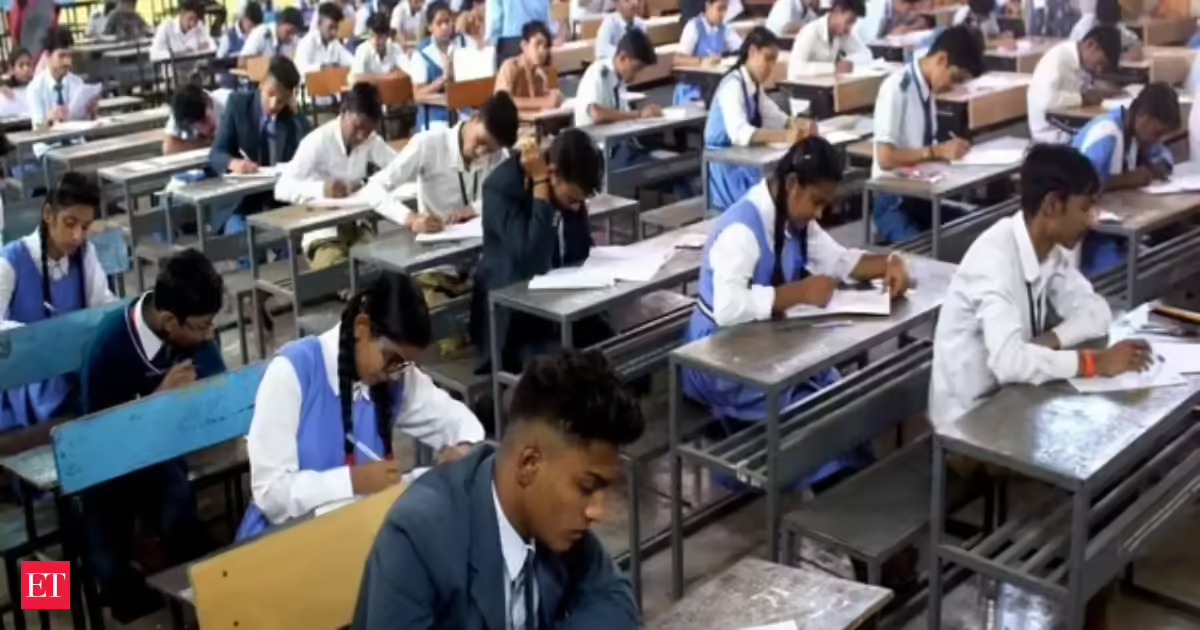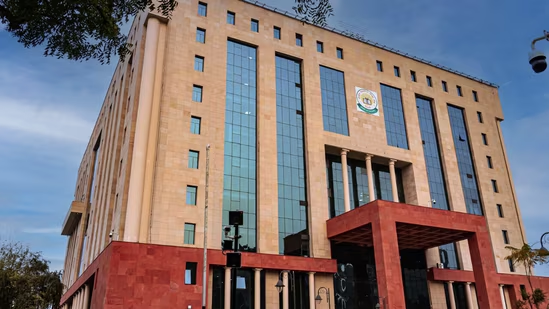
The CBSE has issued new guidelines for implementing the three-language policy under the National Education Policy (NEP) 2020, aimed at promoting Indian languages.This latest notification marks a clear shift from CBSE’s earlier position on the three-language policy. (cbseindia29/Facebook)Under the policy, students will study three languages, with at least two being Indian languages (Bhartiya Bhashas). The third language can be either an Indian or foreign language such as English, French, German, Spanish or Arabic.Who will follow what?There will be no change for students currently in Class X (2026–27). They will continue with the existing two-language system and will not be required to study a third language.Students in Class IX (2026–27) will study three languages, with at least two Indian languages. Those already studying two foreign languages can continue but must add one Indian language. For this batch, the third language will be assessed only at the school level and there will be no CBSE board examination in Class X.For students in Classes VII and VIII (2026–27), the same structure will apply when they move to higher classes. They will also need to add one Indian language if they are already studying two foreign languages, and the third language will not have a board exam.Students entering Class VI in the 2026–27 academic year will be the first full batch under the new system. They will study three languages, with at least two being Indian languages, and will take a board examination in the third language when they reach Class X. The board exam requirement will apply to this batch and all subsequent cohorts.Also Read: 3-language policy: CBSE grants one-time exemption to current Class 9 studentsExemptionsCertain categories are exempt, including Children with Special Needs, CBSE schools outside India, and foreign students returning to India. Students shifting states may continue with their existing language choices, with schools required to provide support.CBSE has also said schools may use existing teachers, retired teachers, postgraduate teachers, or shared teaching models through clusters and digital platforms to implement the policy.Earlier vs new policyOn April 2, CBSE had proposed a phased introduction of the three-language formula starting from Class VI in 2026–27, with full implementation up to Class 10 by 2030–31, indicating a gradual transition framework.This was followed by a May 15 circular directing schools to make three languages (R1, R2 and R3) compulsory for Class IX students from July 1, stating that at least two languages must be Indian. The circular also advised schools to use Class 6 R3 textbooks in the interim, citing a 75–80% overlap in language competencies between middle and secondary stages.However, the May directive triggered concerns from schools over readiness and academic logistics, especially as it appeared to move ahead of earlier expectations that implementation would be aligned with the release of dedicated NCERT textbooks and a more prepared rollout framework.(With inputs from Sanjay Maurya)
CBSE's fresh guidelines for 3-language policy: Changes for Class VI, VII, VIII, IX and X students explained
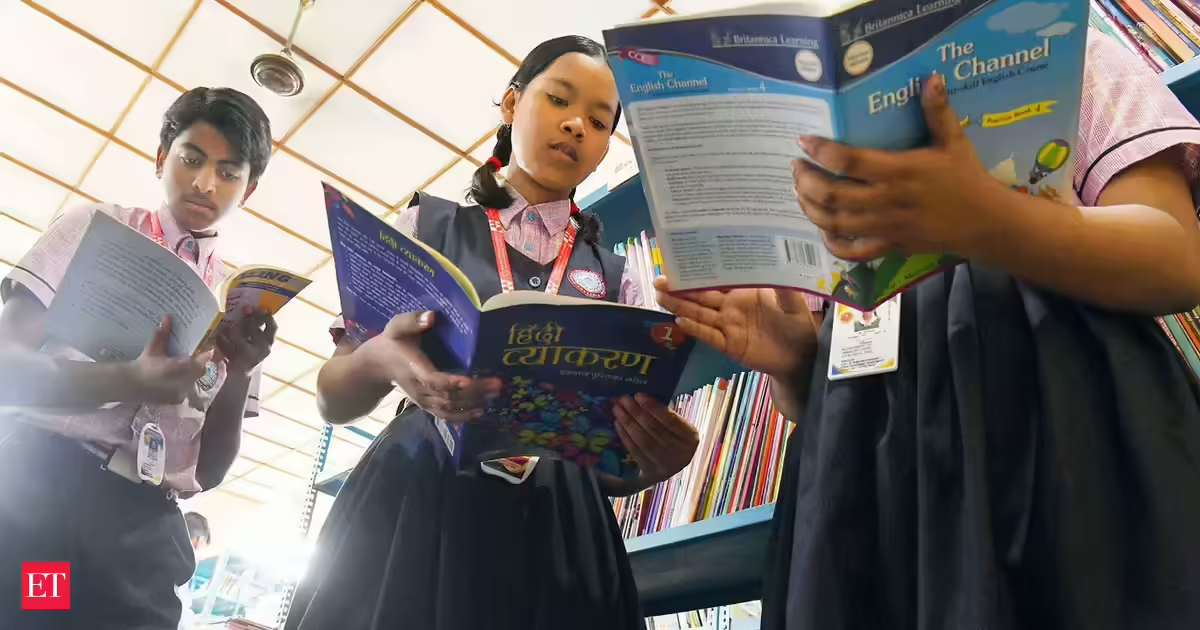
Under the policy, students will study three languages, with at least two being Indian languages. | India News
471 words~2 min read