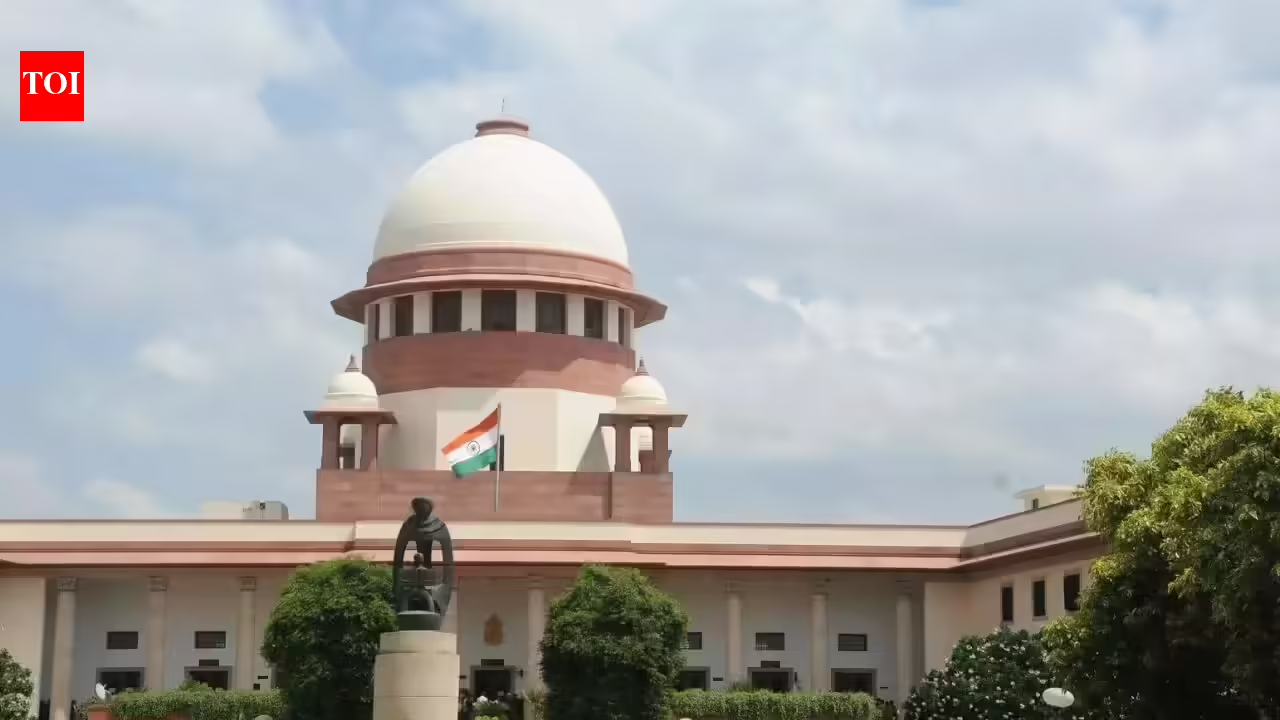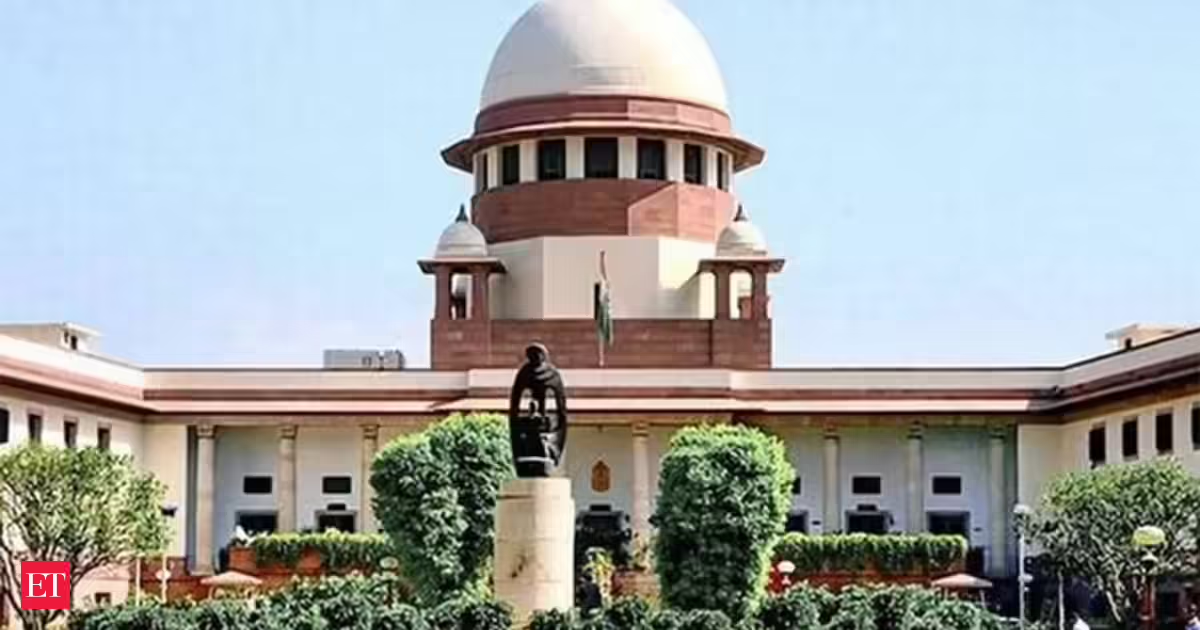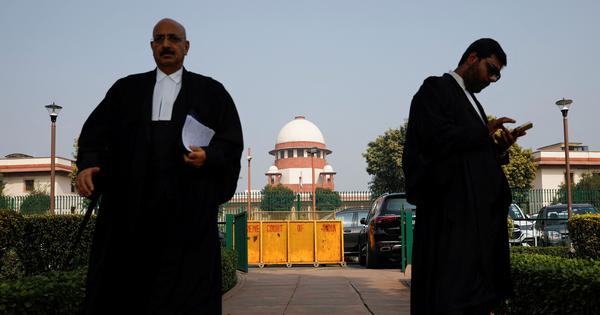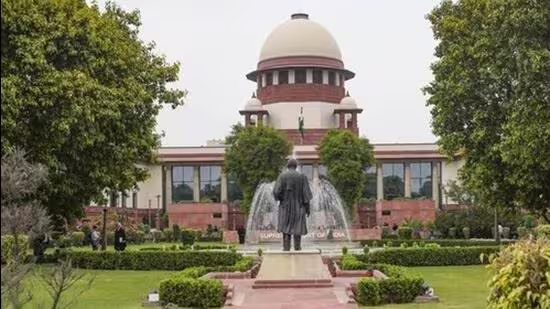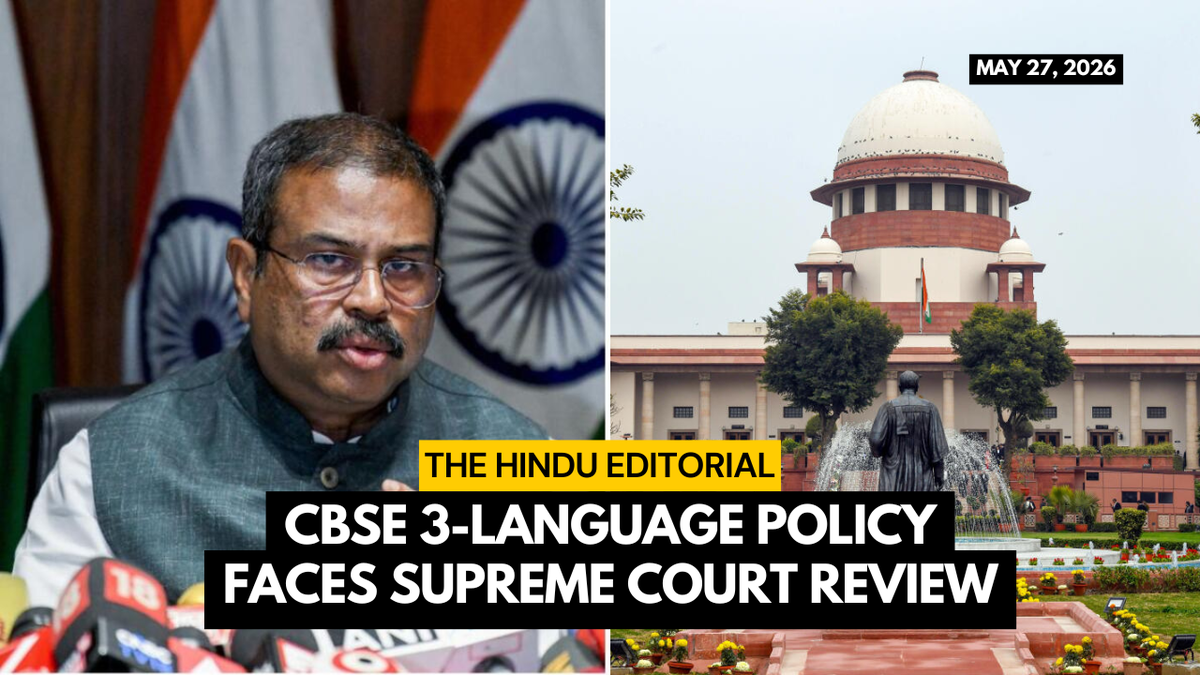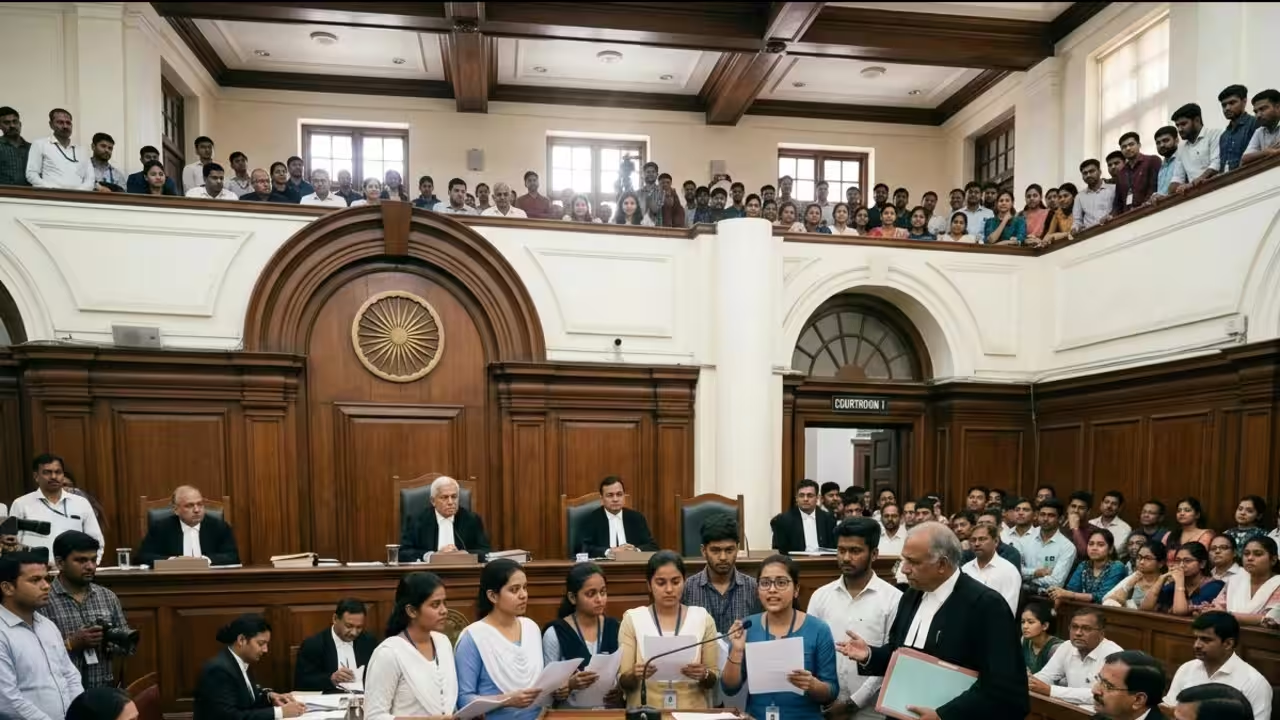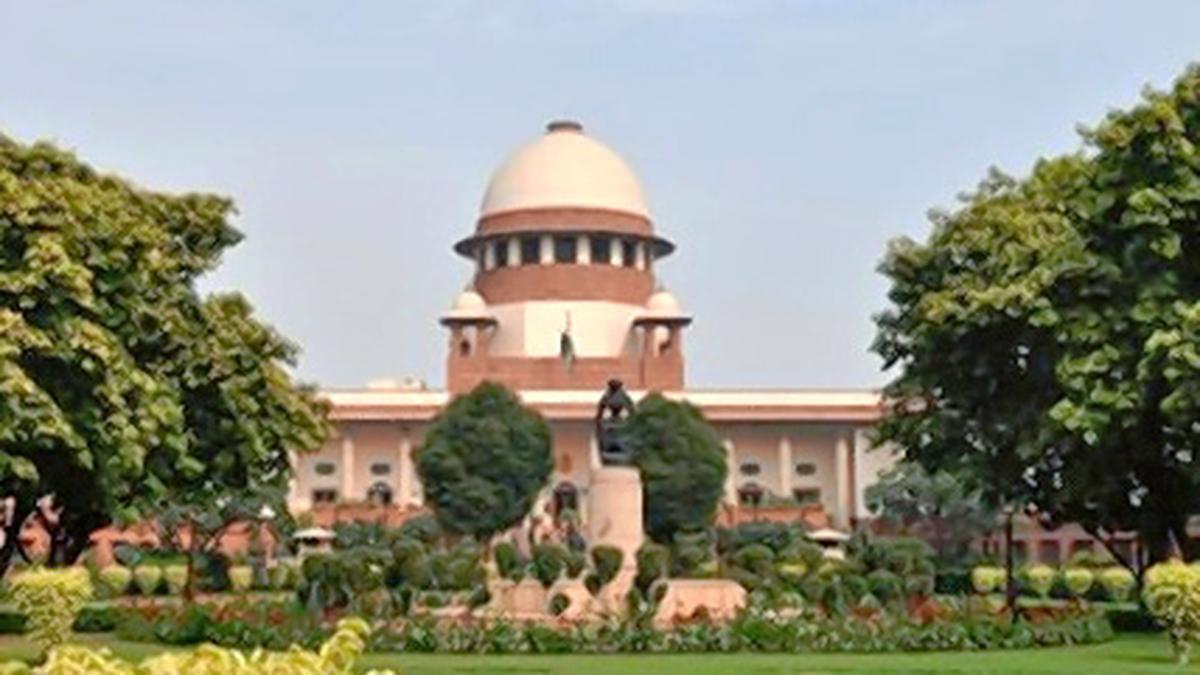
The Supreme Court of India has issued notices to the Union Government, the CBSE, and the NCERT, directing them to file a comprehensive report on their logistical preparedness to implement a three-language formula in all CBSE schools for Class 9 students from July 1, 2026. On May 27, while hearing petitioners challenging the CBSE move, the Court declined to grant an immediate stay on the policy but acknowledged that concerns over “hardship and inconvenience” warranted review. The Court will hear arguments on July 15 and 16. The casual manner in which the government is using the CBSE to enforce its contentious language policy once again shows complete disregard for students, teachers, and parents. On May 15, the CBSE had issued a circular mandating the study of three languages for Class 9 students from July 1, citing alignment with the NEP 2020 and the National Curriculum Framework for School Education 2023. At least two of the three must be native Indian languages. Foreign languages such as French or German could only be taken as a third language if the first two were Indian, or alternatively as an optional fourth subject. In a meagre effort to camouflage the hardship unleashed on the students, the CBSE exempted the third language from the Class 10 Board examination, which would instead be assessed through school-based internal evaluations, though the marks would still appear on the final certificate.Barely weeks earlier, the CBSE had stated that the third-language requirement would be deferred until the 2029-30 academic year. The abrupt turnabout can only be explained as a political decision. The move is being challenged in the Court on multiple grounds, including constitutional ones. The petitioners argue that language is a matter of personal choice and cannot be imposed by the state. It is also being pointed out that the NEP 2020, in whose name the mandate is being enforced, promises flexibility and guarantees that no language shall be imposed on any student or State. The petitioners also argue that the CBSE, as an executive body, lacks the authority to impose such a sweeping educational mandate without backing from parliamentary legislation, regardless of what the NEP says, being an executive policy intent and not a statute. Parents and teachers are alarmed about the added pressure on students just before their Board examinations. School administrators have flagged a shortage of trained language teachers and the unavailability of appropriate textbooks. Turning school education into a cultural battleground is not helping India’s ambition to become a global reservoir of advanced human resources. The Centre should course-correct before the Court takes up the case again. Published - June 01, 2026 12:20 am IST
Language decorum: on the three-language formula in CBSE schools
The casual manner in which the government is using the CBSE to enforce its contentious language policy once again shows complete disregard for students, teachers, and parents
440 words~2 min read