(Image credit: AMD)
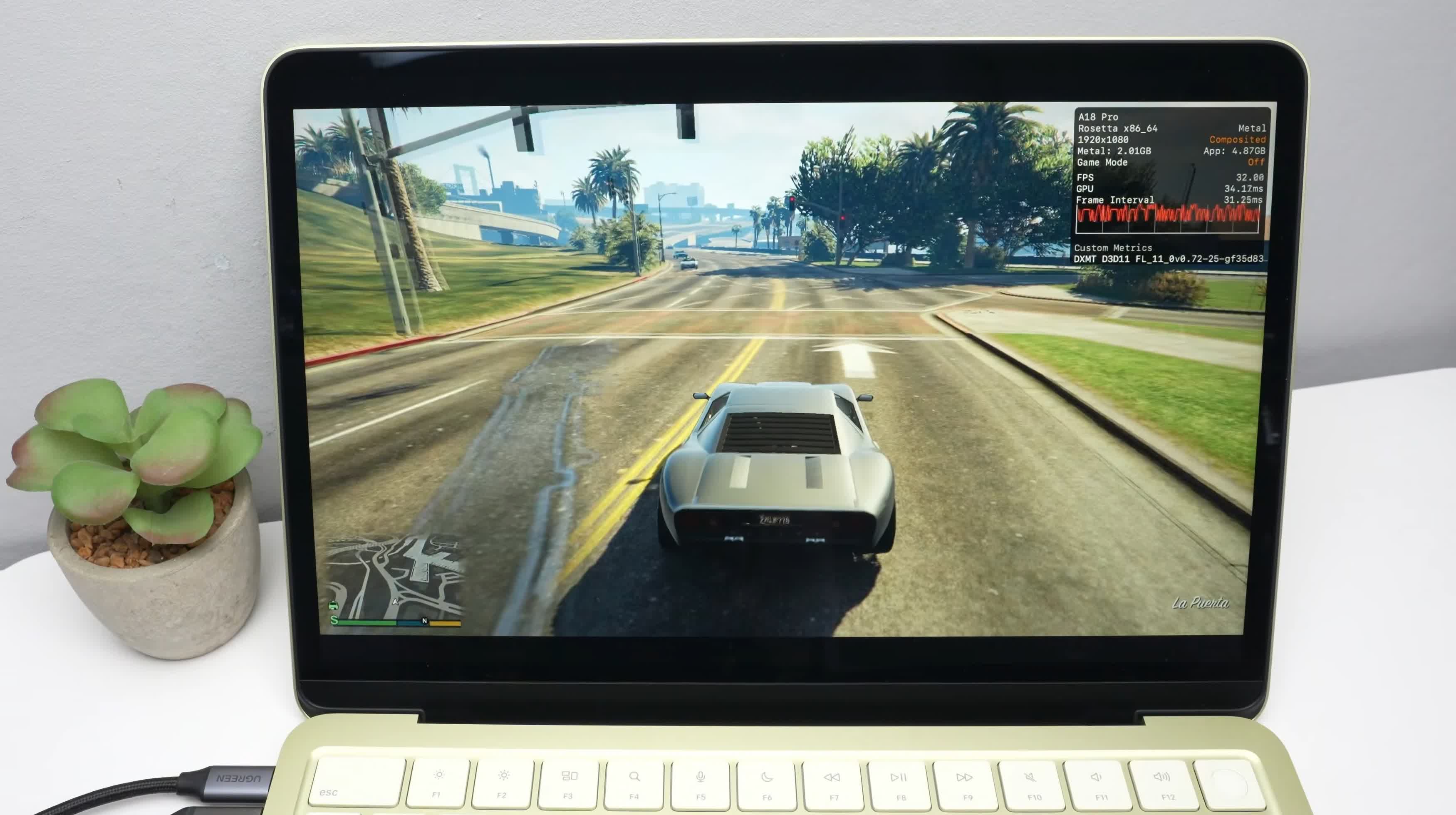
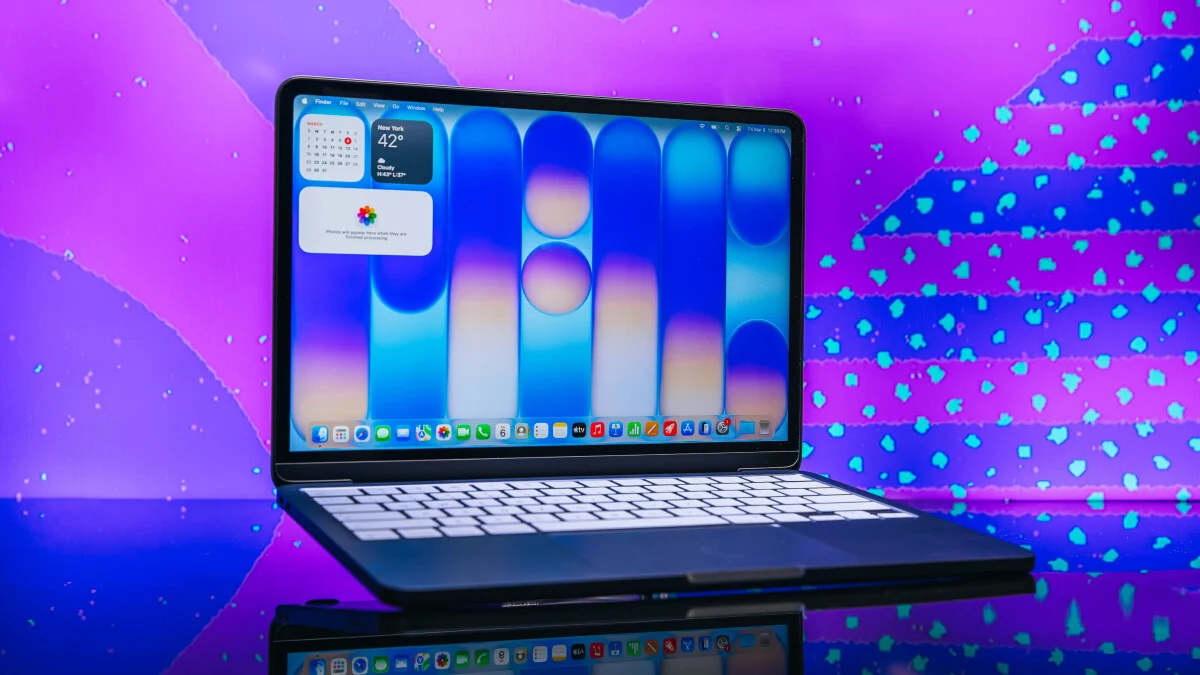
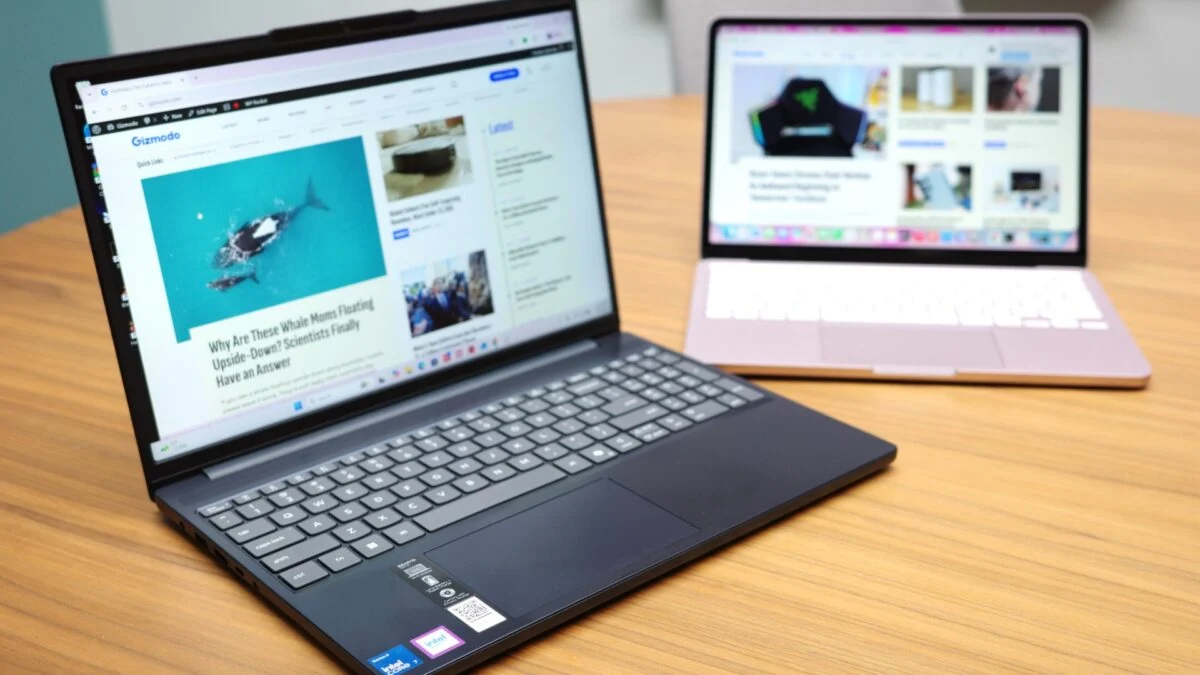
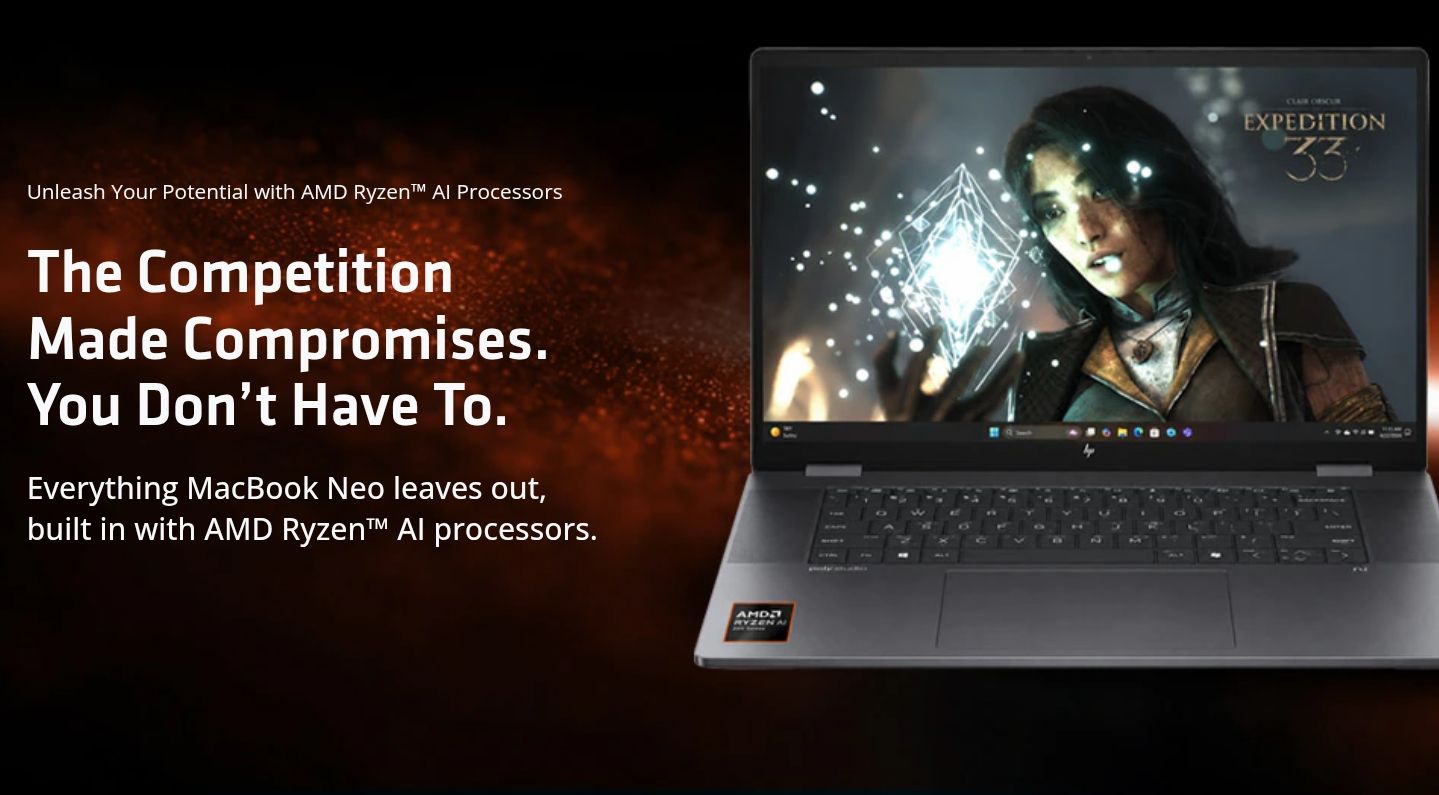
The MacBook Neo has been an astronomical hit for Apple, with both critics and consumers responding positively to the company's entry-level laptop. It changed the precedent for what a budget laptop could be, scaring Windows-reliant vendors, but one legacy chipmaker doesn't seem bothered. AMD has just released new marketing material that directly pits a Ryzen 200 series-equipped machine with the Neo, mocking the latter for not supporting 75% of top PC games."While 15 of the top 20 PC games do not run on Macbook Neo natively, AMD systems give you access to massive game libraries," said the company. Only 5 of those 20 titles will work on the Neo. Technically, you can use emulation software to still access more games, but AMD specifically covers that ground, too, and mentions "no workarounds required." It then points out how multiple storefronts enjoy universal compatibility with AMD devices.
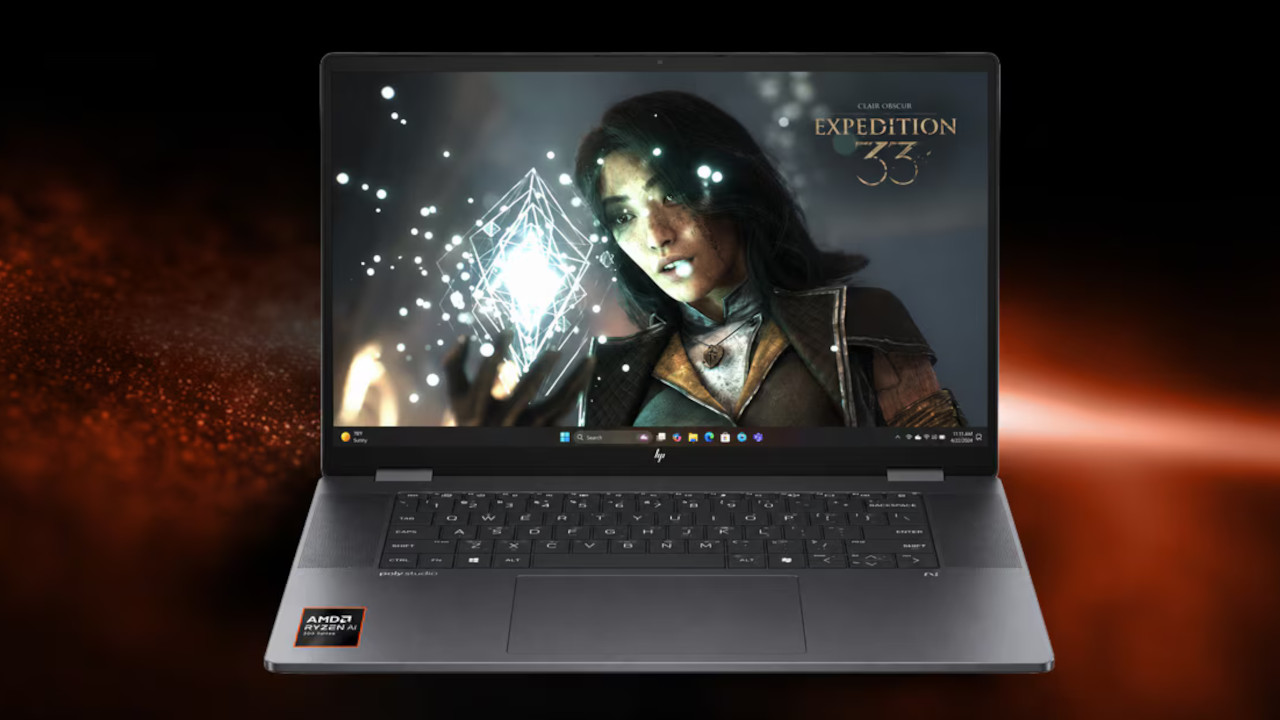
(Image credit: AMD)For the comparison, AMD used HP's OmniBook X Flip powered by the Ryzen 5 220. That's not a new chip; it's a refresh of the company's Hawk Point lineup (8540U), and this SKU in particular features 2 full-fat Zen 4 cores and 4x Zen4c efficiency cores, for a total of 12 threads. It's paired with a Radeon 740M iGPU that's not exactly the most powerful by modern standards. It's the same integrated graphics found in the regular Ryzen Z1 APU, so it's about 2x less performant than the Z1 Extreme.If you actually look at the reviews of this iGPU, it's a mixed bag. It can run older titles like GTA V at over 100 FPS at low settings, but it struggles with pretty much modern games. Hellblade 2 runs at 8 frames per second, while Alan Wake 2 hits about 11 frames on average. So yes, AMD runs 20 out of the 20 top games on PC, but a good chunk of them will not be smooth enough to be called playable on this specific chip. It's the x86 architecture and the Windows OS that are the real difference makers.Everyone knows Apple Silicon is more than powerful enough, and the company's Metal API has modern features capable of real-time rendering. But there's simply not enough demand from the community and not a big push from Apple to pitch gaming as one of the platform's selling points. You can still emulate x86 code into Arm using Parallels, Crossover, or even Game Hub, but that's not native compatibility. Therefore, AMD is correct.