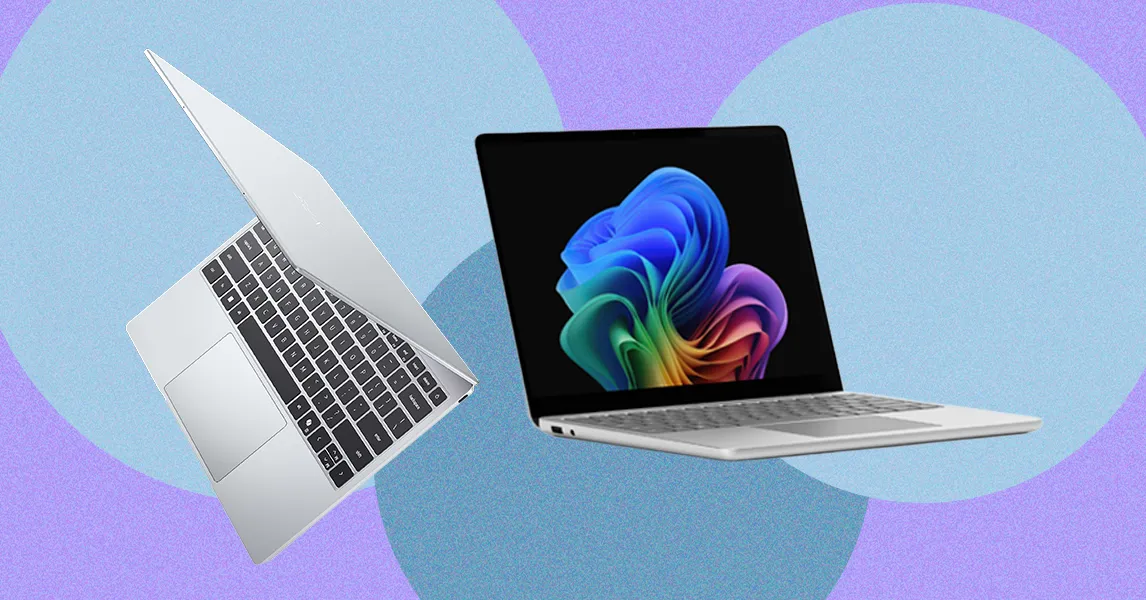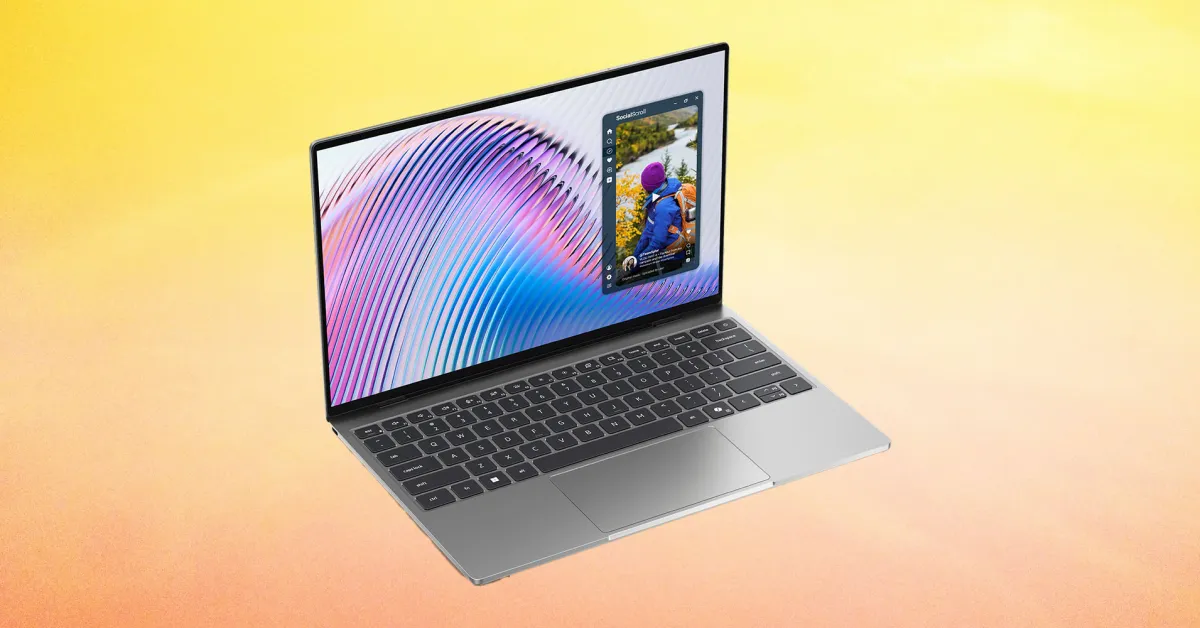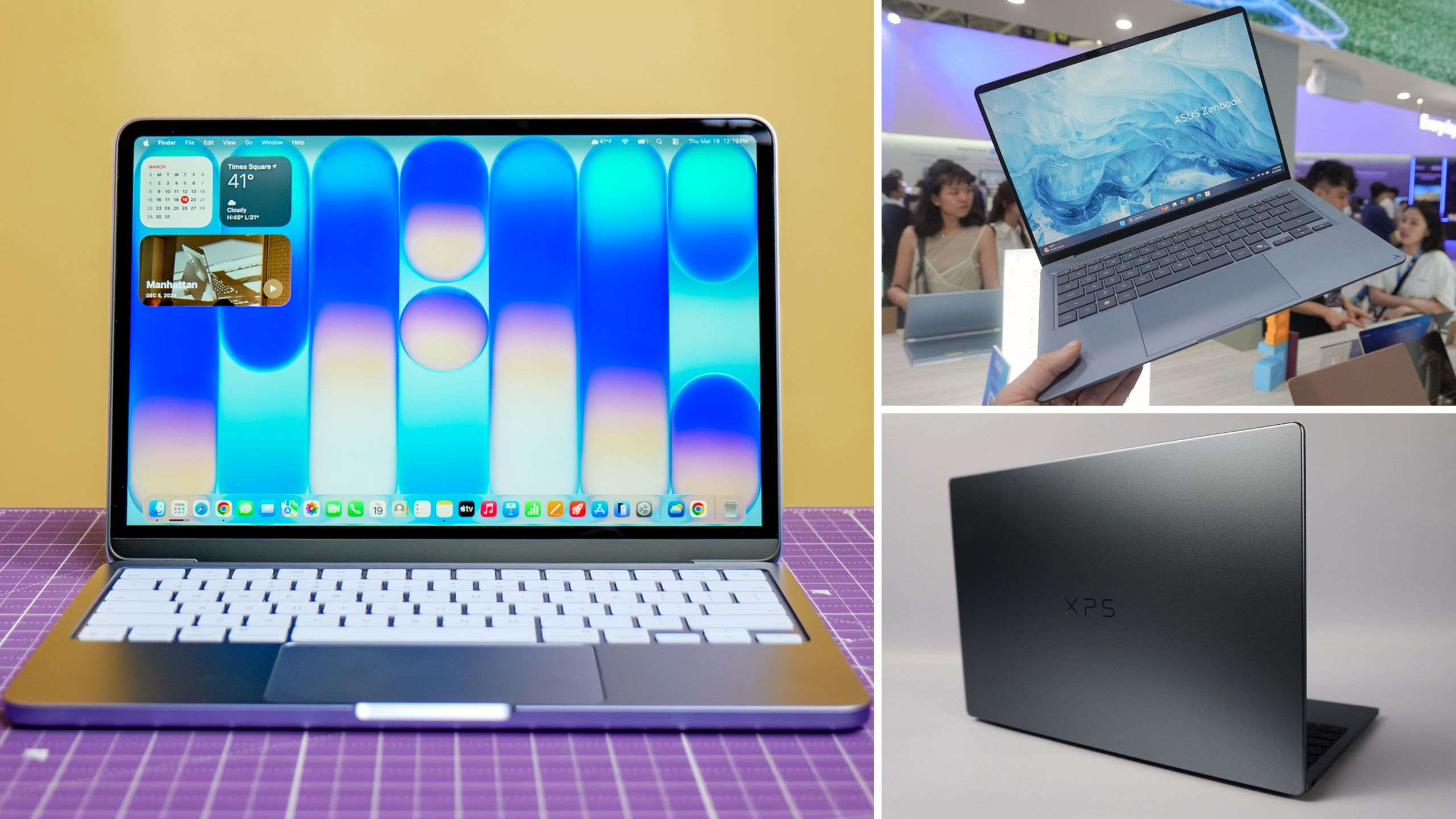
The first MacBook Neo rival has slunk into the saloon, spurs rattling, ready to square off on price and performance metrics. Multiple major manufacturers are already attempting to craft their own answers to its $600 price point. But whether Apple is even sweating, with all these big guns pointed at its face, remains a serious question.
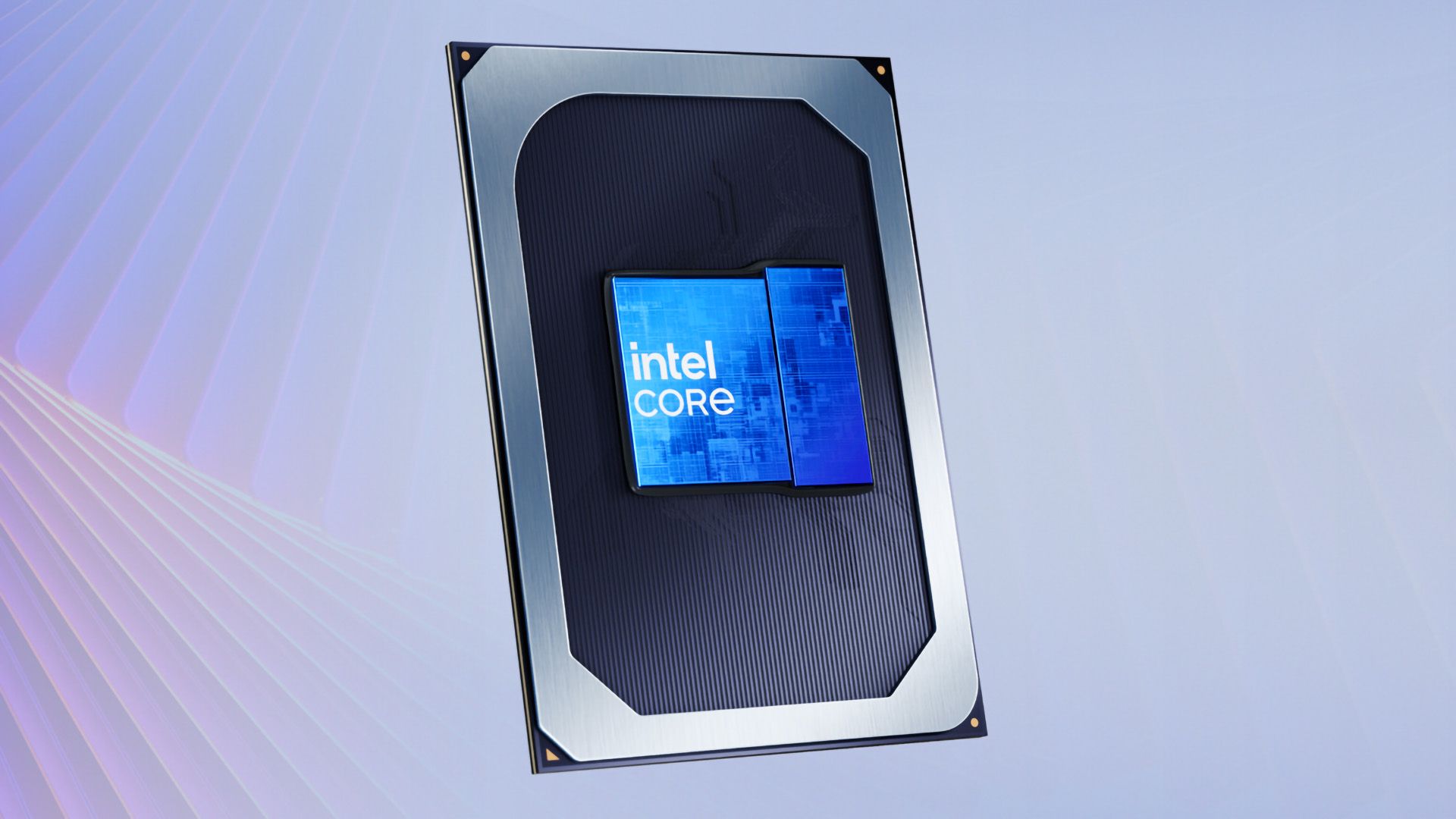
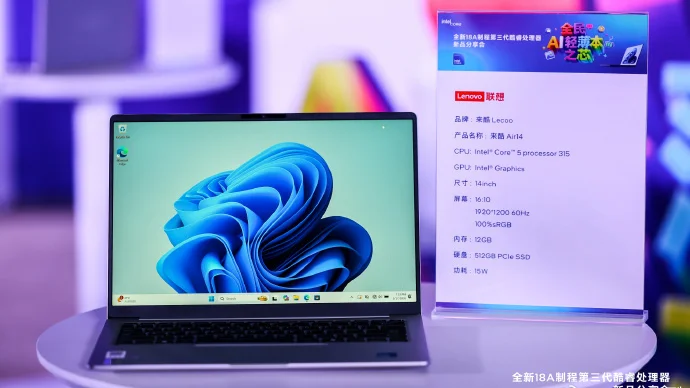
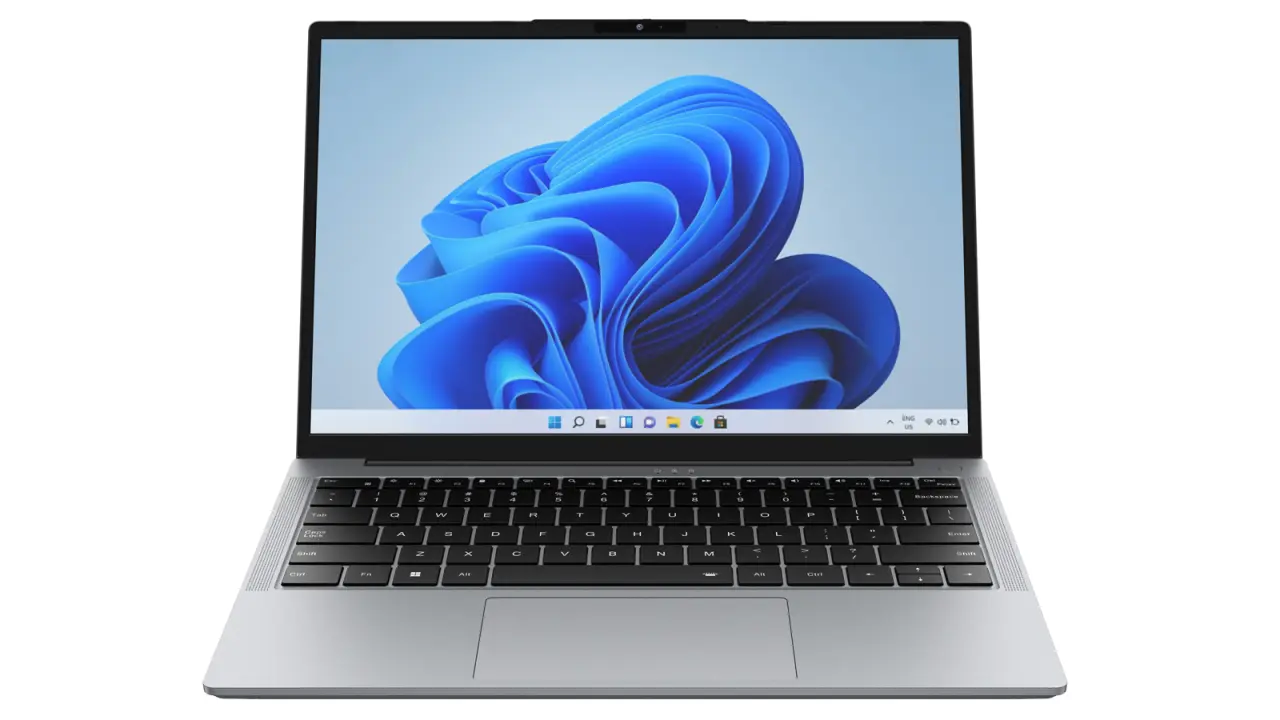
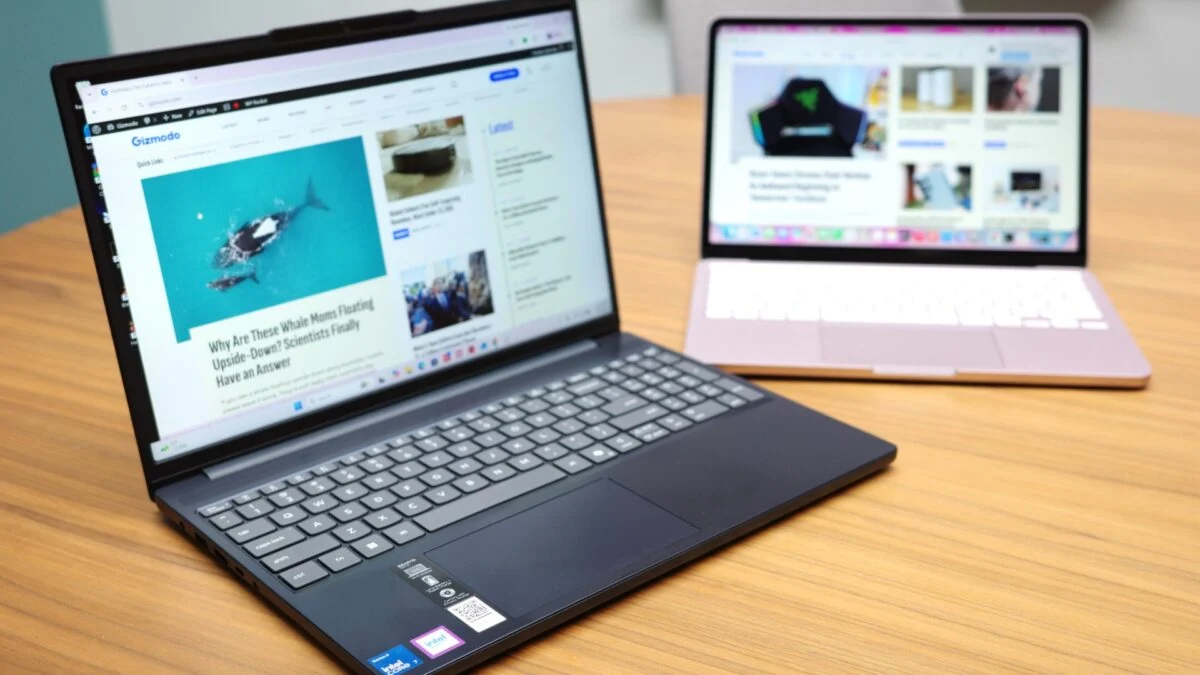
Multiple major laptop makers are crafting their own answers to MacBook’s Neo’s price point with lightweight laptops. China-centric tech giant Honor unveiled its new X14 laptop over the weekend at a list price of 4,399 Chinese yuan, which converts to roughly $645. The notebook appears to be the first commercially available product to feature Intel’s latest Wildcat Lake chips, namely the Intel Core i5-320. It also packs 16GB of RAM and 512GB of SSD storage, more than the 8GB of unified memory and 256GB of storage you get on a $600 MacBook Neo (the $700 model comes with a 512GB SSD). There are more similar laptops coming. Chinese retailer JD.com (via WCCFTech) listed several more Wildcat Lake laptops, including one from the Taiwan-based Asus. That’s notable, since Asus Chief Financial Officer Nick Wu said back in April that the Neo was “a shock” to the PC market. Though Honor’s gadgets won’t appear on Best Buy’s shelves any time soon, we expect similar lightweight laptops to come to the U.S. and other Western countries in due course. We’ll probably learn exact details and dates at the annual Computex computing conference next month. The MacBook Neo’s secret sauces are its bright LCD display, quality sound, and aluminum frame. © Raymond Wong / Gizmodo Industry analysts, such as Patrick Moorhead of Moor Insights & Strategies, have told Gizmodo that Intel’s Wildcat Lake represents PC makers’ “best chance” to build a laptop that can compete with the MacBook Neo. Already, we’ve seen a few benchmarks of the Intel Core 5 320 and Core 7 350 make the rounds. The latter, more powerful chip beats Apple’s own A19 Pro by about 9% in Passmark’s multicore tests. However, the Core 5 320 may offer performance nearly on par with that of Apple’s mobile chip. It’s still enough to beat the current Neo’s A18 Pro.