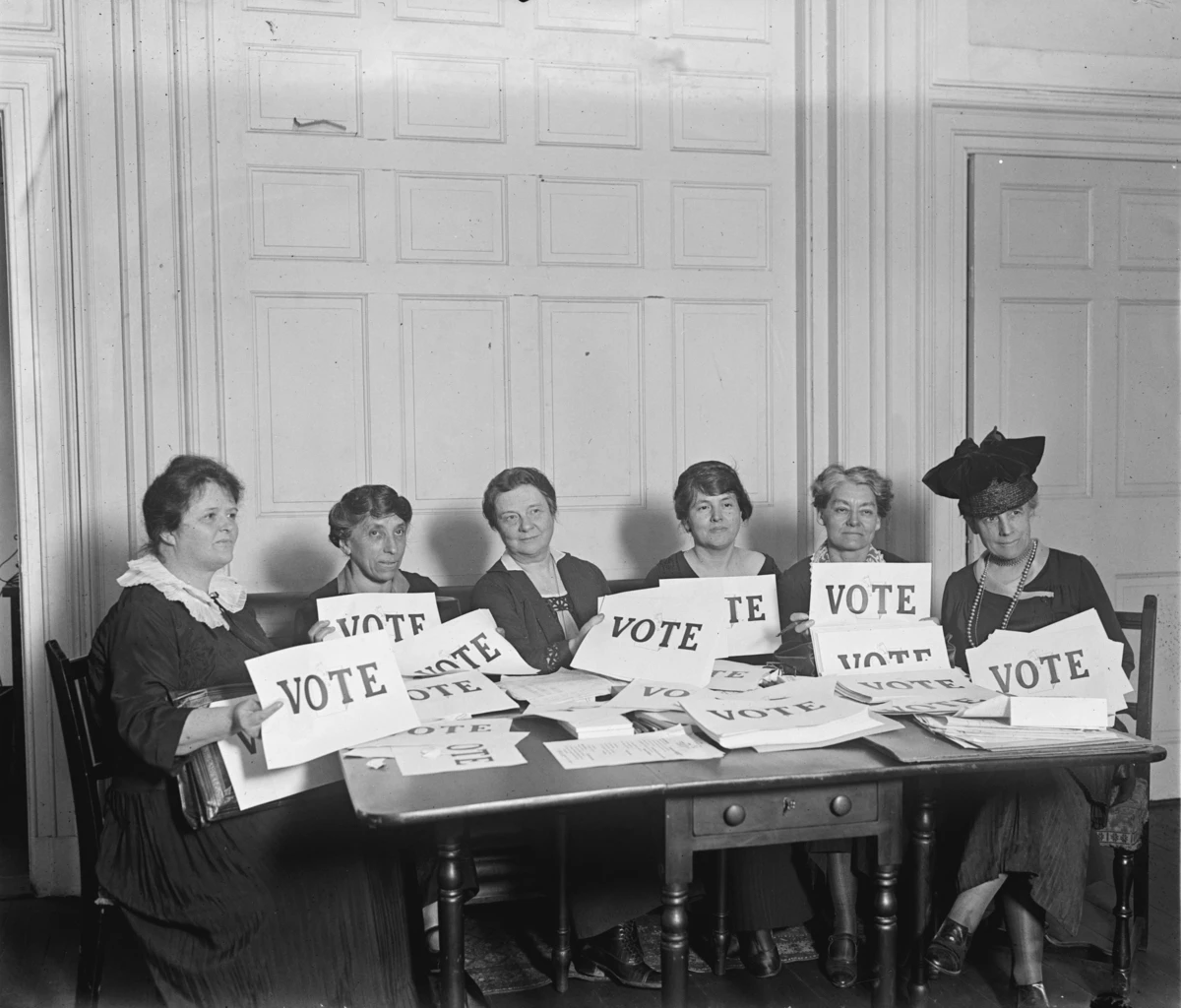
On Aug. 18, 1920, a 24-year-old state legislator from East Tennessee walked into the Tennessee House chamber wearing a red rose on his lapel. Red meant no. The chamber was deadlocked 48-48. The 19th Amendment needed one more state, and Tennessee was the last realistic option.Harry Burn had a letter in his pocket from his mother, Febb Burn, a college-educated widow who read three newspapers a day. On the final page of seven, she got to the point: “Don’t forget to be a good boy, and help Mrs. Catt put the ‘rat’ in ratification.” He changed his vote. The amendment passed 49-47. The most consequential roll call in the 72-year history of the suffrage movement came down to a mother’s letter.The more important story is why 72 years were necessary in the first place.
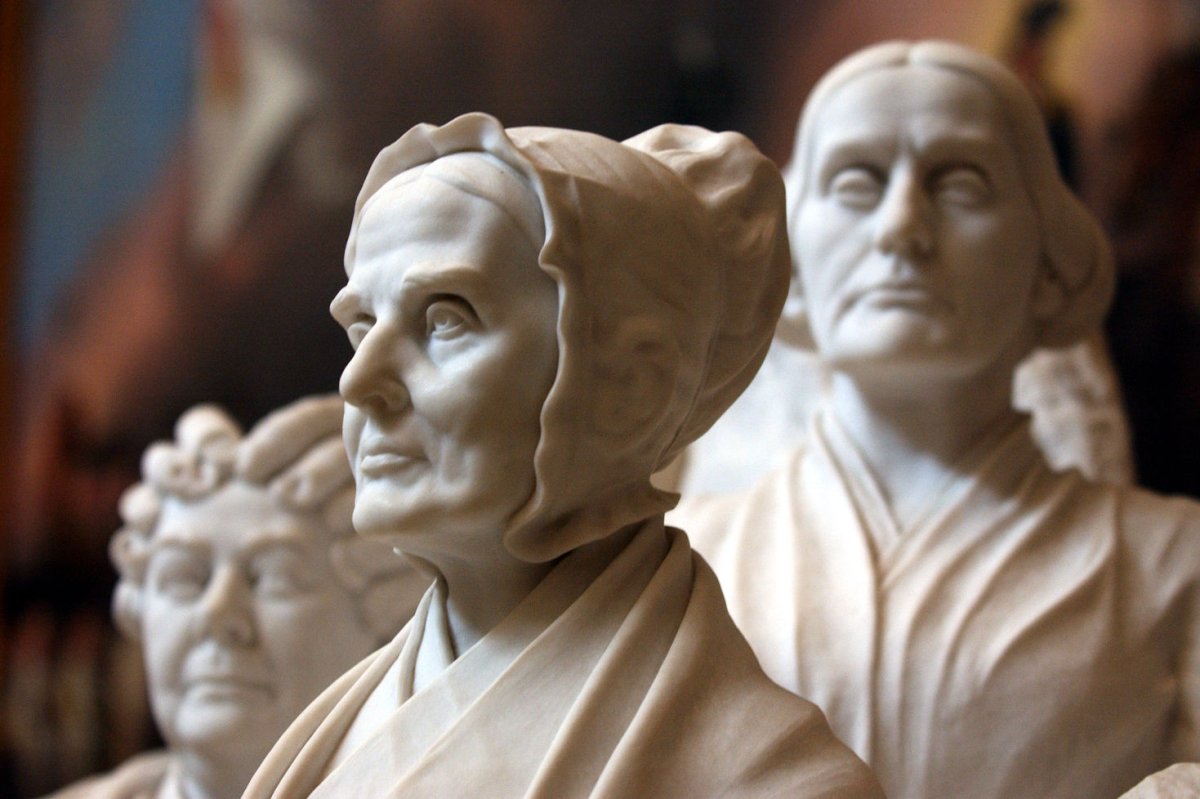
The organized suffrage movement began at Seneca Falls, New York, in July 1848. Elizabeth Cady Stanton and Lucretia Mott convened the first formal women’s rights convention in American history and patterned their Declaration of Sentiments directly on the Declaration of Independence. The argument was constitutionally straightforward: Governments derive their just powers from the consent of the governed, and half the population was excluded from consenting. That’s a structural contradiction, not a policy preference. The argument was correct from the first day they made it in 1848.