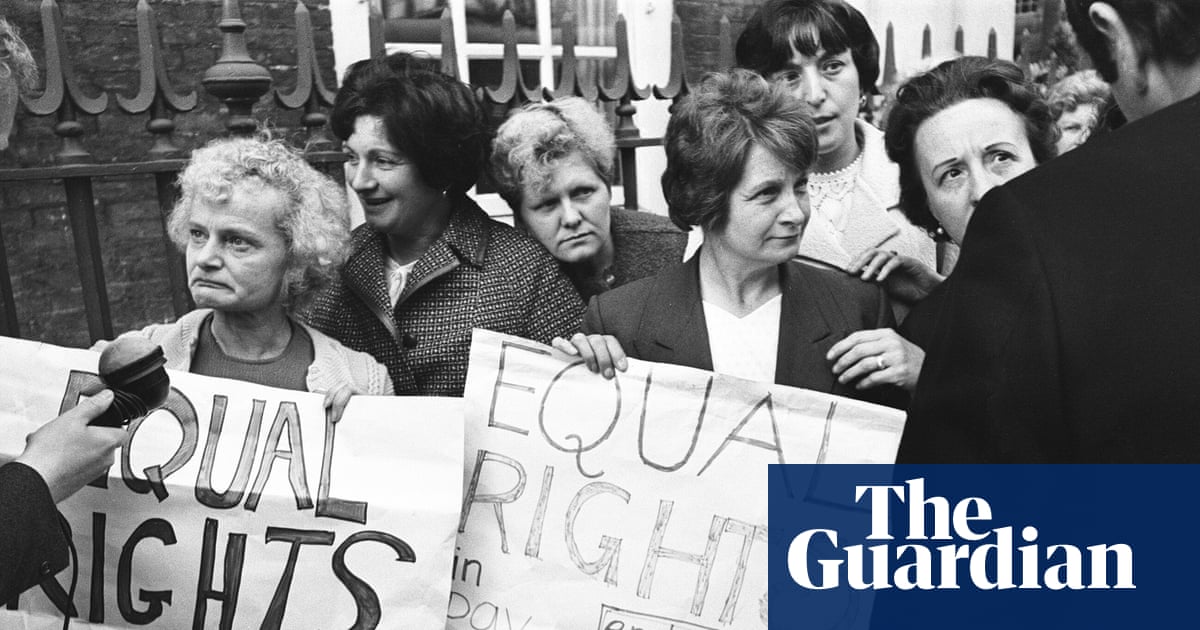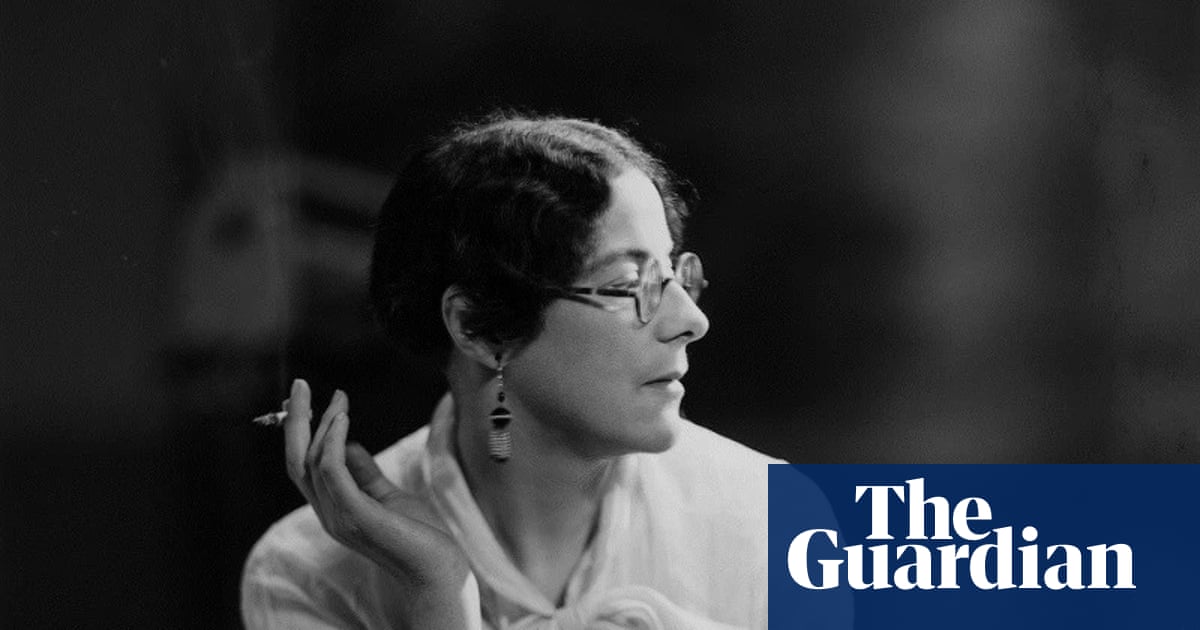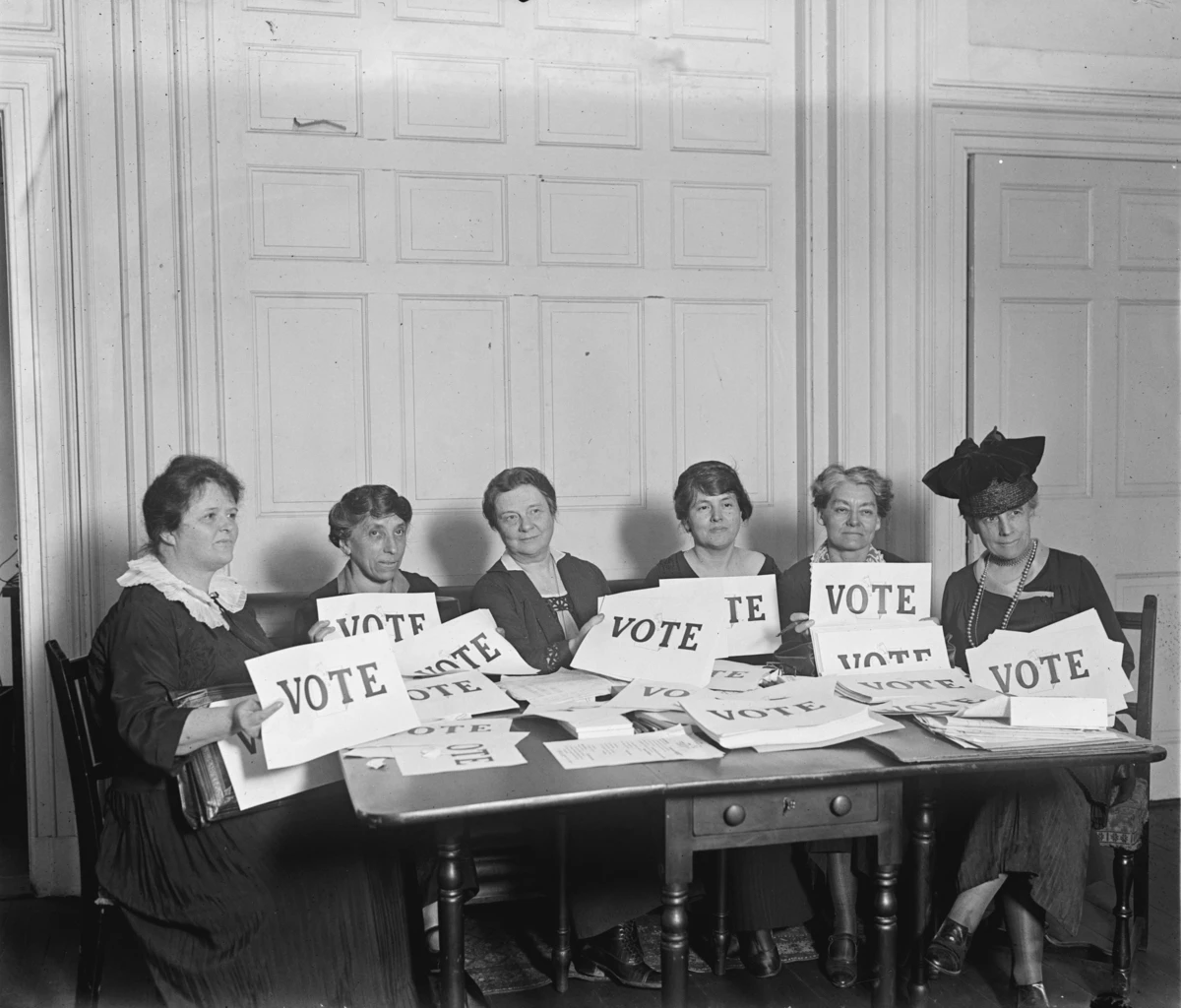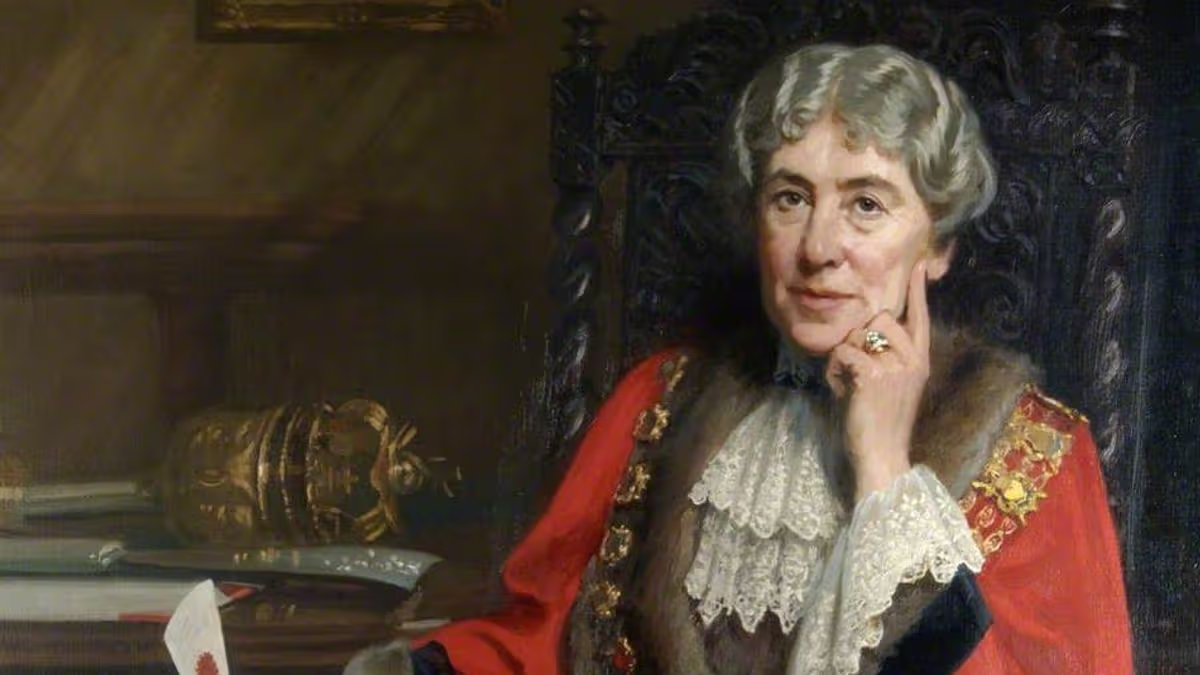
Women were still fighting to get the vote when Lucia Foster Welch achieved a succession of political firsts. The Equal Franchise Act of 1928 finally meant that women over 21 were able to vote - giving them the same rights as men. But in 1918 Lucia, who hosted suffragette leader Emmeline Pankhurst at her Southampton home following her speech at the Palace Theatre in 1911, became the town’s first female councillor. She progressed to the UK’s first female sheriff in 1926 - attending the courts of assize and sometimes county court - then becoming mayor in 1927.Magazine editor Harriet Shaw Weaver started the Egoist Press at her own expense in order to publish James Joyce’s Portrait of a Young Man in 1914, when no one else would.And Evelyn Cheesman, an accomplished naturalist and explorer, reacted to her 1906 rejection by the Royal Veterinary College, which did not accept women students, by studying entomology (insects) instead and becoming the first female curator at London Zoo. She completed eight solo expeditions to the South Pacific and collected over 70,000 insect and plant specimens, many of which are displayed in London’s Natural History Museum.These are just a smattering of examples of remarkable women from history. Yet a review of early secondary school history textbooks by family history site Ancestry revealed that men are mentioned four times more often than women. And half the public feel more confident naming male historical figures over women.Now Ancestry is urging historians to place more emphasis on women's roles, and asking the public to look at the history of women in their own families. Historian Dr. Amy Boyington, who has created ‘the parity principle’ - a set of criteria to give men and women equal parity in history - says: “History has been written by men, about men. This has created a distorted view of the past and has profound implications for how we see the world today.”Areas of mathematics like the chaos theory are dominated by names like Edward Lorenz and Benoit Mandelbrot, when it was the work of groundbreaking scientists like Dame Mary Cartwright that provided the basis for the hypothesis.Born in the former British Guiana, Daphne Steele was one of thousands of Commonwealth citizens who joined the NHS. In 1964, she became the first Black person in a senior nursing post, paving the way for others to pursue leadership positions in the health service. Dr Jennifer Doyle, family history expert at Ancestry adds: “We need to ensure the vital stories of our female ancestors are found, shared, and preserved for the next generation.”The groundbreaking Edwardian doctorDr Annie Hyatt (1879–1969) qualified as a doctor in 1906. Selina Vickers, 61, Annie’s great-grand niece, is a retired administrator from the Isle of Man. She says: “Annie was a trailblazer of the Edwardian era. At the start of her career, she was one of fewer than 500 female doctors in the UK.“She faced a lot of prejudice from other male doctors, as well as from patients, who didn't want to see her because she was a woman. They’d ask if she was the nurse and demand to see a ‘real’ doctor.”Appointed deputy medical officer of health in 1907 - the first woman in the position - Selina says: “She practiced in her house, as was often the case in those days, and had to boil water to use. She set up a laboratory in the house too, cultivated specimens, and did all her blood tests herself.”Annie died in 1969, four years before Selina was born, but she says: “She assisted at my father’s birth. I wish I’d asked him more about her. My mother met her and said was a very kind, gentle, kind lady. My elder daughter is a nurse, so somebody's followed in her footsteps. I want to shout Annie’s story from the rooftops. She employed a female partner, a female architect. She was a pioneer of feminism, alive at the time of Florence Nightingale, Marie Curie and Emmeline Pankhurst.”Retiring in 1947, Annie never married or had children. Selina adds: “She died aged 90 having made her mark on the world. I am incredibly proud to call her family.”The disability championJudy Fryd (1909-2000) founded Mencap. Elly Fryd, granddaughter of Judy Fryd, 57, works in HR and lives in Harpenden, Herts. Her grandmother and grandfather, John, who met at Ruskin College, Oxford, and were both active in the Labour Party, married in 1936 and had four children: Felicity, Patricia, Peter and Linda - Elly’s mum. She says: “When Felicity was four, she started showing signs of slow development. Now we would say she was profoundly autistic.”Judy’s requests for help were not answered and she was asked to collect Felicity after one day at primary school and sent to a ‘special’ school - only for the place to be withdrawn 24 hours later, because of her challenging behaviour. In 1946 Judy wrote a letter to Nursery World magazine, asking to connect with other parents of children with a learning disability.Elly says: “More than 1,000 parents responded. Judy suggested they join forces and plead their cause with their local health and education authorities. In November 1946, she and three other mothers organised this network into The National Association of Parents of Backward Children which would steadily grow and be renamed Mencap in 1969.”Judy’s tireless campaigning helped drive the Education Act 1970, giving all children a legal entitlement to education and she was awarded a CBE in 1997. Elly says: “Her work led to acceptance of differences and the shared understanding that having these differences does not mean that people with a learning disability cannot access education, live independently or work.”Recalling her “lovely’” relationship with her grandmother, who died aged 90, she adds: “She passed away peacefully in her bed, having made the world a better place for hundreds of thousands of people to come.”The first female barristerElsie May Wheeler (1895-1974) - known as May - was one of the first two woman barristers in England. Retired actress Gabby Walters, May’s niece, 84, is a retired actress. She lives in Poole with her husband Jeremy, 87, a chartered surveyor. She says: “May was determined to become a barrister, despite the fact that no woman in Britain had ever before been called to the Bar."Passing her Bar exam in October 1922, May and her colleague Helena Normanton became England’s first women barristers. In 1939, May joined the Home Office in the Nationality Division, dealing with ‘aliens’ or foreigners. Staying with the Home Office after the war, she revised and edited Stroud’s Judicial Dictionary, a publication which still bears her name.May retired in about 1965, aged 70, and lived in Mannamead for the rest of her days with her brother Hubert and sister-in-law, Marjory - never marrying or having children. Gabby says: “A true ‘blue stocking’, with seemingly little interest in men, she was happiest amongst her books.”Jeremy says: “Her wig and gown had an eventful subsequent life, worn by May’s youngest brother Malcolm in his role as Clerk to the Court at the Quarter Sessions in the 1950s.“I found the wig on clearing the house in my role as executor to her brother. In the late 1980s, we gave it to a young barrister called David, who went on to become a leading criminal barrister. He {and the wig) appeared in major trials at the Old Bailey on many occasions. May would have approved.”*For more information, see ancestry.co.uk
Forgotten female trailblazers of history from magazine editor to first sheriff
As it's revealed that men are mentioned four times more often than women in history books, we take a look at some of Britain's most influential yet under the radar female pioneers
1,236 words~6 min read