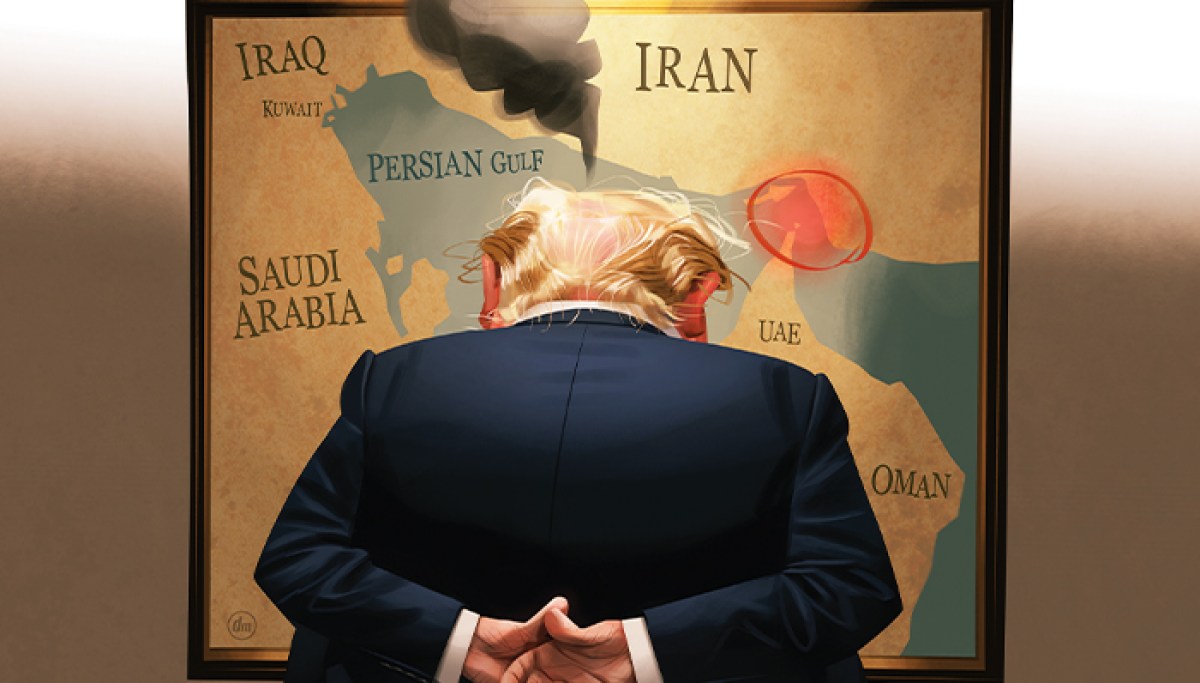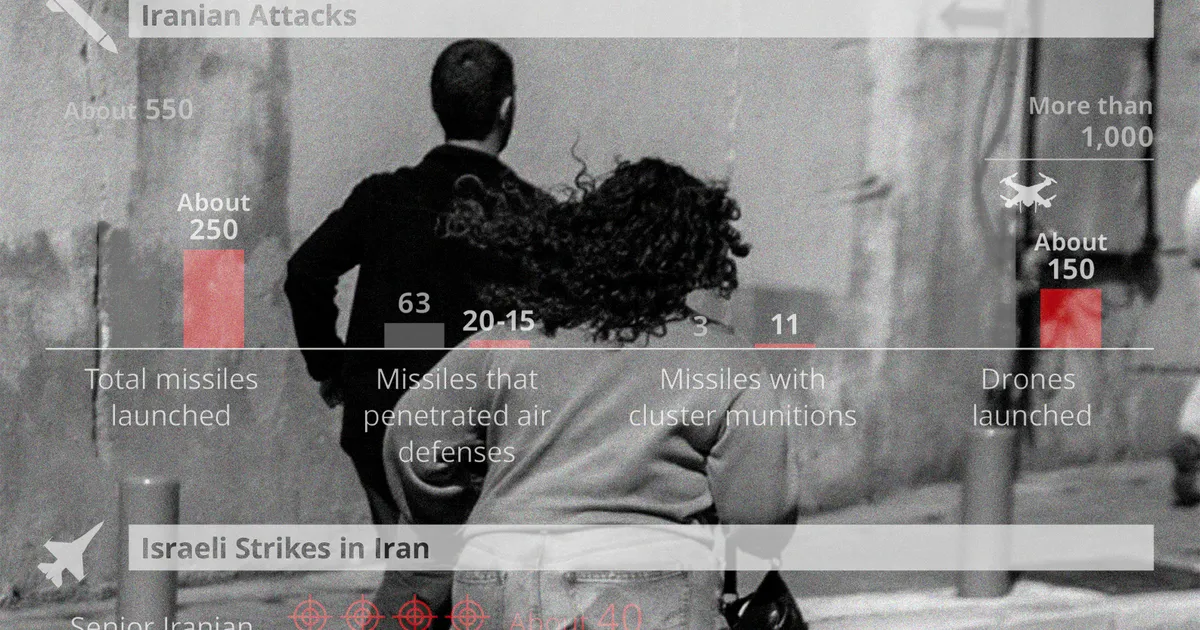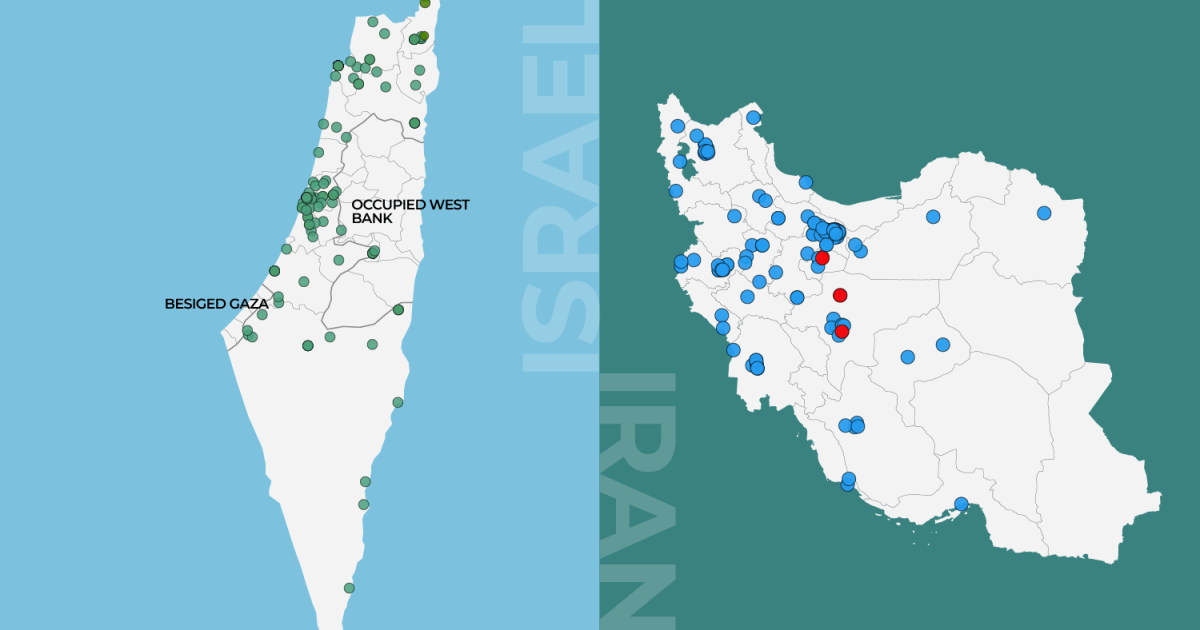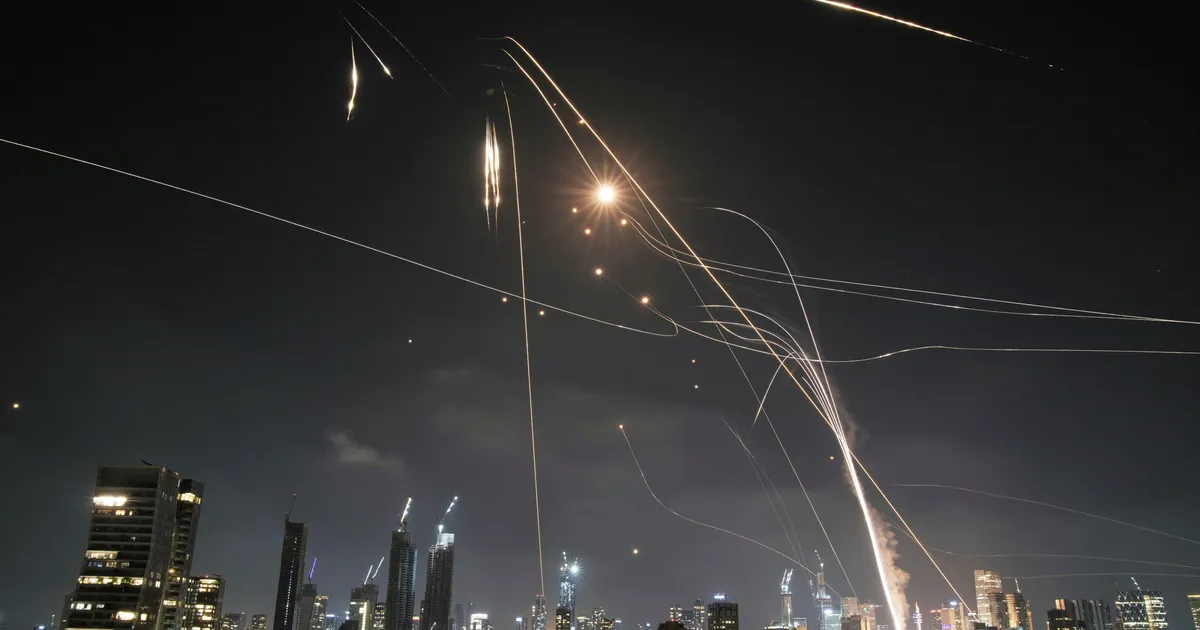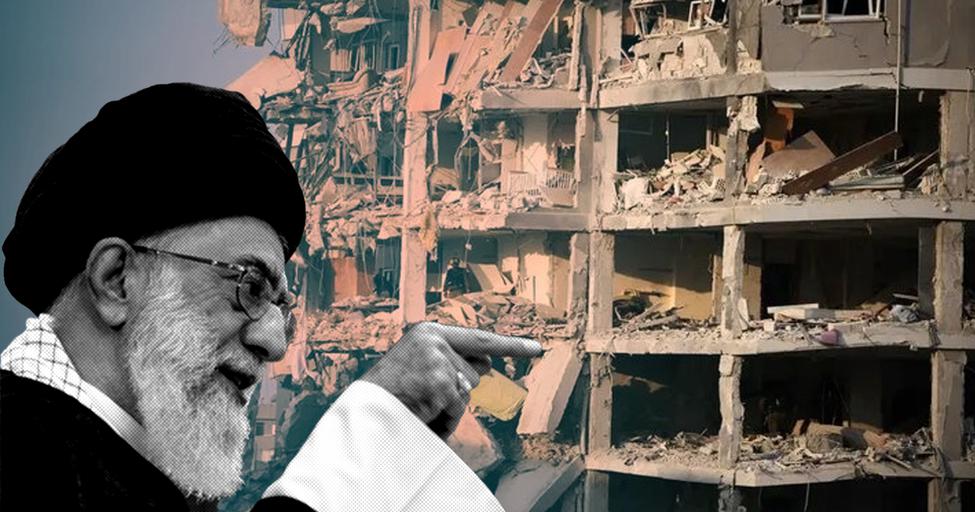
Israel attacked Iran at around 3:00 AM on June 12. This war, which lasted twelve days, began without a single siren. Throughout the entire duration, no air raid sirens were heard, and no bomb shelters had been prepared for the public. This unfolded despite a subsequent statement by the spokesperson for the Islamic Revolutionary Guard Corps (IRGC), emphasizing that “since January of last year, the Khatam al-Anbiya Headquarters considered war to be an absolute certainty.” Yet, in Israel’s initial strikes, the Islamic Republic’s most prominent commanders, including the commander of Khatam al-Anbiya himself, the Commander-in-Chief of the IRGC, the head of the Aerospace Force, and the Chief of the General Staff of the Armed Forces, were killed. Tehran was visibly caught entirely by surprise.
Over the past year, Iranians have witnessed two separate wars. Even now, some on the streets believe that 52 total days of warfare were not enough and that the fight must continue until “final victory” is achieved. Over the last year, as negotiations collapsed repeatedly, pro-war factions have found their voices amplified. Politically, these wars have yielded few, if any, tangible achievements domestically, but economically, they have devastated countless lives. While the Twelve-Day War was not the origin of the Islamic Republic’s tensions with regional countries and the West, it marked a turning point that fundamentally transformed Iran’s political, social, and economic spheres.