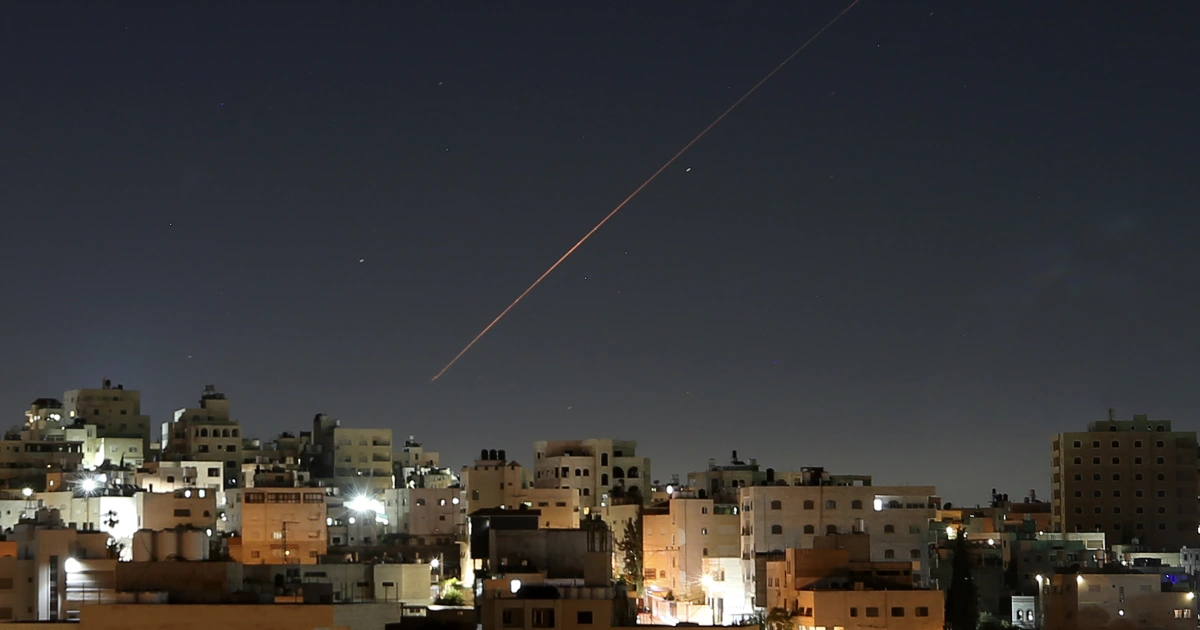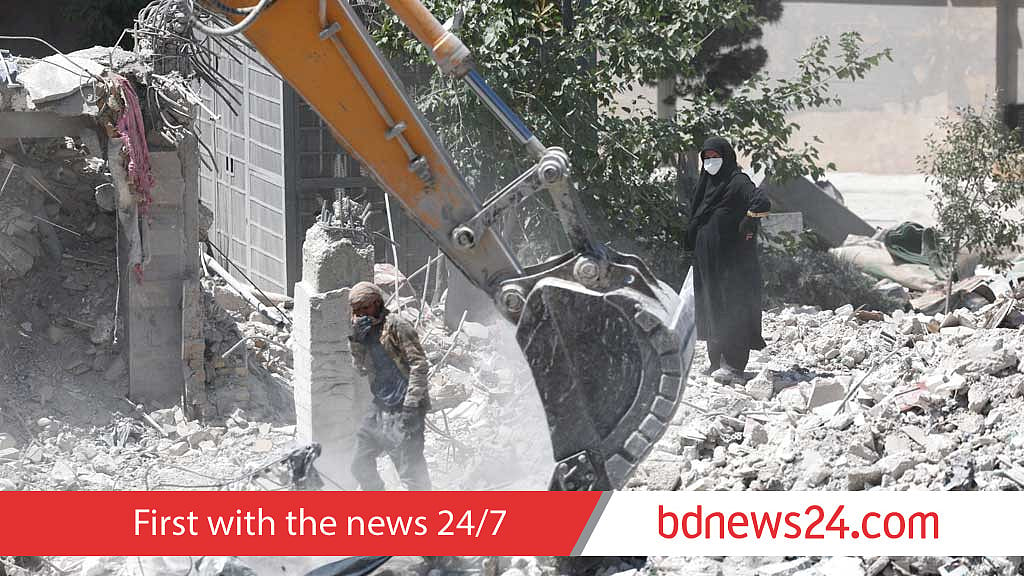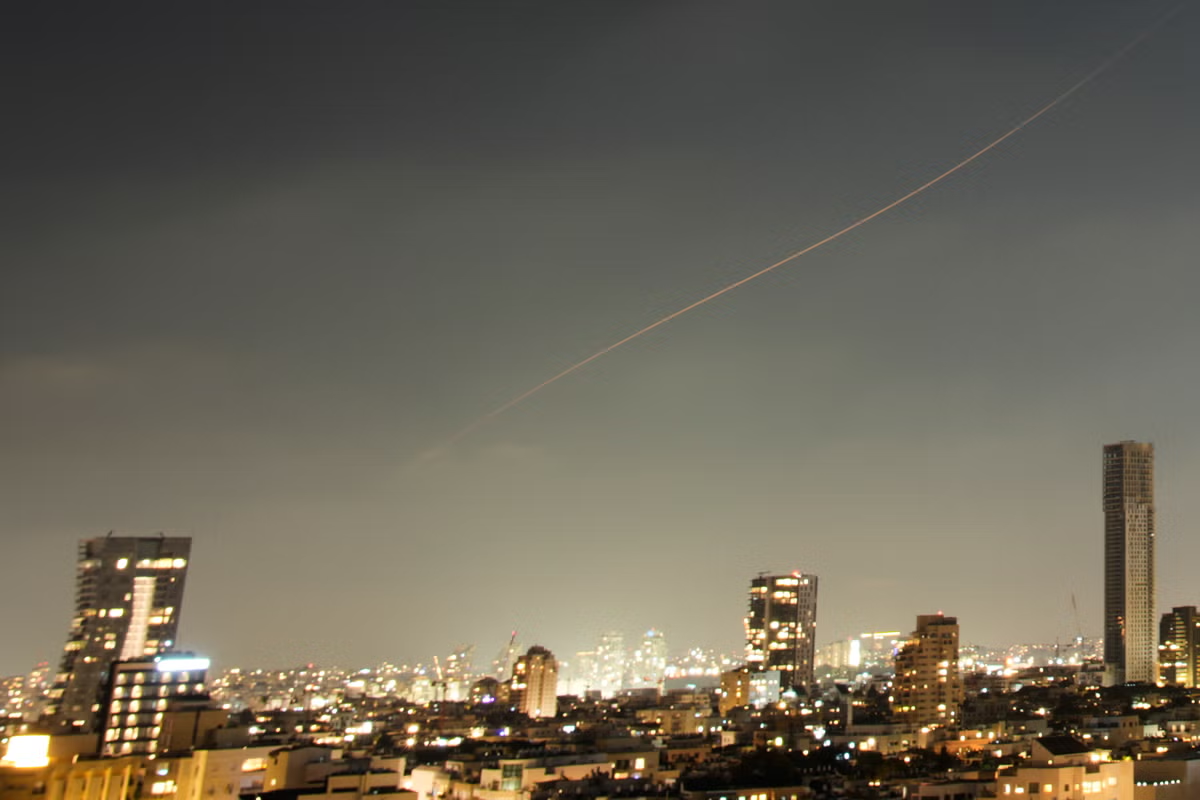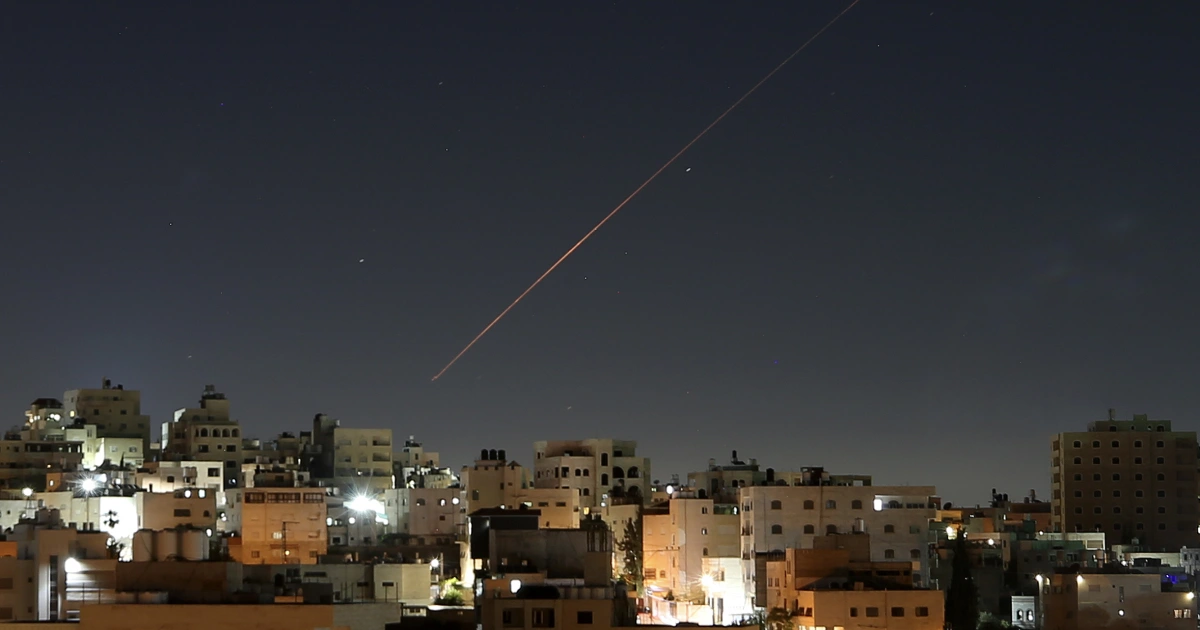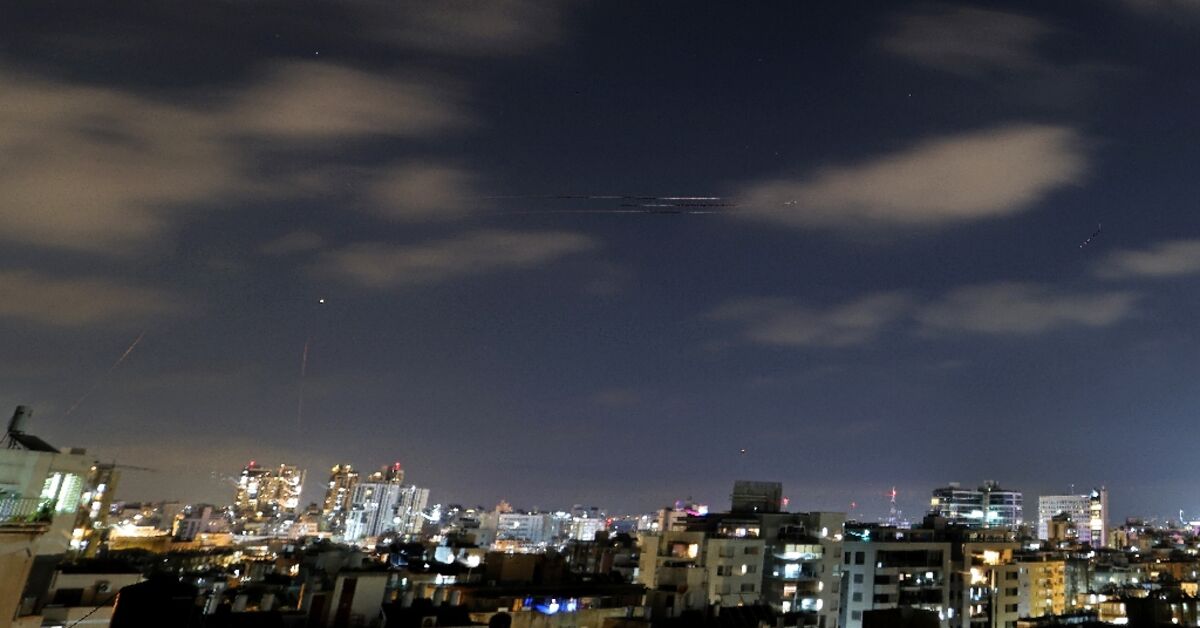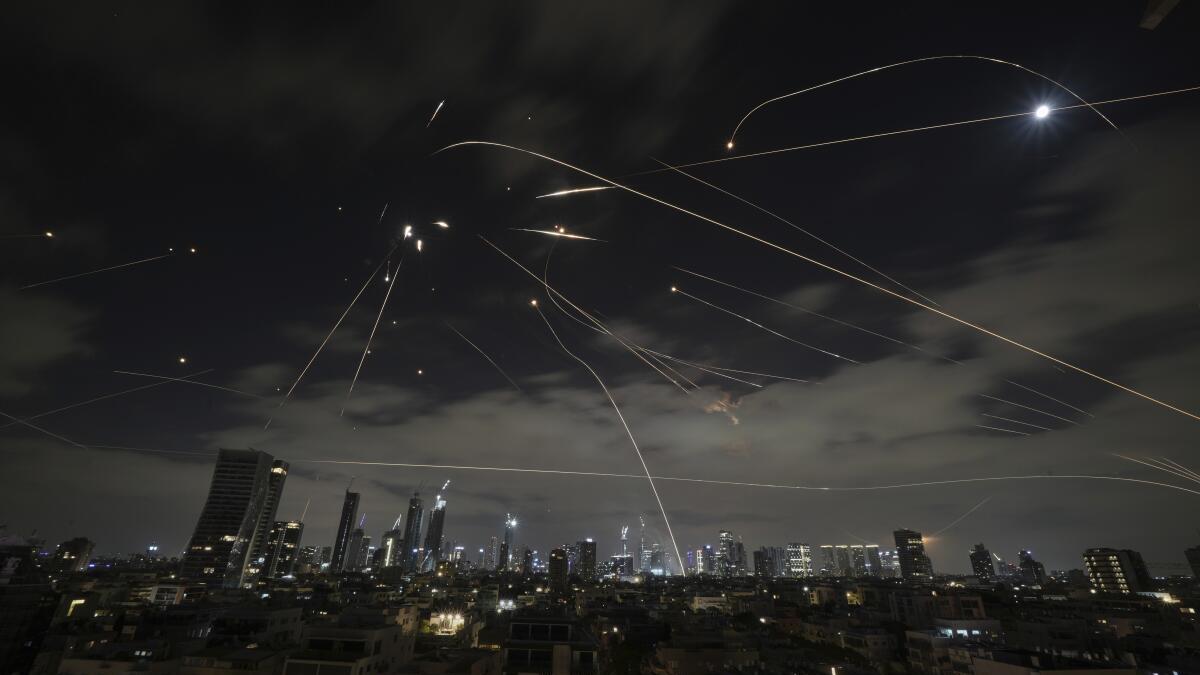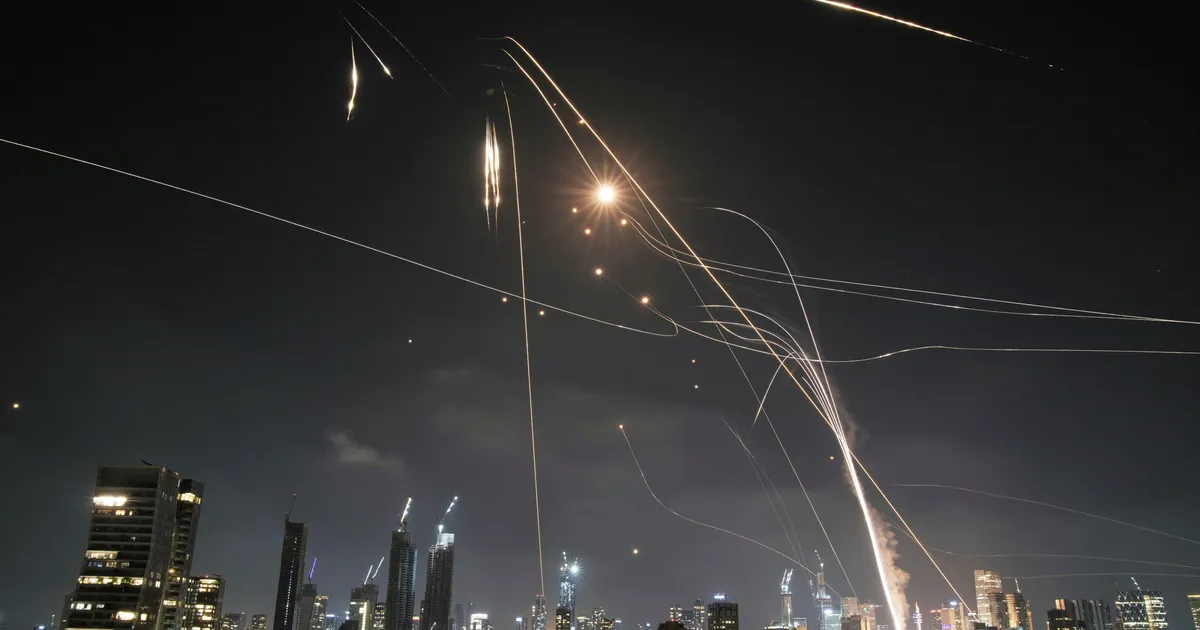
Jun 8, 2026 | 20:51Jun 8, 2026 | 20:51Israel and Iran exchanged direct attacks on Sunday night, shattering a cease-fire that had held since April 8.Late Sunday, Iran launched missiles at Israel in what it said was retaliation for an Israeli strike on Hezbollah in Beirut. Israel responded with overnight attacks on targets in western and central Iran, while air raid sirens sounded across Israel again on Monday morning after a second Iranian missile barrage.By Monday afternoon, the fighting had ended, with both sides warning that any further attack would trigger retaliation, yet again.Although Israel and Iran have waged a shadow war through proxies, cyberattacks and covert operations for decades, the conflict entered a new phase in 2024 when the two countries attacked each other directly for the first time.Here's a timeline of the key events that led to the latest escalation.April 13, 2024Iran launches massive attack on IsraelAn anti-missile system operates after Iran launched drones and missiles towards Israel, April 14, 2024.Credit: Amir Cohen/ REUTERSIran directly attacked Israel for the first time, firing over 200 missiles and drones – the vast majority of which were intercepted by the IDF and Israel's allies.That attack came nearly two weeks after Mohammad Reza Zahedi, a top general in the Iranian Revolutionary Guards' elite Qods Force, and seven additional IRGC members were killed in an Israeli strike on the Iranian consulate in Damascus, Syria.Israel responded to the first-ever direct attack by Iran by targeting a major air base near Isfahan, though at the time it did not confirm that it was behind the strike. July-September 2024The war returns to the shadowsHezbollah leader Hassan Nasrallah's funeral in Beirut in February 2025.Credit: Mohamed Abd El Ghany/ReutersThe conflict seemed to go back to the shadow proxy war over the next few months. In late July, Ismail Haniyeh, the political leader of Hamas, was killed while visiting Tehran to take part in the inauguration ceremony for Iranian President Masoud Pezeshkian. Israel's responsibility for the killing would only be confirmed nearly six months later.Then, in late September 2024, an Israeli strike in Beirut killed several Hezbollah and IRGC members, including Hezbollah's leader, Hassan Nasrallah.October 2024Iran, Israel trade direct strikes againA home in rubble in central Israel following an Iranian attack, October 2024.Credit: Hadas ParushIn response to the killings of Haniyeh and Nasrallah, Iran launched a second direct attack on Israel on October 1, 2024, firing hundreds of missiles and drones, most of which were intercepted.Weeks later, Israel retaliated, saying it had struck Iranian military facilities as well as sites involved in the production of drones and missiles.June 2025The 12-Day WarAn apartment building in the Tel Aviv suburb of Bat Yam that was hit during the 12-Day War.Credit: Tomer AppelbaumOn June 13, 2025, Israel launched a large-scale attack on Iran, targeting the country's nuclear facilities, military bases and senior military commanders. Iran responded by launching waves of missiles at Israeli, hitting residential buildings, military targets and a hospital.Twenty-eight people were killed in Israel and thousands were wounded as a result of the barrages.On June 22, the United States entered the fray and bombed the nuclear sites at Fordow, Natanz, and Isfahan. Two days later, U.S. President Donald Trump announced a cease-fire between Israel and Iran, ending the conflict.February 2026Israel, U.S.-Iran warTehran building struck by Israel, in March.Credit: Majid Asgaripour/ReutersIn early 2026, as mass protests swept Iran, the United States began amassing troops and equipment across the Middle East. Then, on February 28, the U.S. and Israel launched a surprise attack on Iran, killing senior leaders – including the country's 86-year-old supreme leader, Ali Khamenei.Iran responded by launching missiles and drones at Israel and its Gulf neighbors, claiming it was targeting U.S. troops stationed in those countries. Tehran also closed the Strait of Hormuz, triggering a global energy crisis and sending gas prices soaring worldwide.Nearly 30 Israeli civilians were killed in the attacks, including nine who died when an Iranian rocket struck a shelter near a synagogue in central Israel. Fifteen American soldiers were killed, including six who died when their aerial refueling aircraft crashed in western Iraq. Four Palestinian women were killed in the West Bank when an Iranian missile struck near a beauty salon.June 2026The 20-hour war?The site of an Israeli strike in Iran on Monday.Credit: IDF SpokespersonIsrael, which continued its war against Hezbollah in Lebanon after the cease-fire with Iran took effect, threatened to strike Beirut if Hezbollah rocket attacks continued. Iran issued threats of its own, saying it would attack Israel if Beirut was targeted.On Sunday, Israel carried out a strike in Beirut in response to repeated rocket fire on northern Israel, paving the way for Iran's missile attack later that night. Overnight, a missile fired by one of Tehran's proxies, the Houthis in Yemen, targeted central Israel. On Monday morning, Iran launched another missile barrage in response to Israel's overnight strikes.By Monday afternoon, after U.S. President Donald Trump ordered both sides to stop, Israel and Iran agreed to halt the fighting while issuing mutual warnings that any further attacks would be met with retaliation.ICYMI
Third war or just another rodeo? How Israel and Iran ended up here again
Jun 8, 2026 | 20:51Jun 8, 2026 | 20:51Israel and Iran exchanged direct attacks on Sunday night, shattering a cease-fire that had held since April 8.Late Sunday, Iran launched missiles at Israel in what it said was retaliation for an Israeli strike on Hezbollah in Beirut. Israel responded with overnight attacks on targets in western and central Iran, while air raid sirens sounded across Israel again on Monday morning after a second Iranian missile barrage.By Monday afternoon, the fighting had ended, with both sides warning that any further attack would trigger retaliation, yet again.Although Israel and Iran have waged a shadow war through proxies, cyberattacks and covert operations for decades, the conflict entered a new phase in 2024 when the two countries attacked each other directly for the first time.Here's a timeline of the key events that led to the latest escalation.April 13, 2024Iran launches massive attack on IsraelAn anti-missile system operates after Iran launched drones and missiles towards Israel, April 14, 2024.Credit: Amir Cohen/ REUTERSIran directly attacked Israel for the first time, firing over 200 missiles and drones – the vast majority of which were intercepted by the IDF and Israel's allies.That attack came nearly two weeks after Mohammad Reza Zahedi, a top general in the Iranian Revolutionary Guards' elite Qods Force, and seven additional IRGC members were killed in an Israeli strike on the Iranian consulate in Damascus, Syria.Israel responded to the first-ever direct attack by Iran by targeting a major air base near Isfahan, though at the time it did not confirm that it was behind the strike. July-September 2024The war returns to the shadowsHezbollah leader Hassan Nasrallah's funeral in Beirut in February 2025.Credit: Mohamed Abd El Ghany/ReutersThe conflict seemed to go back to the shadow proxy war over the next few months. In late July, Ismail Haniyeh, the political leader of Hamas, was killed while visiting Tehran to take part in the inauguration ceremony for Iranian President Masoud Pezeshkian. Israel's responsibility for the killing would only be confirmed nearly six months later.Then, in late September 2024, an Israeli strike in Beirut killed several Hezbollah and IRGC members, including Hezbollah's leader, Hassan Nasrallah.October 2024Iran, Israel trade direct strikes againA home in rubble in central Israel following an Iranian attack, October 2024.Credit: Hadas ParushIn response to the killings of Haniyeh and Nasrallah, Iran launched a second direct attack on Israel on October 1, 2024, firing hundreds of missiles and drones, most of which were intercepted.Weeks later, Israel retaliated, saying it had struck Iranian military facilities as well as sites involved in the production of drones and missiles.June 2025The 12-Day WarAn apartment building in the Tel Aviv suburb of Bat Yam that was hit during the 12-Day War.Credit: Tomer AppelbaumOn June 13, 2025, Israel launched a large-scale attack on Iran, targeting the country's nuclear facilities, military bases and senior military commanders. Iran responded by launching waves of missiles at Israeli, hitting residential buildings, military targets and a hospital.Twenty-eight people were killed in Israel and thousands were wounded as a result of the barrages.On June 22, the United States entered the fray and bombed the nuclear sites at Fordow, Natanz, and Isfahan. Two days later, U.S. President Donald Trump announced a cease-fire between Israel and Iran, ending the conflict.February 2026Israel, U.S.-Iran warTehran building struck by Israel, in March.Credit: Majid Asgaripour/ReutersIn early 2026, as mass protests swept Iran, the United States began amassing troops and equipment across the Middle East. Then, on February 28, the U.S. and Israel launched a surprise attack on Iran, killing senior leaders – including the country's 86-year-old supreme leader, Ali Khamenei.Iran responded by launching missiles and drones at Israel and its Gulf neighbors, claiming it was targeting U.S. troops stationed in those countries. Tehran also closed the Strait of Hormuz, triggering a global energy crisis and sending gas prices soaring worldwide.Nearly 30 Israeli civilians were killed in the attacks, including nine who died when an Iranian rocket struck a shelter near a synagogue in central Israel. Fifteen American soldiers were killed, including six who died when their aerial refueling aircraft crashed in western Iraq. Four Palestinian women were killed in the West Bank when an Iranian missile struck near a beauty salon.June 2026The 20-hour war?The site of an Israeli strike in Iran on Monday.Credit: IDF SpokespersonIsrael, which continued its war against Hezbollah in Lebanon after the cease-fire with Iran took effect, threatened to strike Beirut if Hezbollah rocket attacks continued. Iran issued threats of its own, saying it would attack Israel if Beirut was targeted.On Sunday, Israel carried out a strike in Beirut in response to repeated rocket fire on northern Israel, paving the way for Iran's missile attack later that night. Overnight, a missile fired by one of Tehran's proxies, the Houthis in Yemen, targeted central Israel. On Monday morning, Iran launched another missile barrage in response to Israel's overnight strikes.By Monday afternoon, after U.S. President Donald Trump ordered both sides to stop, Israel and Iran agreed to halt the fighting while issuing mutual warnings that any further attacks would be met with retaliation.ICYMI