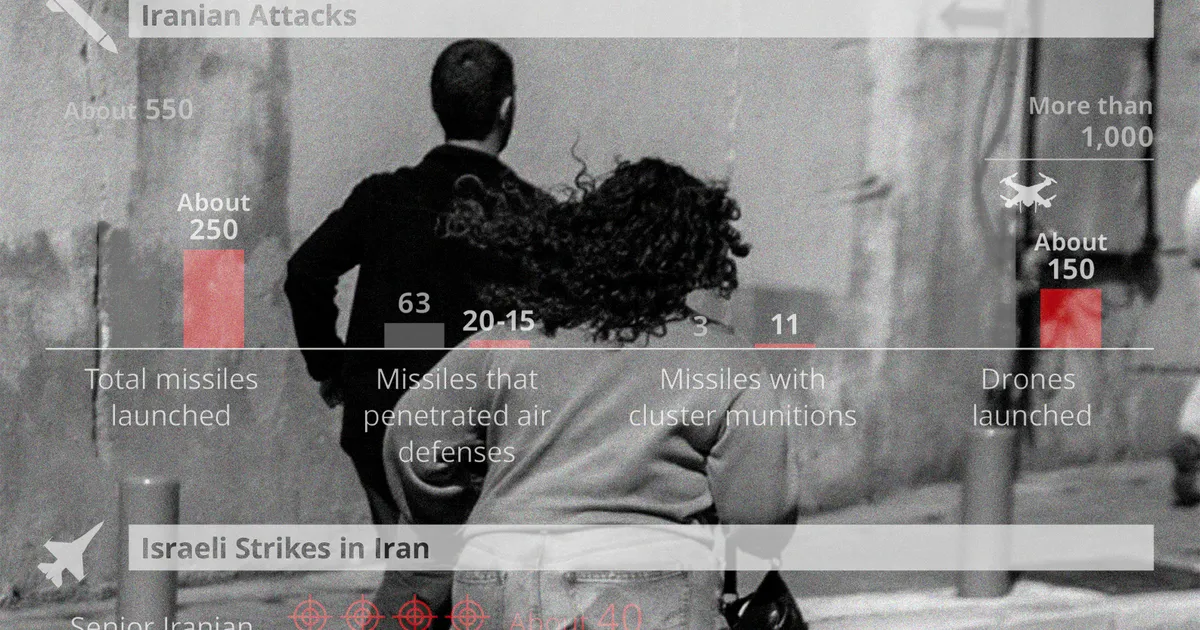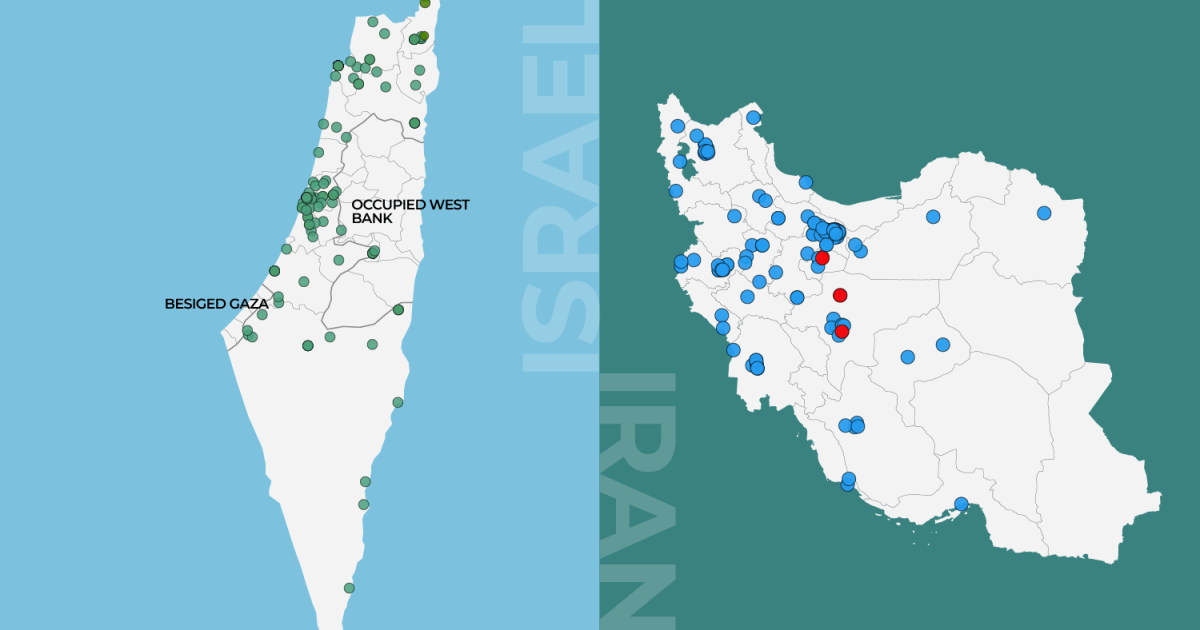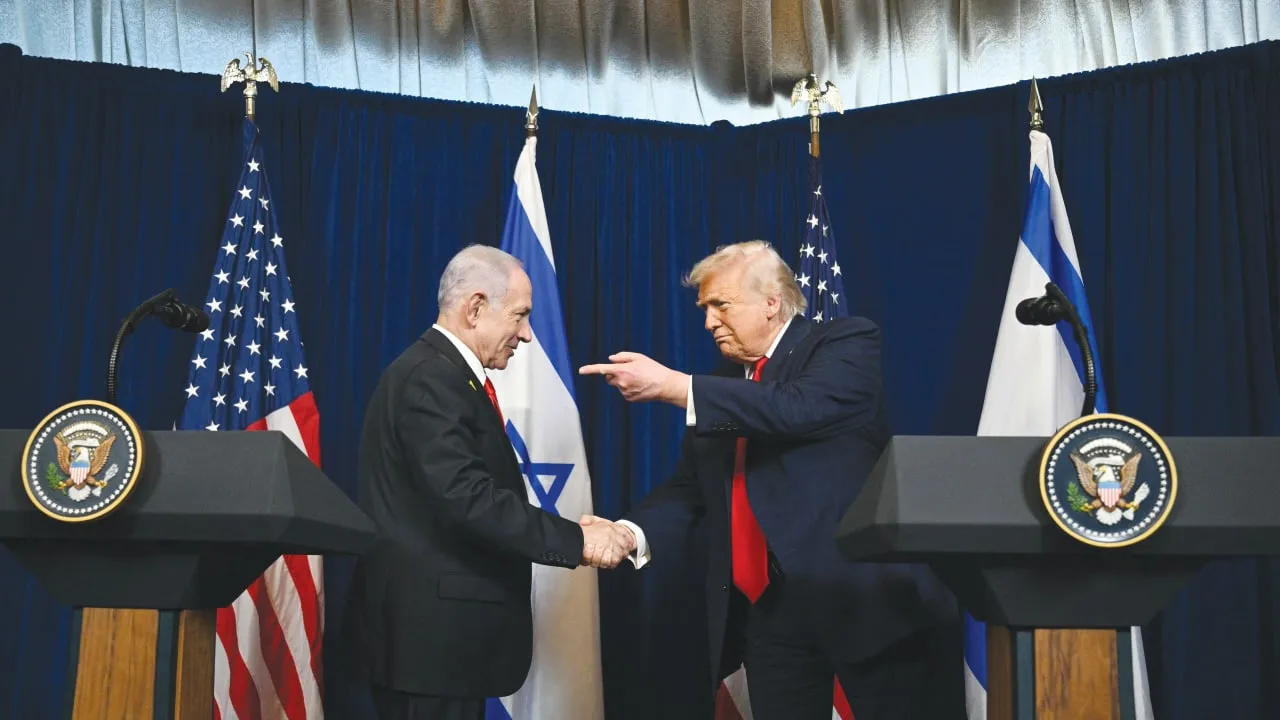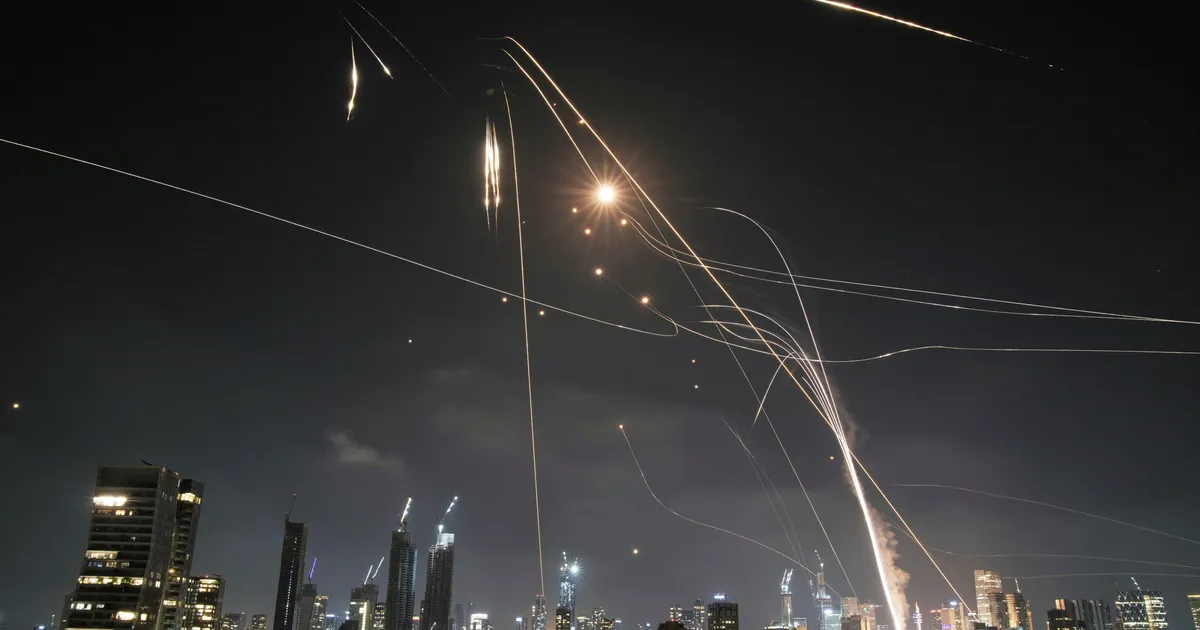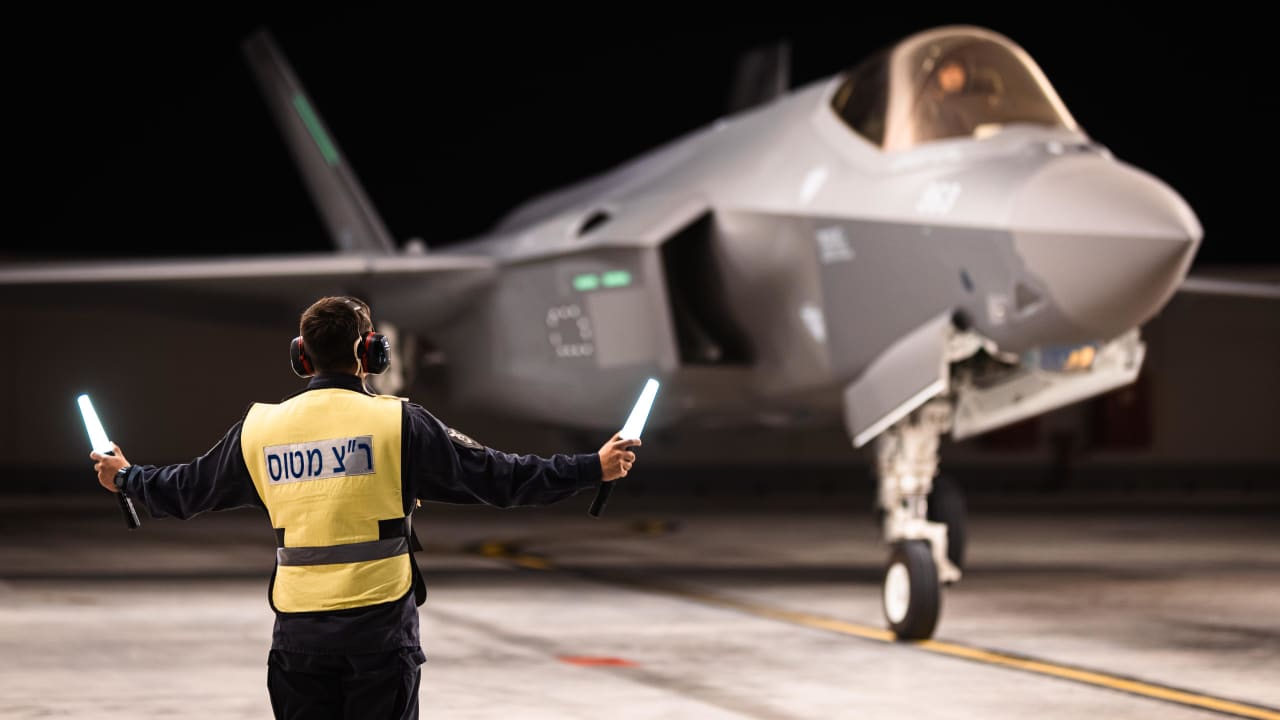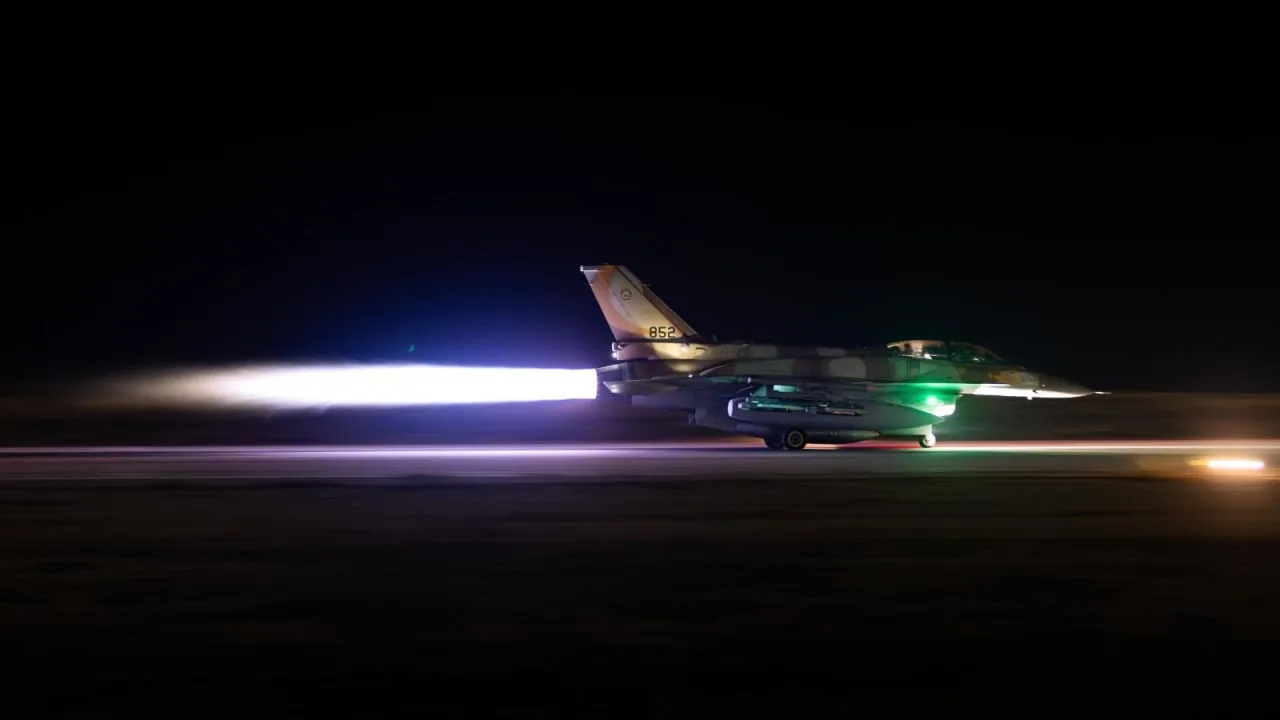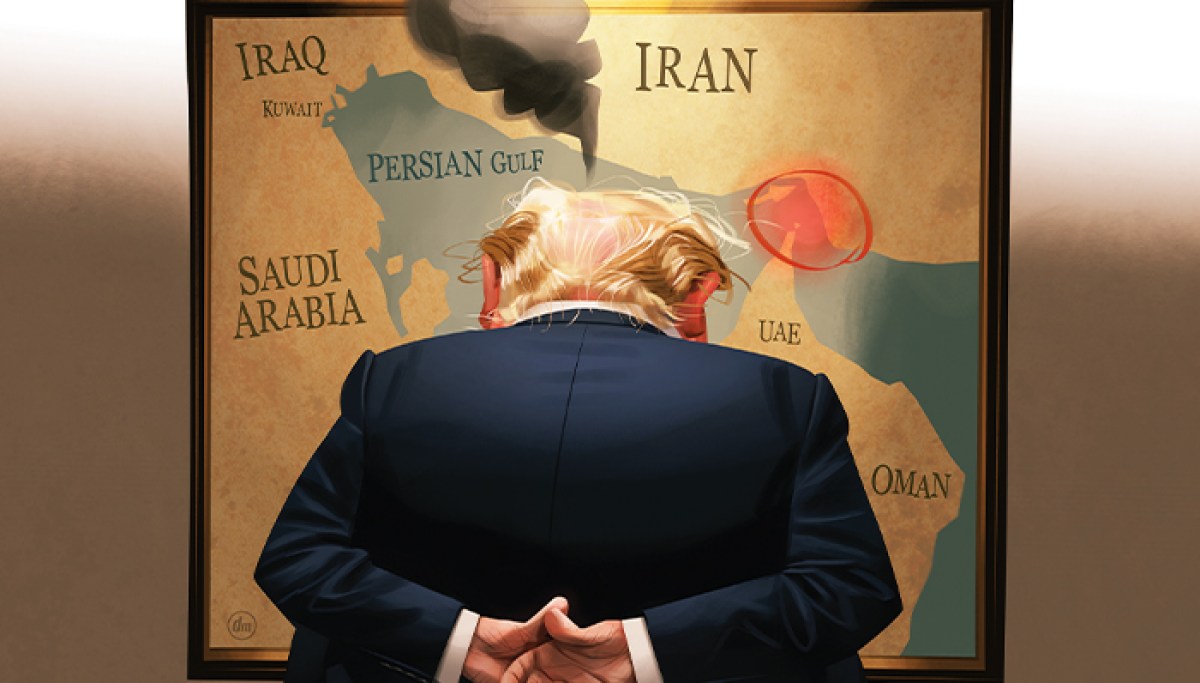
Exactly twelve months ago, the Israel Defense Forces launched a surprise attack on the Islamic Republic of Iran designed to degrade the mullahs’ fearsome nuclear and ballistic missile programs. Israel called the mission Operation Rising Lion, and it was later joined by a strike package of seven American B-2 bombers, which leveled Iran’s hardened Fordow nuclear complex in an aerial assault that the United States labeled Operation Midnight Hammer.The concerted campaign, which came to be known as the Twelve-Day War, marked the first outright conflict between the Jewish state and the Islamic Republic, and it significantly set back the ayatollahs’ long-gestating plan to wipe Israel off the map. It also provided a proof of concept for Operation Roaring Lion/Epic Fury, the joint U.S.-Israeli attack on Iran that began in late February and concluded, with a still-rocky ceasefire, some forty days later.As we usher in the first anniversary of the initial war, it’s worth asking what its lasting effects have been. Three key questions encompass the military, strategic, and diplomatic fronts: How badly did Israel and the U.S. damage Tehran’s menacing nuclear capabilities and general warmaking capacity? How has the strategic equation changed in the Middle East? And how has the Jewish state’s standing in the world held up in the wake of the fighting?
The Twelve-Day War, twelve months later
As we usher in the first anniversary of the initial Israel-Iran war, it’s worth asking what its lasting effects have been.
2,598 words~12 min read