The West's recent conflicts have allowed home countries to stay safe and removed from attacks. That's not guaranteed in the future.
GAVRIIL GRIGOROV/SPUTNIK/AFP via Getty Images
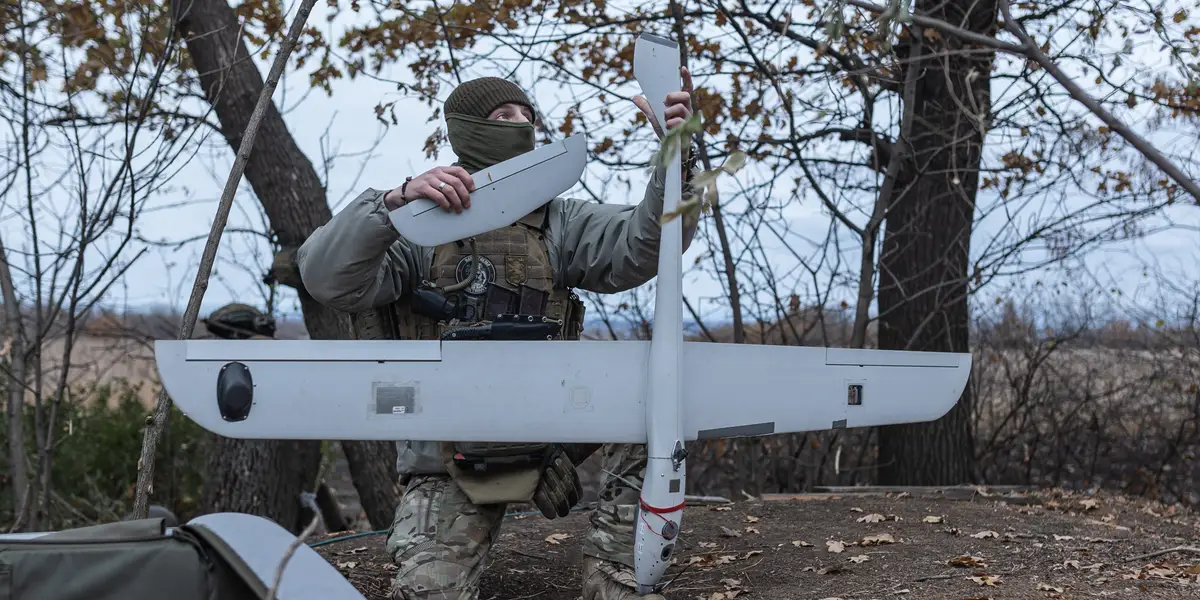
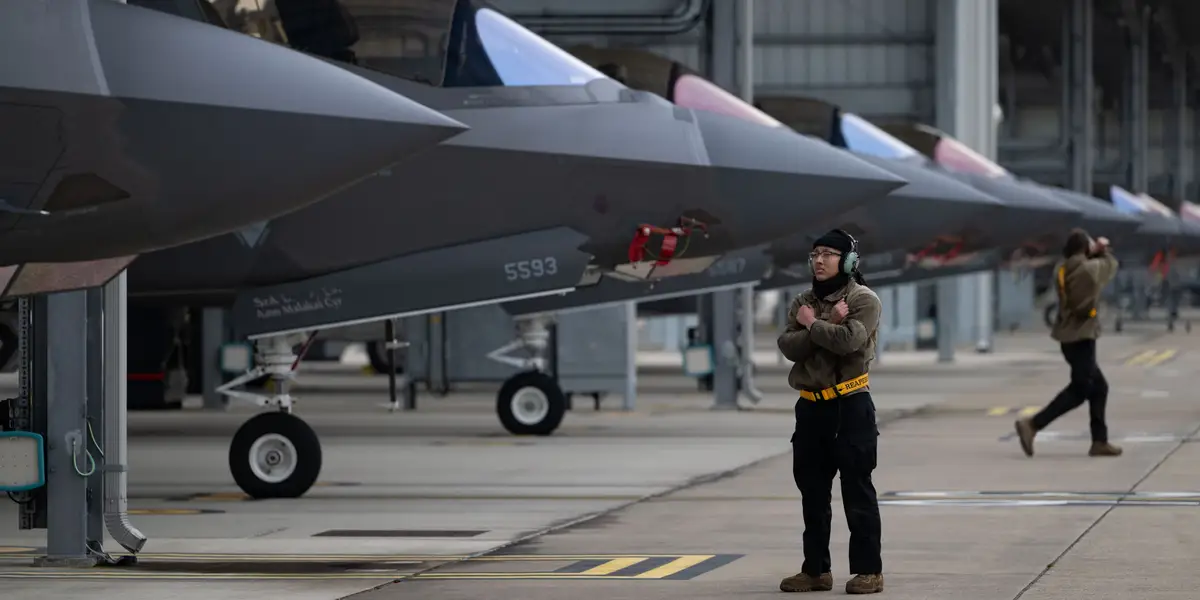
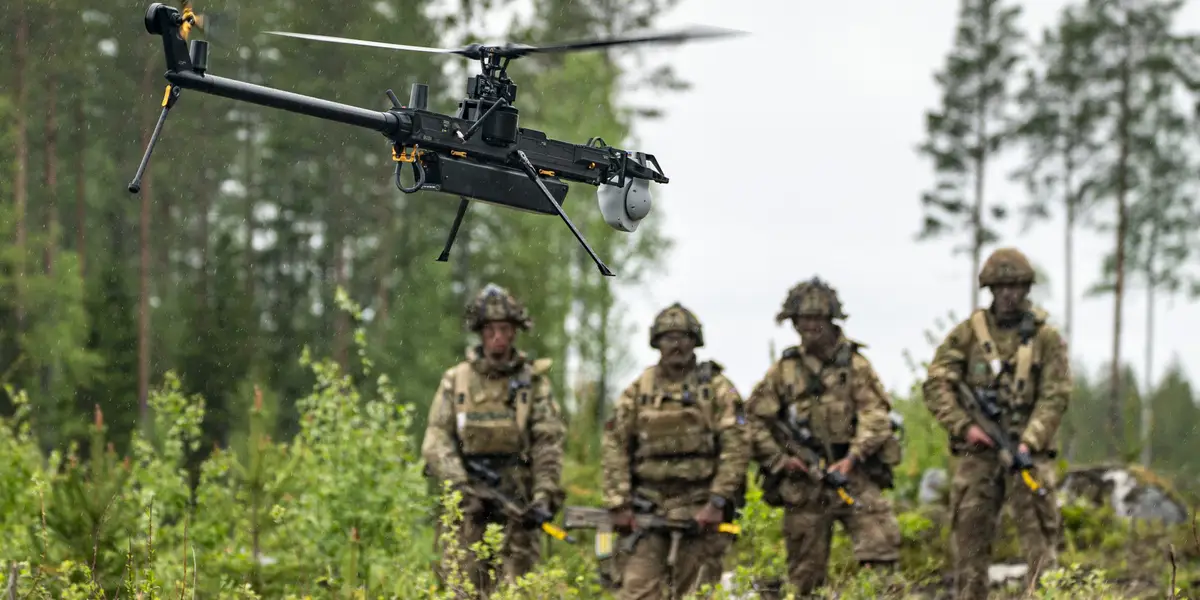
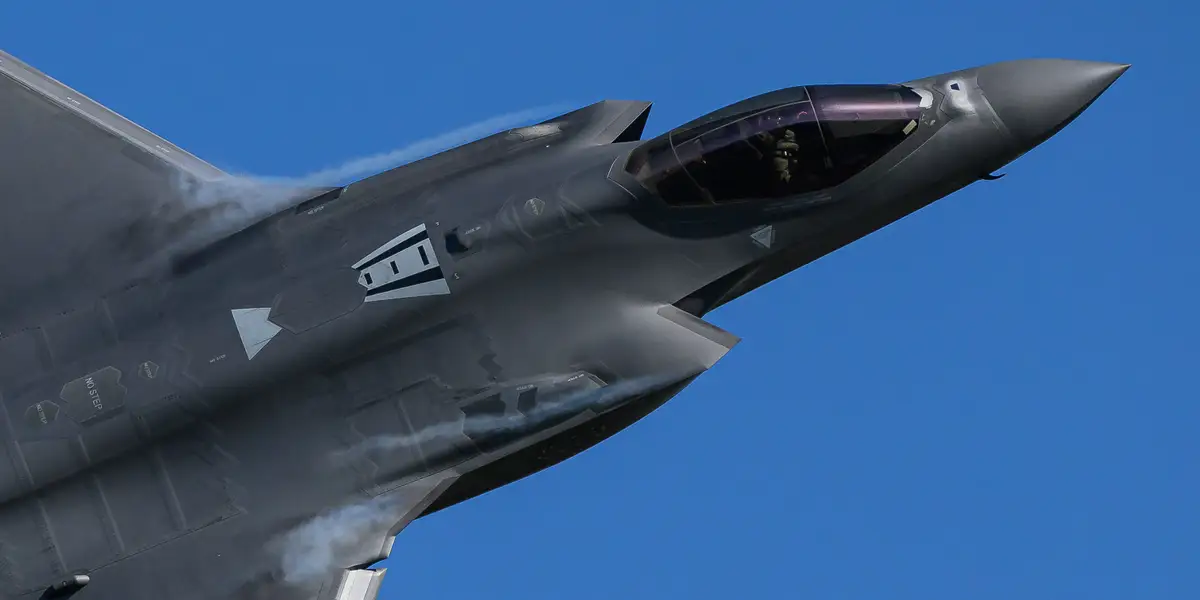
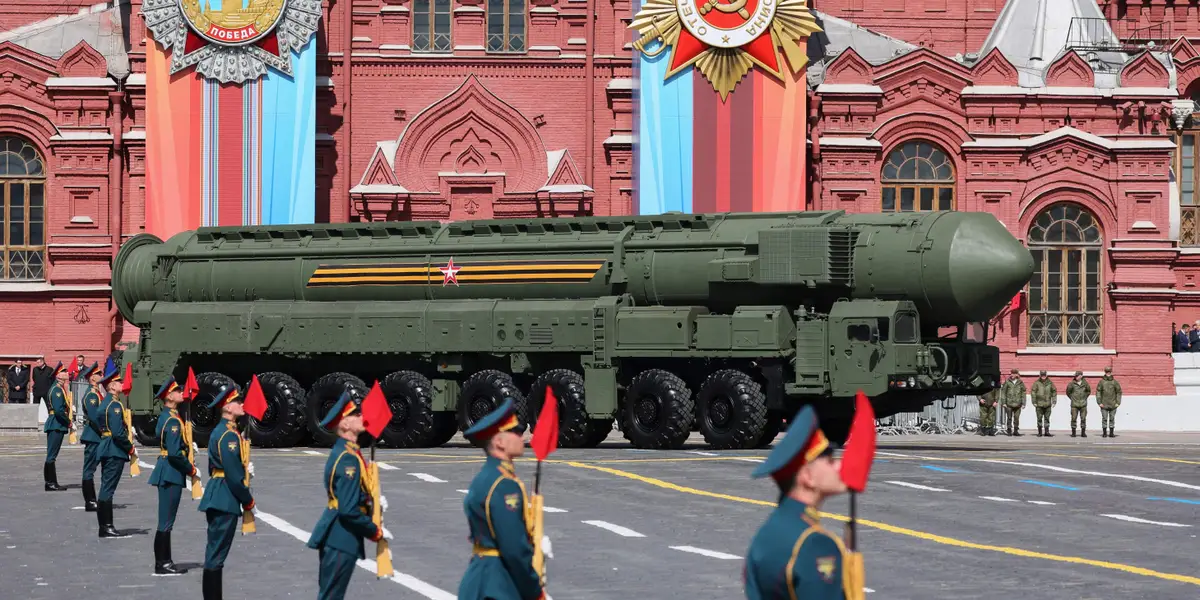
In a serious near-peer conflict, Western countries can't count on their homelands remaining safe while their militaries fight overseas, a top NATO commander told Business Insider.Air threats are more numerous and can reach much farther than when the West last fought a major war against a similarly capable adversary, Sir John Stringer, NATO's Deputy Supreme Allied Commander Europe, told Business Insider.Beyond traditional aircraft threats, powerful missiles and cheap long-range drones can now threaten places that once would have been considered safely in the rear.The West had at least 20 years of fighting counter-insurgency campaigns, Stringer said. For the UK, that meant "we deployed 2,000 or 3,000 miles off the UK, fought and then we'd come back to a very secure rear area called the United Kingdom.""Those days, sadly, are also gone."The warning is not simply that NATO homelands could be hit in a future war. Western militaries have long known that stronger adversaries could threaten cities, bases, ports, and infrastructure in a major conflict.NATO's problem now is that cheap long-range drones, missiles, sabotage, and mass air attacks mean the rear is no longer just theoretically vulnerable. Instead, it could be routinely contested, and the West may not have enough defenses to adequately protect everything, requiring tough choices.