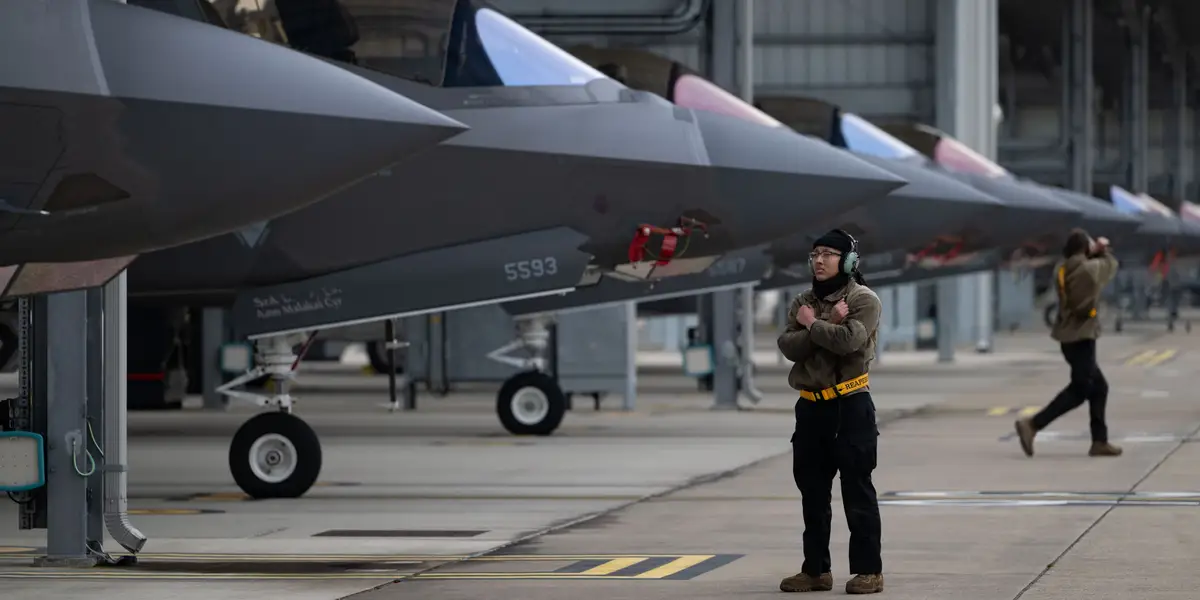
NATO allies have centralized their air operations into a small number of combined air operations centers, and that needs to change, a top official said.
Staff Sgt. Elizabeth Davis/US Air Force
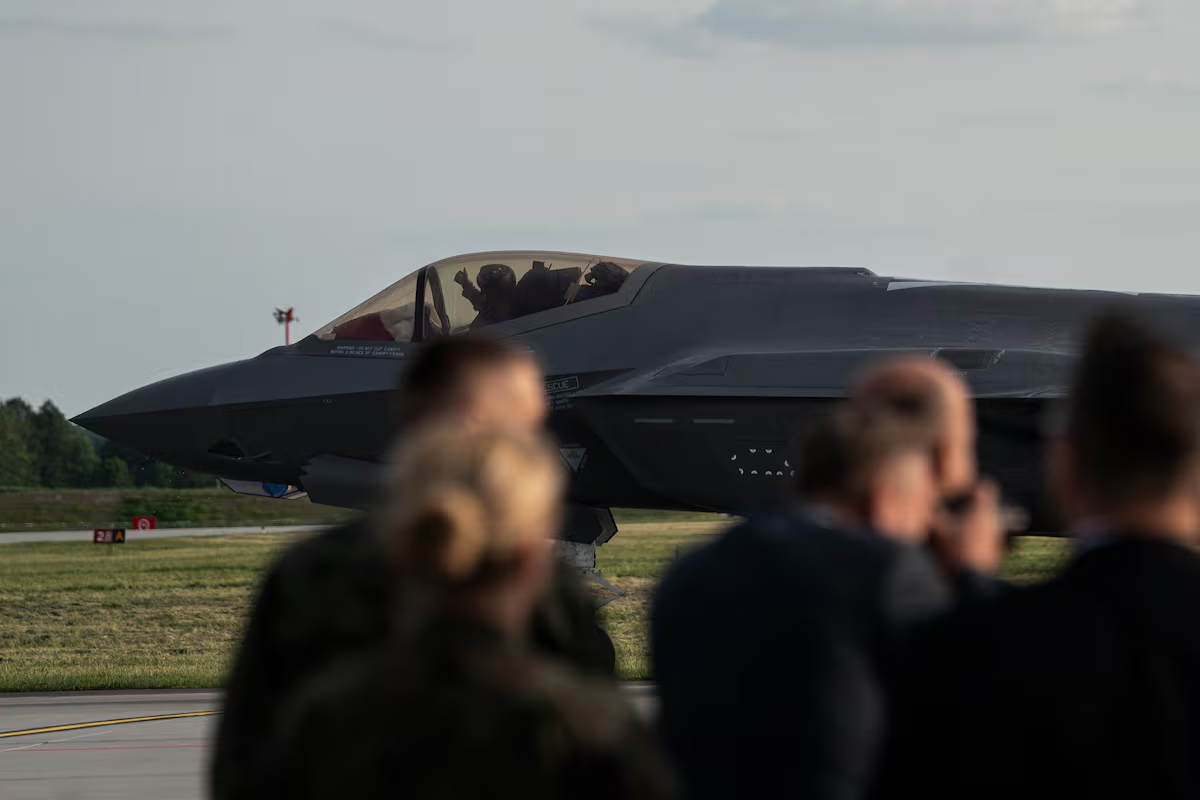
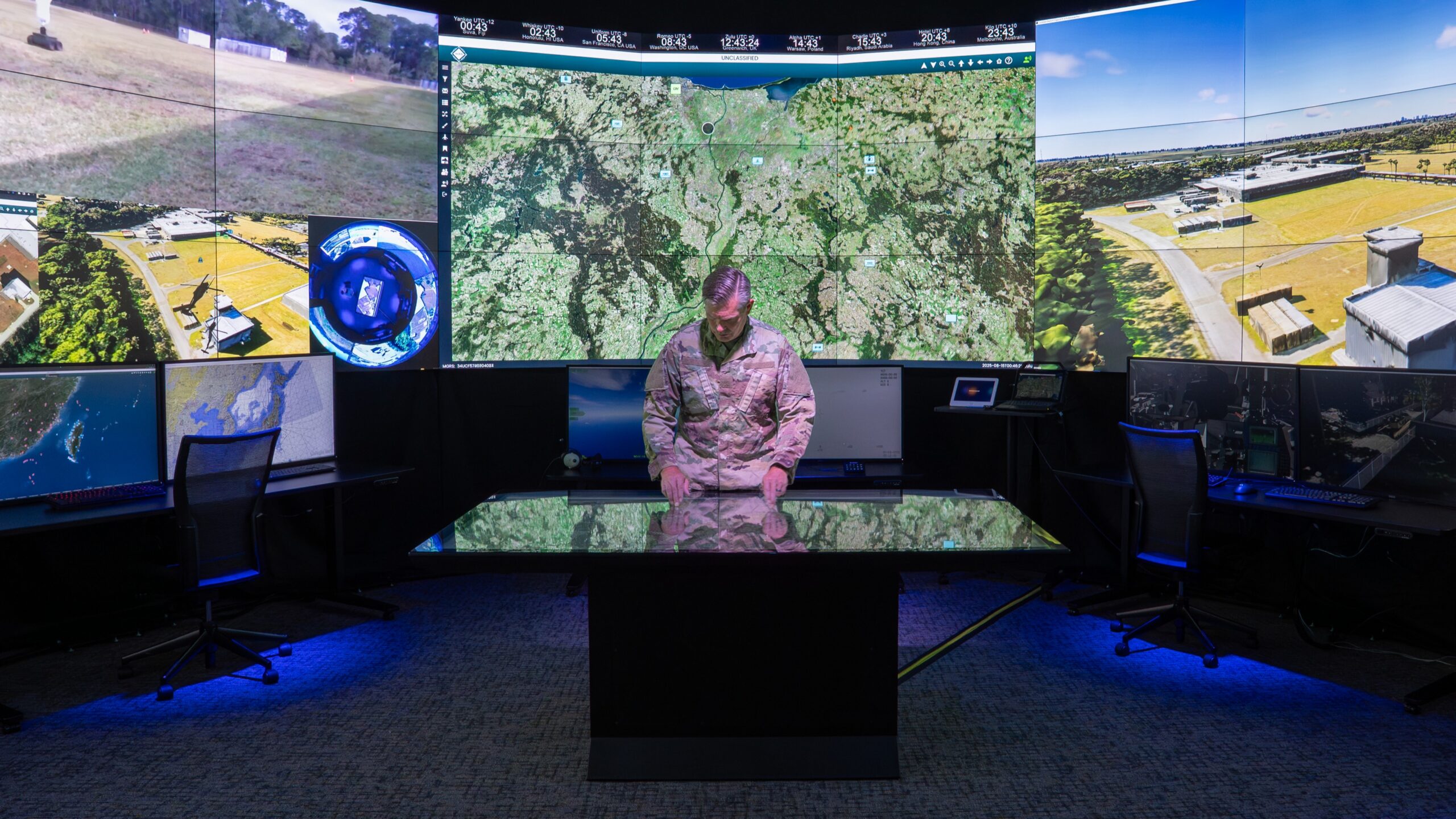
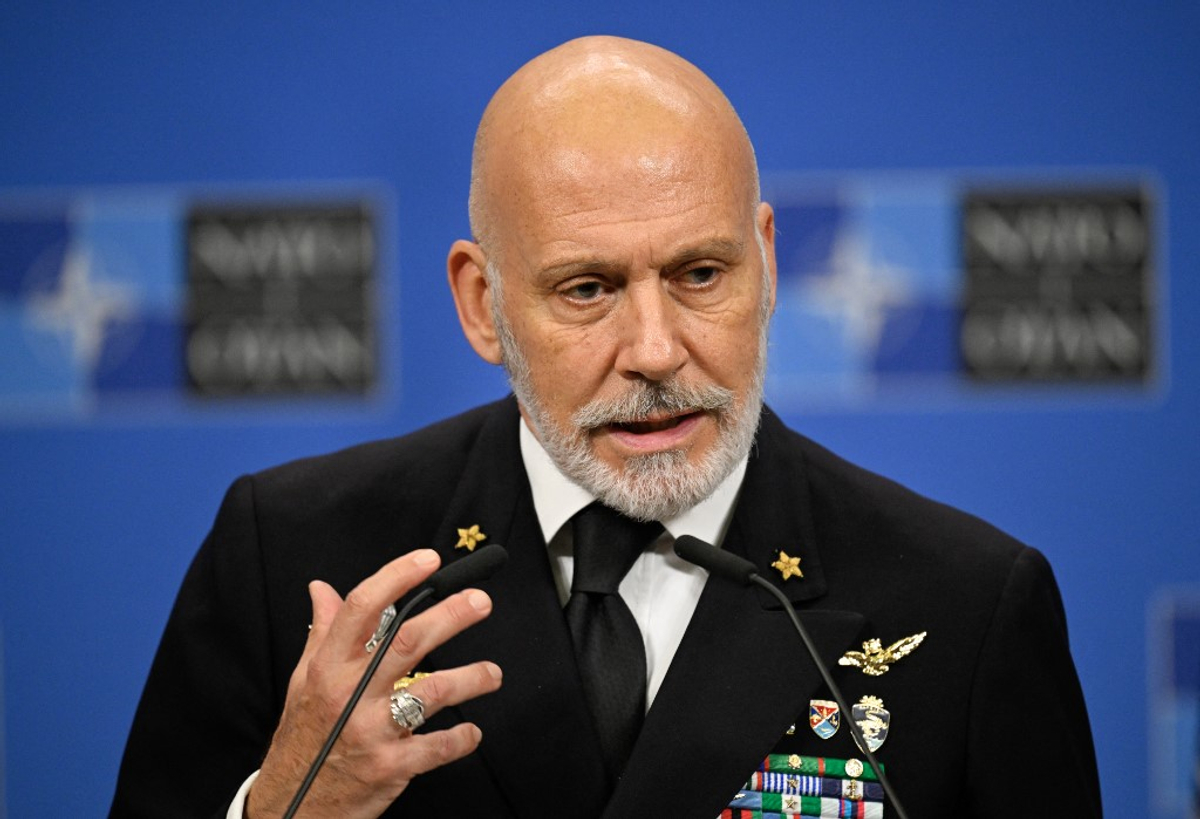
The West's long-enjoyed luxury of having large command centers can't continue, even though it will make work more difficult, a top NATO commander told Business Insider.The West has, for decades, operated out of large air operations centers, Air Chief Marshal Sir John Stringer, NATO's Deputy Supreme Allied Commander Europe, told BI. "If we're honest, a lot of it still looks like it did towards the last decade, two decades even with the Cold War."But that can't continue as the number of threats in the air grows, he said."The sense of the big single air operation center, which a lot of people have grown up with over the last sort of 35 years — probably first seen at scale in the Gulf War in 1991 — through to the fixed command and reporting centers, that's going to have to change," Stringer said.There needs to be mobility in command instead, he said. "In fact, mobility, redundancy, and survivability in command and control are essential. Those are not going to become essential. They're essential now."He described it as an area where NATO needs to "play catch-up."NATO's current large air operation centers include the Combined Air Operations Center at Uedem, Germany, which directs and monitors NATO missions with aircraft like Dassault Rafales and F-16 fighter jets and is responsible for all of the alliance's air policing in northern Europe, including in the Baltic region, where the threat from Russia is the strongest. Another center, in northern Norway, oversees missions across the Baltic Sea and the Nordic region.Over the last few decades, the Western way of running air wars has focused on a small number of large command-and-control organizations like these that coordinate aircraft sorties, missile strikes, surveillance, air defense operations, and more.