The growing number of threats in the air means NATO militaries need to change how they defend and get control, a top alliance commander said.
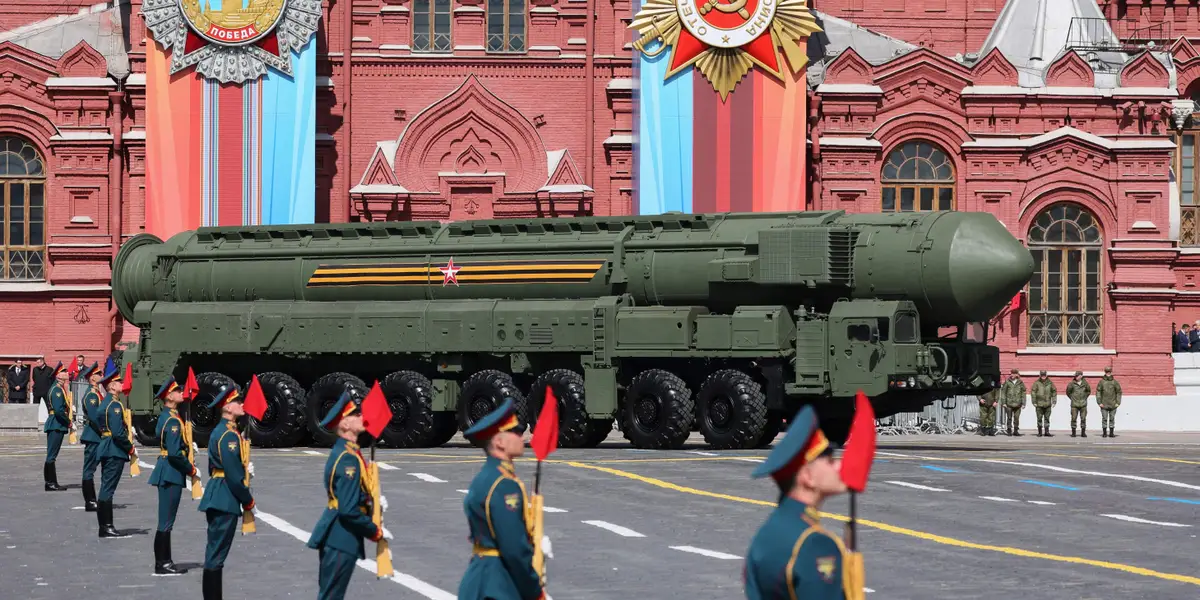
Diego Herrera Carcedo/Anadolu via Getty Images
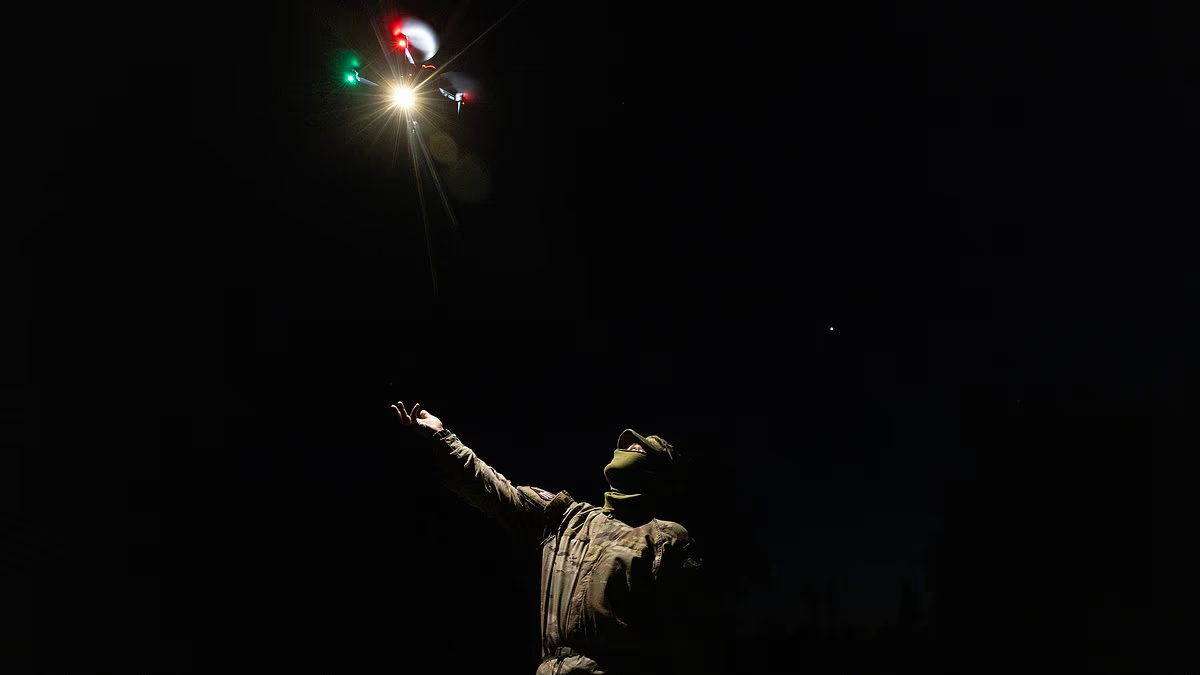
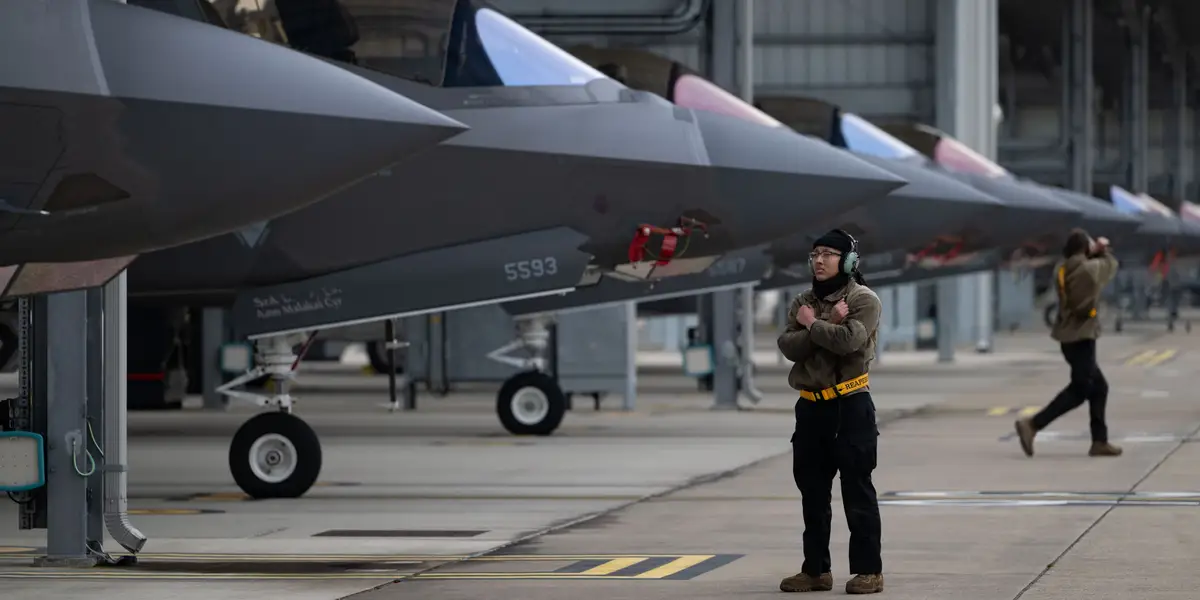
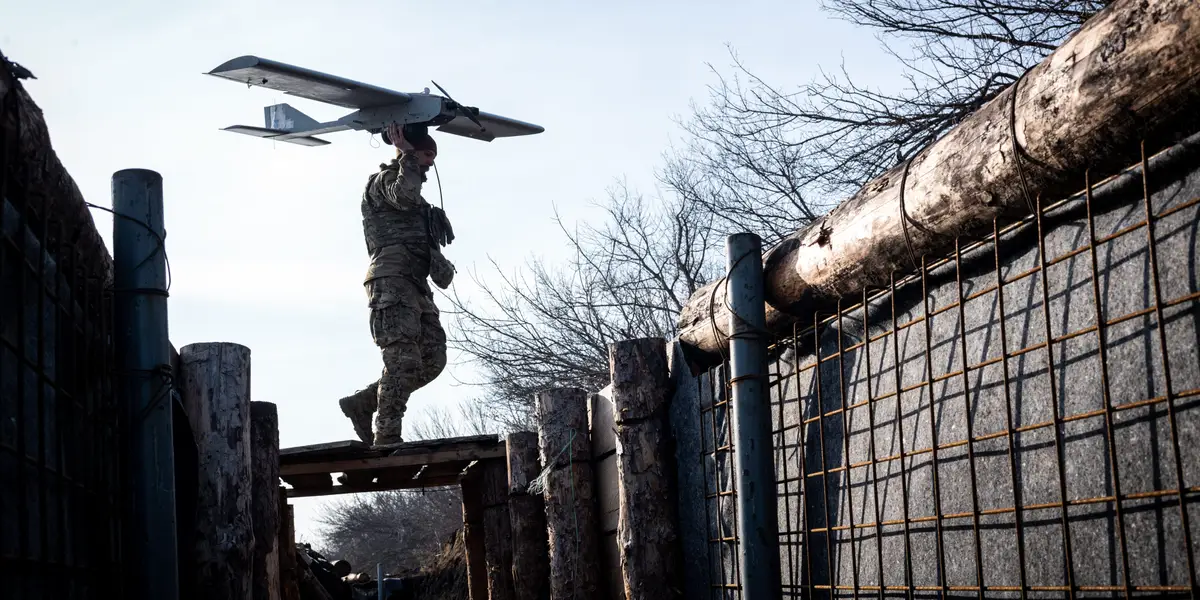
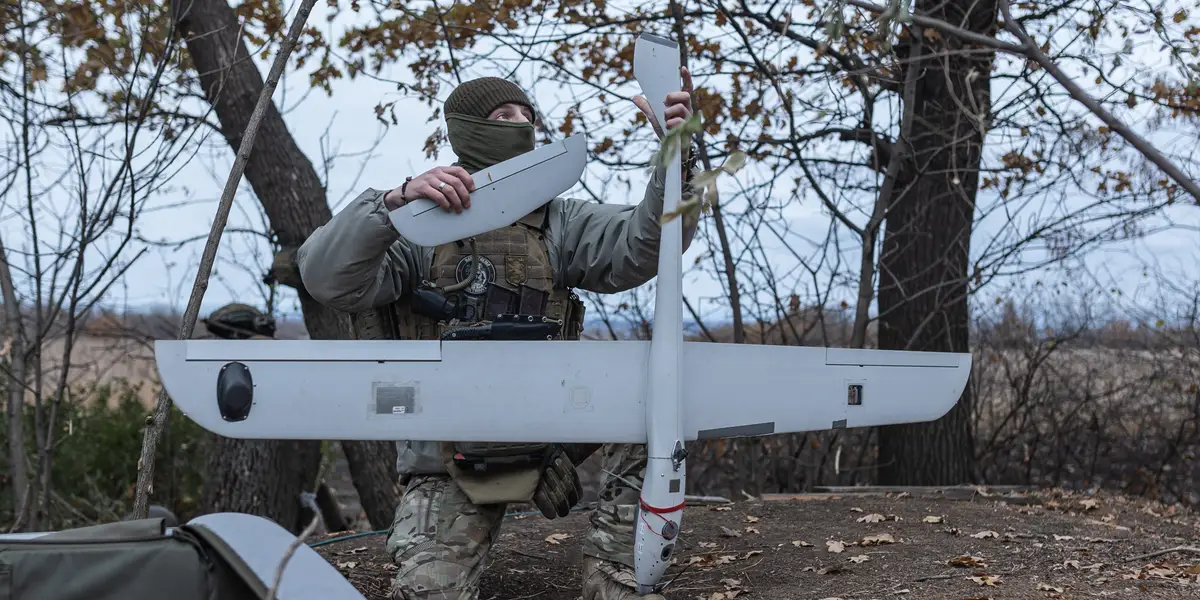
The West's long-standing approach to air defense — relying heavily on advanced jets, expensive missiles, and the ability to shoot down just about whatever comes its way — is being strained by a new era of cheap drones and mass air attacks, a top NATO commander warned.New air threats able to challenge conventional approaches are rapidly emerging, and "the days of thinking that you can sit back and be reactive and engage every threat that comes at you using traditional means like fast jets and some surface-to-air missiles … those days are over," Sir John Stringer, NATO's Deputy Supreme Allied Commander Europe, told Business Insider.Wars in Ukraine and the Middle East are showing that future conflicts may not resemble the ones Western military forces have grown used to fighting.The West has long been able to enjoy total or near-total control of the air against weaker adversaries; however, future conflicts could pit NATO against major militaries like Russia or China, while even smaller actors now have access to cheap drones that can be launched in large numbers to overwhelm defenses.Instead, "we're going to have to deal in the reactive sense of stuff coming at us in a different way," whether it's using new drone types to stop drone attacks or using electronic warfare, Stringer said.Western militaries still need advanced missiles and aircraft, Stringer said. They're still important. But now the West needs large numbers of cheaper defenses because there are more threats in the air than ever before.