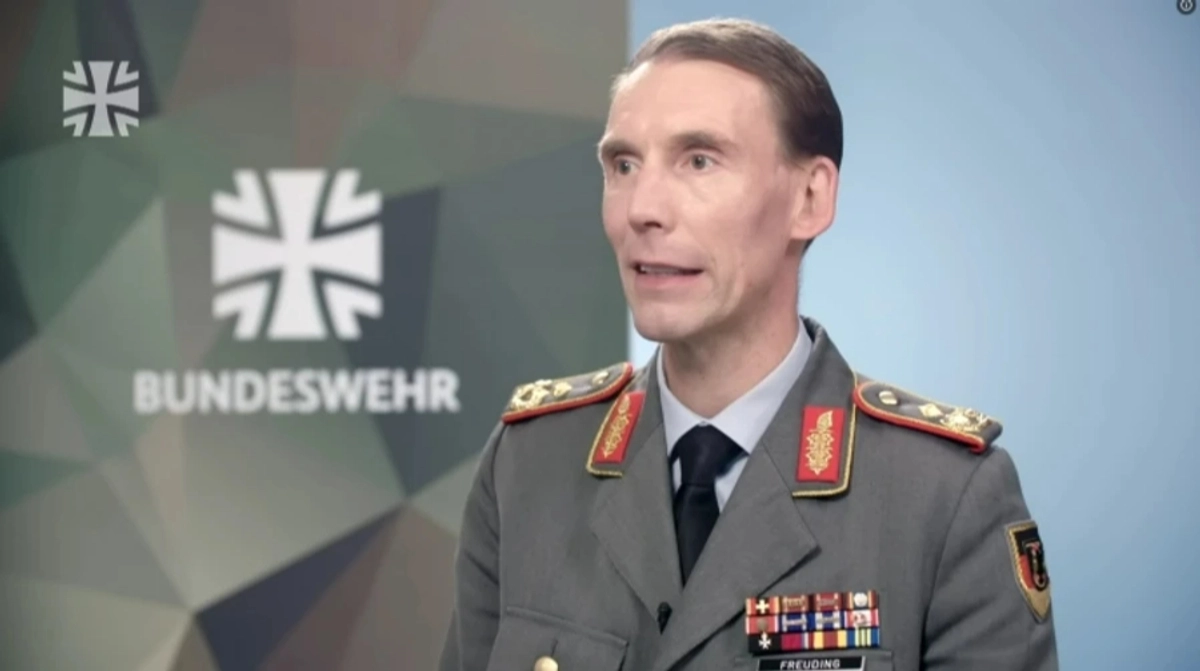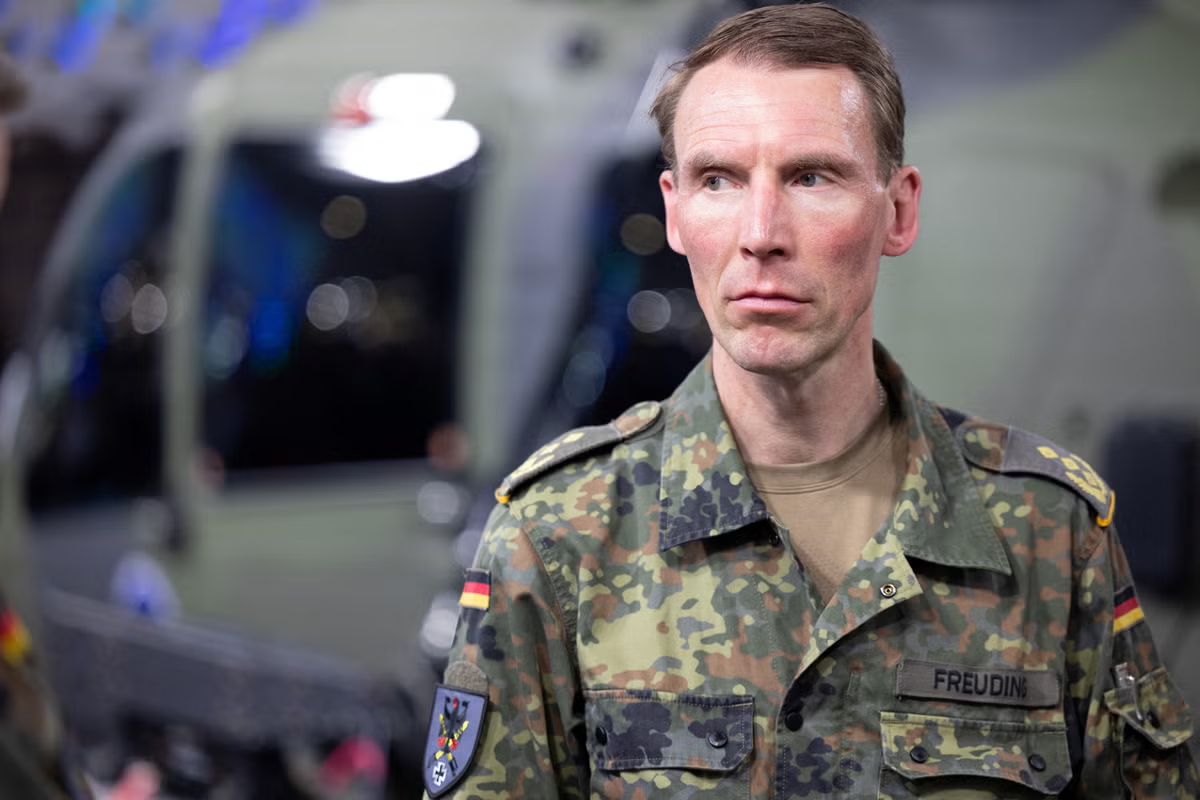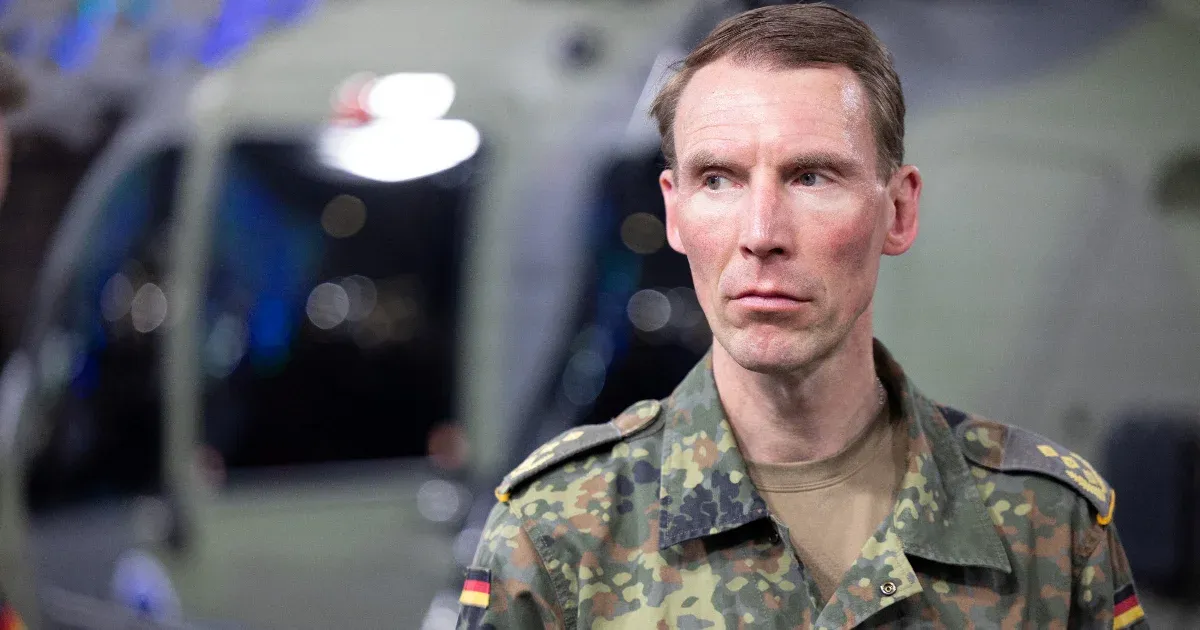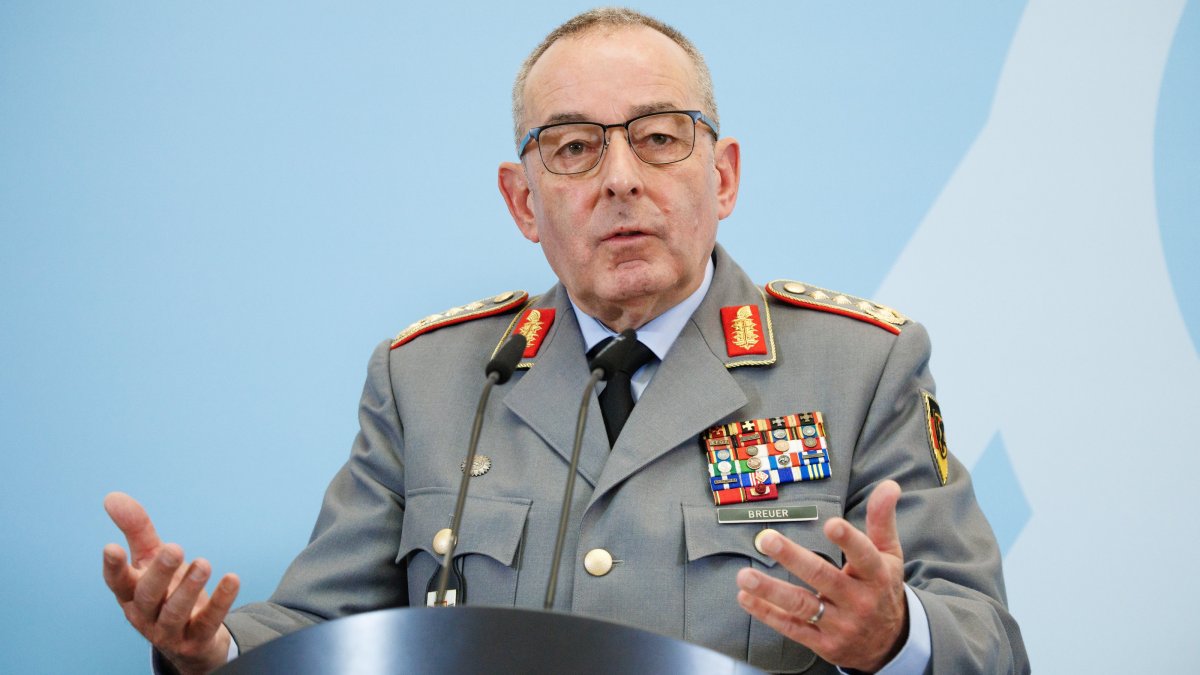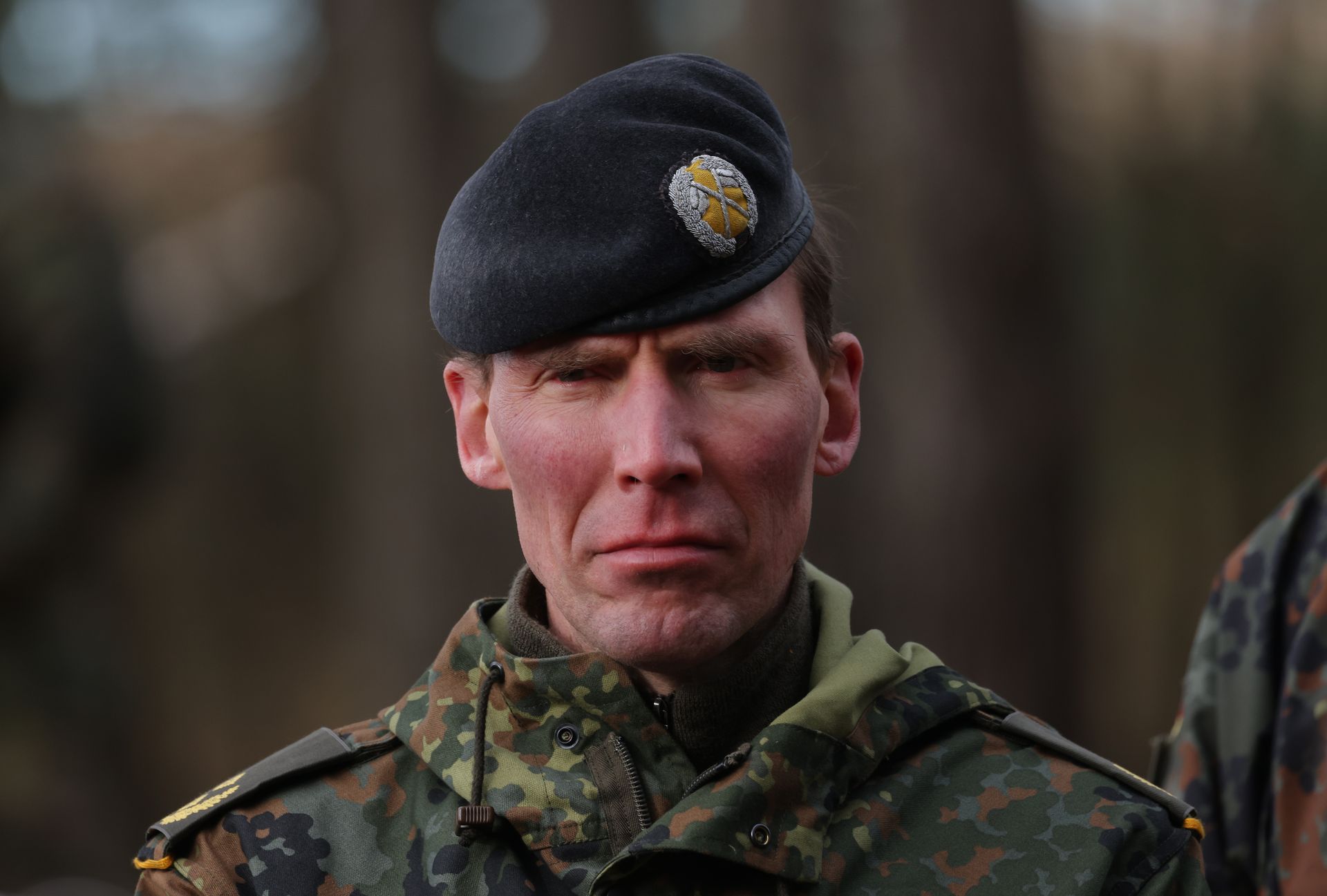
Russia will be prepared to "invade a NATO partner" by 2029, Lieutenant General Christian Freuding, the head of Germany's army, told Politico in an interview published on June 11. Freuding's comments are the latest in a series of increasingly warnings from Western leaders and defense officials about the threat emanating from Russia and Europe's current lack of preparedness."All 32 NATO partners agree that Russia might have the capability to invade a NATO partner country in 2029," Freuding told Politico. "2029 is not a German timeline. It’s NATO-agreed intelligence," further warning that an attack may occur sooner.The assessment closely aligns with a June 10 investigation by Danish public broadcaster DR and several counterparts that revealed that Russia is expanding its military presence near its border with Finland, Norway, and the Baltic states, according to unnamed Nordic intelligence chiefs and top military officers.The officials reiterated similar warnings, arguing that the threat of a Russian attack is the largest over the next one to three years since Europe is still in the process of increasing its own capabilities, despite Russia's struggles on the battlefield in Ukraine.The Telegraph, on June 11, published geolocated satellite imagery of the reported Russian military installations near the NATO border."We must improve our capabilities for the 'fight tonight' every day as the German army," Freuding said, warning that the German army needs "intermediate solutions" to address the present gaps in its military readiness. "Speed is of the essence now," he added.While European countries have substantially increased defense spending in response to Russia's full-scale invasion of Ukraine — with the European Commission proposing a fivefold increase for defense spending in the next seven-year budget — officials have nonetheless disagreed on the amount of resources needed to defend European countries from the prospects of a battle-tested Russian offensive.Earlier in the day on June 11, U.K. Defense Secretary John Healey resigned from his post, accusing Prime Minister Keir Starmer's government of failing to provide the resources needed to strengthen Britain's defenses.Questions around NATO's collective response to a potential Russian attack have also come into question since the start of U.S. President Donald Trump's second term, with European officials concerned that the United States may not intervene if an alliance member triggers Article 5. The Trump administration is currently weighing a proposal to pull U.S. troops out of NATO member countries that did not aid the U.S.-Israeli war effort, the Wall Street Journal (WSJ) reported in April.In mid-May, President Volodymyr Zelensky warned that Russia may use Belarusian territory to attack neighboring NATO member states. The Suwalki Gap, the shared border of Poland and Lithuania that runs through a 70 kilometer-wide corridor between Belarus and Russia's Kaliningrad exclave, has long been considered a key weakness in the defense of NATO's eastern flank.A map of the Baltic Sea region. (Lisa Kukharska/The Kyiv Independent)
'It’s NATO-agreed intelligence' — German army chief warns Russia will be prepared to attack NATO by 2029
Freuding's comments are the latest in a series of increasingly warnings from Western leaders and defense officials about the threat emanating from Russia and Europe's current lack of preparedness.
468 words~2 min read