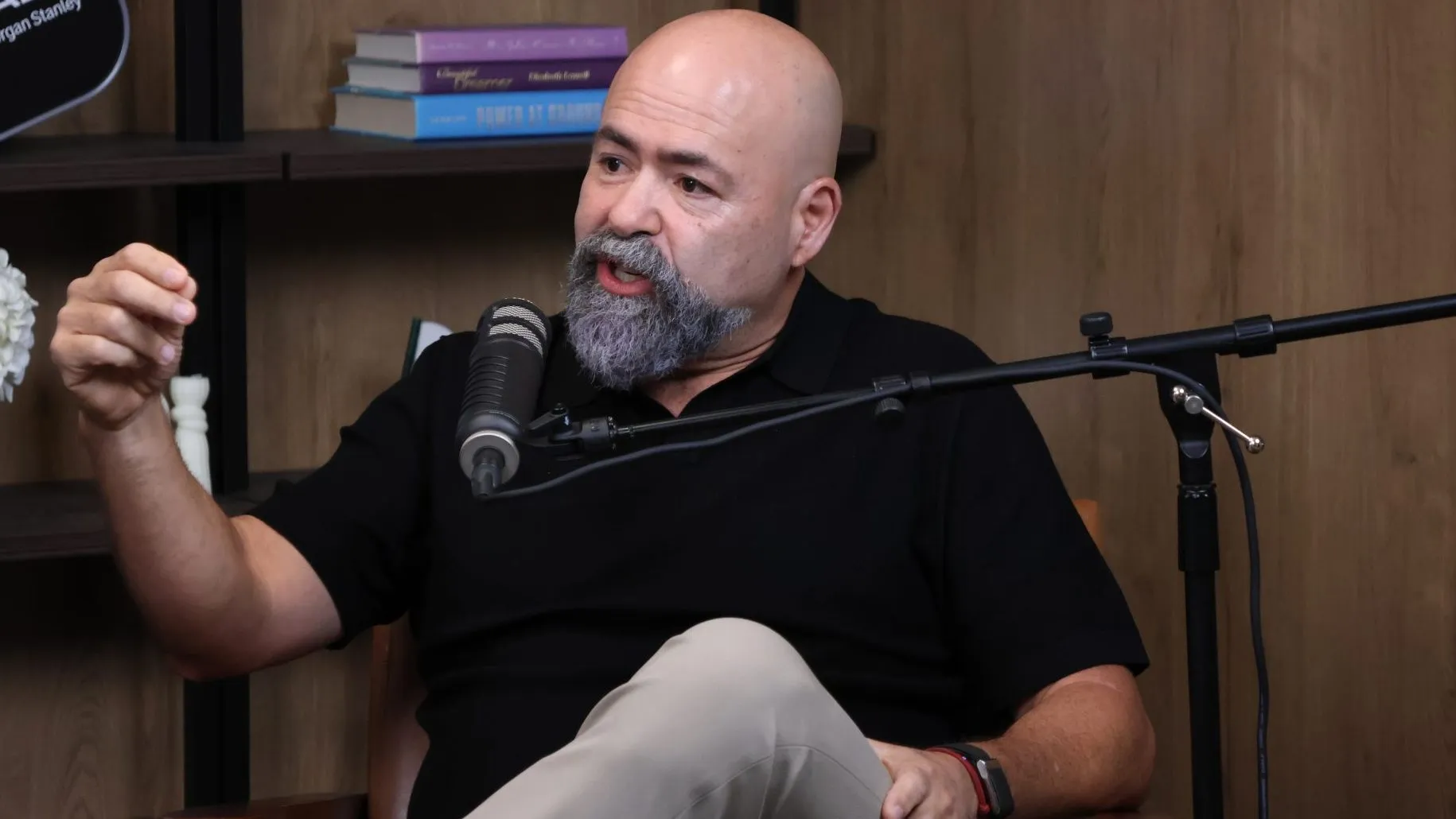
This is the second installment of our monthly series, “Soccer in ___.” Each article takes you inside the women’s game in a different part of the world. Whether through players’ stories, a standout moment or a snapshot of the history of the sport in a particular nation, the purpose of this series is to bring the world of women’s soccer closer together as we prepare for the 2027 World Cup in Brazil, the first edition of the tournament to be held in South America. We recently took you to Paraguay and Colombia. This month, we’re heading to Mexico, as the 2026 men’s World Cup kicks off there.María Sánchez’s first year playing for the Mexican national team was a whirlwind.In 2015, at 19 years old, she went from her first under-20 tryout to playing in her first World Cup, in the same calendar year. Now, more than a decade later, the creative forward is hoping she and the women’s national team can snap Mexico’s nearly 12-year Women’s World Cup drought next summer.“That experience was huge for a then-young player like me,” Sánchez tells The Athletic from Mexico City. “But I think the resources that we have now are night and day from what we had back then. The way we travel, the way we train, the staff we have, the resources with nutrition and the gym — not only when we’re at camps, but when we’re away from camps.“It’s been made very clear to us to ask for whatever we need.”The investment is intentional. That 2015 World Cup in Canada, when a young Sánchez made her tournament debut against England in New Brunswick, was the last time the national team featured on soccer’s biggest stage in the women’s game, and now the team is determined to return.Mexico last featured in the Women’s World Cup in 2015. (Franck Fife / Getty Images)A lot has changed in Mexican women’s football. The Mexican Football Federation (FMF) has poured heavily into its national team since missing World Cup qualification in 2022, bringing in Spaniard Pedro López as the team’s head coach and restructuring its program with 2027 in mind. The national team has also been fueled by the rise of the domestic league, Liga MX Femenil, founded in 2016, where many of its players, including Sánchez, compete.Considered the most-watched women’s soccer league in the world, according to Mexican newspaper El Universal, the league attracts some of the world’s best players, too. Reigning champions Club América were also crowned Concacaf W champions in May, after a thrilling final over the NWSL heavyweight Washington Spirit. Club América also topped Gotham FC, the 2025 NWSL champion, in the semifinal round.Now, Mexican women’s soccer is at a crossroads, with the national team’s success capable of drastically propelling the sport’s growth even further at a crucial time. The country is on track to co-host its first women’s World Cup in 2031, alongside the U.S., Jamaica and Costa Rica as the sole bidders. Momentum for the national team until then relies heavily on qualifying for next summer’s World Cup in Brazil, with Concacaf qualifiers beginning in late November.The national team recently returned from a successful trip to Australia during the June international window, where it split results with the Matildas over two matches. Mexico enjoyed a historic win over Australia in Newcastle, New South Wales, topping the 2023 World Cup quarterfinalist 1-0. Though Mexico’s success was short-lived — Australia responded with a 3-1 win three days later — it learned valuable lessons.“We could take a lot of positives from that,” Sánchez says. “Facing teams that have been successful in tournaments like the World Cup or the Olympics is a big challenge for us, as a team that’s trying to grow and trying to make the next World Cup.”Diana Ordoñez’s goal against Australia helped lift Mexico to a 1-0 win in June. (Mark Metcalfe / Getty Images)Guillermo Zamarripa, co-founder of the global sports agency TMJ, has had a front-row seat to the women’s soccer explosion in Mexico. His agency represents some of the country’s biggest stars, including Sánchez and various players from around the world.“The Mexican national team has gone through a very aggressive transformation,” Zamarripa told The Athletic on a video call last week. “They have made many good decisions that have them where they are. Right now, they’re in Australia — that costs a lot of money. That’s an investment. Mexico have never had those kinds of friendly matches. It comes with a lot of investment from the federation, and that’s contributing to the momentum that the national team has.”He attributes that growth to the success of Liga MX, noting that most of the senior national team players are signed with clubs in Mexico; a small fraction play in the NWSL.
Soccer in Mexico: Increased investment, the most-watched league and Women’s World Cup dreams
Mexico has made concerted efforts to increase investment in women's soccer in preparation to hopefully co-host a World Cup in 2031.
2,074 words~9 min read