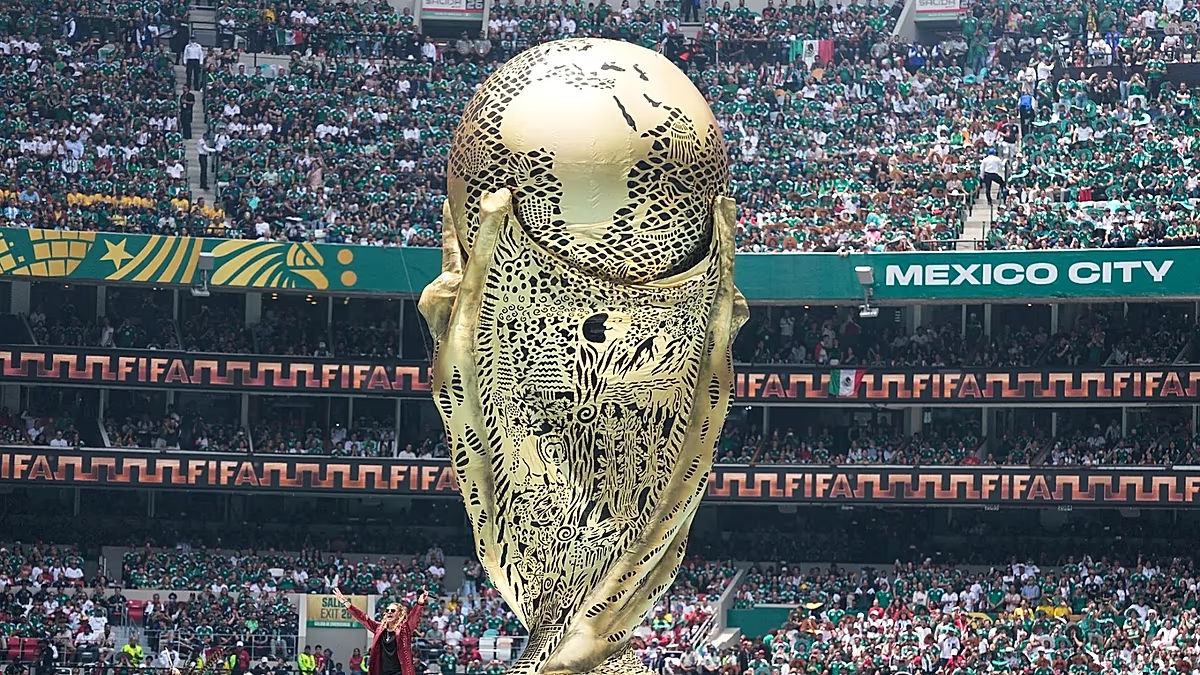
In March, Bilal Lafta had the best soccer watching experience of his life in Monterrey, Mexico.
Lafta, a 27-year-old Iraqi American software developer based in New York, traveled to Monterrey with his father and brother to watch the Iraqi national team’s qualifying game against Bolivia for the FIFA World Cup, which kicks off on June 11 in Mexico City. They were met with throngs of Mexican spectators who embraced the Iraqi team, learning Arabic chants and asking questions about life in Iraq. “The Mexican fans said that we had similar cultures,” Lafta told Foreign Policy.
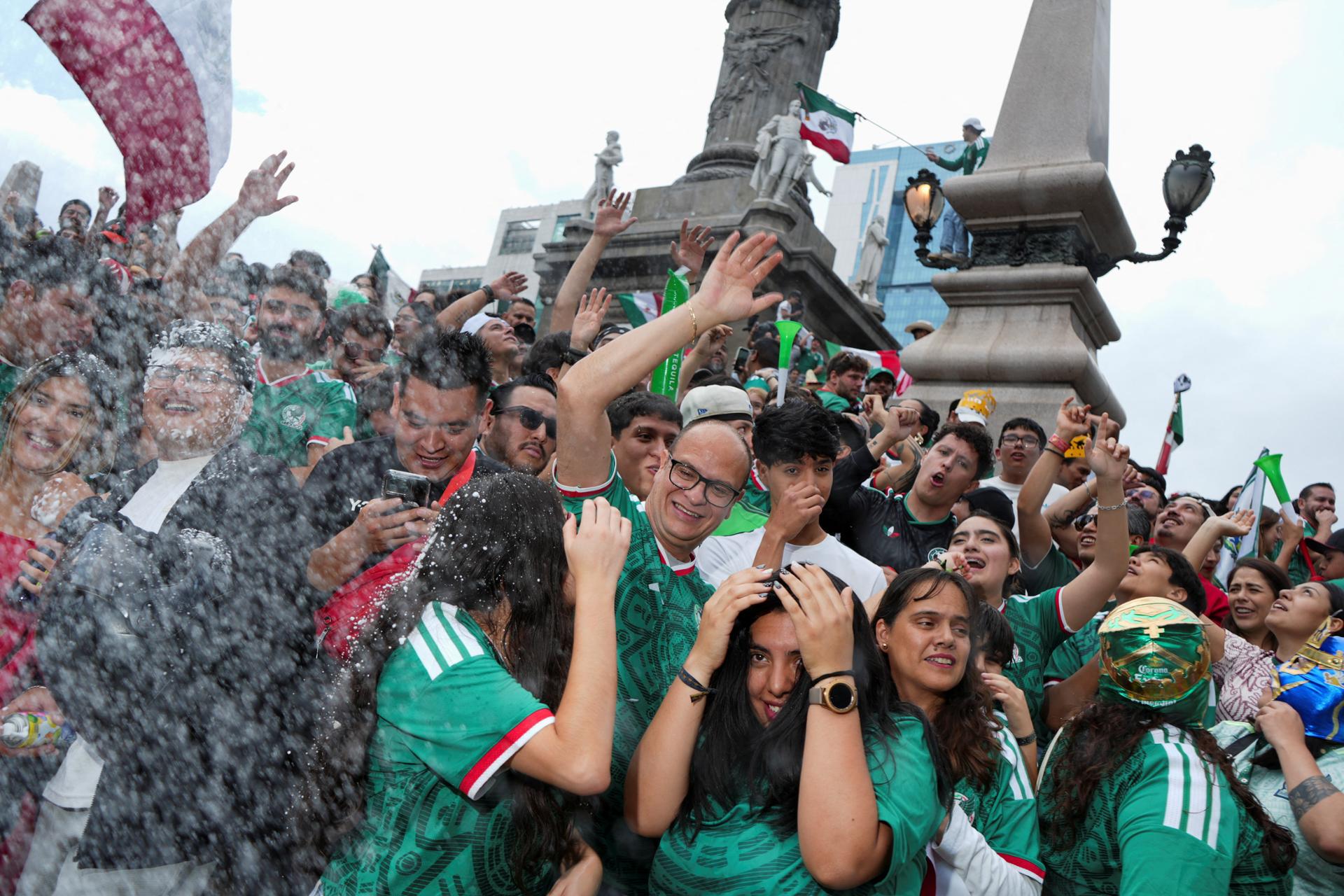
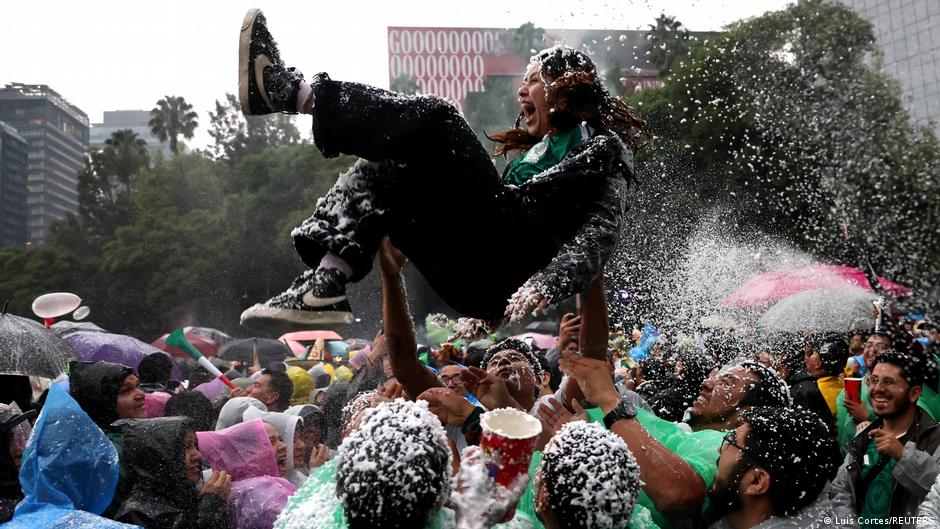
Iraq won the game, landing a World Cup spot for the first time in 40 years, and the neighborhood erupted in celebration. Outside the stadium, a Mexican policewoman allowed Iraqis to climb on top of her car to dance and wave their national flag. Lafta praised both the multiculturalism and safety of the setting, but said he could not imagine such a scene today in the United States, which is co-hosting the World Cup alongside Canada and Mexico.
U.S. President Donald Trump’s travel bans and aggressive immigration raids have cast doubt over whether the United States will be welcoming to international soccer fans. Potential government harassment during the World Cup—whether at customs or on the streets—could negatively affect U.S. soft power, according to foreign-policy and sports history experts.