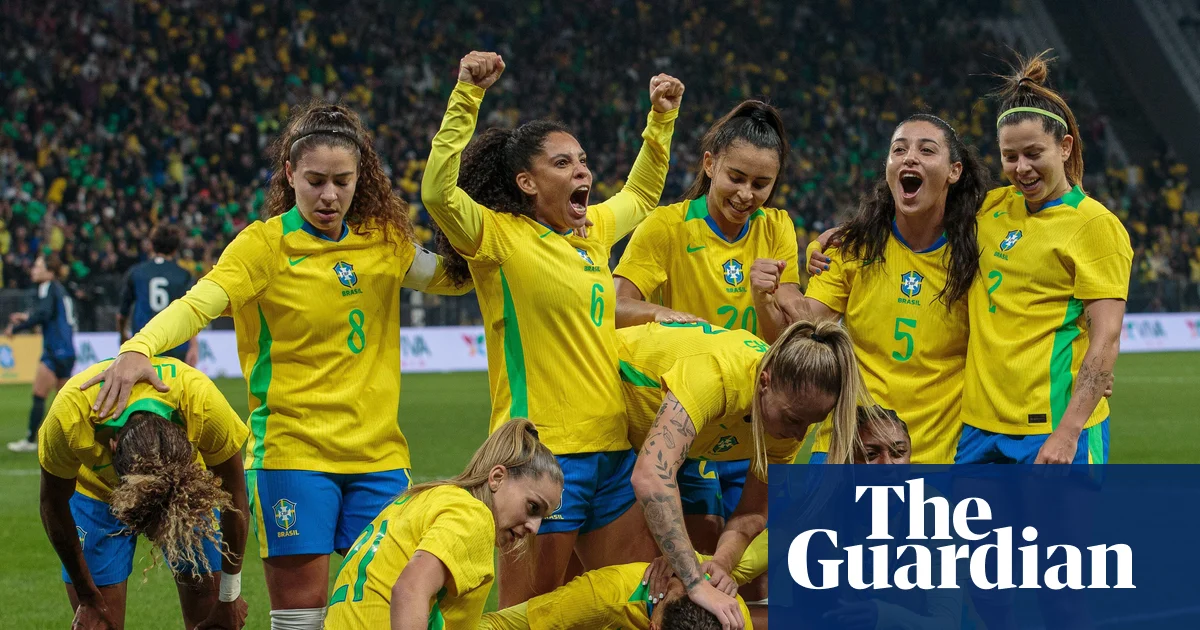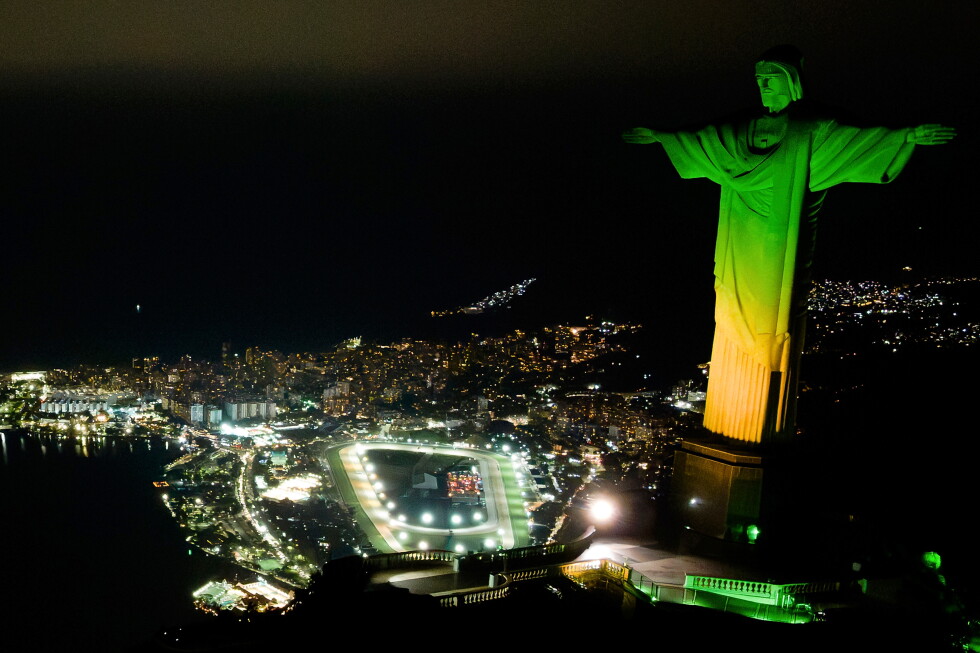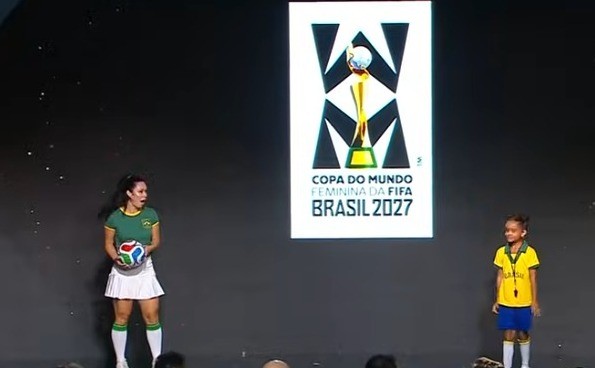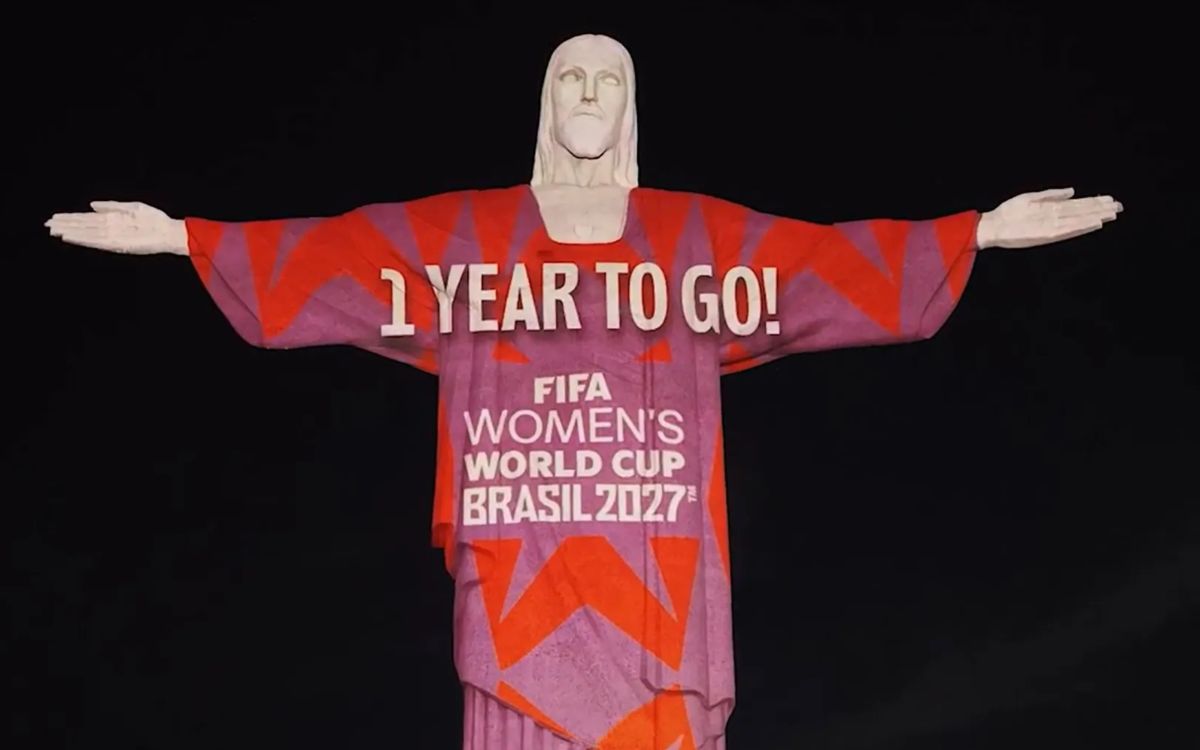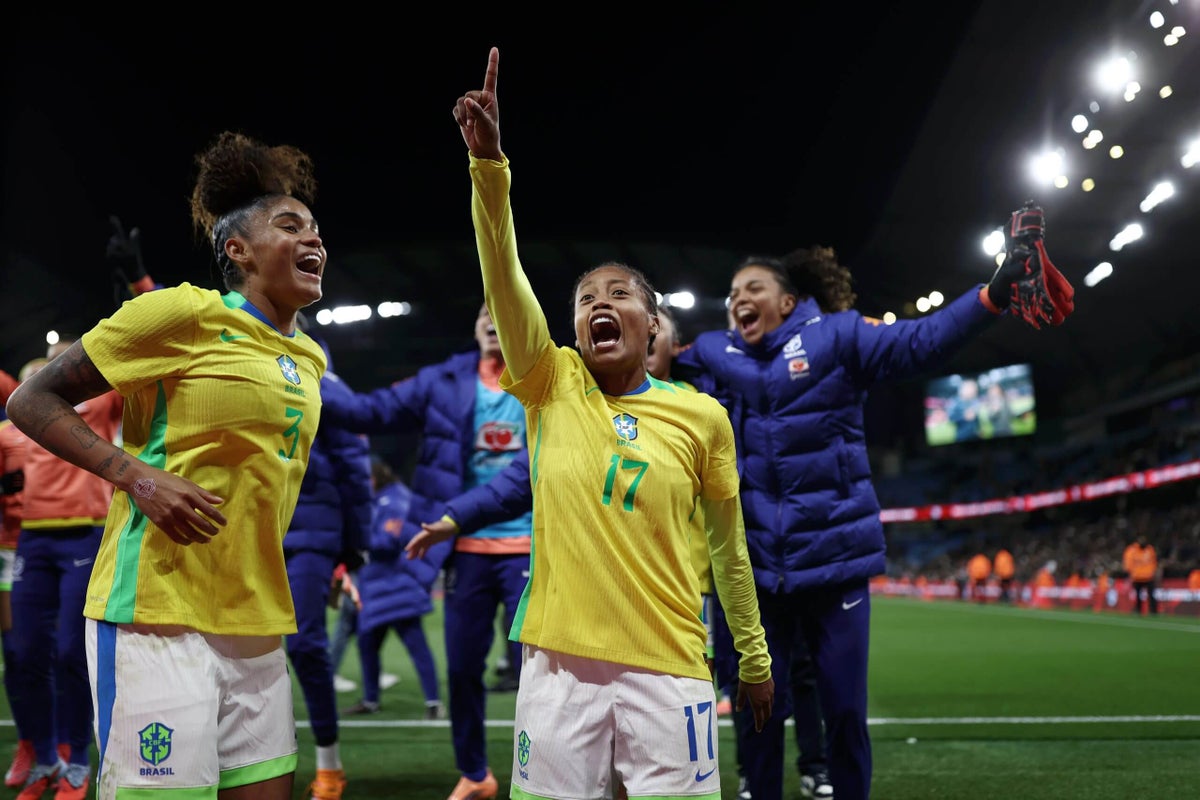
In 364 days, the 10th edition of the FIFA Women’s World Cup will kick off in Brazil. The significance of the tournament, however, extends far beyond a date on the calendar.As the first Women’s World Cup staged in South America, Brazil 2027 represents a rare opportunity to accelerate the growth of the women’s game across an entire region. It also raises a larger question: Can a World Cup hosted in a football-obsessed nation do for women’s soccer in Latin America what the 1999 tournament did for the sport in the United States?With one year to go, the infrastructure is in place, the host cities are set, and the rollout campaign is already leveraging some of Brazil’s biggest stars and cultural figures, including Marta, Debinha, futsal legend Amandinha, Vinícius Júnior, Kaká, supermodel Adriana Lima and fashion blogger Camila Coutinho, trying to reach audiences who might not yet follow the women’s game. Matches will be played across eight cities in a country with a population of 220 million.When Brazil was granted the hosting rights for the 2027 FIFA Women’s World Cup on May 17, 2024, some doubted a country whose soccer identity has long been shaped by machismo could fully embrace the biggest event in women’s sports.However, if May’s friendlies against the U.S. women’s national team are a benchmark, there is growing evidence that the appetite is already there. More than 30,000 fans attended each of Brazil’s matches against the USWNT, transforming what were technically exhibition matches into a preview of the atmosphere organizers hope to generate in 2027. The audience has been building. In 2023, more than 42,000 fans filled Arena Corinthians in São Paulo to watch Corinthians win the league title, setting a South American record.A Brazil fan cheers for the team during the international friendly match between Brazil and the United States. (Brad Smith / Getty Images)The real question is whether the tournament can leave behind more than packed stadiums and memorable matches and become a catalyst for lasting change in a region where women’s football has historically fought for recognition (women were banned from playing until the 1980s), investment and visibility.“I truly believe the legacy will be one of cultural change,” Aline Pellegrino, former captain of the Brazilian national team and the executive director of legacy and institutional relations for the FIFA Women’s World Cup 2027, said in a video Brazilian Football Federation (CBF) shared with The Athletic.“I’ve been saying this for a long time. I was still playing for the national team when I spoke about this dream of seeing women’s football truly take root in Brazil, where all the institutions that govern the sport see women’s football deserving the same opportunities as the men’s game.
Is Brazil ready to capitalize on what could be its 2027 Women’s World Cup moment?
With the 2027 Women's World Cup a year away, Brazil has the opportunity to accelerate its women's soccer growth
1,294 words~6 min read