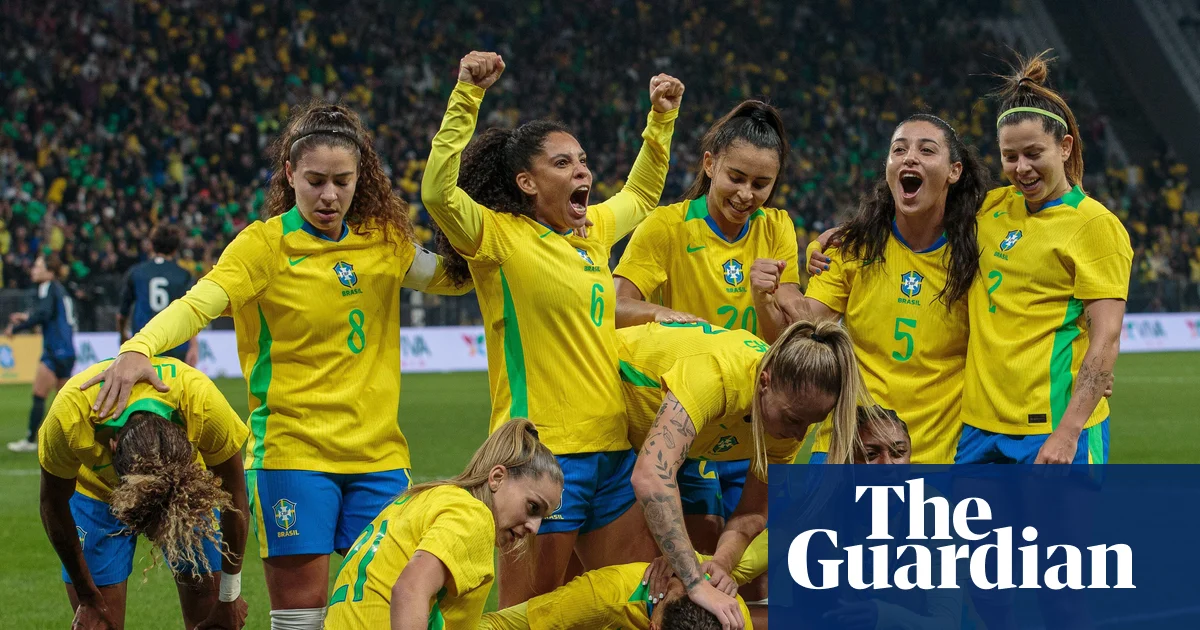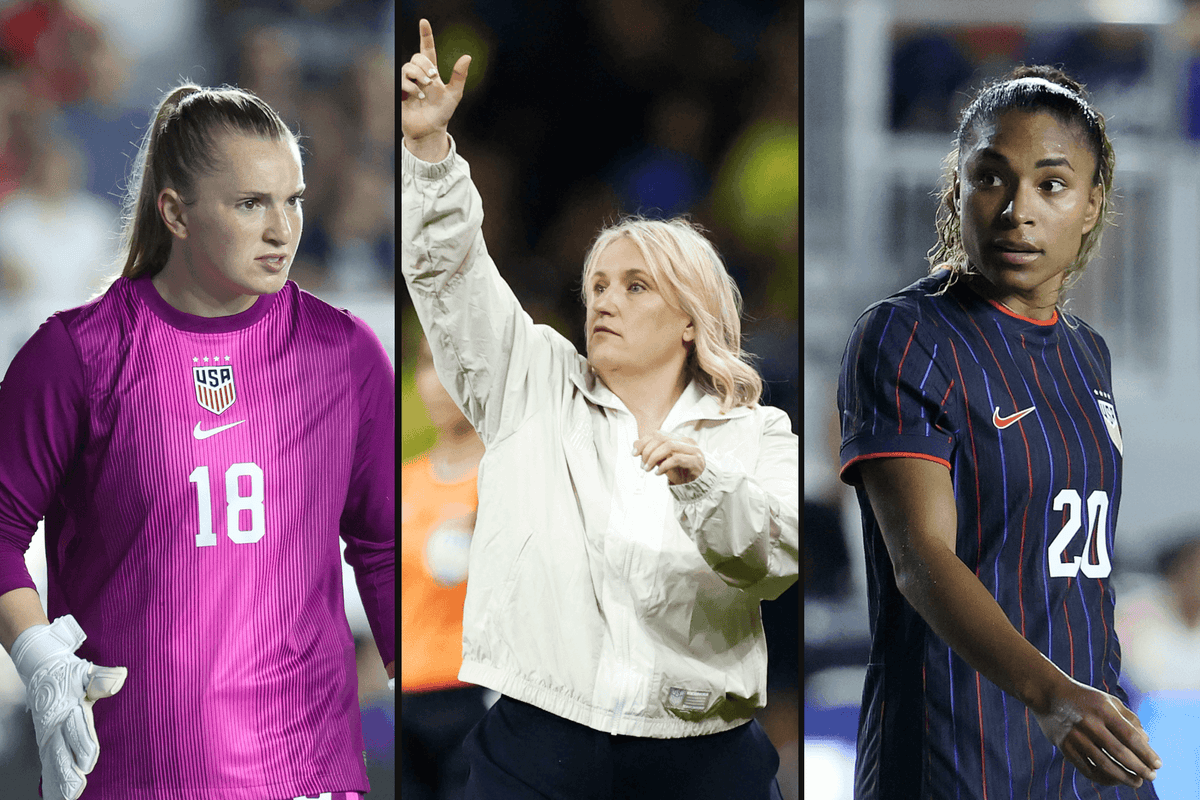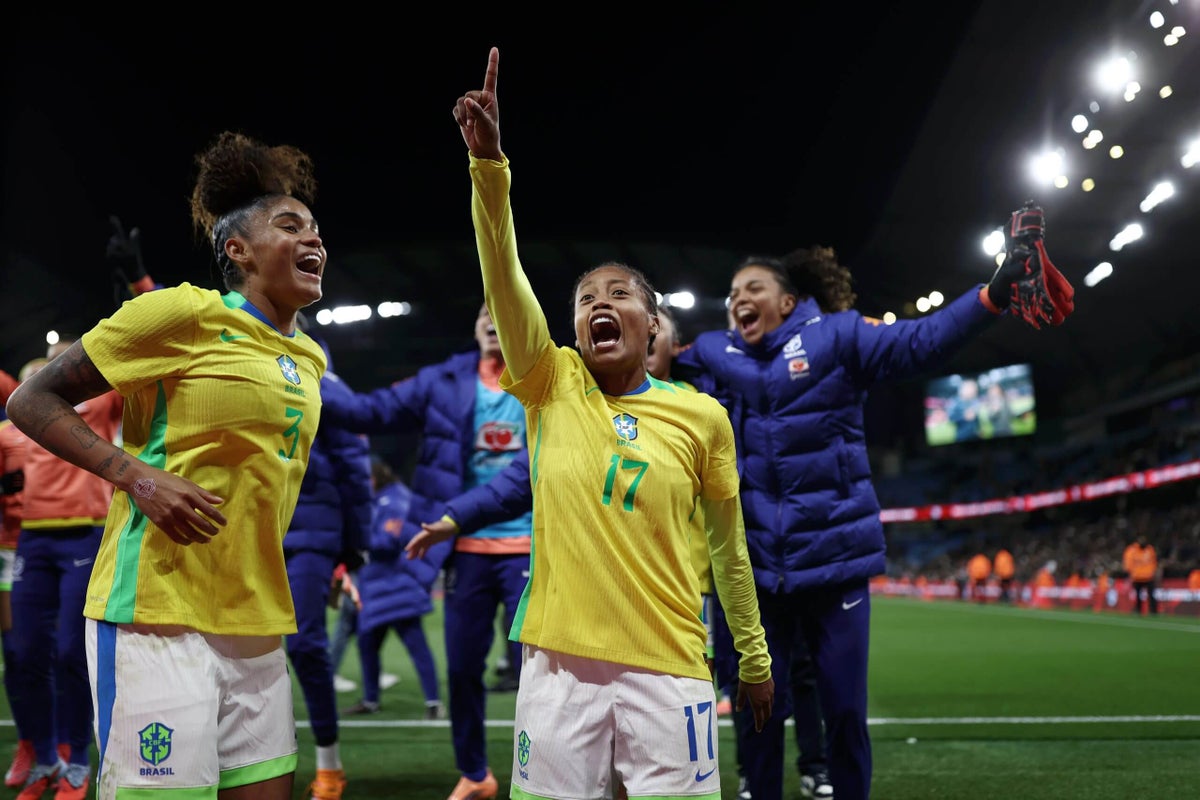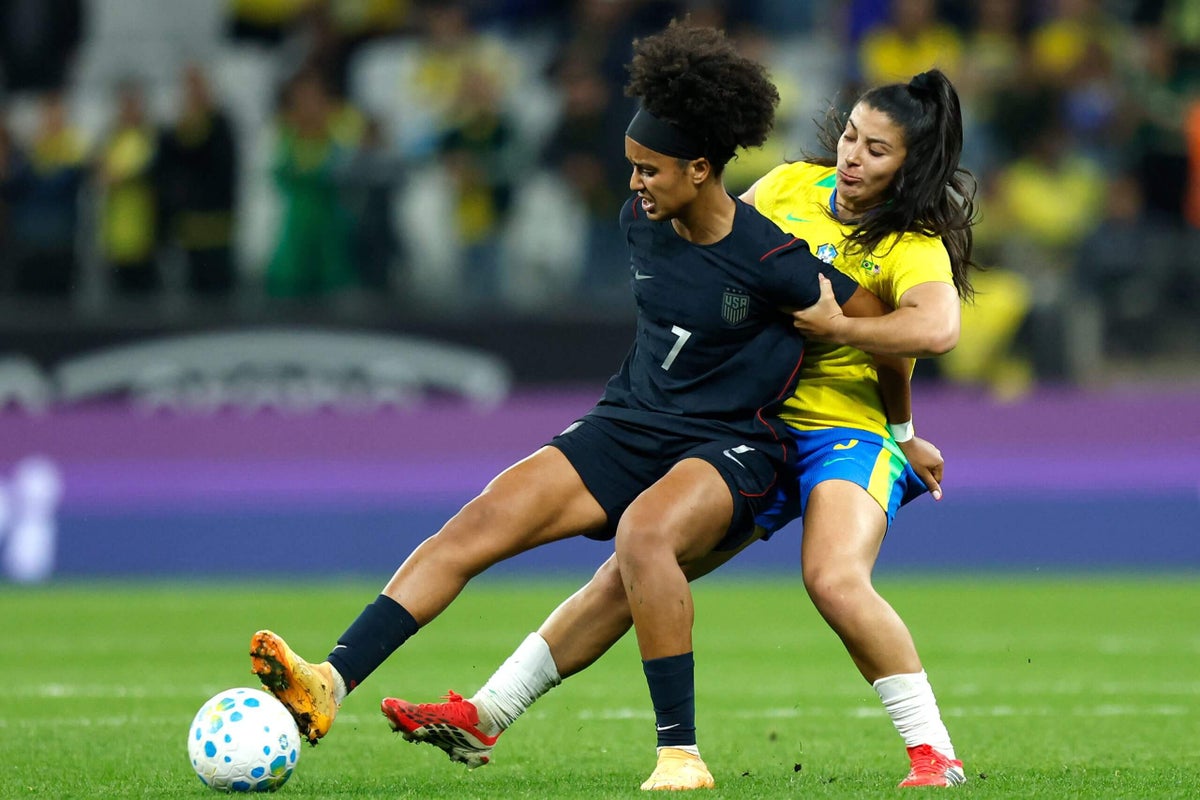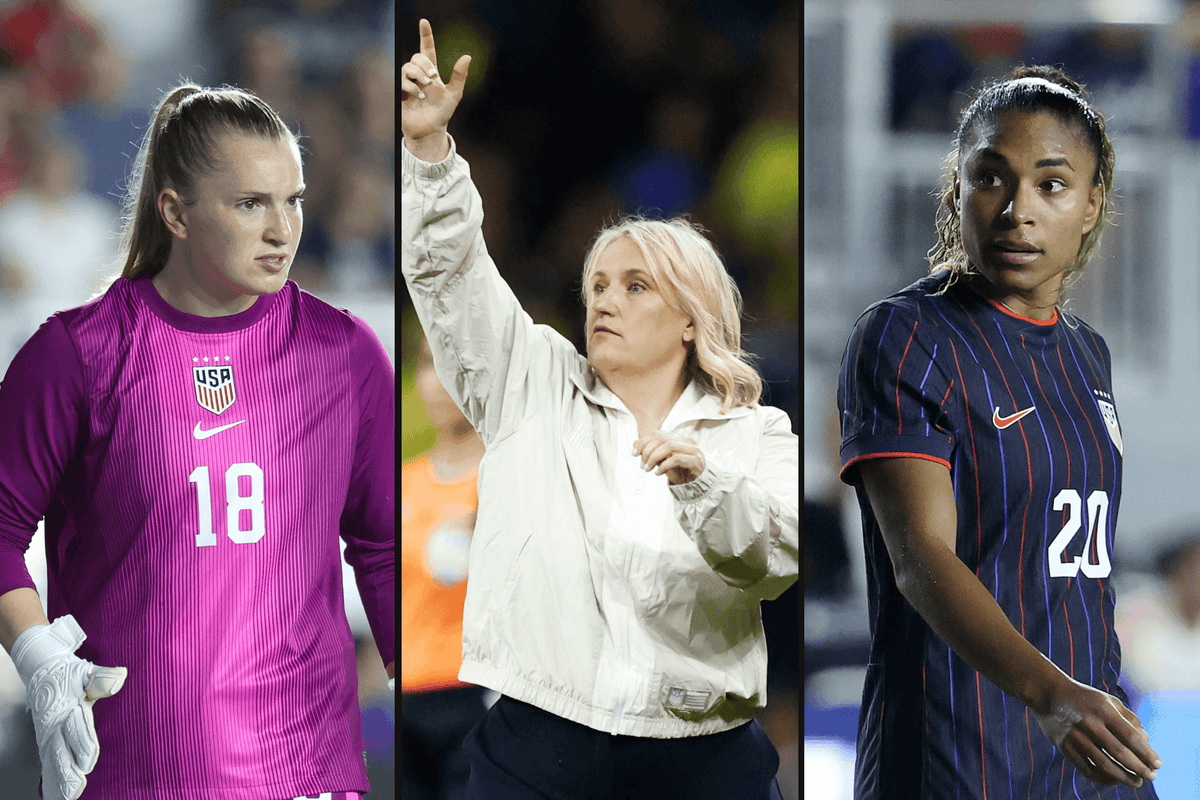
We are exactly one year out from the 2027 Women’s World Cup.While we have been working through our regular roster predictions for the U.S. women’s national team leading up to the tournament, we could not help but notice just how many questions remain for this team at this point in the cycle. In the process of trying to list our starting XIs for the opening group stage match in Brazil, which the U.S. has not yet officially qualified for, we kept finding exceptions.With qualifying matches still five months away, those questions are our primary focus one year out. Under head coach Emma Hayes, the majority of the work around expanding the depth chart is complete. However, the roster is still in flux due to injuries, club form and other factors outside of Hayes’ control.The team got a preview of Brazil after the pair of friendlies earlier this June, including the atmosphere and how top teams will look to unravel their approach. There also seems to be plenty of work ahead for Hayes and her technical staff in building out the roster and shifting into team chemistry mode through qualifications and beyond.It is not a complete list by any measure, but here are The Athletic’s seven biggest questions for the U.S. one year out from the World Cup.Trinity Rodman, Sophia Wilson and Mallory Swanson led the U.S. in goals at the 2024 Paris Olympics. (Brad Smith / Getty Images).How does Triple Espresso’s return impact other forwards?Hayes has been clear that every spot on this roster is earned and never guaranteed. So, players like Trinity Rodman, Sophia Wilson and Mallory Swanson have had to work their way back into the roster each time they have returned to camp. Rodman had to do it after battling injury in 2025. Wilson worked her way back after giving birth earlier this year. The expectation is that Swanson, also a new mom, will be back in the rotation more regularly with time; she joined the team for the first time in over a year in Brazil.The benefit for Hayes is that each of these players already has that international experience that cannot be taught, meaning they are ahead of other forwards who may have stepped into the fold in their absence. She knows how these players will handle the pressure of a tournament like a World Cup. The trio already has chemistry. It’s now a matter of building that chemistry with “new” players.This inevitably means that less experienced players — especially at the international level — may now find themselves either on the World Cup bubble or interchanging between the senior roster and U-23s. That is not a demotion, as Hayes has repeatedly said, but rather an opportunity for players to grow as she looks ahead to this summer and the 2031 World Cup. Hayes knows, in soccer, anything can happen; an injury could sideline any team’s biggest star at the eleventh hour. The benefit of how Hayes has established her player pool is that there are clear options for next in line if that were to happen.So, yes, the core group has changed, but it was always designed to be fluid. – Melanie AnzideiBetween Mandy McGlynn (left), Claudia Dickey (middle) and Phallon Tullis-Joyce (right), the United States is still searching for its starting goalkeeper. (Brad Smith / Getty Images)Who is the USWNT’s No. 1 goalkeeper?Everyone keeps asking the question, but Emma Hayes called us out for this back in April at a press conference. “It seems to me that we have an obsession in football around, ‘Who’s the No. 1?’ and we don’t say the same about outfield players,” Hayes said.So maybe we should reframe: who’s likely to be starting in the first group stage match next summer? And another question: could we see rotation between Hayes’ two leading contenders, Claudia Dickey and Phallon Tullis-Joyce? That one might feel like a reach, but it could depend on how favorable the draw is and if Hayes feels like the two offer up radically different strengths (or perhaps have radically different weaknesses that an opponent may be able to exploit).Looking at the playing time since 2025, Dickey and Tullis-Joyce have gotten the most opportunities under Hayes. The basic data reinforces that she is taking a double-up approach to what has historically been a clear distinction between the No. 1 and the next in line.
The 2027 FIFA Women’s World Cup is a year away: Key questions for the USWNT
The USWNT starts qualifying matches for the 2027 World Cup in November. The Athletic explores key questions that will be asked
2,305 words~10 min read