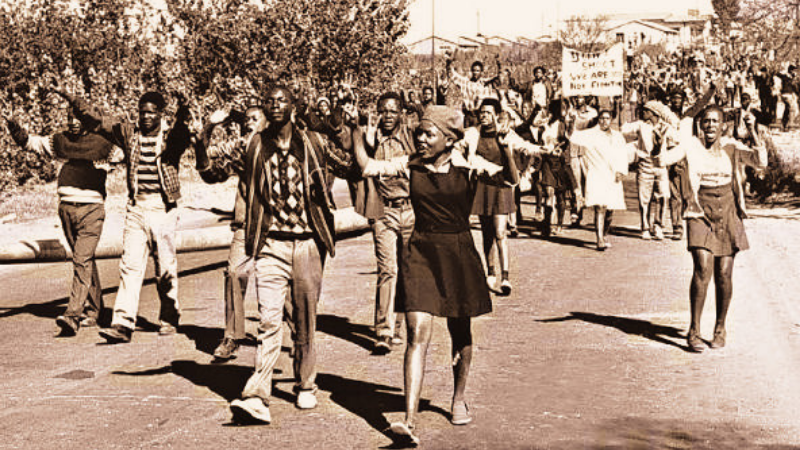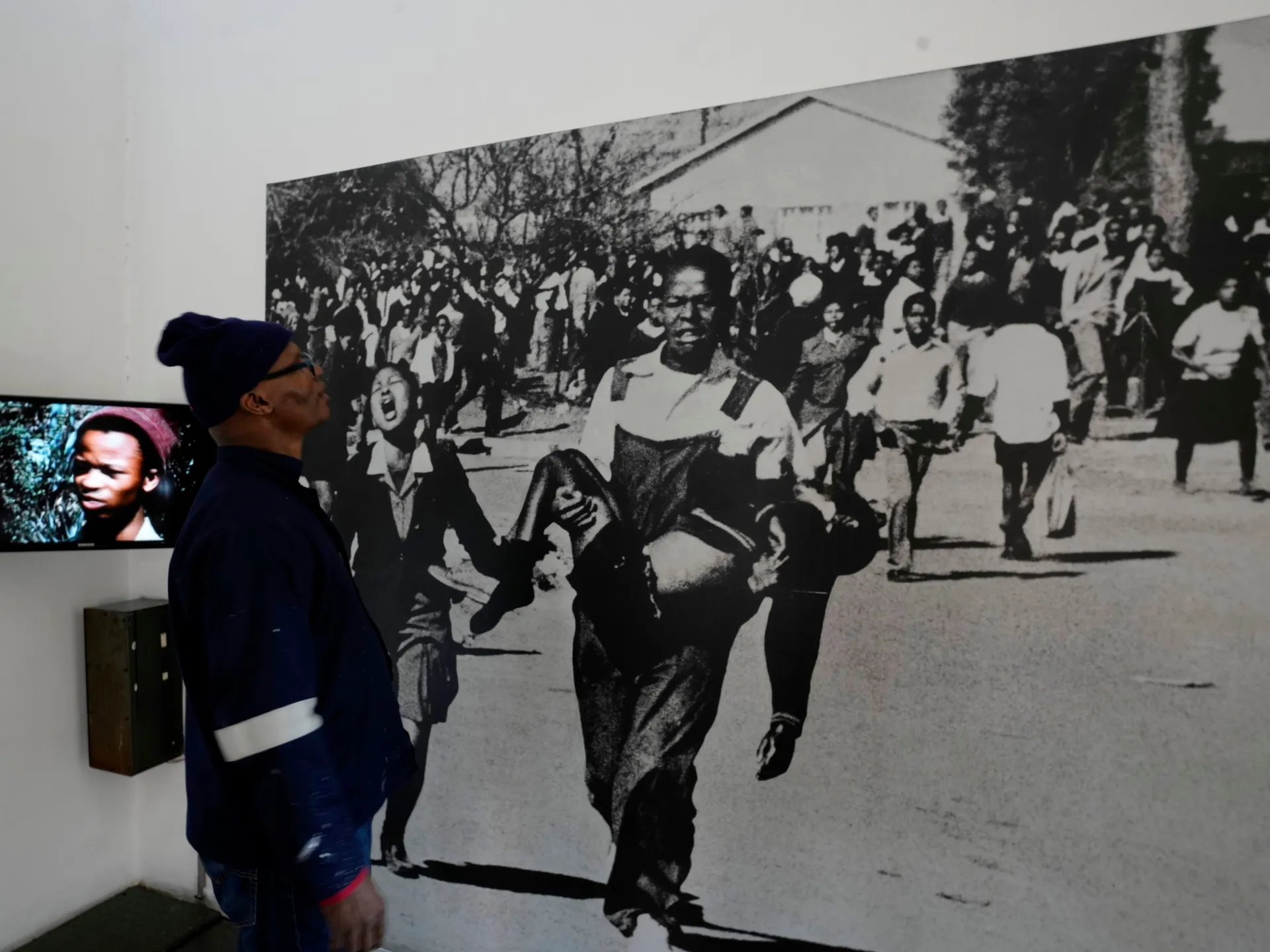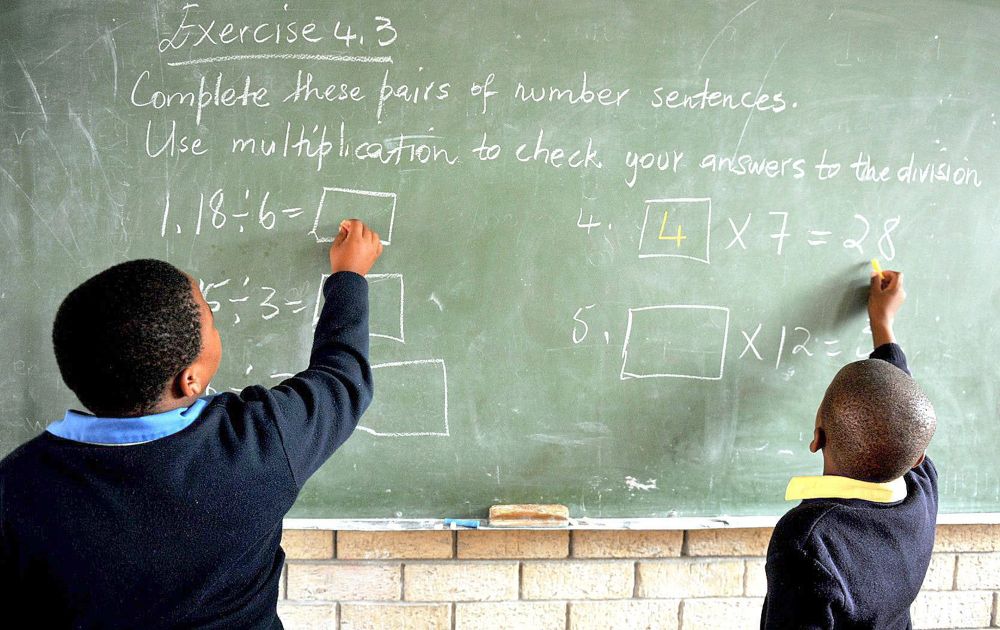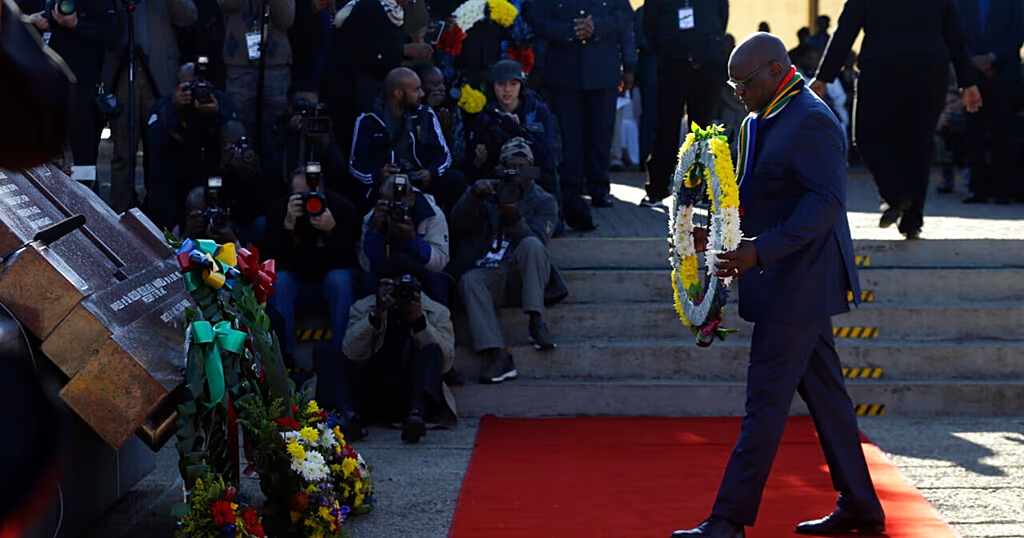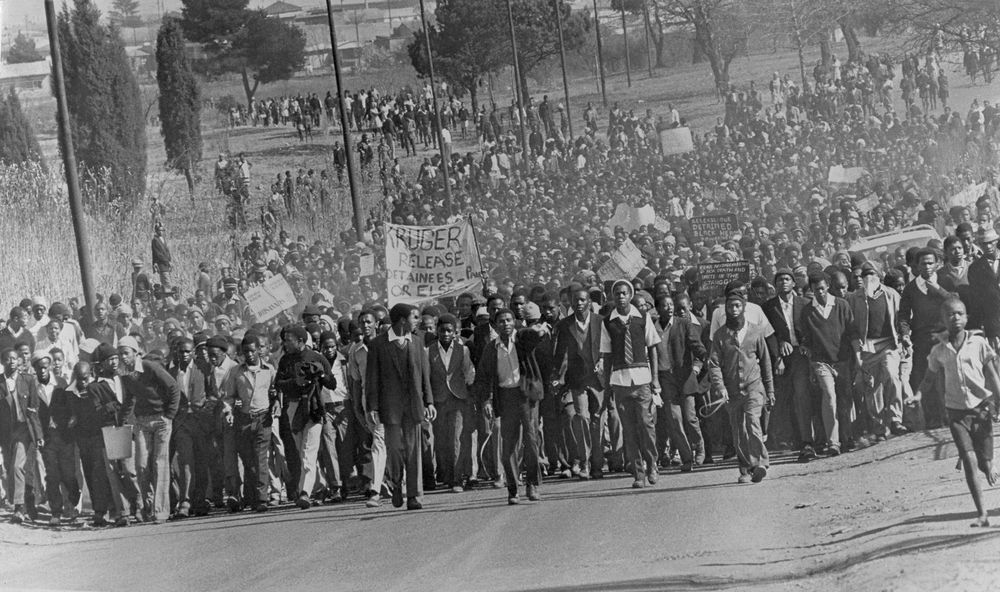
It’s 50 years since the Soweto uprising in South Africa. On 16 June 1976, tens of thousands of young black South Africans protested against being taught in the Afrikaans language (alongside English) at school.
At the time, under apartheid laws, language, ethnicity and race were all treated as characteristics that defined identity and belonging. Geographic settlement (the artificial system of homelands) added another layer of ethnolinguistic affiliation.
In the case of language, the government designated Afrikaans, now spoken by 10.6% of the population, and English, now spoken by 8.7% of the population, as the two official languages. African languages – spoken by 78.6% of the population at present – had no official status except in the homelands.
These policies made languages political:
black South Africans regarded Afrikaans as the language of the white oppressor