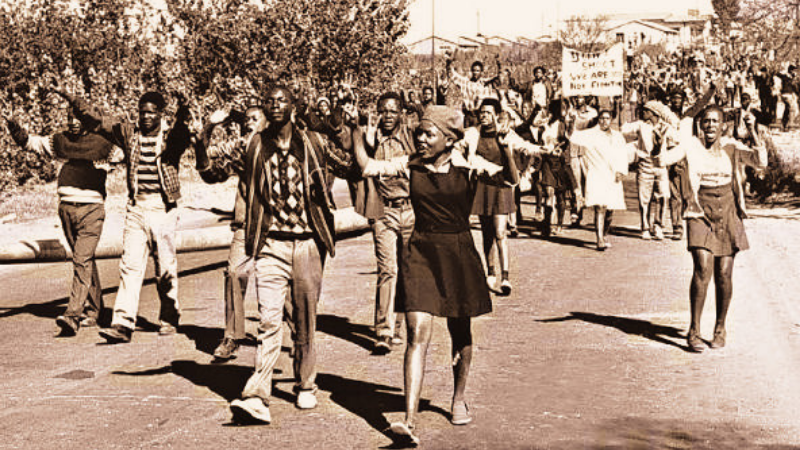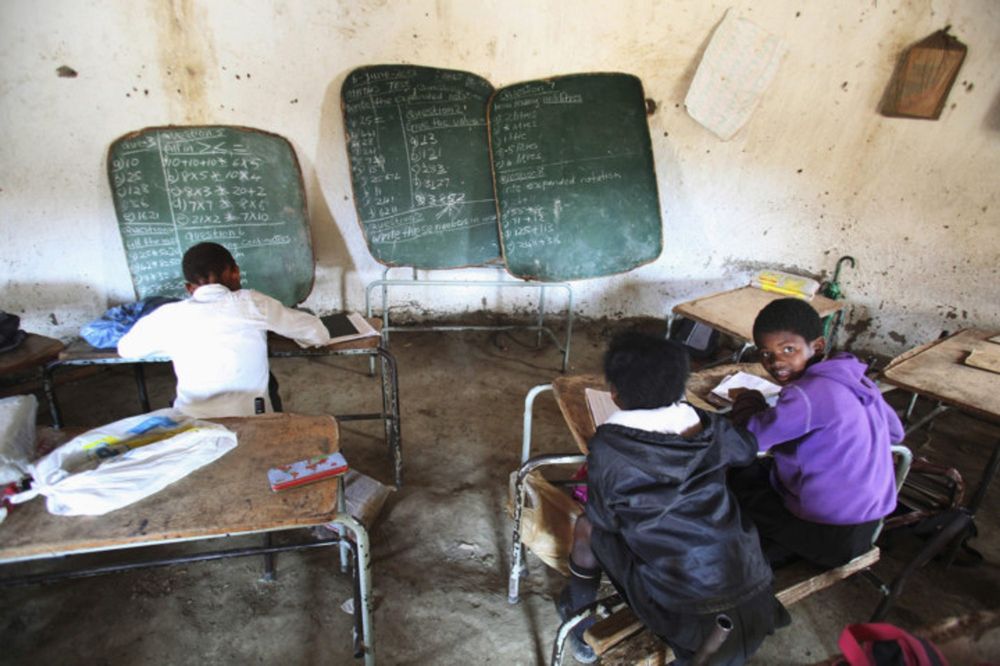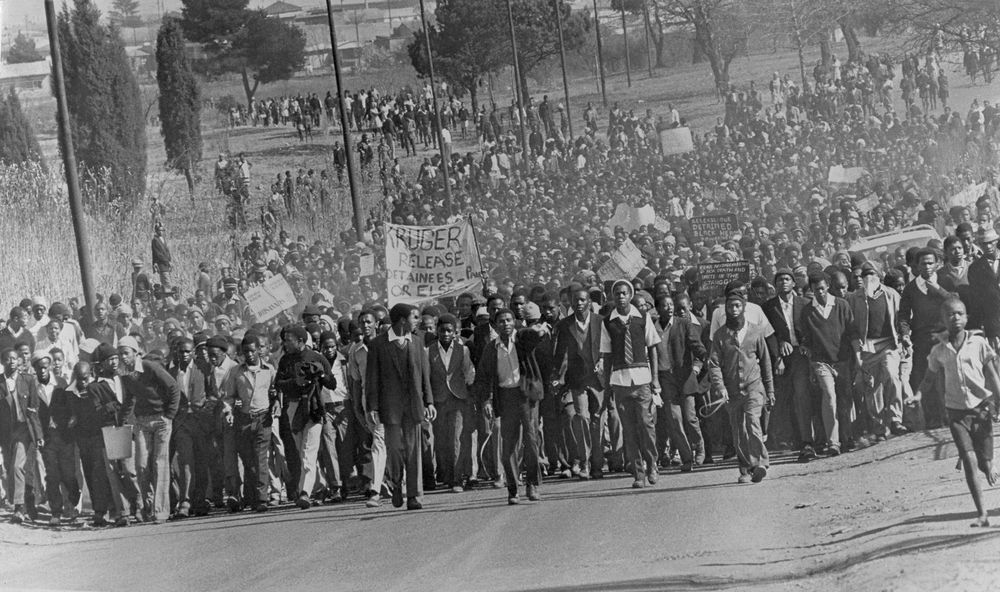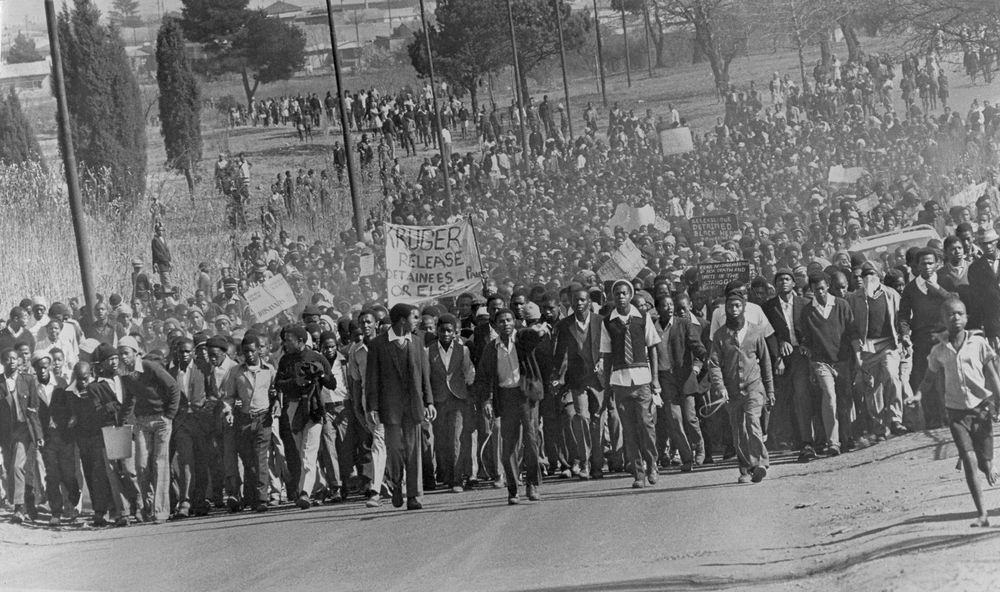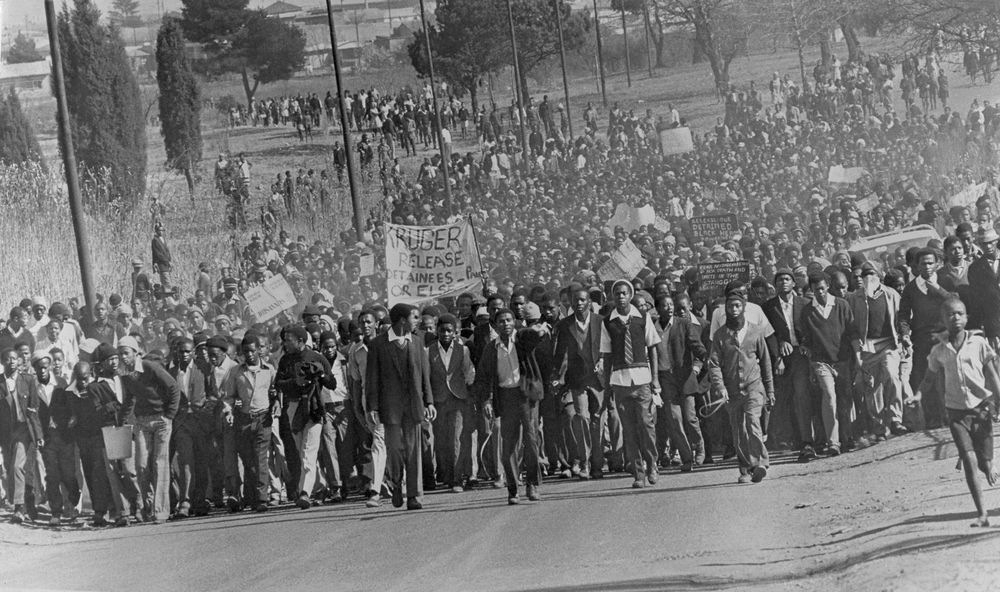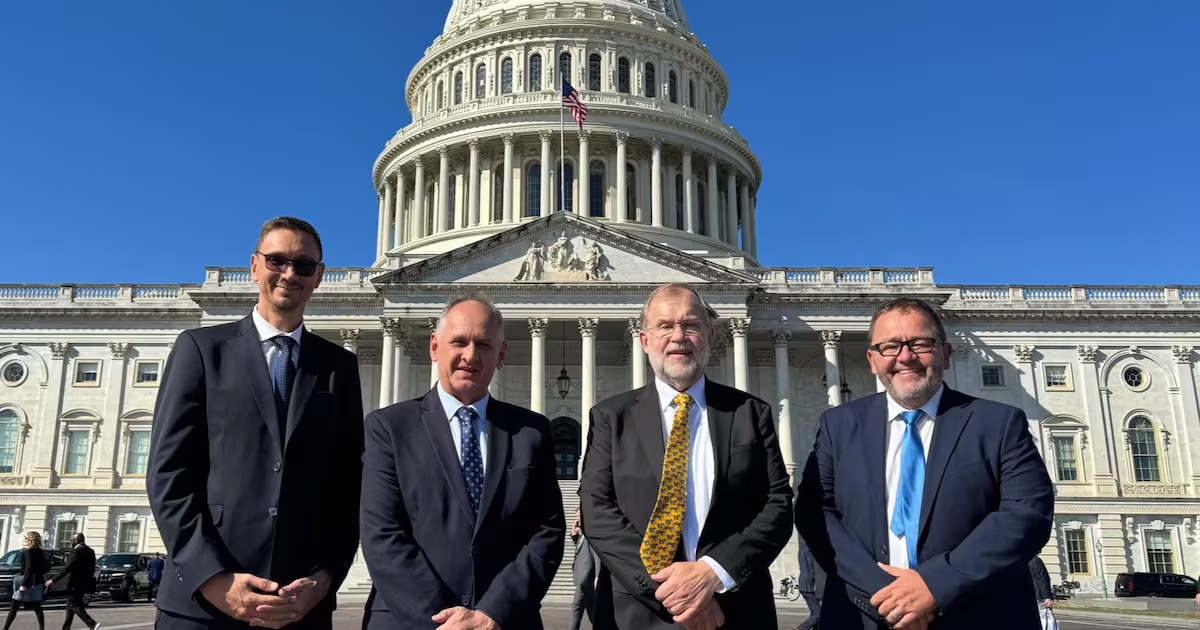
South Africa is approaching the 50th anniversary of the Soweto uprising. The rallying cry of black youth in 1976 was, “We do not want to be taught in Afrikaans.” Fifty years later, a new cry has emerged: “You may not be taught in Afrikaans.” The 1976 slogan was a cry for freedom. The slogan of 2026 is its opposite: an attempt to deny Afrikaans speakers the freedom to receive education in their mother tongue. For Afrikaners this is nothing new. More than two centuries ago, on July 19 1822, Lord Charles Somerset, governor of the Cape, issued a directive declaring English the sole language of instruction in the colony’s schools. The purpose was clear: to consolidate British dominance. A century later, during the South African War, the British established English-medium schools inside concentration camps as part of an effort to anglicise Afrikaner children. The British director of education, EB Sargant, made the objective explicit: “English must be the only language throughout South Africa.”Following the British victory, the new governor, Lord Alfred Milner, triumphantly declared, “I have saved the British position in South Africa and have knocked the bottom out of the great Afrikaner nation for ever and ever, amen.” Mother-tongue educationAlmost a century later, the constitutional settlement of 1994 guaranteed mother-tongue education, including at university level. Afrikaans speakers believed that the lessons of 1822, 1902 and 1976 had finally been learnt. They believed everyone’s freedom to use and develop their language and culture through institutions such as schools and universities was secure. Afrikaans, at last, had been decolonised. Yet the position of non-English languages has deteriorated sharply since 1994. All historically Afrikaans universities and hundreds of Afrikaans schools have, over time, been compelled to anglicise. The Basic Education Laws Amendment (Bela) Act of 2024 grants state officials the final authority over schools’ language and admission policies. This caused significant concern among Afrikaans-speaking communities, because ANC politicians, acting as modern-day Lord Somersets, have made it clear that they intend to use the legislation to force Afrikaans schools to change their language policies. Settlements breachedThe tensions created by these legislative amendments and political statements led to negotiations between government and Afrikaans interest groups, resulting in two separate settlements. Those settlements were in effect breached when the president ignored them and proceeded almost immediately with the implementation of the Bela Act (“Implementation of Bela Act gains momentum ahead of 2026 deadline”, July 9 2025). Shortly thereafter, the ANC-dominated government also reneged on an agreement concerning affirmative action that had been reached with Solidarity and facilitated by the International Labour Organisation by introducing new racial quotas. During the same period the president signed legislation enabling expropriation without compensation. To add insult to injury, South Africa’s highest courts ruled that the slogan “Kill the Boer” does not constitute hate speech and is therefore permissible. These repeated breaches of formal agreements have created a profound breakdown of trust. The Solidarity Movement, which includes AfriForum, views this as a breach of the 1994 settlement itself. Afrikaner Declaration In an effort to repair this growing trust deficit, Afrikaner organisations representing about 2-million people issued an Afrikaner Declaration, extending a hand of co-operation to our fellow South Africans. The declaration made three things clear: that Afrikaners see South Africa as their future; that we wish to work alongside others; and that we seek to create the conditions necessary to protect our language and culture so that Afrikaners are not alienated from their homeland but are able to build, remain and contribute to making South Africa a better country for all. The government did not respond. After President Donald Trump’s election in the US, Solidarity used its access in Washington to argue that ordinary South Africans should not suffer the consequences of tensions between governments. We love this country, even if we do not support the ANC. We have stated unequivocally that we do not regard the situation in South Africa as a genocide, and nor do we view ourselves as refugees. We do, however, believe that the ANC has breached the 1994 settlement and that the US has a role to play in supporting reconciliation in South Africa, just as it did before 1994. Max du Preez’s claim that Afrikaners, or the work of the Solidarity Movement, are driven by grievance politics is simply unfounded (“The June 16 uprising and return of white grievance politics”, June 4). We are defending our language and culture and asserting our constitutional rights and freedoms. This is not nationalism; it is cultural self-preservation. The more than 600,000 members of our movement support our work because we offer practical solutions to challenges, including mother-tongue education, training, safety and many other pressing concerns. The Solidarity Movement is a proud South African, Afrikaner and African organisation. We are building the cultural ecosystem necessary to ensure that Afrikaners can continue to live, build and thrive in South Africa with confidence. In doing so, we seek to make a lasting contribution to the wellbeing of this country and all its people. • Buys chairs the Solidarity Movement.
FLIP BUYS | Solidarity wants to play a positive role in SA
Repeated broken agreements deepen divide between state and Afrikaans speakers
839 words~4 min read