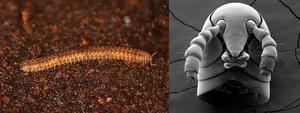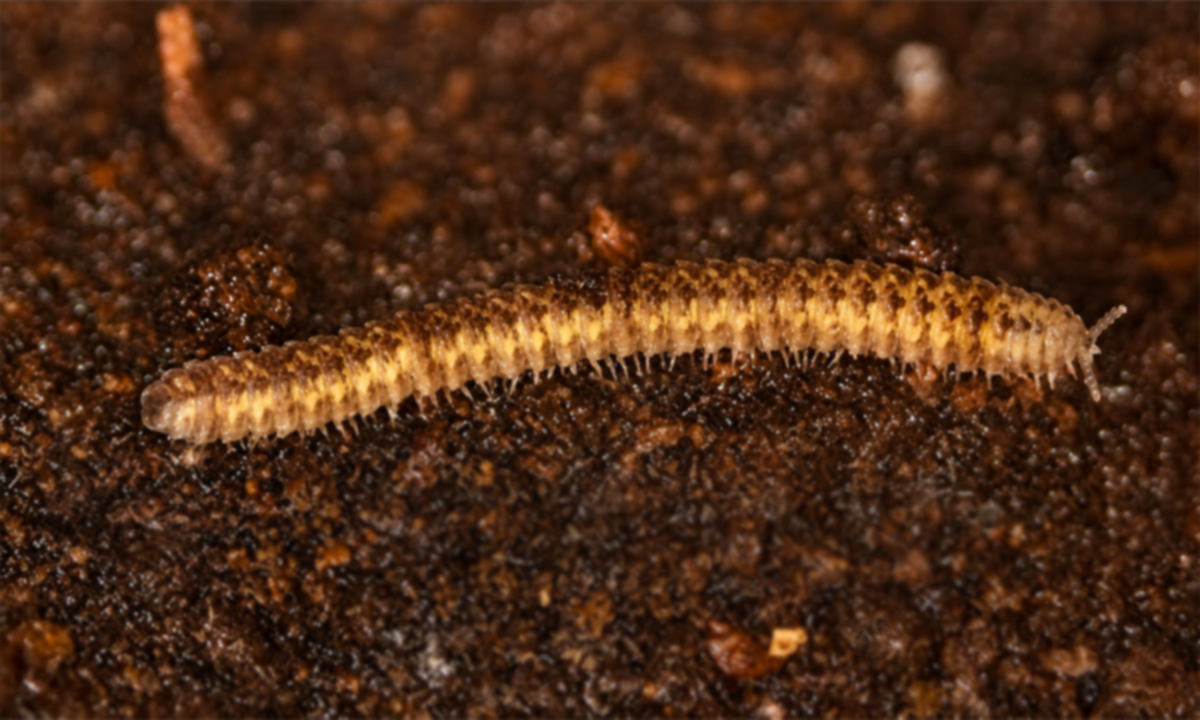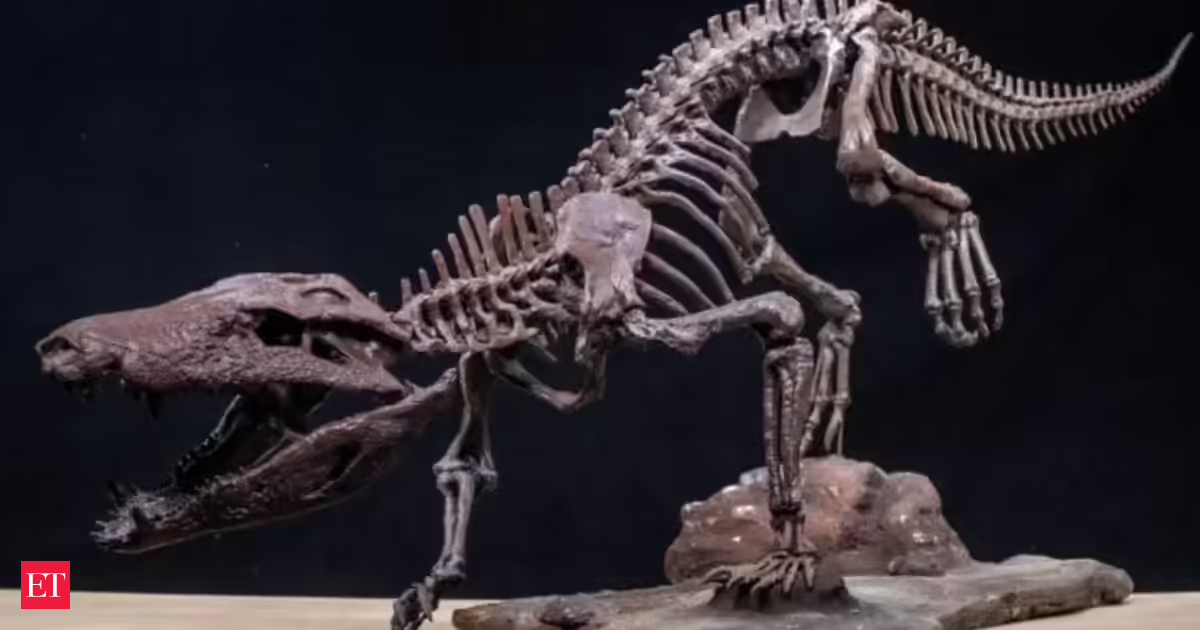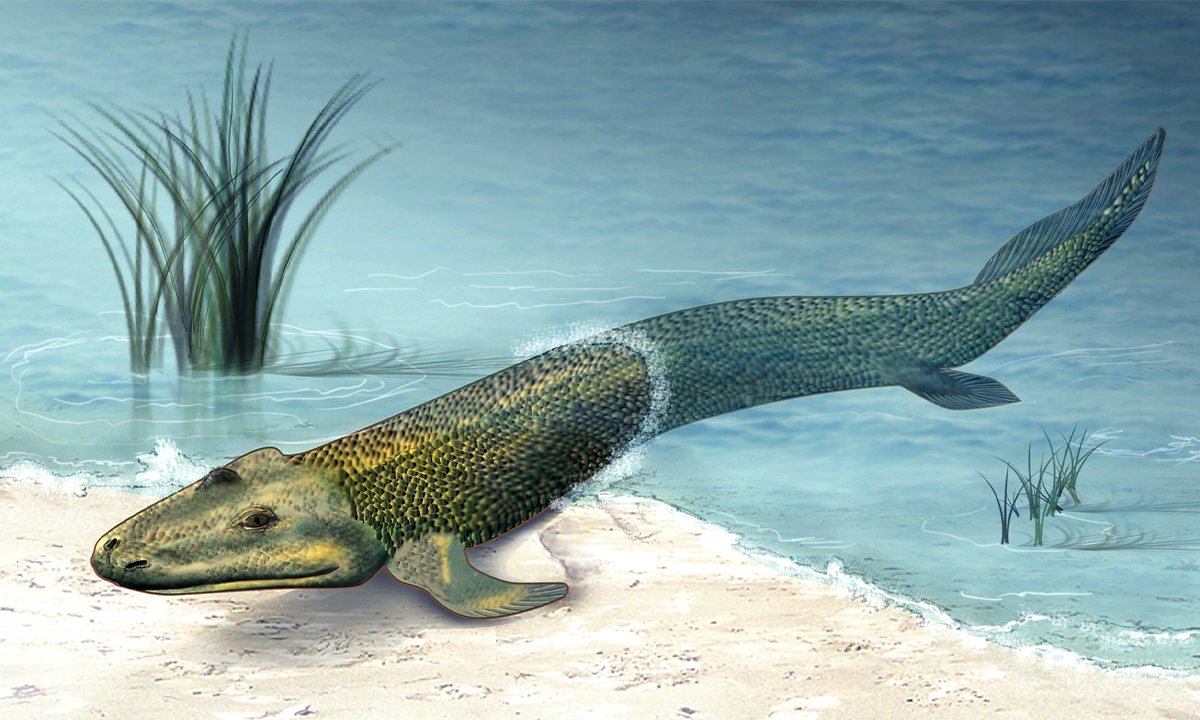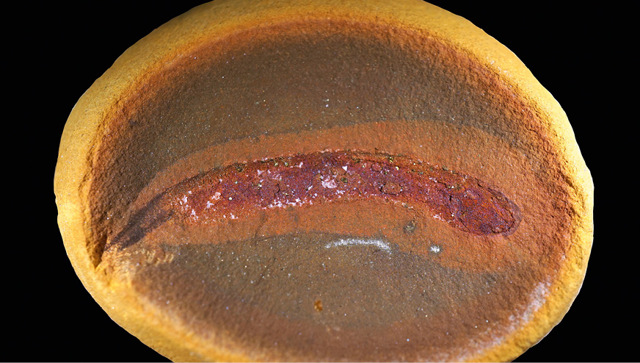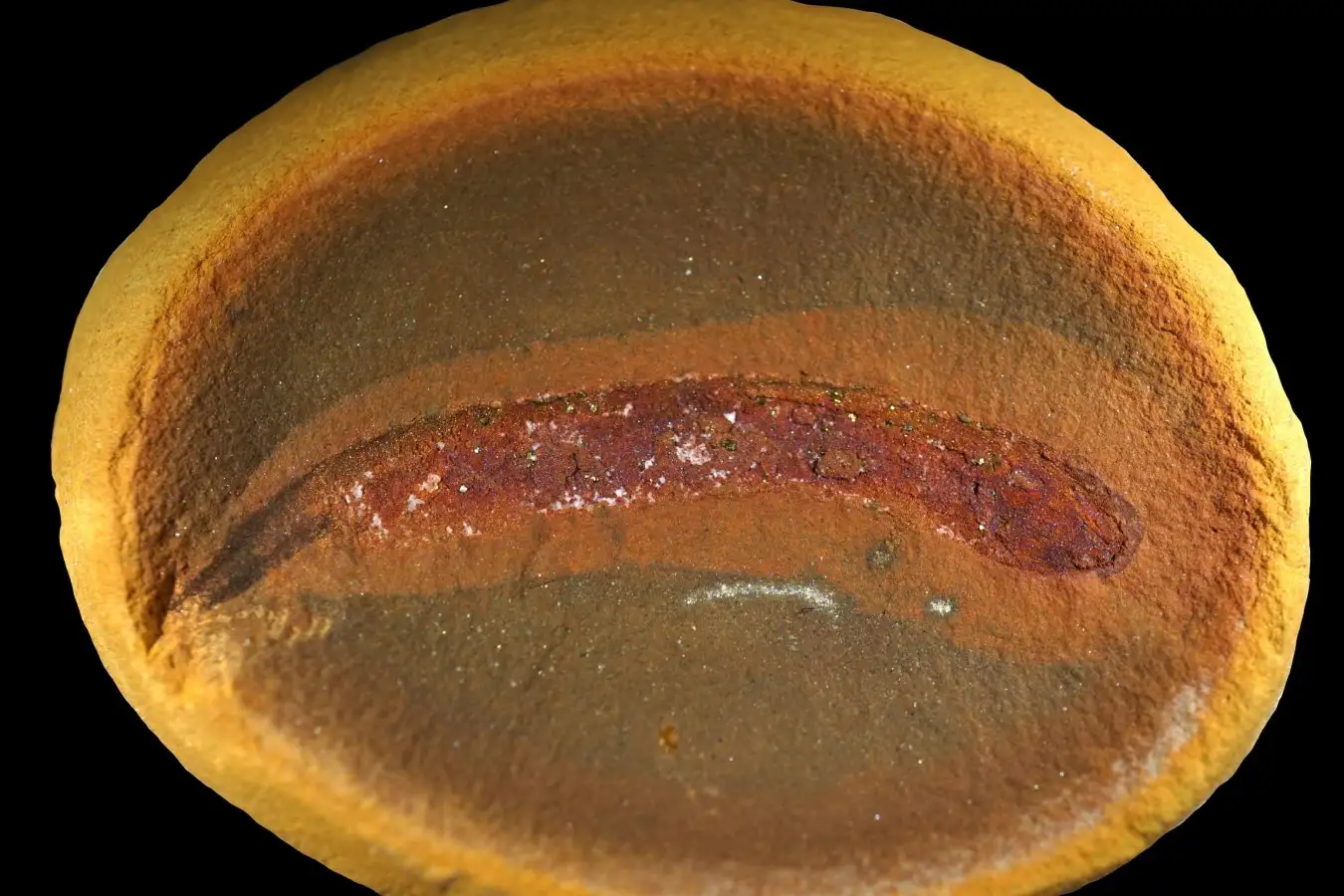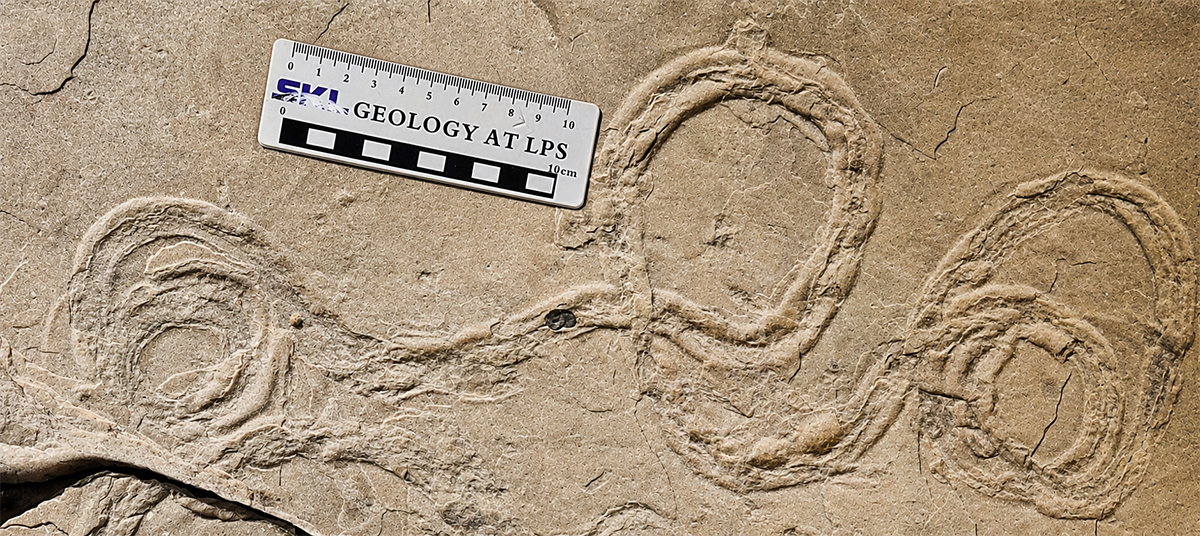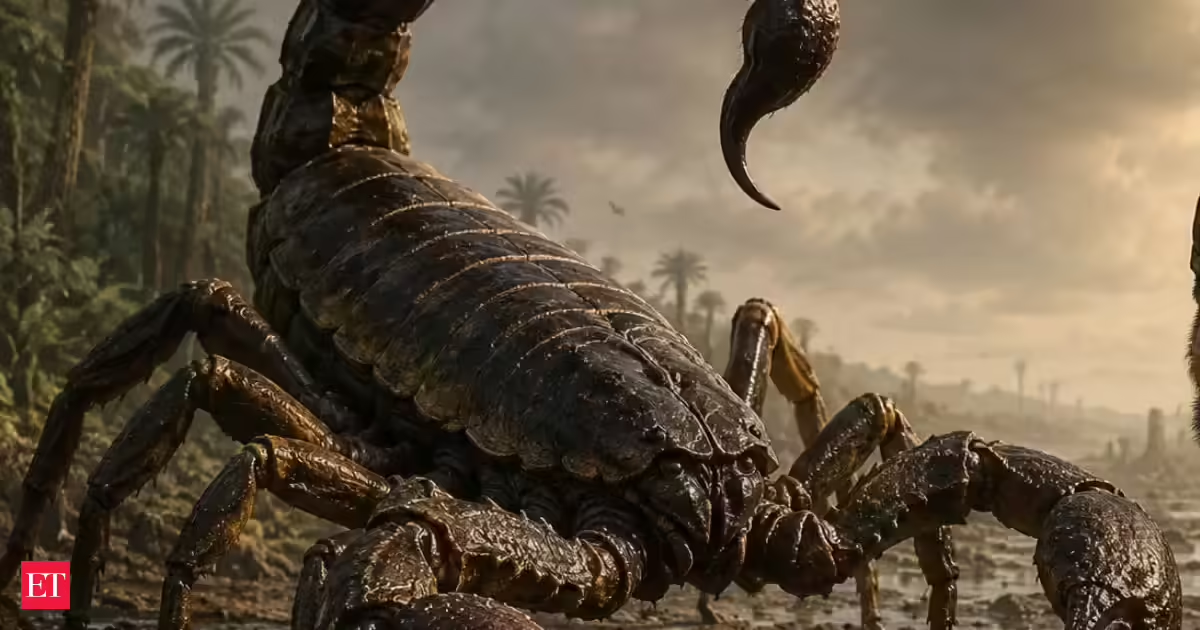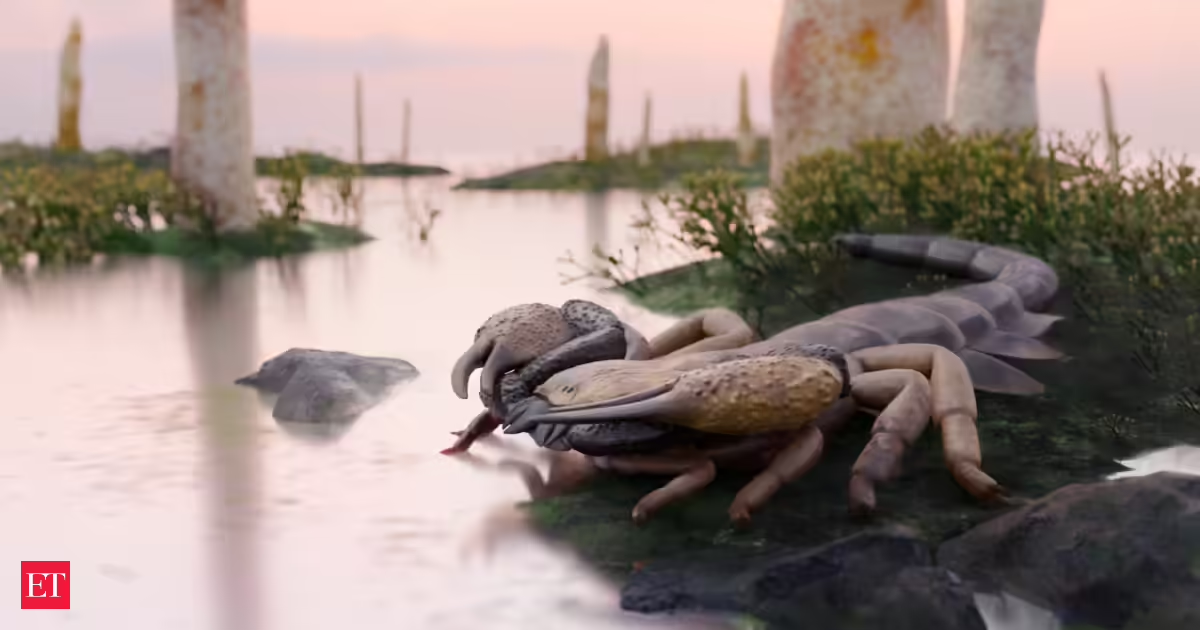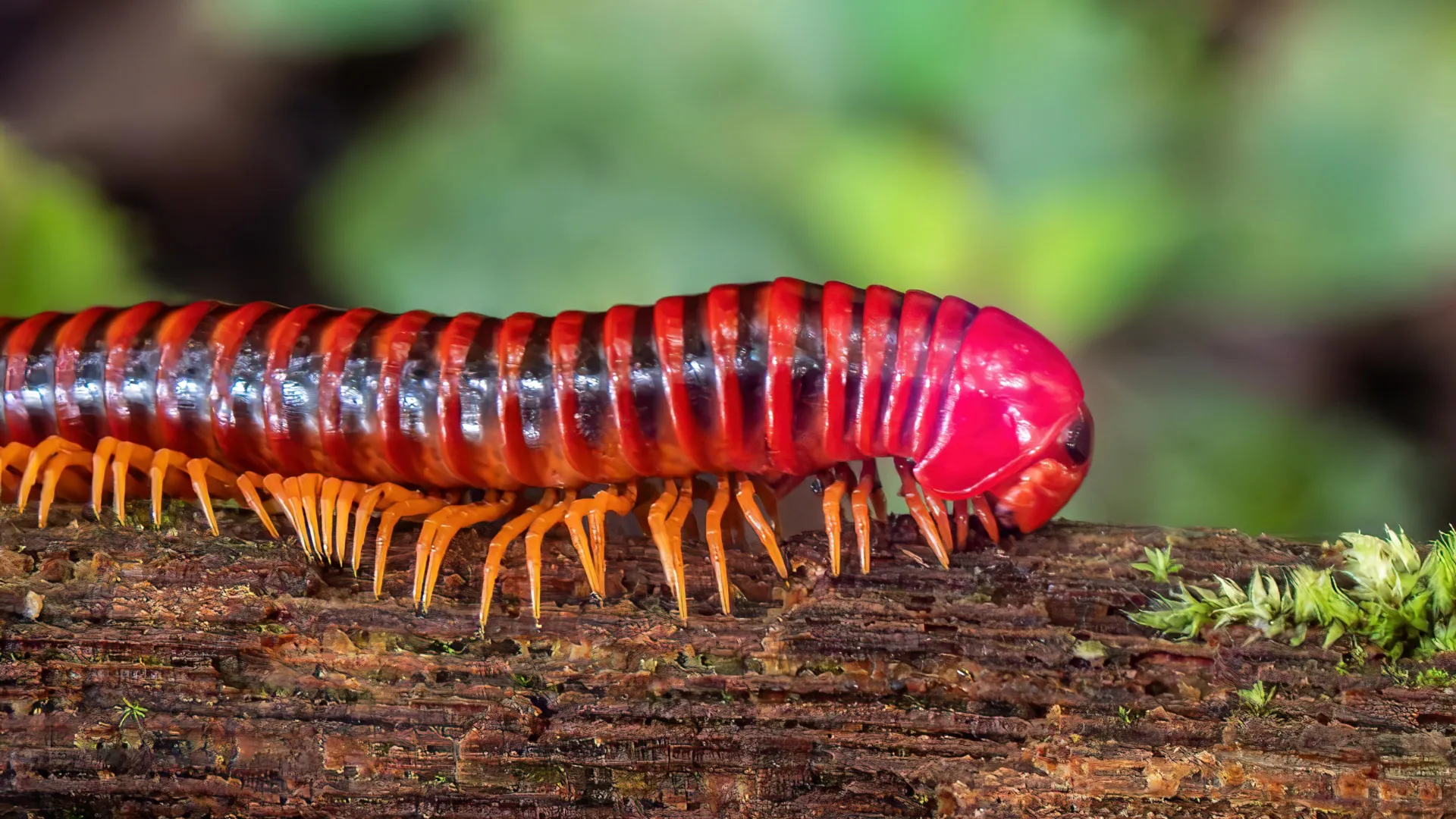
For hundreds of millions of years before dinosaurs appeared and long before vertebrates ventured onto land, millipedes were already thriving on Earth's surface.
These humble decomposers played a key role in some of the planet's earliest terrestrial ecosystems. Yet despite their remarkable history, major questions about their evolution remained unanswered.
Now, an international team led by Virginia Tech researchers has filled in one of the final gaps in the millipede family tree, shedding new light on the ancient creatures that helped prepare Earth for life on land.
The study, published in Current Biology, presents the first complete evolutionary history of all living millipede orders. By combining DNA data from modern species with physical evidence preserved in fossils, the researchers traced the origins of millipedes back nearly 460 million years, suggesting they existed long before the oldest millipede fossils discovered so far.
"Millipedes beat vertebrates onto land by more than 80 million years," said Paul Marek, the study's lead investigator and associate professor in the College of Agriculture and Life Sciences' Department of Entomology. "They really set the stage for later life on land, including humans and vertebrates."