Parks and recreational areas, previously seen as urban luxuries, are rapidly transitioning into absolute necessities in Nigeria. With the nation’s GDP growing by 4.07 percent year-on-year in real terms in the fourth quarter of 2025, and inflation hitting 15.69 percent in April 2026, the rising cost of living is greatly squeezing household budgets.
As cities densify and private country clubs or exclusive leisure centres remain out of reach for the average residents, citizens are increasingly drawn to accessible public amenities as essential, low-cost sanctuaries for recreation. For many families, expensive weekend outings have been replaced by local park visits, providing much-needed respite.
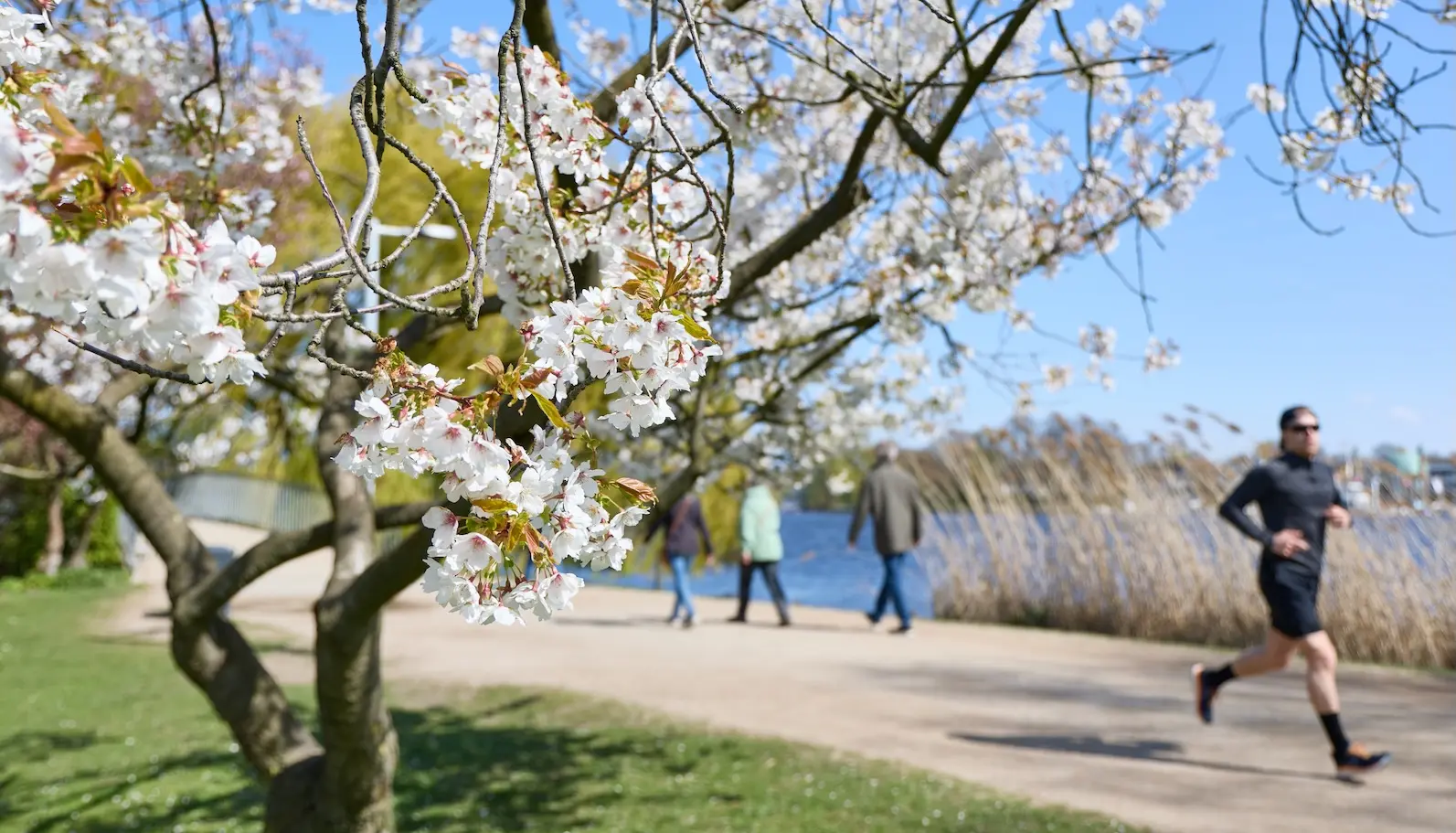
The impact of these spaces extends far beyond economics, directly improving the daily lives of residents across all demographics. Health-wise, urban green spaces serve as the “lungs” of our cities; they provide an optimal buffer against vehicular exhaust fumes, lower local temperatures, and offer a free environment for physical exercise, which is critical in combating lifestyle-related illnesses.
Socially, these areas also foster community cohesion; children gain safe, dedicated zones to play, adults enjoy a hiatus from their work stress, and families can gather communally without the financial burden of fleeing the city.